
About Tomb of Napoleon
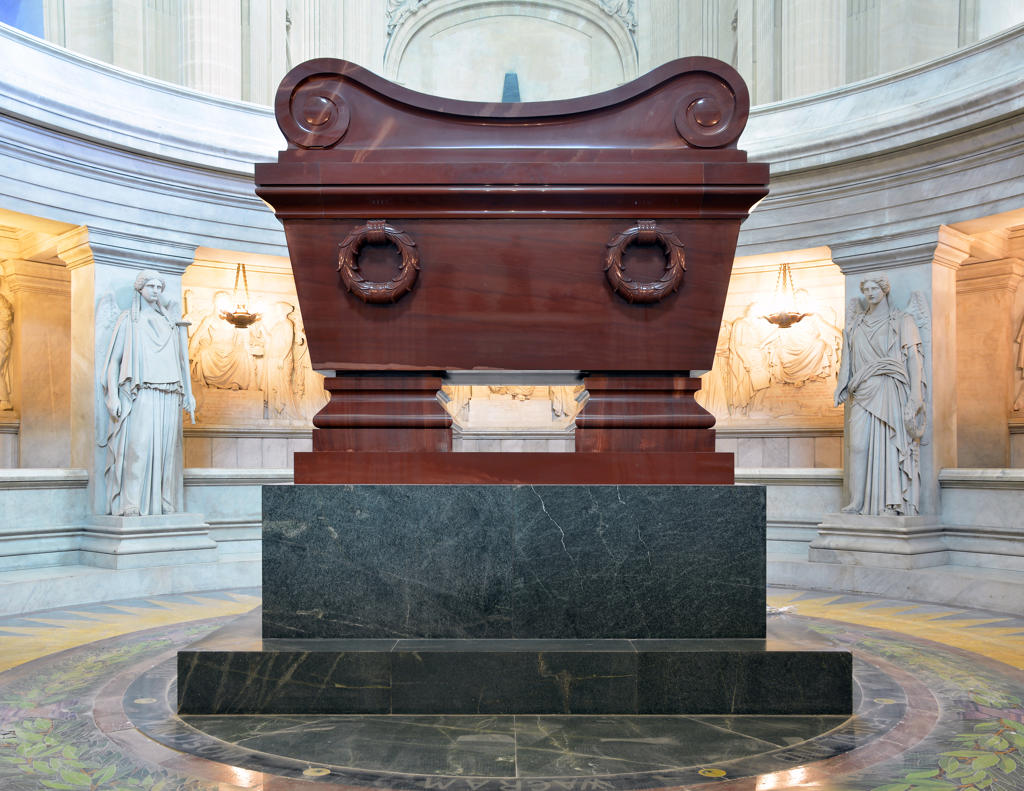
The massive red quartzite sarcophagus dominates the center of the crypt, resting beneath the golden dome of Les Invalides. Encircled by a sunken rotunda, the tomb is surrounded by twelve colossal statues symbolizing Napoleon’s military victories. The polished stone gleams under the soft light filtering through the dome, creating an atmosphere of reverence and grandeur. The intricate mosaic floor beneath the sarcophagus depicts laurel wreaths and imperial emblems, reinforcing the image of Napoleon as a ruler of immense power and legacy.
Completed in 1861, the tomb was designed by architect Louis Visconti to house the remains of Napoleon Bonaparte, who died in exile on the island of Saint Helena in 1821. His body was returned to France in 1840, fulfilling his wish to rest among the French people. The tomb’s placement within Les Invalides, originally built as a hospital and retirement home for war veterans, ties Napoleon’s legacy to the military history of France.
Napoleon’s Life and Legacy
Napoleon Bonaparte rose from modest beginnings in Corsica to become Emperor of the French. His military genius reshaped Europe, and his Napoleonic Code influenced legal systems worldwide. The tomb reflects his dual legacy: a brilliant strategist and a controversial figure. The grandeur of the sarcophagus and its surroundings mirrors the scale of his ambitions and achievements, while the solemnity of the crypt invites reflection on the cost of his conquests.
Plan your perfect trip to Paris with Travo! Download now and start exploring.


Artistic and Symbolic Elements
The sarcophagus, carved from red quartzite, rests on a green granite base, symbolizing strength and permanence. The twelve statues encircling the tomb, known as the Victories, are draped in classical robes and hold laurel wreaths, representing Napoleon’s military triumphs. Above, the gilded dome of Les Invalides, adorned with intricate frescoes, serves as a celestial canopy, emphasizing the emperor’s near-mythical status. Every detail, from the mosaics to the inscriptions, reinforces the narrative of Napoleon as a larger-than-life figure.
Details That Speak
Look closely at the inscriptions on the walls of the crypt. They list Napoleon’s greatest achievements, including the establishment of the Napoleonic Code and his victories at Austerlitz and Jena. The laurel wreaths on the floor symbolize victory, while the bees, a recurring motif, represent immortality and resurrection. The placement of the tomb, directly beneath the dome, ensures that all eyes are drawn to it, making it the focal point of the entire complex.
Living History
Today, the tomb of Napoleon is not just a resting place but a site of national pride and historical reflection. Visitors from around the world come to pay their respects, drawn by the legacy of one of history’s most influential figures. The surrounding Les Invalides complex, which includes the Musée de l’Armée, provides further context to Napoleon’s life and the military history of France. The tomb remains a powerful symbol of ambition, leadership, and the enduring impact of one man on the world stage.
Nearby Places
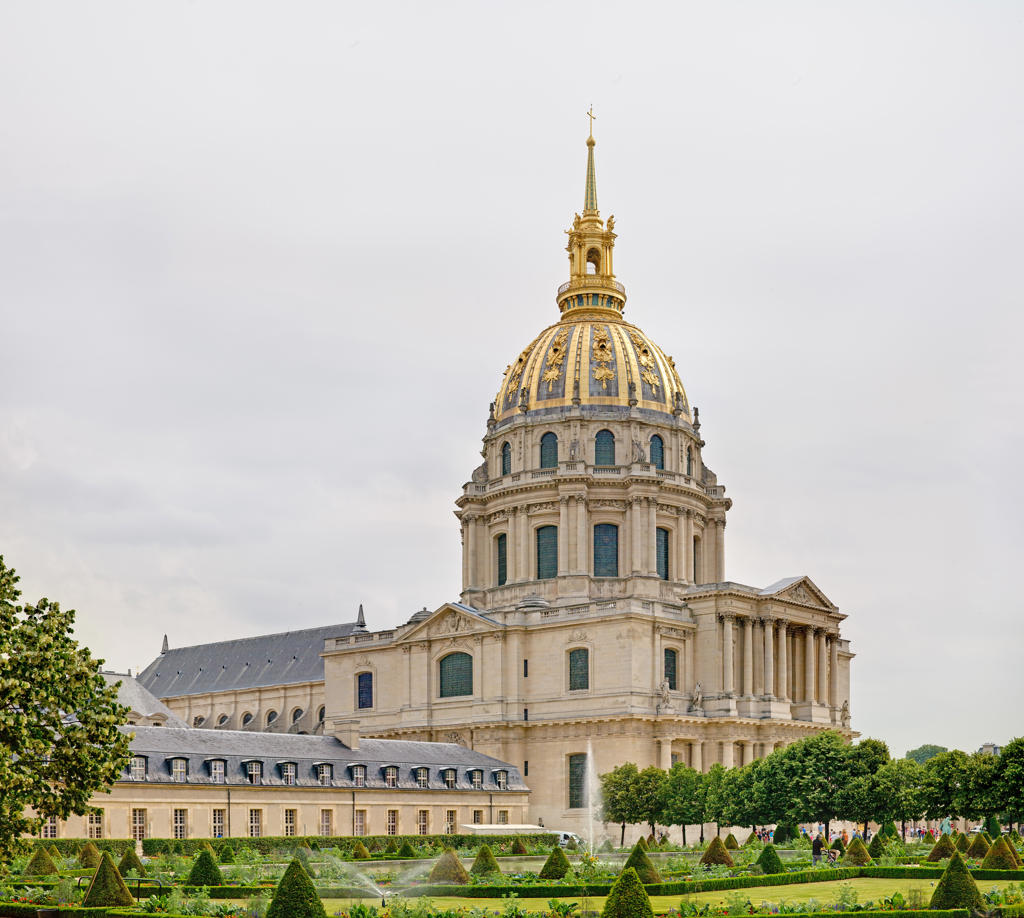
Saint Louis of Les Invalids Cathedral
68m away
Cour de Metz, 75007, Paris
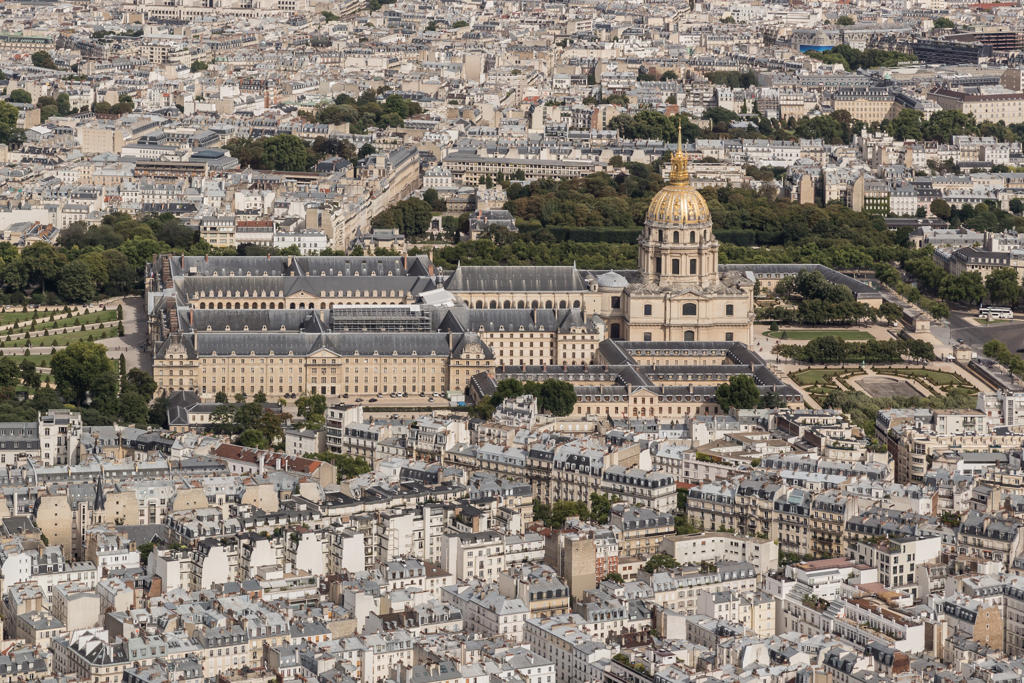
Hôtel des invalides
119m away
Cour Saint-Joseph, 75007, Paris
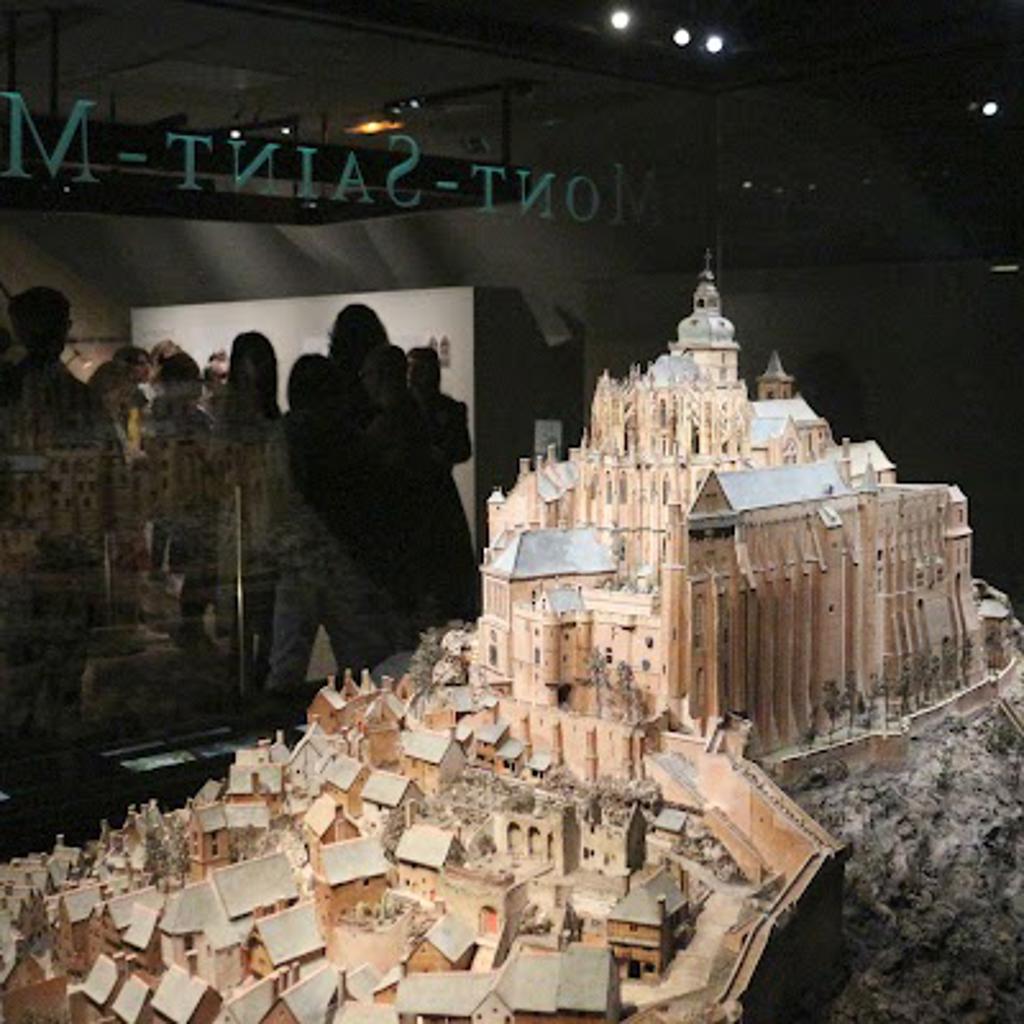
Musée des plans-reliefs
167m away
Cour de la Valeur, 75007, Paris
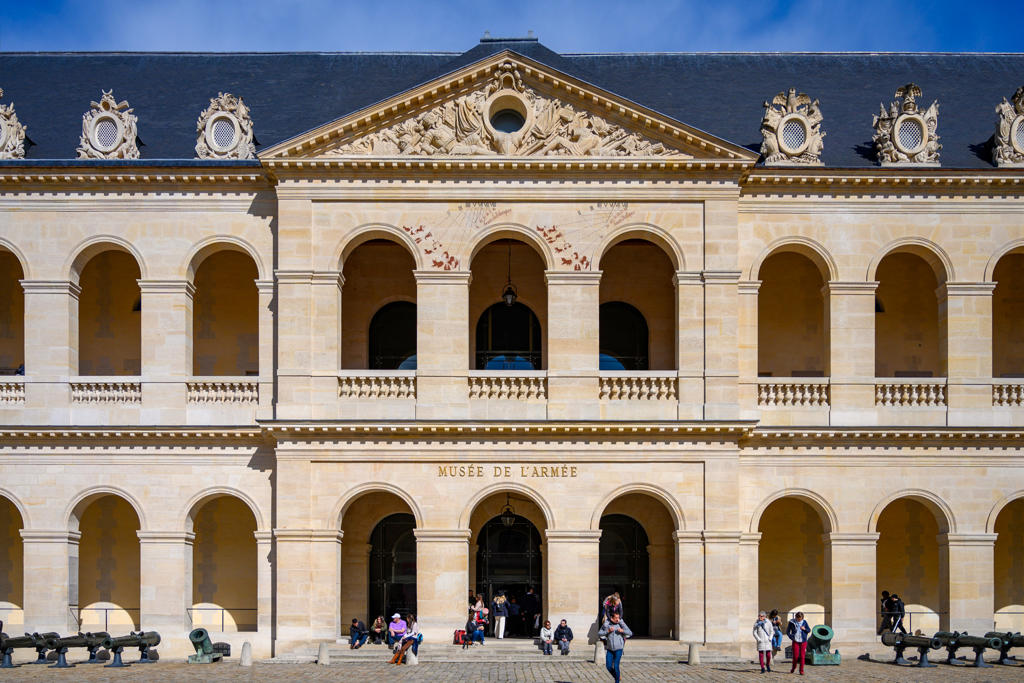
The Army Museum
229m away
129 Rue de Grenelle, 75007, Paris
Yves Saint Laurent
496m away
Rue de Babylone, 75007, Paris
Hôtel de castries
517m away
Rue de Varenne, 75007, Paris