
About Military School
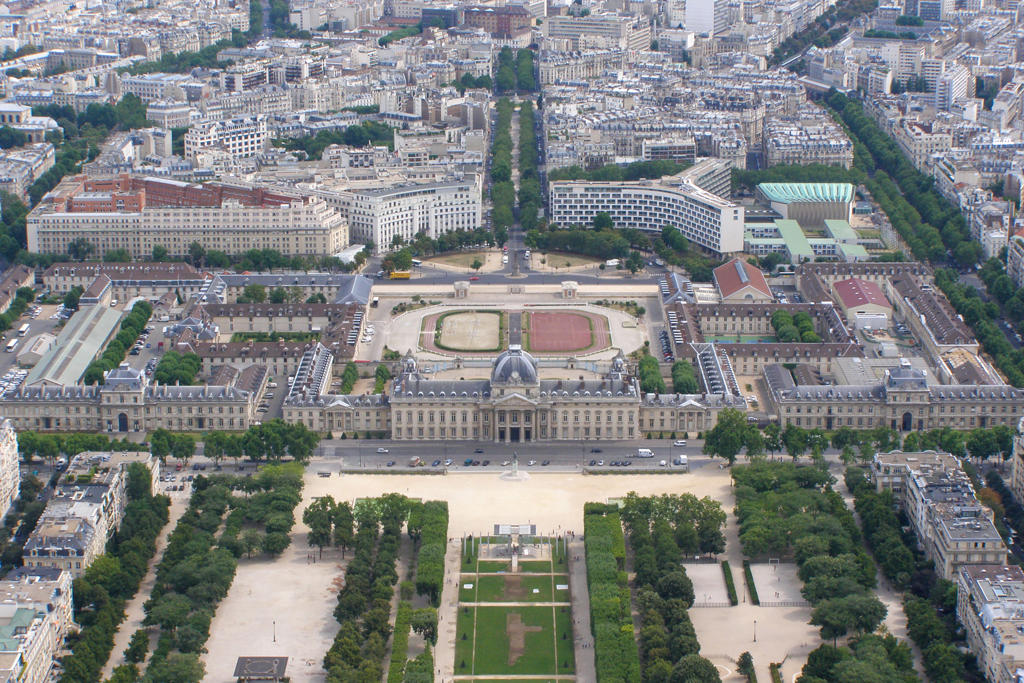
The grand façade of the École Militaire stretches across the avenue, its symmetrical design a masterpiece of 18th-century French architecture. The central pavilion, crowned by a dome, commands attention with its classical columns and intricate carvings. The expansive courtyard, framed by elegant wings, once echoed with the footsteps of cadets preparing for military service. Today, the building stands as a testament to France’s military history and architectural brilliance.
Origins and Historical Significance
Commissioned by King Louis XV in 1750, the École Militaire was designed to train young men from less privileged backgrounds for military leadership. Architect Ange-Jacques Gabriel, known for his work on the Place de la Concorde, created this imposing structure. It became a symbol of France’s commitment to military excellence and social mobility. Napoleon Bonaparte himself studied here in the late 18th century, marking the school as a stepping stone for one of history’s most famous leaders.
Plan your perfect trip to Paris with Travo! Download now and start exploring.


Architectural Grandeur
The building’s neoclassical style reflects the ideals of order and discipline central to military life. The dome, inspired by classical designs, adds a sense of majesty, while the symmetrical layout emphasizes balance and precision. The carved reliefs and decorative elements celebrate martial themes, with motifs of swords, shields, and laurel wreaths adorning the façade. The École Militaire’s design harmonizes beauty with function, embodying the Enlightenment-era belief in rationality and progress.
Napoleon’s Connection
Napoleon Bonaparte’s time at the École Militaire is one of its most famous chapters. Arriving in 1784, the young Corsican studied artillery and military strategy, laying the groundwork for his future conquests. Visitors can imagine the ambitious cadet walking these halls, his mind already filled with plans for reshaping Europe. The school’s role in shaping Napoleon’s career underscores its importance in French and global history.
Marks of Time
The École Militaire has witnessed centuries of change, from the French Revolution to World War II. Its walls bear the marks of history, surviving political upheavals and military conflicts. During the Nazi occupation of Paris, the building was repurposed, adding another layer to its complex story. Today, it serves as a reminder of resilience and continuity, standing firm amidst the ever-changing cityscape of Paris.
Present-Day Significance
While no longer a training ground for cadets, the École Militaire remains a hub of military administration and education. It houses institutions dedicated to strategic studies and defense, continuing its legacy of shaping military thought. The surrounding Champ de Mars, with its sweeping views of the Eiffel Tower, draws visitors who marvel at the juxtaposition of historical grandeur and modern Parisian life.
Details That Speak
Look closely at the central pavilion’s carvings, where martial symbols blend with classical motifs. The courtyard’s vast expanse invites reflection on the lives of cadets who once drilled here. The dome’s elegant curves contrast with the rigid lines of the wings, symbolizing the balance between discipline and vision. Every detail of the École Militaire tells a story of ambition, resilience, and the enduring pursuit of excellence.
Nearby Places
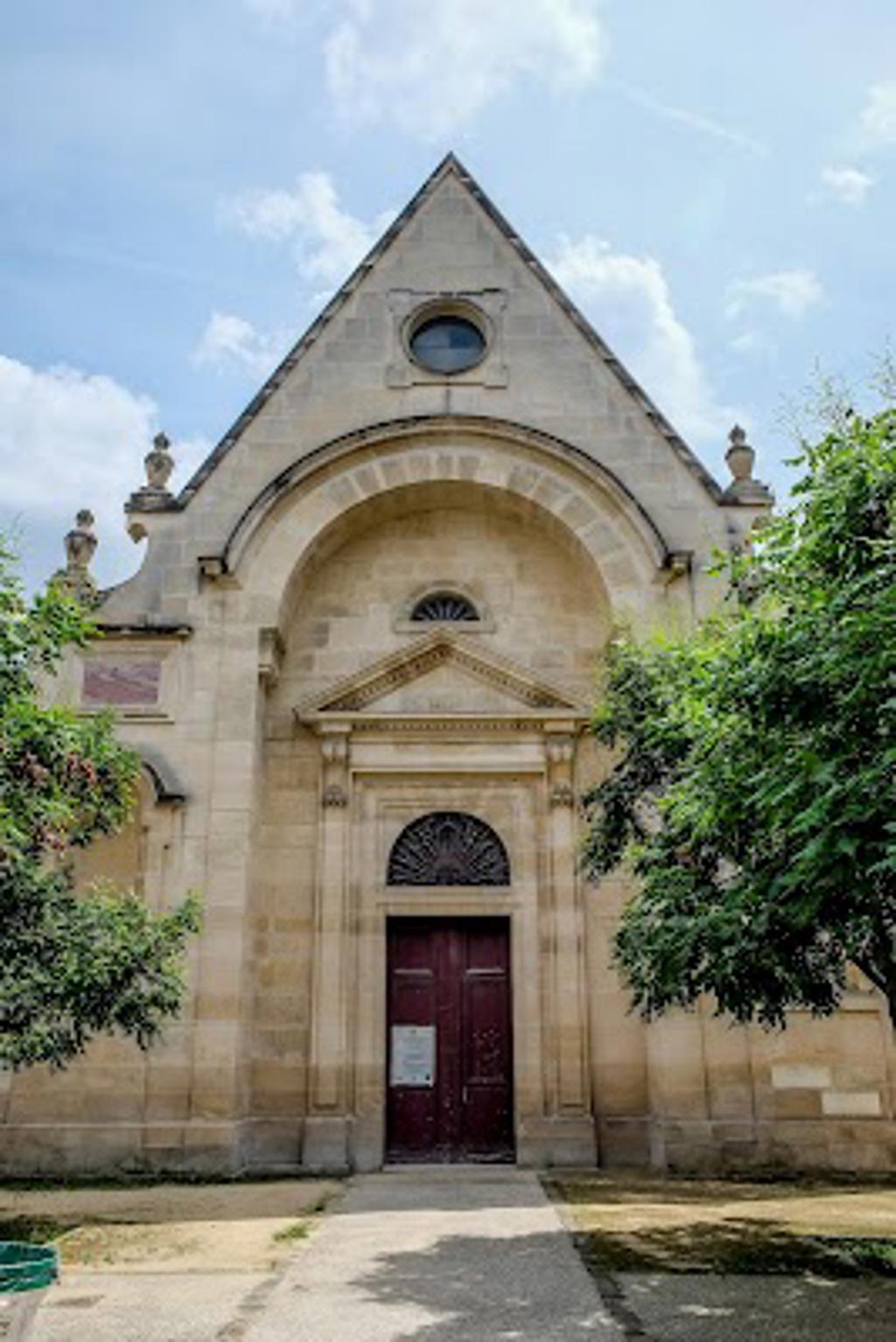
Chapelle Saint-Louis
131m away
Cour d'Honneur, 75007, Paris
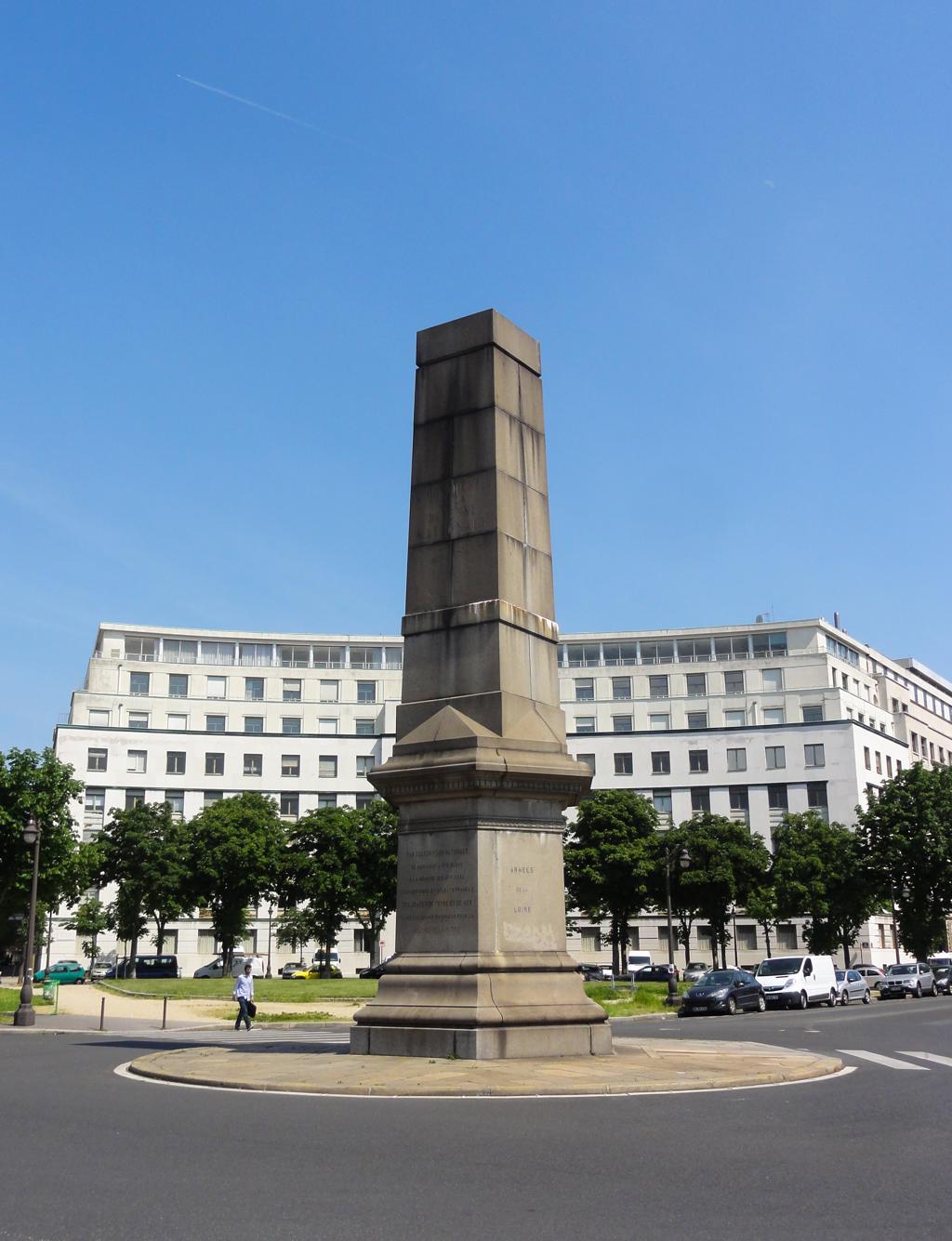
Monument aux morts de la guerre de 1870
147m away
Place de Fontenoy, 75007, Paris
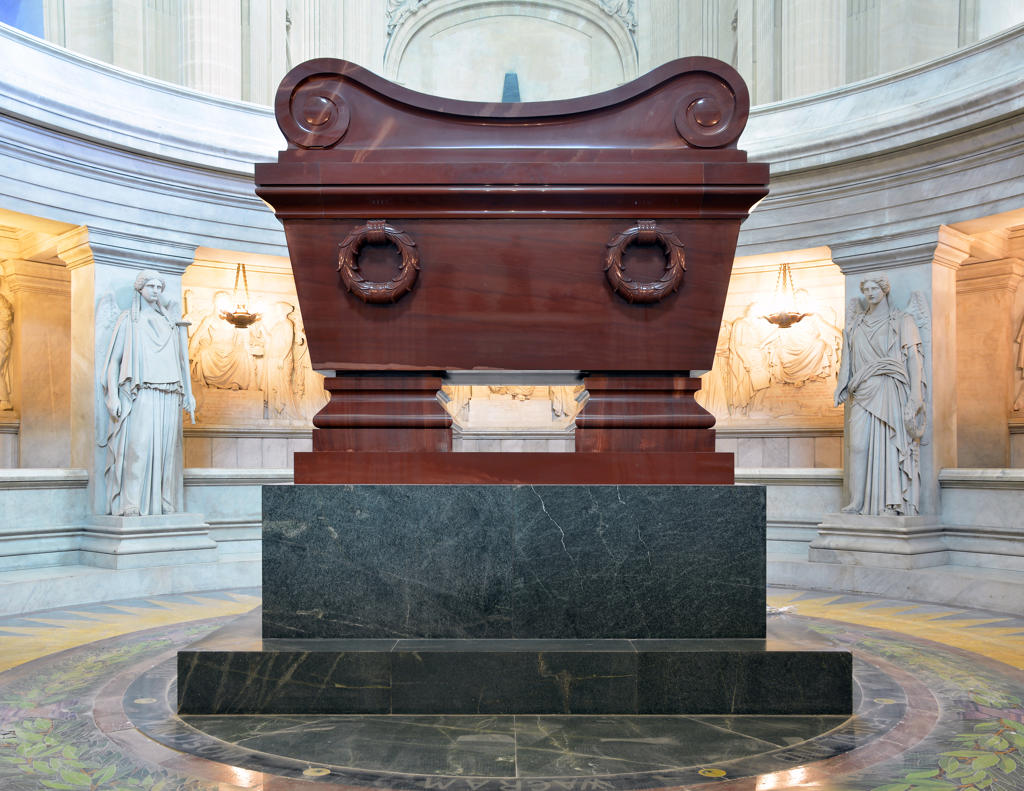
Tomb of Napoleon
670m away
Cour du Dôme, 75007, Paris
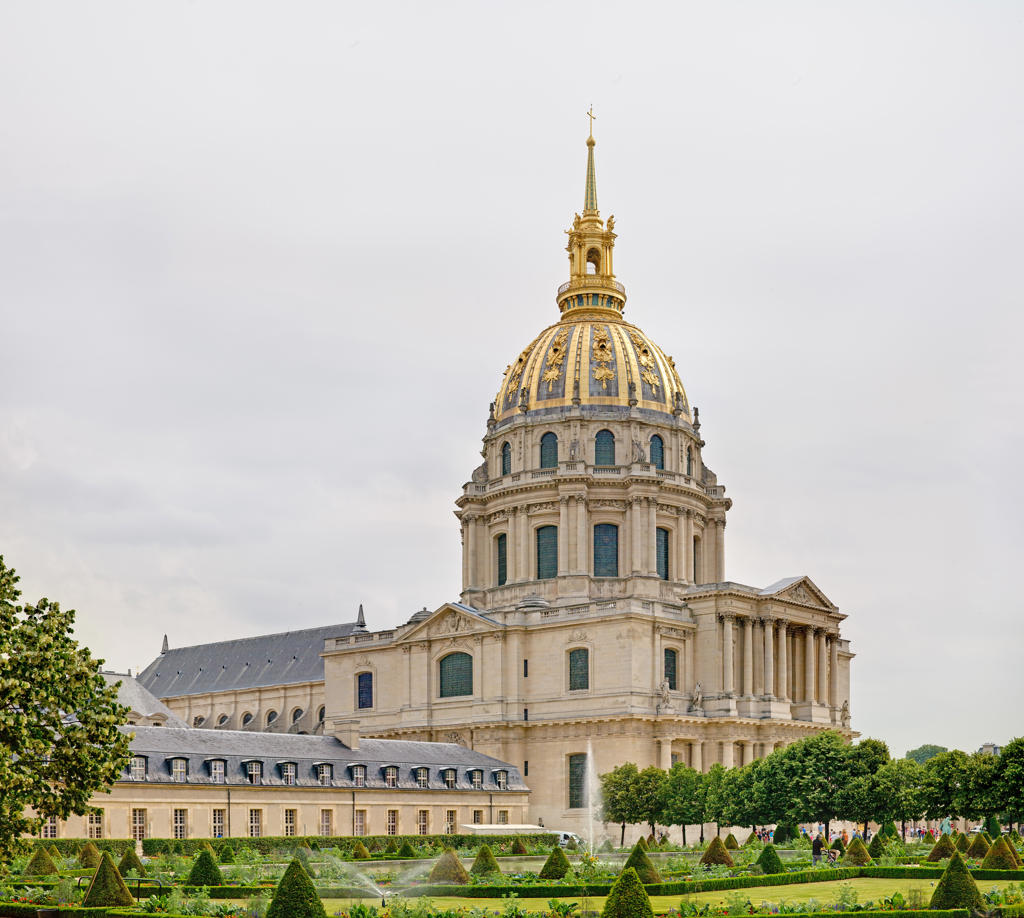
Saint Louis of Les Invalids Cathedral
713m away
Cour de Metz, 75007, Paris
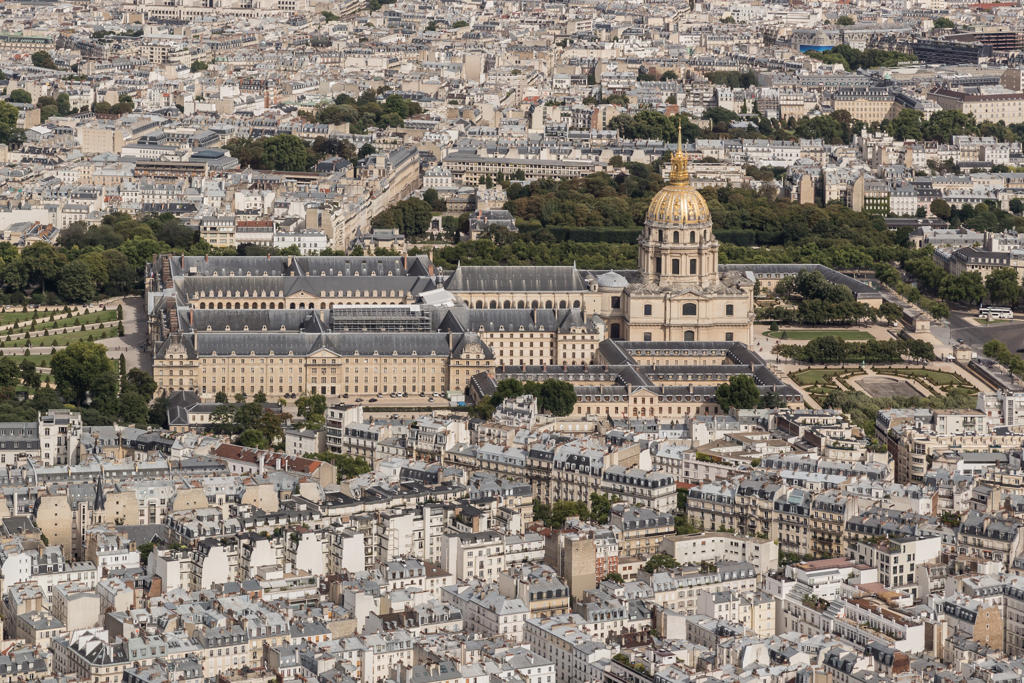
Hôtel des invalides
777m away
Cour Saint-Joseph, 75007, Paris
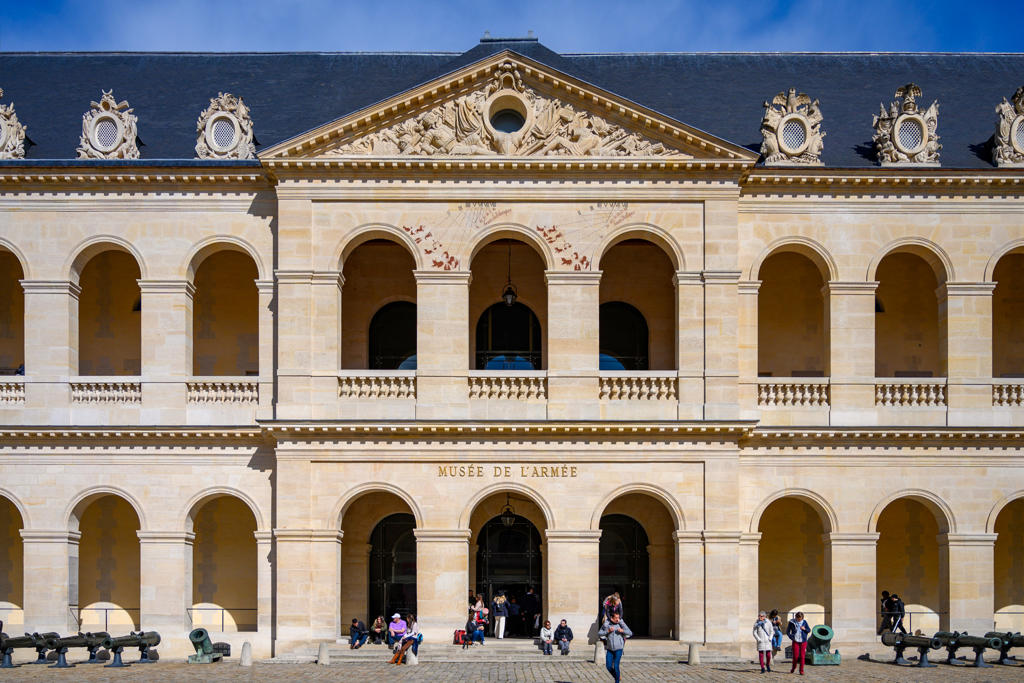
The Army Museum
777m away
129 Rue de Grenelle, 75007, Paris