
A Vietnam itinerary for 10 days works best as a focused north-to-south route through Hanoi, Ha Long Bay, Hoi An and Ho Chi Minh City, with flights used strategically and enough time to enjoy each place.
This route gives Hanoi and Hoi An two days each, adds an overnight Ha Long Bay cruise, and finishes in Ho Chi Minh City. It follows the classic route covered by leading Vietnam itinerary guides, but avoids squeezing Hue, the Mekong Delta and several beach resorts into the same ten days. If you want to adapt it to your flights, budget, food preferences or travel pace, Travo can turn this framework into a personalized day-by-day plan.
10 Days in Vietnam at a Glance
- Days 1–2: Hanoi — Old Quarter streets, lakes, temples, museums and an evening food tour.
- Days 3–4: Ha Long Bay or Lan Ha Bay — travel from Hanoi, cruise among limestone islands and return the next afternoon.
- Days 5–7: Hoi An and Da Nang — Ancient Town, countryside, beach time and an optional My Son visit.
- Days 8–10: Ho Chi Minh City — markets, modern neighborhoods, war history and an optional Cu Chi Tunnels excursion.
Book an international open-jaw ticket into Hanoi and out of Ho Chi Minh City if possible. That prevents losing most of the final day backtracking. Reverse the itinerary if your flights are cheaper in the opposite direction; the experience works equally well from south to north.
Days 1–2: Hanoi
Day 1: Arrive and explore the Old Quarter
Choose accommodation in or near the Old Quarter so the first day works on foot. After checking in, walk around Hoan Kiem Lake, visit Ngoc Son Temple and follow the narrow streets organized historically by trade. Keep arrival day flexible: stop for bun cha or pho, try an egg coffee, and watch the neighborhood shift from daytime commerce to evening street life.
A guided food walk introduces dishes and ordering habits you can use throughout the trip. Keep the first evening close to your hotel so jet lag does not undermine the itinerary.
Day 2: History, architecture and local neighborhoods
Start at the Temple of Literature before tour groups build, then choose the Vietnam Museum of Ethnology or the Vietnamese Women’s Museum rather than attempting every museum. Continue toward the French Quarter, St. Joseph’s Cathedral and the lanes around Truc Bach Lake. The Ho Chi Minh Mausoleum complex has specific opening hours and dress expectations, so check the official schedule before placing it in your morning.
Group stops geographically. Use Google Maps for saved places and Grab for short rides, then see how to plan a trip with AI for a more personalized schedule.
Days 3–4: Ha Long Bay or Lan Ha Bay
Leave Hanoi after breakfast for the harbor transfer, normally arranged by the cruise company. An overnight cruise is more sensible than a rushed day trip: you spend less of the day immediately reversing course and gain quieter evening and morning hours among the limestone karsts. Typical itineraries include kayaking, a cave or floating-village visit, meals on board and sunrise activities.
Ha Long Bay has the famous name, while neighboring Lan Ha Bay offers similar scenery and can feel less congested. Compare the vessel, safety record, transfers and activities—not only the lowest rate. Weather can change sailing plans, so avoid a tight onward connection.
After disembarking on Day 4, transfer back toward Hanoi and fly to Da Nang that evening if schedules allow. Otherwise, take an early flight on Day 5. Use Rome2Rio to understand broad transport options, then confirm the final timetable and baggage rules directly with the airline or operator.
Days 5–7: Hoi An and Central Vietnam
Day 5: Settle into Hoi An
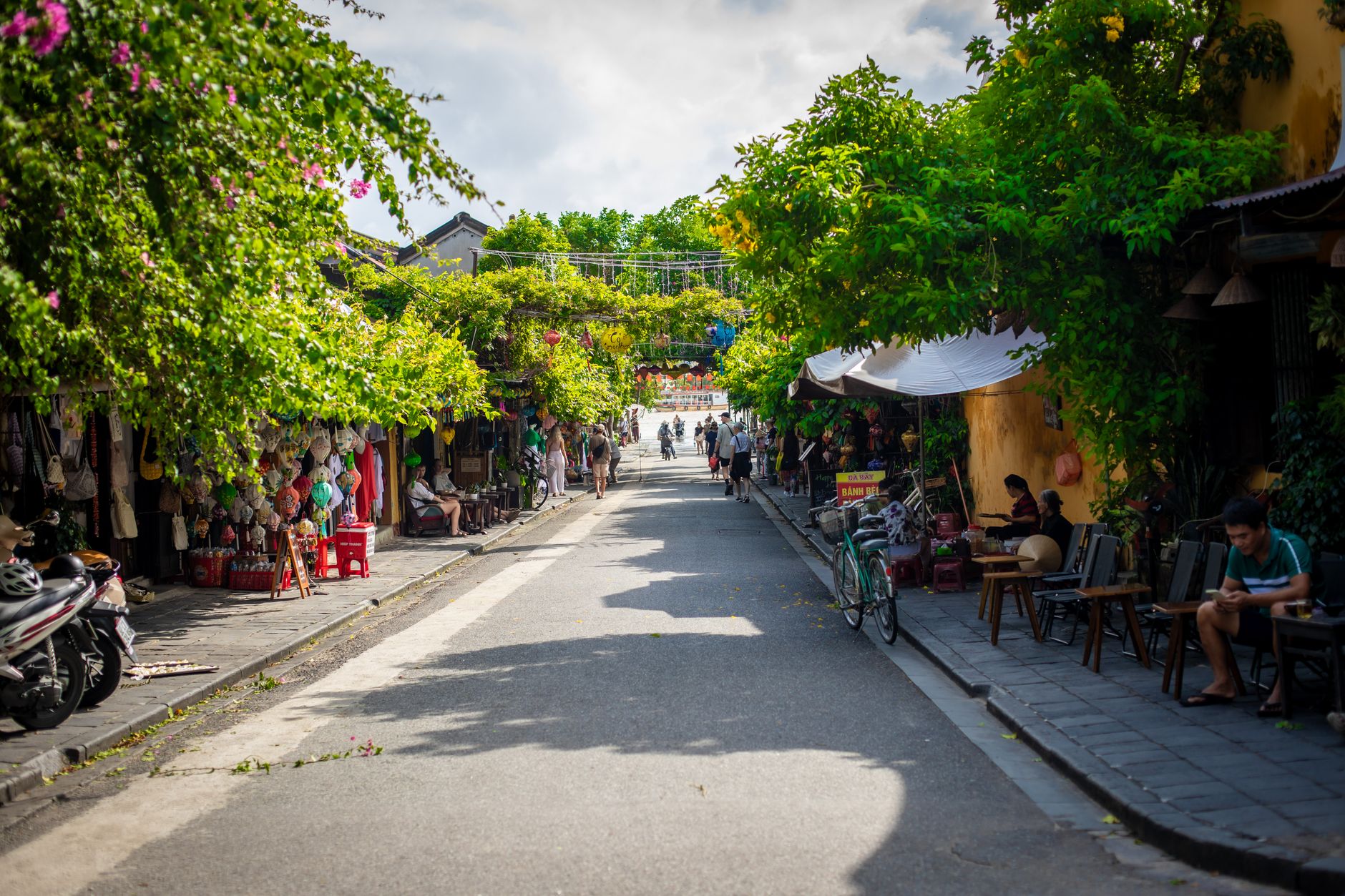
Da Nang airport is the practical gateway to Hoi An. Arrange a hotel transfer or licensed car, check in, and spend the afternoon exploring the Ancient Town. The Japanese Covered Bridge area, old merchant houses, assembly halls and riverside lanes are close enough for an unhurried walking loop. Return after sunset for lantern-lit streets, but remember that Hoi An is a living town rather than a photo set: be considerate around homes, shops and worship spaces.
Day 6: Countryside and food
Cycle or join a small tour through nearby rice fields and villages. A market-based cooking class adds context to regional dishes such as cao lau and white rose dumplings. In hot months, get outside early and rest after lunch.
Day 7: Choose one meaningful side trip
Select one of three directions instead of combining them. Visit the My Son Sanctuary for Cham history and archaeology; spend a slower day at An Bang Beach; or explore Da Nang’s museums, food scene and waterfront. Hue is culturally important, but adding it as a hurried out-and-back trip makes this 10-day route too transfer-heavy. Save Hue for a longer central Vietnam journey.
This is the itinerary’s deliberate flex day. Rain, fatigue or a favorite café may change your priorities. A flexible plan is better than treating missed checklist items as failure. Travelers considering another compact Asian route can compare the pacing in our South Korea 10-day itinerary.
Days 8–10: Ho Chi Minh City
Day 8: Fly south and explore the center
Take a morning flight from Da Nang to Ho Chi Minh City and stay somewhere with straightforward access to the places you value, not automatically beside the loudest nightlife. Walk past the Central Post Office and surrounding colonial-era buildings, visit an independent café, and explore Nguyen Hue Walking Street after dark. Ben Thanh Market is convenient for orientation, but compare prices and look beyond it for meals.
Day 9: History with context
Visit the War Remnants Museum and Independence Palace without rushing either as a photo stop. The material can be demanding, so balance the afternoon with a neighborhood walk or food tour and seek thoughtful historical context.
Day 10: Cu Chi Tunnels or a city day
Choose the Cu Chi Tunnels if their wartime history is a priority, understanding that the excursion uses much of the day. Otherwise, stay in the city for Cho Lon, temples, markets and a final meal without another long transfer. The Mekong Delta deserves more than a quick coach tour, so save it for an itinerary with at least two additional days.
Keep the final hours conservative. Ho Chi Minh City traffic can be unpredictable, and international departures require buffer time. Store your flight, terminal and transfer details together. Travo is useful here because the same itinerary can hold the day plan and the practical sequence around it.
Vietnam Transport: What to Book in Advance
Reserve the Ha Long or Lan Ha cruise, domestic flights and your first hotel before arrival. Hanoi–Da Nang and Da Nang–Ho Chi Minh City flights save substantial time on a short trip, but low-cost fares may charge separately for checked baggage. Compare the total checkout price rather than the headline fare.
For local movement, use reputable taxis, Grab or hotel-arranged transfers. Trains are an experience and can be excellent on a slower journey, but the full Reunification Express does not fit this schedule without sacrificing destination time. If you prefer rail, replace either Ha Long Bay or Ho Chi Minh City and focus on northern and central Vietnam.
Budget for a 10-Day Vietnam Trip
Your cruise and domestic flights will be the largest route-specific expenses. Compare total prices including baggage and transfers, then keep a contingency amount for weather changes. Street food, simple local restaurants and guesthouses suit a budget trip; central hotels, premium cruises and private transfers increase costs quickly. Use our trip cost estimator guide to build a realistic range for your travel style.
Best Time for This Route
Vietnam’s regional climates make a single “perfect” month misleading. Northern winters can be cool and cloudy, central Vietnam has a distinct wet and storm season, and the south stays warmer with wet and dry periods. February through April often provides a reasonable compromise across the route, but conditions still vary. Check each stop—not just a countrywide forecast—before packing and again before excursions.
Pack rain protection. Confirm current visa rules through an official government or embassy source, and choose travel insurance that matches your activities.
How to Personalize This Vietnam Itinerary
Food-focused travelers can prioritize markets and cooking classes; beach travelers can add a Hoi An night and remove Cu Chi. Families should protect rest periods, while solo travelers may prefer small-group food and day tours.
Change the route intentionally instead of piling on stops. Enter your dates, arrival airport, interests and preferred pace in Travo, then generate a version that accounts for those constraints. Keep the north-to-south structure, but let the details reflect the trip you actually want.