
A smart South Korea 10 day itinerary has to do more than list famous sights. Korea is compact, but the best first trip still involves real choices: how many nights to spend in Seoul, whether Busan deserves more than a quick stop, if Jeju fits without making the schedule frantic, and how to balance palaces, markets, neighborhoods, beaches, food, and transit. This guide gives you a realistic route through Seoul, Busan, and Jeju that feels full without becoming exhausting.
Most ranking itinerary pages cover a similar triangle: Seoul for culture and modern city energy, Busan for coast and seafood, and Jeju for volcanic landscapes. That structure is popular because it works. The difference is pacing. A 10-day Korea trip can feel seamless if the days are grouped by neighborhood and transport corridor, or chaotic if every day sends you across town. If you want a version customized to your flight times, hotel locations, food preferences, and travel pace, Travo can turn this framework into a personalized day-by-day plan in minutes.
Quick Overview: The Best 10-Day South Korea Route
For most first-time travelers, the strongest route is four nights in Seoul, two nights in Busan, and three nights on Jeju, with the final night depending on your departing airport. If your international flight leaves from Incheon, return to Seoul the evening before departure. If you fly onward from Jeju or Busan, you can keep the last night there. This plan assumes you arrive in Seoul and want a mix of iconic sights, food, culture, nature, and efficient movement.
- Days 1-4: Seoul, including palaces, Bukchon, Insadong, Hongdae, Gangnam, markets, and one flexible neighborhood day.
- Days 5-6: Busan, including Gamcheon Culture Village, Jagalchi Market, Haeundae, Gwangalli, and coastal views.
- Days 7-9: Jeju Island, including volcanic scenery, waterfalls, beaches, cafes, and either east or west coast touring.
- Day 10: Fly back, finish shopping, or build in a buffer before departure.
Why South Korea Is Worth Planning Carefully in 2026
The big planning mistake is treating Korea like one giant checklist. You can technically move quickly between cities, but a better itinerary groups experiences by area. In Seoul, that means pairing Gyeongbokgung Palace with Bukchon Hanok Village and Insadong, not with Gangnam. In Busan, it means keeping Gamcheon and Jagalchi together, then saving Haeundae and Gwangalli for a separate coast-focused day. If you already use a multi-city trip planner, Korea is exactly the kind of destination where route logic matters.
Days 1-2: Classic Seoul
Start with Seoul's historic core. On your first full day, visit Gyeongbokgung Palace in the morning, ideally timed around the changing of the guard. Walk to Bukchon Hanok Village for traditional lanes and city views, then continue into Insadong for tea houses, galleries, and low-pressure souvenir shopping. This is also a good day to try a hanbok rental if you want photos around the palace area.
Use the evening for Myeongdong or Euljiro depending on your style. Myeongdong is convenient for street food, skincare shopping, and first-night energy. Euljiro has a more local, neon-lit feel with bars and casual restaurants tucked into older streets. Keep day one simple because jet lag and airport transit can make ambitious plans less fun than they looked on a spreadsheet.
On day two, focus on a different side of Seoul. Spend the morning around Dongdaemun Design Plaza or the Seoul City Wall, then head to Hongdae for indie shops, cafes, buskers, and nightlife. If you prefer a calmer pace, swap Hongdae for Seongsu, one of Seoul's best neighborhoods for design-led cafes and pop-up stores. Use Papago for translation and Naver Map or KakaoMap for navigation. Travo is useful when you want those pieces arranged into one coherent itinerary.
Days 3-4: Modern Seoul, Food, and a Flexible Day
Day three is a good time for Gangnam, COEX, and the Han River. Visit Starfield Library, explore Garosu-gil or Apgujeong if shopping and cafes are priorities, then finish with sunset around Banpo Bridge or Yeouido Hangang Park. Seoul rewards travelers who leave room for spontaneous food stops, so avoid packing the day with timed museum entries unless they are essential to you.
Day four should be your personalization day. If you love history, visit the War Memorial of Korea and the National Museum of Korea. If food is the focus, build a Gwangjang Market and Mangwon Market day. If Korean pop culture is part of the appeal, add filming locations, entertainment-company areas, or a beauty-shopping route. This is where an AI itinerary generator can outperform a static article: it can adapt the same city to totally different traveler styles.
Days 5-6: Busan for Coast, Markets, and Seafood
Take the KTX from Seoul Station to Busan in the morning. The train is fast enough that you can arrive before lunch, drop bags, and still enjoy a strong first Busan day. Start with Gamcheon Culture Village for colorful hillside streets and harbor views, then continue to BIFF Square, Gukje Market, and Jagalchi Fish Market. This clusters the older, more atmospheric part of Busan into one efficient route.
For your second Busan day, switch to the coast. Visit Haedong Yonggungsa Temple early if you are willing to start before the crowds, then spend the afternoon around Haeundae, Dongbaek Island, or the Blue Line Park coastal train. End the night at Gwangalli Beach for views of Gwangan Bridge. Busan is where many Korea itineraries fail by underestimating travel time across the city, so plan by district rather than by random attraction ranking.
Days 7-9: Jeju Island Without Rushing
Fly from Busan to Jeju and choose your base carefully. Jeju City is practical for arrivals, departures, and food. Seogwipo is better for waterfalls, southern coast scenery, and a slower vacation feel. With only three nights, do not try to circle the entire island. Pick east or west as your main touring direction and give yourself time to enjoy the landscape.
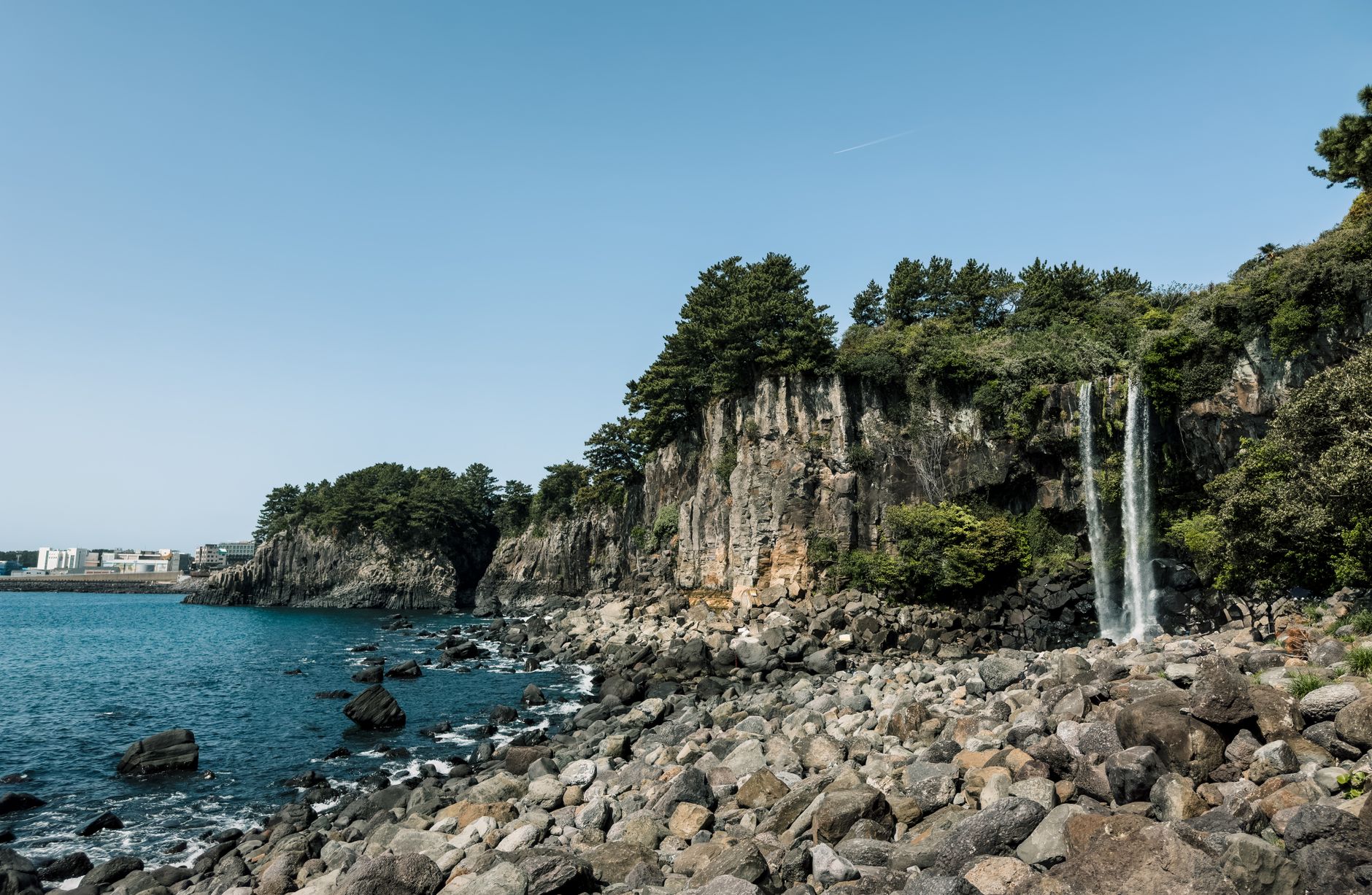
On your first Jeju day, keep it light: check in, walk a coastal path, visit Dongmun Market, or choose a nearby beach. Day eight can focus on the east: Seongsan Ilchulbong, Udo Island if weather allows, Seopjikoji, and cafe stops along the coast. Day nine can focus on the south: Jeongbang Waterfall, Cheonjiyeon Waterfall, Oedolgae, and Seogwipo food. If hiking Hallasan is a priority, give it a full day and drop other activities instead of pretending it fits as a quick add-on.
Day 10: Buffer, Shopping, or Departure
Your final day depends on flight logistics. If you depart internationally from Incheon, fly back from Jeju the evening before or early on day ten with a generous buffer. Domestic flights are frequent, but weather and delays can happen. If your schedule allows, use the final hours in Seoul for last-minute shopping in Myeongdong, Hongdae, or a department-store food hall.
Transport Tips for a Smoother Korea Trip
Book KTX seats in advance for popular travel periods, especially weekends and holidays. For city navigation, Naver Map and KakaoMap are more reliable than Google Maps in Korea. For translation, Papago is often the most practical day-to-day app. For tours and tickets, Klook and GetYourGuide can simplify bookings. For the actual itinerary structure, use a dedicated planning tool. A Thailand itinerary for 10 days helps you see whether your day is geographically sensible before you commit.
How to Personalize This Itinerary With Travo
This South Korea 10 day itinerary is designed as a strong starting point, but the best version depends on you. Food travelers may want more markets and restaurant neighborhoods. Families may need shorter days and easier transit. Solo travelers may care more about safe evening routes and social neighborhoods. Couples might want boutique hotels, scenic cafes, and slower coastal time.
That is where Travo fits naturally. Instead of copying a generic route, you can ask Travo to build a Korea plan around your dates, budget, pace, interests, and must-see stops. It can group attractions by area, suggest a realistic order, and help you adjust when weather, jet lag, or a last-minute food recommendation changes the plan.
Final Thoughts
Ten days in South Korea is enough for a memorable first trip if you keep the route focused. Spend real time in Seoul, give Busan at least two days, and treat Jeju as a nature-focused finale rather than a rushed checkbox. Plan by neighborhoods, protect your transit buffers, and leave room for meals and discoveries. With a clear structure and the right planning tools, Korea becomes much easier to enjoy in the moment.
Related Reading
- Japan Itinerary: 14 Days for First-Time Visitors
- Multi-City Trip Planner: How to Build a Smarter Route
- Thailand Itinerary: 10 Days in Bangkok, Chiang Mai, and Phuket
- AI Itinerary Generator: Build a Trip in Minutes
- Japan Itinerary 3 Weeks: The Ultimate 21-Day Route
- Vietnam Itinerary 10 Days: Hanoi, Hoi An and Ho Chi Minh City