
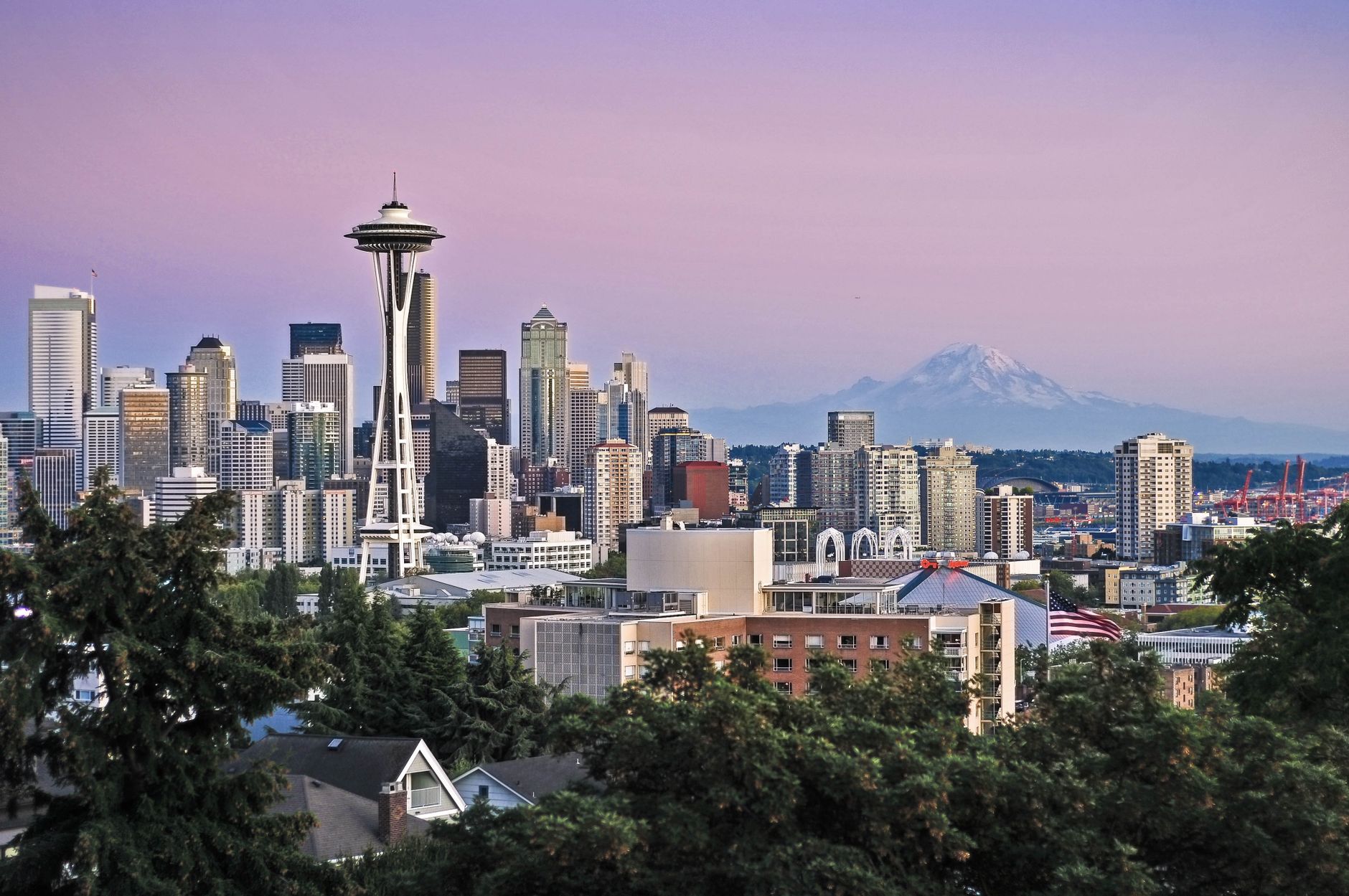
Three days in Seattle is enough for Pike Place Market, the new waterfront, the Space Needle, a ferry ride across Puget Sound and a couple of neighborhoods with their own character. Seattle is compact in the center, but its best views and neighborhoods are spread out around hills and water. Grouping sights by area is what keeps three days relaxed instead of rushed.
This Seattle itinerary for 3 days is built for a first visit at a steady pace, without a car. It puts the one timed booking first, keeps each day in one part of the city and gives you indoor swaps for the rain. If you want the same plan shaped around your own hotel, dates and interests, you can build a custom Seattle itinerary in Travo.
Seattle itinerary at a glance
- Day 1: Pike Place Market, Waterfront Park and Pioneer Square.
- Day 2: Monorail to Seattle Center, the Space Needle and Chihuly Garden and Glass, then the Ballard Locks and Kerry Park.
- Day 3: Ferry to Bainbridge Island, then Capitol Hill or Fremont.
Day 1 stays downtown on foot, Day 2 moves north of downtown, and Day 3 gets you out on the water. For the general rules behind this kind of plan, see our guide to planning a short city break.
Before you go: book the Space Needle, keep the rest flexible
The Space Needle is the main timed booking on this route. Arrival times are set in 15-minute windows from opening to close, and a Space Needle plus Chihuly Garden and Glass combination ticket lets you pick a Space Needle time and visit Chihuly any time on the same day. Check hours and prices on the Space Needle visit page; they change by day of the week.
On a clear day, views from the top are much better, and you may see Mount Rainier. If the forecast is grey, book for Day 2 anyway and keep Kerry Park as your second chance for a skyline view. Everything else on this route works without a booking, so you can move days around to match the weather.
Day 1: Pike Place Market, the waterfront and Pioneer Square
Morning: Pike Place Market
Start at Pike Place Market, at 85 Pike Street. The market opened in August 1907 and today covers a 9-acre historic district of produce stalls, fish counters, small shops and places to eat. Go early, before the busiest hours, and walk the lower levels as well as the main arcade. The market's site has a "See Who's Open" page for current hours of individual shops.
Have breakfast or an early lunch here. With so many stalls, grazing a little at a few places works better than one big sit-down meal.
Midday: Waterfront Park
From the market, take the Overlook Walk down to the waterfront. It connects Pike Place Market to Waterfront Park, about 20 acres of rebuilt shoreline that opened in September 2025. Walk south along the promenade past the piers and look out over Elliott Bay. The Seattle Aquarium is on this stretch if you want an indoor stop, especially on a rainy day.
Afternoon: Pioneer Square
Keep walking south to Pioneer Square, Seattle's oldest neighborhood, with brick buildings and small galleries. Stop at the Seattle unit of Klondike Gold Rush National Historical Park at 319 Second Avenue South, on the corner of Jackson Street. The National Park Service says no entrance pass is needed. It tells the story of how Seattle grew as the jumping-off point for the 1890s gold rush. Check the park's current hours on the NPS site before you go.
Finish with dinner downtown or back near the market. If you are not tired, an evening walk along the waterfront is a good way to end the first day.
Day 2: Seattle Center, the Ballard Locks and Kerry Park
Morning: Monorail to the Space Needle
Ride the Seattle Center Monorail from Westlake Center downtown. The Monorail has run since 1962, and the trip to Seattle Center takes about two minutes. It is a fun ride and saves you a walk.
The Space Needle opened on April 21, 1962, the first day of that year's World's Fair. At the top, step onto the Loupe, which the Space Needle calls the world's first rotating glass floor. Plan about an hour, then walk next door to Chihuly Garden and Glass. Its eight galleries, Glasshouse and garden show Dale Chihuly's glass art, and the venue says most visitors spend one to two hours there. Daily glassblowing demonstrations start at 11 a.m.
If you like music and pop culture more than glass art, swap Chihuly for the Museum of Pop Culture (MoPOP), also at Seattle Center.
Afternoon: the Ballard Locks
Take a bus or rideshare north to the Hiram M. Chittenden Locks, better known as the Ballard Locks. Run by the U.S. Army Corps of Engineers, the locks move boats between Puget Sound and the lakes, and you can watch them go up and down from the walkways. The site also has a botanical garden, a visitor center and a fish ladder with underwater viewing windows. Visit Seattle says salmon can be seen at any time of year, but the peak is from July to September.
Walk into the Ballard neighborhood afterwards for coffee, breweries or an early dinner.
Sunset: Kerry Park
End the day at Kerry Park on Queen Anne Hill. Seattle Parks and Recreation describes its view over Elliott Bay and downtown, with Mount Rainier in the background on clear days. It is a small park and it gets busy at sunset, so arrive a little early. At night, the lit-up Space Needle makes it one of the best photo spots in the city.
Day 3: Bainbridge Island ferry, then Capitol Hill or Fremont
Morning: ferry to Bainbridge Island
Walk to Colman Dock on the downtown waterfront and take the Washington State Ferries boat to Bainbridge Island. The crossing takes about 35 minutes, and you get wide views of the skyline, Puget Sound and, on clear days, the mountains. You do not need a car: walk on with a ticket bought online or at the terminal. WSDOT asks walk-on passengers to be aboard at least five minutes before the sailing. Check the current schedule on the Washington State Ferries site, as sailing times change by season.
On the island, walk from the ferry terminal into the small town of Winslow for coffee, lunch and a look at the shops, then take a ferry back. This is an easy half day and a good choice even if it rains, because the boat has indoor seating.
Afternoon: Capitol Hill or Fremont
Choose one neighborhood for your last afternoon:
- Capitol Hill: cafes, bookshops, bars and restaurants, plus Volunteer Park at the north end. A good pick if you want a lively last evening.
- Fremont: a quirky, relaxed neighborhood known for its public art, including the Fremont Troll under the Aurora Bridge. A good pick if you want a slower afternoon.
Have your last dinner in the neighborhood you choose, so you are not crossing town at the end of the day.
If you only have half a day on Day 1 or Day 3
For a late arrival, keep Pike Place Market and the waterfront and move Pioneer Square to another day. For an early departure, do the Bainbridge ferry in the morning and skip the neighborhood afternoon. From Seattle-Tacoma International Airport (SEA), take the Link light rail 1 Line from SeaTac/Airport Station. Sound Transit says the ride to downtown Seattle takes about 38 minutes, and you can pay by tapping a credit or debit card before you board.
The same idea, one anchor per day and an optional block, runs through our 3-day San Francisco itinerary and our 3-day Boston itinerary.
Where to stay and how to get around
Downtown, near Pike Place Market and Westlake Center, is the easiest base for a first visit: you can walk to the market, the waterfront, the ferry and the Monorail, and the airport train stops nearby. Belltown, just north, is close to both the market and Seattle Center. Capitol Hill is great for food and nightlife but means more uphill walks and short train rides.
You do not need a car for this route. Walk downtown, use the Monorail for Seattle Center, buses or a rideshare for Ballard, Fremont and Kerry Park, and the ferry for Bainbridge. Seattle is hilly in places, so wear comfortable shoes.
Weather and seasonal tips
Seattle is known for grey, damp days, especially from fall to spring, so pack a rain jacket whatever the season. Light rain rarely stops the plan; just move the indoor stops (the Seattle Aquarium, Chihuly, MoPOP) to the wettest day.
- Summer: The best chance of clear skies and mountain views. Book the Space Needle ahead and visit the Ballard Locks for the salmon season.
- Spring and fall: Fewer crowds, mixed weather. Keep one flexible block for whichever afternoon is dry.
- Winter: Short days. Do the outdoor sights and the ferry ride in daylight, and save museums for late afternoon.
Budget tips
Many stops on this route are free: walking Pike Place Market, Waterfront Park, Pioneer Square, the Klondike Gold Rush park, the Ballard Locks walkways and Kerry Park. Your main costs will be the Space Needle, one museum, the ferry and food. If you want both the Space Needle and Chihuly, compare the combination ticket with buying them separately.
Is 3 days in Seattle enough?
Yes, for a first visit focused on the city. Three days covers the market, the waterfront, Seattle Center, a ferry ride and a few neighborhoods without rushing. It is not enough to also add Mount Rainier or the Olympic Peninsula, which each need at least a full day. If you want those, add a day or two to the trip.
Plan your Seattle trip in Travo
Travo is an AI trip planner for iOS and Android. Tell it your dates, where you are staying and what you want to see, and it builds a day-by-day itinerary you can change. Add your Space Needle time first, then let it fill in the rest of the day around it. Before you go, check opening hours and ferry times on the official sites linked above.
The free plan includes 2 trips and 2 AI itineraries. Premium costs $2.99 a month or $24.99 a year in the US (€3.09 or €25.99 in the eurozone) and adds unlimited trips and AI itineraries.
Get Travo: Download on the App Store or get it on Google Play.
Customize this 3-day Seattle itinerary