
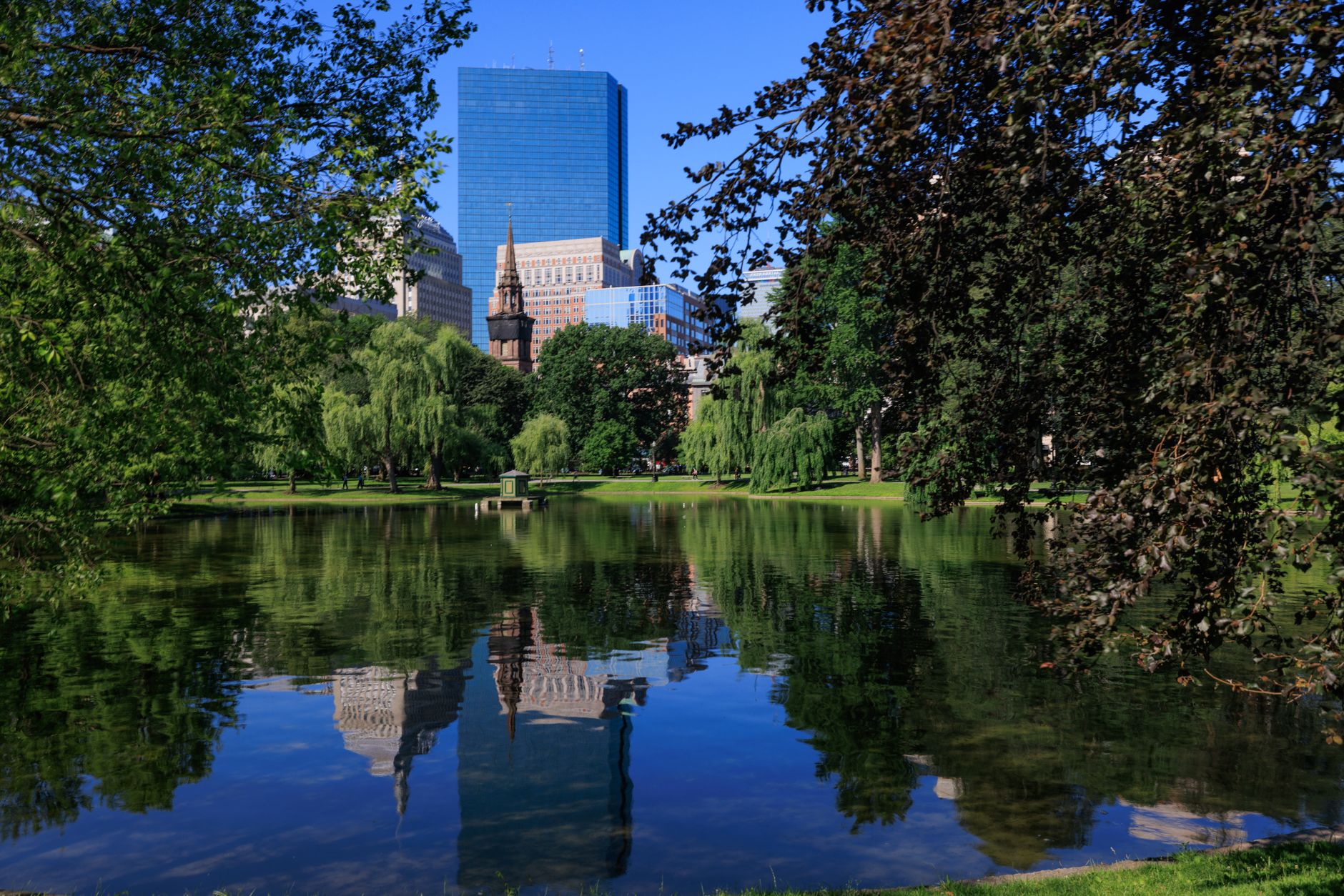
Three days in Boston is enough for revolutionary history, distinctive neighborhoods, a major museum, Cambridge, and the waterfront—if you group sights geographically. Reserve only one or two fixed-time experiences and leave room for Boston's changeable coastal weather.
This Boston itinerary for 3 days is built for a first visit at an active but realistic pace. It avoids a car, keeps long walks purposeful, and offers swaps for families, sports fans, and rainy days. To adapt it around your hotel, arrival time, interests, and energy level, use Travo to create a personalized day-by-day version.
Boston itinerary at a glance
- Day 1: Boston Common, the Freedom Trail, the North End, and Charlestown.
- Day 2: Back Bay, Copley Square, one Fenway museum, and the Charles River.
- Day 3: Cambridge, the harbor, and either the Seaport or a weather-proof attraction.
The route separates the historic core, Back Bay–Fenway, and Cambridge to reduce transit. For scheduling principles, see this guide to planning a short city break.
Before you arrive: book the anchors, not every hour
Choose your priority museum or tour before filling the rest of the plan. Timed admission can matter at the Isabella Stewart Gardner Museum, popular Freedom Trail tours, Fenway Park tours, and seasonal cruises. Confirm hours on official sites, because museum closing days, game schedules, ferry service, and winter hours can alter the best sequence.
The official Freedom Trail is a 2.5-mile route connecting 16 historic sites. Walking the red line is free, but some interiors charge admission and deserve more than a quick photo. Decide whether you want a guided overview or a slower self-guided walk with two or three paid entries. That choice determines whether Day 1 feels engaging or overloaded.
Day 1: Freedom Trail, North End, and Charlestown
Morning: Boston Common to Faneuil Hall
Begin around 9 a.m. at Boston Common, then cross into the Public Garden before joining the Freedom Trail near the visitor center. Follow the red-brick line past the Massachusetts State House, Granary Burying Ground, King's Chapel, Old South Meeting House, and the Old State House. The City of Boston lists the Freedom Trail as a self-guided route through 16 historic sites, so you can move at your own pace rather than treating every stop as mandatory.
Allow about three hours to reach Faneuil Hall if you enter a few sites. Otherwise, choose one interior and use the street-level route as an introduction to downtown. Quincy Market is convenient, but the North End offers more lunch choices.
Afternoon: North End to the Navy Yard
Continue to Paul Revere House, Old North Church, and Copp's Hill. Then choose between crossing into Charlestown for USS Constitution and Bunker Hill Monument or ending the formal trail in the North End. The full version adds distance and can occupy most of the afternoon; the shorter version leaves time for the Rose Kennedy Greenway or harborfront.
Return toward downtown by foot or ferry when service fits. Finish with dinner in the North End, but do not build the day around one famous pastry queue. The neighborhood is more rewarding when you leave time to wander Hanover and Salem Streets and choose what looks good.
Day 2: Back Bay, art, and Fenway
Morning: Beacon Hill, Public Garden, and Copley Square
Start with Beacon Hill before its narrow sidewalks become busy. Walk Charles Street, admire the brick streets without blocking residents, then continue through the Public Garden toward Back Bay. At Copley Square, visit the Boston Public Library's central building and courtyard, then look across to Trinity Church. This compact sequence gives you architecture and public space without a reservation.
Afternoon: choose one museum
Take the Green Line or walk toward Fenway and choose either the Museum of Fine Arts for a broad collection or the Isabella Stewart Gardner Museum for a smaller, atmospheric experience. Trying to do both properly in one afternoon turns the day into a museum sprint. Reserve at least two hours for your choice and check its current closing day before assigning this itinerary to a weekday.
Afterward, baseball fans can tour Fenway Park or attend a game. Everyone else can explore the Fenway neighborhood, walk part of the Emerald Necklace, or return toward the Charles River Esplanade. A sunset stroll along the river is a useful flexible block: shorten it if the museum runs long, or extend it when the weather is clear.
For another example of organizing a dense city by area instead of attraction ranking, compare this neighborhood-based New York itinerary.
Day 3: Cambridge and Boston Harbor
Morning: Harvard Square and the river
Take the Red Line to Harvard Square. Walk Harvard Yard where access is permitted, browse the surrounding streets, and choose a campus museum only if it matches your interests. Then continue toward MIT by subway, bus, or a walk along Massachusetts Avenue. This is not a checklist of two universities; it is a contrasting morning of bookshops, campus architecture, and views across the Charles.
Afternoon: waterfront or rainy-day plan
Return to Boston for one harbor-focused experience. In good weather, walk from Long Wharf along the waterfront toward the Seaport, take a harbor cruise, or visit the Boston Harbor Islands when seasonal service is operating. In poor weather, choose the New England Aquarium or Boston Tea Party Ships & Museum instead. Avoid promising yourself a whale watch and several indoor attractions on the same afternoon; cruises consume a large block and can be weather-dependent.
Use the final evening for the neighborhood you most want to revisit. The Seaport works for modern waterfront views, the South End for a slower dinner, and Back Bay for an easy final walk. Travo can rebuild this third day around the forecast and your departure point rather than forcing a fixed route.
If Day 1 or Day 3 is only a half-day
For a late arrival, keep Boston Common, the downtown half of the Freedom Trail, and the North End; move Charlestown to Day 3 or skip it. For an early departure, use Day 3 only for Cambridge or the harbor, not both. Travelers arriving at Logan can reach central Boston by public transport, but should still allow buffer time for luggage, transfers, and hotel check-in.
This turns a wish list into a usable weekend plan. A similar pacing method appears in this three-day Amsterdam itinerary: protect one anchor, cluster nearby stops, and keep an optional block.
Where to stay and how to get around
Downtown and Beacon Hill are best for immediate Freedom Trail access. Back Bay offers strong transit connections, dining, and a more central position between downtown and Fenway. The North End is atmospheric but can be busy and less convenient with luggage. Cambridge is appealing for repeat visitors, though first-timers will cross the river more often.
You do not need a car for this route. Boston's core is walkable, and the MBTA subway—the T—connects Back Bay, Fenway, Cambridge, downtown, and the airport network. Check current fares and service alerts directly with the MBTA; do not rely on an old blog's pass price. Wear comfortable shoes on brick and cobblestones.
Budget and seasonal adjustments
Boston Common, Public Garden, Harvard Square, and many waterfront walks cost nothing. Museums, historic interiors, stadium tours, and cruises are the major variable expenses. Budget for one paid anchor, meals, transit, and a contingency.
- Spring: Carry layers and a rain shell; gardens improve, but harbor weather can stay cold.
- Summer: Reserve popular tours, start outdoor walks early, and add water breaks.
- Fall: Expect strong weekend demand and excellent walking weather.
- Winter: Shorten outdoor stretches and use museums, libraries, and historic interiors as warm-up points.
Use planning tools without outsourcing judgment
Use Google Maps or Apple Maps for current walking and transit directions, and verify MBTA alerts on the day. Wanderlog can help organize saved places, while Roadtrippers is more relevant if Boston begins or ends a larger New England drive. None of these checks replaces confirming an attraction's official hours.
For the itinerary itself, tell Travo your dates, hotel area, must-see places, walking tolerance, and interests. Then review the proposed route against live opening hours and reservations. AI is most useful for arranging constraints and alternatives; final operating information should come from the venue or transit operator.
Is three days in Boston enough?
Yes for a first visit focused on the historic center, one museum district, Cambridge, and the waterfront. Three days is not enough for all of those plus Salem, Cape Cod, Lexington and Concord, and a full sports schedule. Add a fourth day for one day trip rather than sacrificing the city itself. The best three-day plan feels selective, not incomplete.