
A well-paced Japan itinerary for 10 days can cover Tokyo, Kyoto, Nara and Osaka without turning every morning into a checkout. The route below is designed for a first visit: four nights in Tokyo, three in Kyoto and two in Osaka, with an open-jaw flight home from Kansai International Airport when possible. It balances famous sights with realistic transit, meals and recovery time.
Use this plan as a framework rather than a checklist. Your arrival time, season and interests should decide which stops stay. Travo can adapt it to your dates, interests and pace.
10-Day Japan Route at a Glance
- Days 1–4: Tokyo — arrival, east and west Tokyo, then one flexible neighborhood or day-trip day.
- Days 5–7: Kyoto — Higashiyama, Fushimi Inari, Arashiyama and an optional Nara visit.
- Days 8–9: Osaka — markets, castle grounds, retro districts and a food-focused evening.
- Day 10: Departure — leave from Osaka if possible, or reserve enough time to return to Tokyo.
This classic east-to-west route avoids backtracking. Flying into Tokyo and out of Osaka is the cleanest version. If a Tokyo round trip is much cheaper, move to Kyoto on day four instead and return to Tokyo on day nine so the final morning is not exposed to a long rail delay.
Before Day 1: Make the Route Easier
Book hotels near useful stations. Shinjuku, Shibuya, Ueno and Tokyo Station work as Tokyo bases for different budgets. In Kyoto, choose downtown for evening options or Kyoto Station for easy transfers. Namba is a practical Osaka base.
Use a Suica, Pasmo or ICOCA card for local transport; it does not replace a long-distance Shinkansen ticket. Google Maps and Japan Travel by NAVITIME help with platforms and transfers, while Wanderlog can hold reservations. For more setup detail, read how to plan a trip to Japan.
Day 1: Arrive in Tokyo and Stay Local
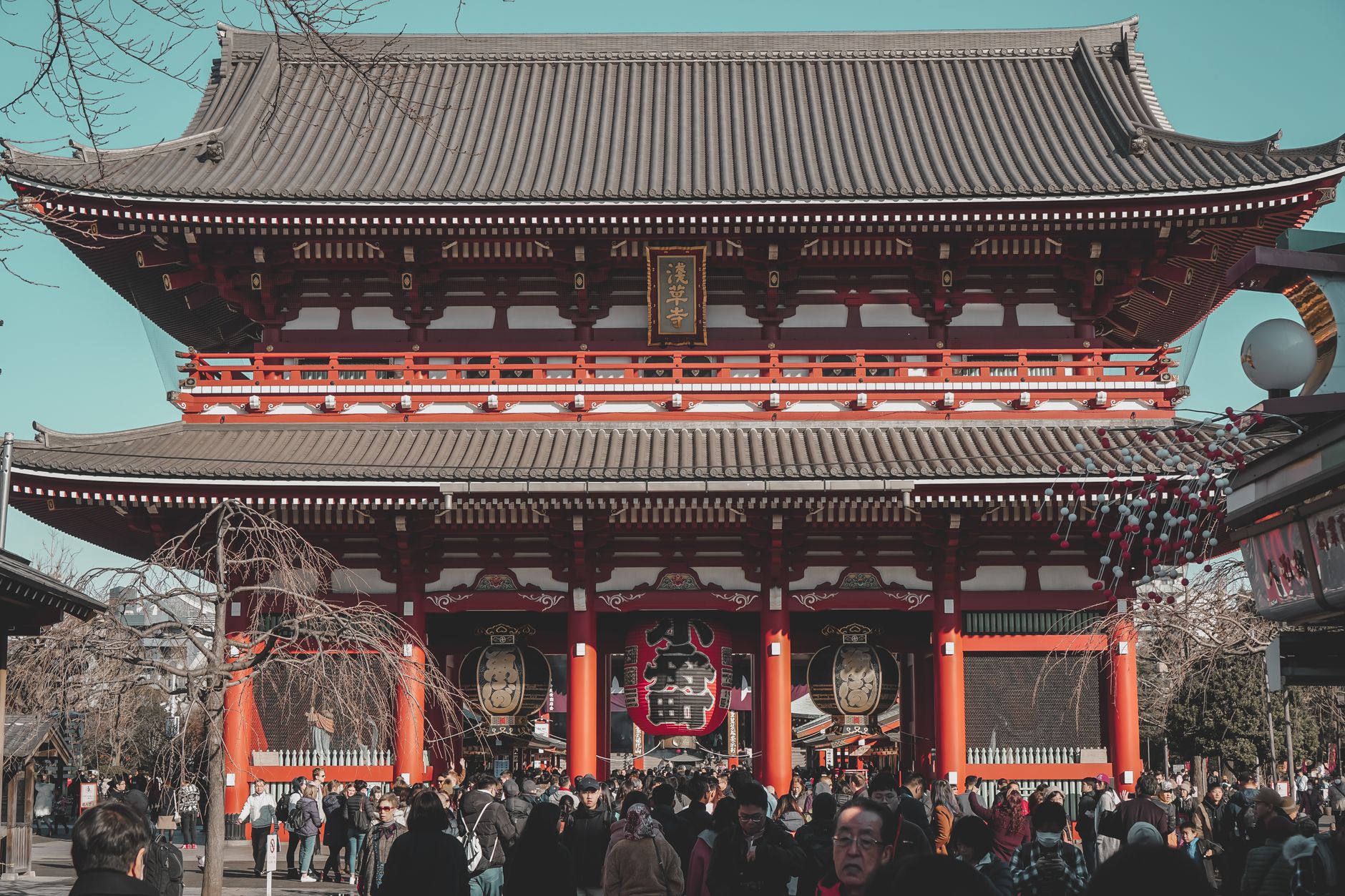
Do not schedule a cross-city sightseeing sprint after a long flight. Check in, load your IC card, learn the nearest station and explore your hotel neighborhood. From Shinjuku, choose the Metropolitan Government Building view and a simple dinner around Omoide Yokocho. From Ueno or Asakusa, take a quiet Sumida River walk and see Senso-ji after the daytime crowds thin.
Aim for a reasonable local bedtime. Save one restaurant and one short walk, then stop when your energy drops.
Day 2: Traditional East Tokyo, Then Modern Shibuya
Start early at Senso-ji in Asakusa, continue to Ueno Park or the Tokyo National Museum, and eat lunch nearby. After a rest, cross to the west side for Meiji Jingu, Harajuku and Shibuya. Reserve Shibuya Sky in advance if a skyline view matters, and time the visit around sunset only if you are comfortable with peak demand.
This is the itinerary's busiest Tokyo day, but the route still has logic: sights are grouped into an eastern morning and western afternoon. If museums are your priority, drop Harajuku rather than rushing both sides. Our seven-day Tokyo itinerary offers alternatives if you want to trade headline sights for deeper neighborhood time.
Day 3: Choose One Version of Tokyo
Make this day personal. Food travelers can combine Tsukiji's outer market, Ginza and an evening izakaya area. Design and shopping fans can use Daikanyama, Nakameguro and Shibuya. Families might build the day around Odaiba or a reserved museum. Anime and electronics fans can pair Akihabara with Kanda or Jimbocho.
Limit the day to two adjacent areas and one evening destination. That leaves time for queues, navigation and unplanned discoveries.
Day 4: Flex Day or One Day Trip
Keep day four as a buffer, or choose one day trip: Kamakura for temples and coast, Nikko for shrines and forest, or Hakone for onsen. If Mount Fuji views matter, check the forecast close to the day.
Day 5: Shinkansen to Kyoto and Gion
Send large luggage ahead or pack lightly for the train. Take a morning Tokaido Shinkansen from Tokyo to Kyoto, store bags if the room is not ready, then keep the afternoon compact. Walk Nishiki Market while stalls are open, continue toward Yasaka Shrine and explore Gion and Higashiyama around dusk.
Keep a transfer day to one district. Book the long-distance train early for blossom weeks, autumn foliage, Golden Week and year-end holidays. Check current rules if you carry oversized baggage.
Day 6: Fushimi Inari and Eastern Kyoto
Reach Fushimi Inari early and walk beyond the busiest lower gates. You do not need to complete the full mountain loop to enjoy the shrine. Continue to Kiyomizu-dera, then walk downhill through Sannenzaka and Ninenzaka. Finish with Maruyama Park, Yasaka Shrine or a quiet tea stop rather than crossing Kyoto for another checklist item.
Kyoto's buses and narrow streets make travel slower than the map suggests. Two connected zones are enough for a satisfying day. Respect signs around private streets and homes, and avoid treating working neighborhoods as photo sets.
Day 7: Arashiyama or Nara—Pick One Priority
For landscapes, start early at Arashiyama, visit Tenryu-ji and continue beyond the bamboo path to quieter streets or a riverside walk. For history and an easy change of city, take the train to Nara for Todai-ji, Nara Park and the old Naramachi area. Trying to combine a full Arashiyama morning with Nara creates a long, shallow day.
If both are essential, use Nara as a stop while moving to Osaka on day eight and forward your main luggage. This is where a multi-city trip planning method prevents repeated hotel and station detours.
Day 8: Move to Osaka and Eat Your Way Through Namba
Take a local train from Kyoto to Osaka and leave bags at the hotel. Spend the afternoon around Osaka Castle Park or the Museum of Housing and Living, then head south for Kuromon Market, Hozenji Yokocho and Dotonbori. Sample takoyaki or okonomiyaki, but choose busy stalls with good turnover rather than buying every snack on one street.
Osaka deserves more than a late-night photo stop. Enjoy its louder streets, casual food and easy-going evening culture.
Day 9: Osaka by Interest
Choose one theme. Pair Osaka Castle's grounds with the Museum of History, devote the day to Universal Studios Japan, or explore Shinsekai and Tenma for food. If you skipped Nara, visit from Osaka.
Pack that evening and confirm the airport route. Kansai Airport is not in central Osaka, so work backward from the airline's check-in guidance and your chosen train or bus.
Day 10: Departure Without a Last-Minute Gamble
Use the final morning only for something close to the hotel: breakfast, a neighborhood walk or shopping near Namba. Leave a generous airport buffer. If you must return to Tokyo, do it on day nine and sleep near a convenient airport connection rather than relying on a same-day cross-country transfer before an international flight.
Should You Buy a JR Pass?
Do not buy a national rail pass automatically. For an open-jaw Tokyo–Kyoto–Osaka route, individual tickets are often cheaper. A pass becomes more competitive with return journeys or distant side trips. Price your exact legs on official operator sites before buying.
Regional passes may help with several Kansai day trips, but convenience is not the same as savings. Compare total fares and check whether private railways are covered.
Booking Priorities and Seasonal Adjustments
- Book first: flights, Tokyo and Kyoto hotels, limited-entry museums, theme parks and special restaurants.
- Spring and autumn: reserve earlier, start Kyoto mornings sooner and keep a flexible half-day for crowds.
- Summer: reduce exposed afternoon walking, schedule indoor breaks and carry water.
- Winter: use shorter daylight carefully, but enjoy clearer air and often lighter crowds outside holiday periods.
- Every season: recheck opening days, transport notices and weather before locking each day.
Japan welcomed record visitor demand in 2025, so famous corridors can feel busy even outside traditional peaks. The answer is not adding more reservations; it is deciding what matters, grouping nearby stops and protecting recovery time.
Make This 10-Day Japan Itinerary Yours
Replace places instead of adding them. A food-focused traveler may cut one landmark for a market tour. A slower traveler can drop Nara and keep four nights in Kyoto. Families may need one major attraction per day, while repeat visitors can exchange central Tokyo for a quieter neighborhood.
Enter your dates, interests, pace and must-see stops in Travo to turn this route into a practical personalized plan. Then verify time-sensitive details with official transport and attraction sources. The result should guide the trip without making every hour feel mandatory.