About Ilmin Museum of Art
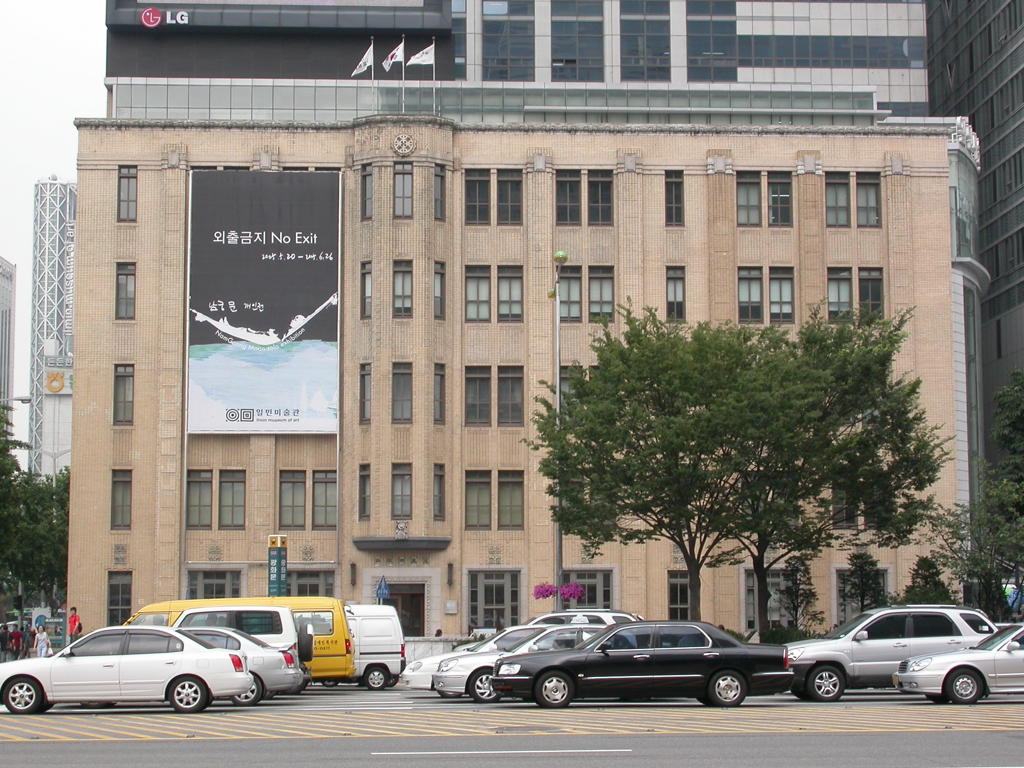
The Ilmin Museum of Art stands as a striking blend of modernity and history. Housed in a former newspaper building from the 1920s, its red-brick façade and arched windows evoke a sense of Seoul’s colonial past. Inside, the museum’s minimalist design contrasts with the building’s historic exterior, creating a space where contemporary art meets the echoes of history. The museum’s location on Sejong-daero places it at the heart of Seoul, surrounded by iconic landmarks like Gwanghwamun Square and Gyeongbokgung Palace.
Originally the headquarters of the Dong-A Ilbo, one of Korea’s oldest newspapers, the building was transformed into a museum in 1996. Named after Ilmin Kim Sang-man, a former publisher of the newspaper, the museum was established to promote contemporary art and preserve Korea’s cultural heritage. The juxtaposition of its historic architecture and modern exhibitions reflects the dynamic evolution of Seoul itself, a city where tradition and innovation coexist.
Artistic Vision and Exhibitions
The museum’s galleries feature a rotating selection of contemporary art, photography, and multimedia installations. The works often explore themes of identity, history, and social change, resonating with the museum’s mission to foster dialogue between the past and the present. Visitors can see how Korean and international artists interpret modern life, with exhibits that range from abstract paintings to thought-provoking video art. The museum’s commitment to showcasing emerging artists ensures a fresh and dynamic experience with every visit.
Plan your perfect trip to Seoul with Travo! Download now and start exploring.


Architectural Harmony
The building itself is a work of art. The preserved red-brick exterior, with its arched windows and decorative details, speaks to its origins in the early 20th century. Inside, the sleek, modern design of the galleries provides a neutral backdrop that allows the art to take center stage. The contrast between the old and the new mirrors the museum’s mission to bridge historical and contemporary perspectives, making the space as much a part of the experience as the exhibitions it houses.
Historical Context
The building’s history as the former home of the Dong-A Ilbo newspaper adds a layer of significance to the museum. During Korea’s colonial period under Japanese rule, the newspaper played a crucial role in promoting Korean independence and cultural identity. This legacy of resistance and resilience is subtly woven into the museum’s identity, making it a place of both artistic and historical reflection.
Details That Speak
Pay attention to the small details throughout the museum. The original architectural elements, such as the brickwork and window frames, have been carefully preserved, offering a glimpse into the building’s past. The contemporary art pieces often interact with the space, creating a dialogue between the old and the new. Even the museum’s location, with its view of Gwanghwamun Gate and the surrounding cityscape, adds to the narrative of Seoul’s evolving identity.
Present-Day Significance
Today, the Ilmin Museum of Art serves as a cultural hub in the heart of Seoul. It attracts art enthusiasts, historians, and casual visitors alike, offering a space to reflect on the intersections of art, history, and society. The museum’s location near other cultural landmarks makes it a key stop for anyone exploring the city. Its exhibitions challenge visitors to think critically about the world around them, ensuring that the Ilmin Museum of Art remains a vital part of Seoul’s cultural landscape.
Map loading...
Location
152 Sejong-daero, 03187, Seoul