About Alexander Sergeevich Pushkin
A bronze statue of Alexander Sergeevich Pushkin stands tall, capturing the poet mid-thought. His coat flows as if caught by a breeze, and his hand gestures outward, as though addressing an unseen audience. The pedestal beneath him is inscribed with his name in both Russian and Korean, symbolizing the cultural bridge this monument represents. Surrounding the statue, a small garden offers a peaceful retreat amidst the bustling streets of Seoul, inviting visitors to pause and reflect.
Pushkin’s Global Influence
Alexander Pushkin, born in 1799, is often called the father of modern Russian literature. His works, including "Eugene Onegin" and "The Bronze Horseman," shaped Russian language and culture. This statue in Seoul highlights his global reach, showing how his poetry transcends borders. Installed in 1999 to mark the bicentennial of his birth, it celebrates the shared appreciation of literature between Russia and South Korea.
Plan your perfect trip to Seoul with Travo! Download now and start exploring.


Pushkin’s Life and Legacy
Pushkin’s life was as dramatic as his works. Born into nobility, he was exiled for his political views and later died in a duel at just 37. Despite his short life, his influence endures. His themes of love, freedom, and human struggle resonate universally, making him a fitting figure to be honored in a city like Seoul, where tradition and modernity coexist.
Artistic Details
The statue captures Pushkin’s essence as a poet and thinker. His expressive pose suggests a moment of inspiration, while the flowing lines of his coat add a sense of movement. The bronze material gives the statue a timeless quality, connecting the past to the present. The surrounding garden enhances the contemplative atmosphere, making it a space for literary and personal reflection.
Symbol of Cultural Exchange
This monument is more than a tribute to Pushkin; it’s a symbol of the cultural ties between Russia and South Korea. The dual-language inscriptions and the statue’s prominent location in Seoul’s Jung-gu district emphasize the shared respect for art and literature. It serves as a reminder of how creativity can unite people across different cultures and histories.
Present-Day Significance
In the heart of a modern metropolis, Pushkin’s statue offers a moment of quiet amidst the urban rush. Locals and tourists alike stop to admire the monument, read the inscriptions, or simply enjoy the garden. It’s a place where the timeless power of poetry meets the dynamic energy of Seoul, reminding visitors of the enduring relevance of Pushkin’s words and ideas.
Map loading...
Location
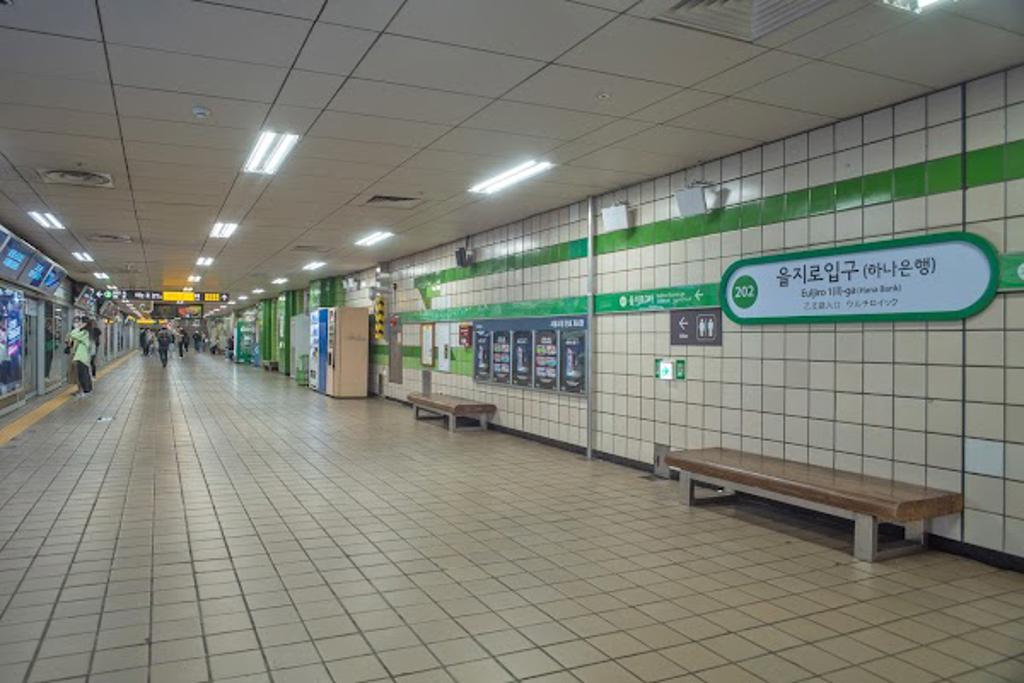
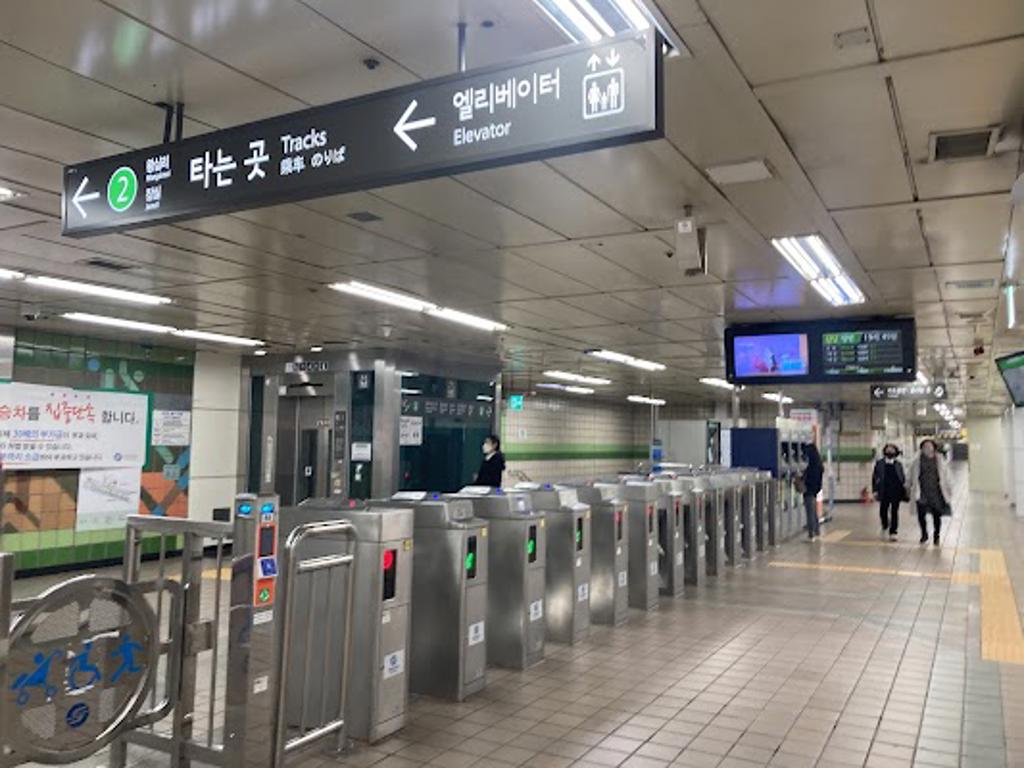
Eulji-ro, 04533, Seoul