About Rust en Vreugd
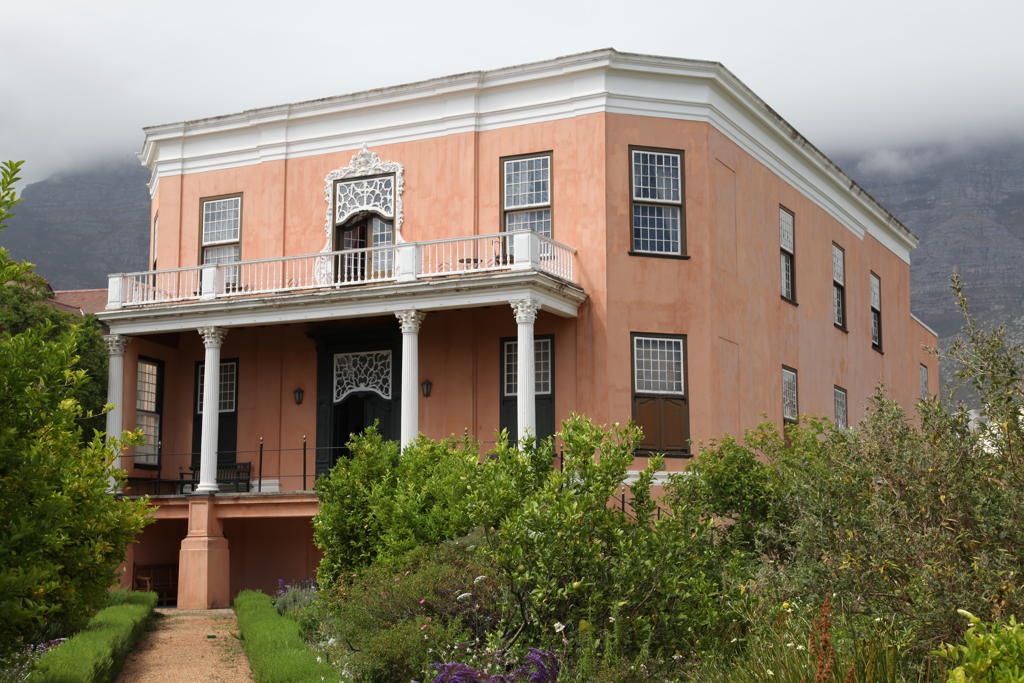
The Georgian-style architecture of Rust en Vreugd immediately captures attention with its symmetrical design, elegant gables, and large sash windows. Built in the late 18th century, this historic house is a rare example of urban Cape Dutch architecture in Cape Town. The building’s pale plastered walls and dark wooden shutters contrast beautifully, while the lush garden surrounding it adds a sense of tranquility to the bustling city outside.
Constructed in 1778 as a residence for Willem Cornelis Boers, a high-ranking official of the Dutch East India Company, Rust en Vreugd translates to "Rest and Joy." The house reflects the wealth and status of its original owner, with its refined design and spacious layout. Today, it stands as a testament to Cape Town’s colonial past, offering a glimpse into the lifestyle of the elite during the 18th century.
Historical Significance
Rust en Vreugd is more than just a beautiful building; it is a window into the history of Cape Town during the Dutch colonial period. The house was built during a time when the Cape was a vital refreshment station for ships traveling between Europe and the East. Its construction reflects the influence of Dutch architectural styles, adapted to the local climate and materials. Over the centuries, the house has served various purposes, including as a private residence, a government office, and now a museum.
Plan your perfect trip to Cape Town with Travo! Download now and start exploring.


Art and Collections
Inside, the house is home to an impressive collection of 18th and 19th-century art and artifacts. The walls are adorned with works by artists who captured the landscapes and people of the Cape during its early colonial days. The furniture, much of it original to the period, showcases the craftsmanship and design of the time. Visitors can also view rare maps and prints that provide insight into the Cape’s historical geography and cultural exchanges.
Architectural Details
The house’s design is a fine example of Cape Dutch architecture, with its symmetrical façade, central gable, and thatched roof. The large sash windows allow natural light to flood the interior, while the thick walls help regulate temperature, keeping the house cool in summer and warm in winter. The wooden floors and high ceilings add to the sense of elegance and space. Outside, the garden features indigenous plants and reflects the style of 18th-century Cape gardens, designed for both beauty and utility.
Living History
Rust en Vreugd is not just a preserved relic; it is a living piece of history. The museum hosts exhibitions, lectures, and events that connect the past to the present. Visitors can explore the house and its collections while learning about the social, economic, and cultural history of Cape Town. The building’s survival through centuries of change is a testament to its enduring significance and the efforts to preserve South Africa’s heritage.
Why It Matters Today
In modern Cape Town, Rust en Vreugd serves as a reminder of the city’s complex history. It offers a space for reflection on the colonial past and its impact on the present. The museum provides an opportunity to engage with the art, architecture, and stories of a bygone era, fostering a deeper understanding of the city’s cultural heritage. For locals and visitors alike, Rust en Vreugd is a place of learning, inspiration, and connection to the rich tapestry of South Africa’s history.
Map loading...
Location
78 Buitenkant Street, 8001, Cape Town