
About Collse Watermolen
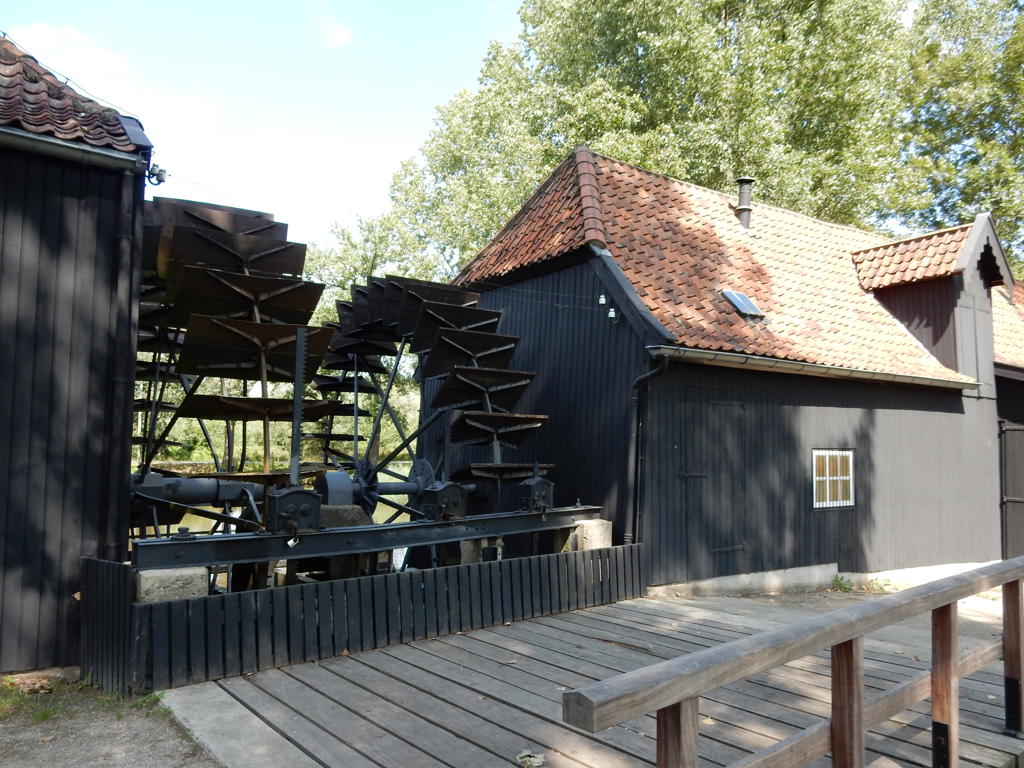
The watermill stands as a picturesque scene of Dutch rural life, with its two large wooden wheels turning slowly in the gentle flow of the Dommel River. The thatched roof and red-brick walls of the mill blend seamlessly with the surrounding greenery, creating a timeless image. The rhythmic sound of water cascading over the mill’s paddles fills the air, a reminder of its centuries-old function in grinding grain and supporting the local community.
This historic mill, known as the Collse Watermolen, dates back to the 13th century, though its current structure reflects renovations from the 17th century. It is one of the few remaining watermills in the Netherlands that still operates, preserving a vital piece of the region’s agricultural and industrial heritage. The mill gained international fame when Vincent van Gogh painted it in 1884 during his time in Nuenen, capturing its rustic charm and the interplay of light and shadow on its structure.
Van Gogh’s Connection
Vincent van Gogh immortalized the Collse Watermolen in his painting, showcasing its serene beauty and its role in the lives of local farmers. The mill appears in his work as a symbol of the hardworking rural community, a theme central to his early artistic focus. Standing here, it’s easy to imagine Van Gogh sketching the scene, inspired by the interplay of natural light and the mill’s sturdy form. His painting brought the mill to the attention of art lovers worldwide, linking this quiet corner of Eindhoven to the broader story of his artistic journey.
Plan your perfect trip to Eindhoven with Travo! Download now and start exploring.


Marks of Time
The mill’s wooden wheels and mechanisms bear the marks of centuries of use. The grooves in the millstones tell stories of countless grains ground into flour, sustaining the local population. The Dommel River, which powers the mill, has been a lifeline for the region, and its gentle flow continues to turn the wheels today. The restoration efforts in the 1970s ensured that the mill remains functional, preserving its historical significance and allowing visitors to witness its operation firsthand.
Details That Speak
Notice the intricate wooden gears inside the mill, a marvel of pre-industrial engineering. The craftsmanship of the mill’s construction reflects the ingenuity of its builders, who designed it to harness the power of water efficiently. The thatched roof, a traditional feature, not only adds to its charm but also serves as a practical solution for insulation and weather resistance. The millstones, still in use, connect the past to the present, grinding grain as they have for centuries.
Living History
Today, the Collse Watermolen is more than a historical artifact; it is a living piece of Eindhoven’s heritage. Local millers operate it regularly, demonstrating traditional milling techniques to visitors. The surrounding area, with its walking paths and lush greenery, invites exploration and reflection. The mill serves as a reminder of the region’s agricultural roots and the enduring relationship between people and nature.
Present-Day Significance
In modern Eindhoven, a city known for its innovation and technology, the Collse Watermolen stands as a counterpoint, celebrating tradition and history. It attracts visitors from around the world, drawn by its connection to Van Gogh and its role in preserving Dutch cultural heritage. The mill continues to inspire artists, historians, and nature lovers, offering a glimpse into a simpler, yet profoundly meaningful way of life.
Map loading...
Location
Collseweg, 5641 JN, Eindhoven
More Information
Nearby Places
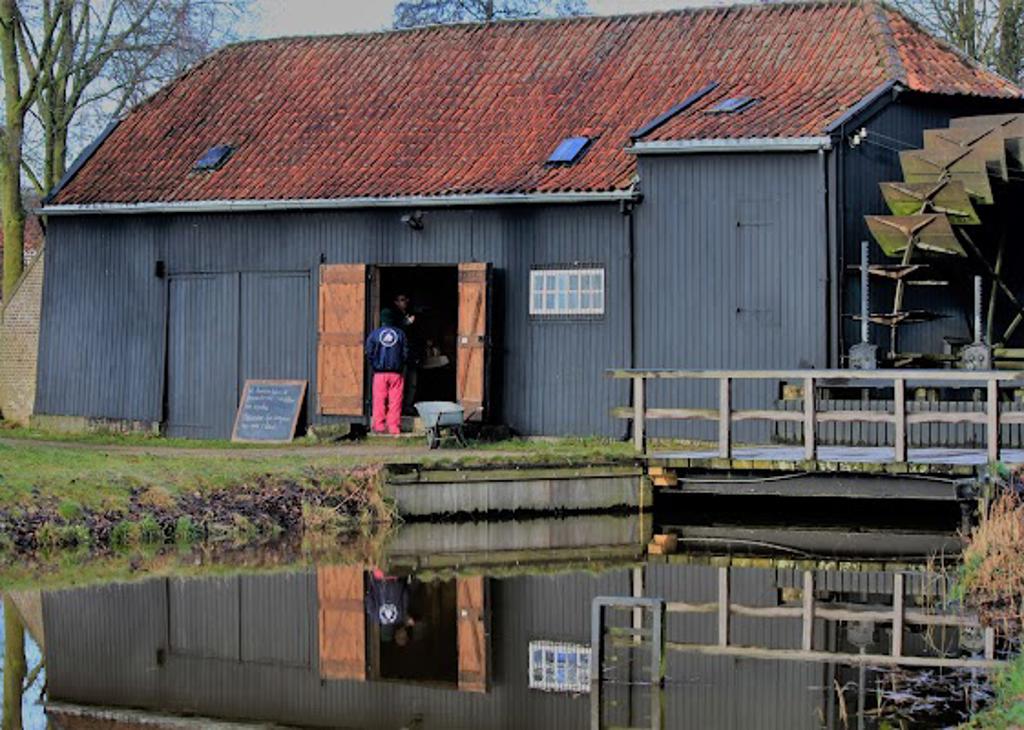
Collse watermolen
77m away
Collseweg, 5641 JN, Eindhoven
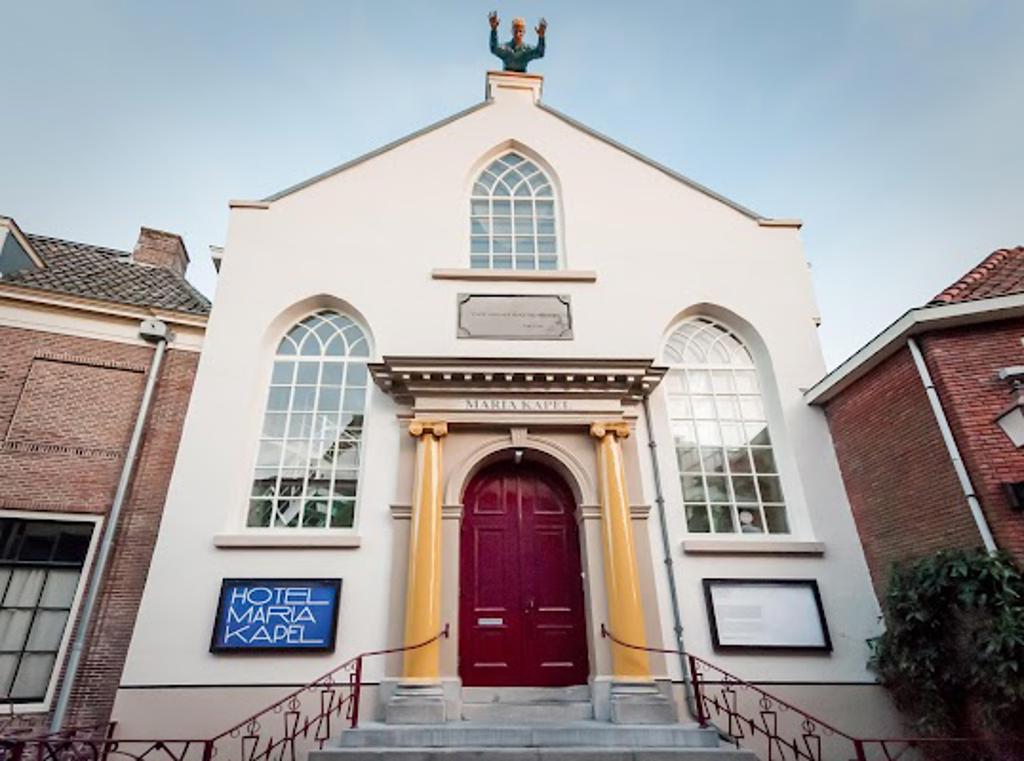
Mariakapel
684m away
Loostraat, 5641 JR, Eindhoven
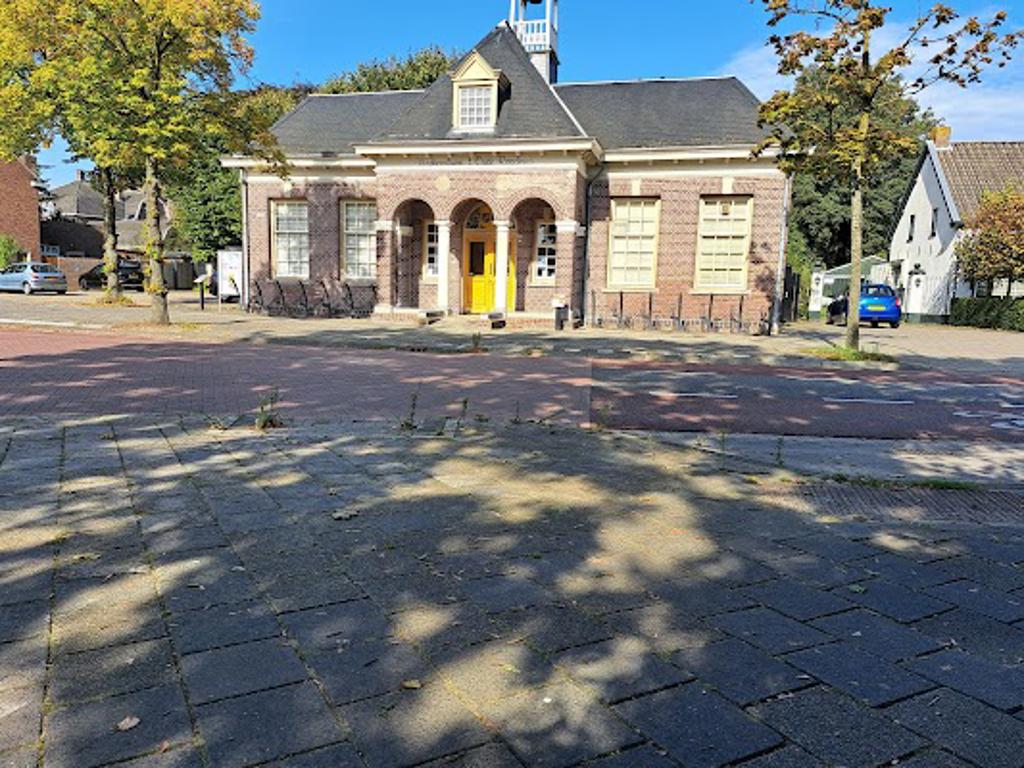
De Loper
1.2km away
Loostraat, 5641 AR, Eindhoven
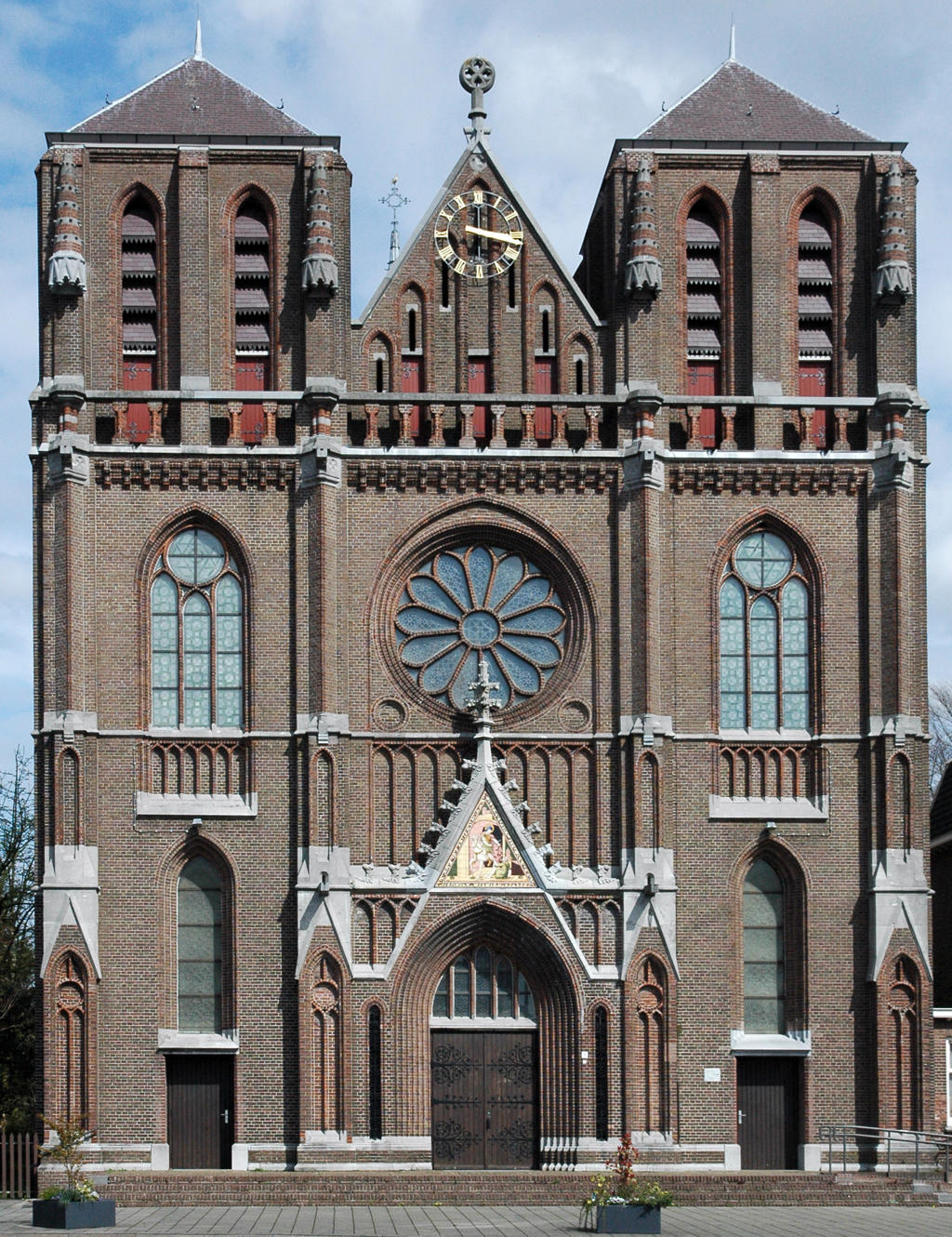
Sint-Martinuskerk
1.4km away
't Hofke, 5641 GE, Eindhoven
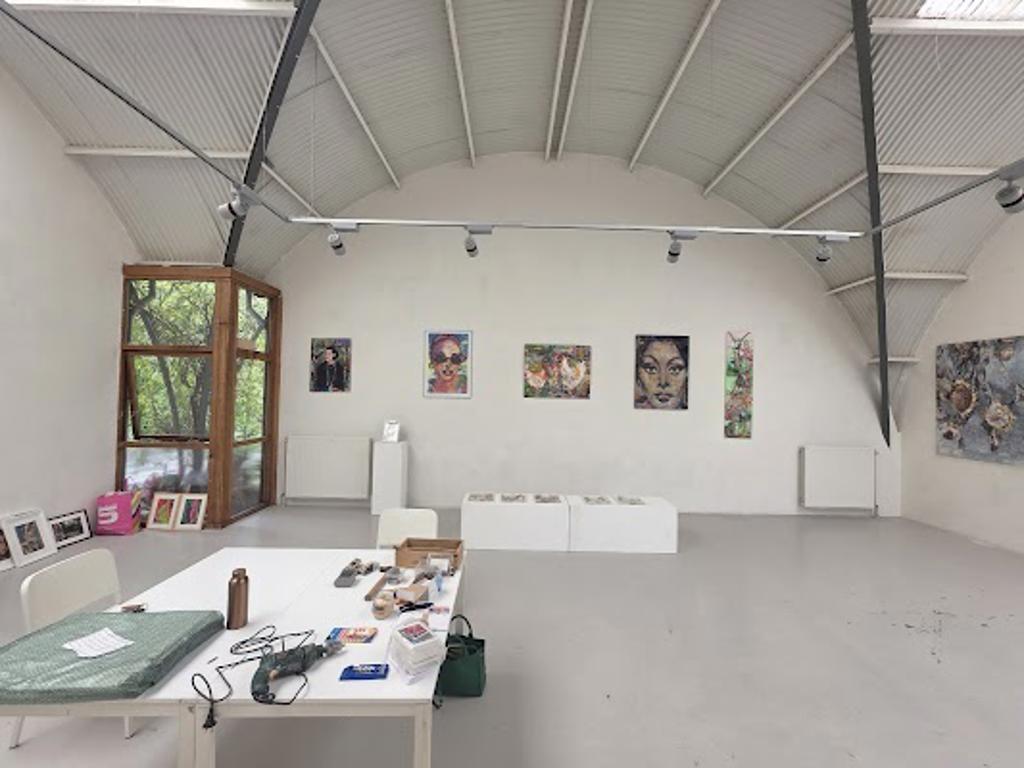
Kruisruimte
1.6km away
7E Generaal Bothastraat, 5642 NJ, Eindhoven
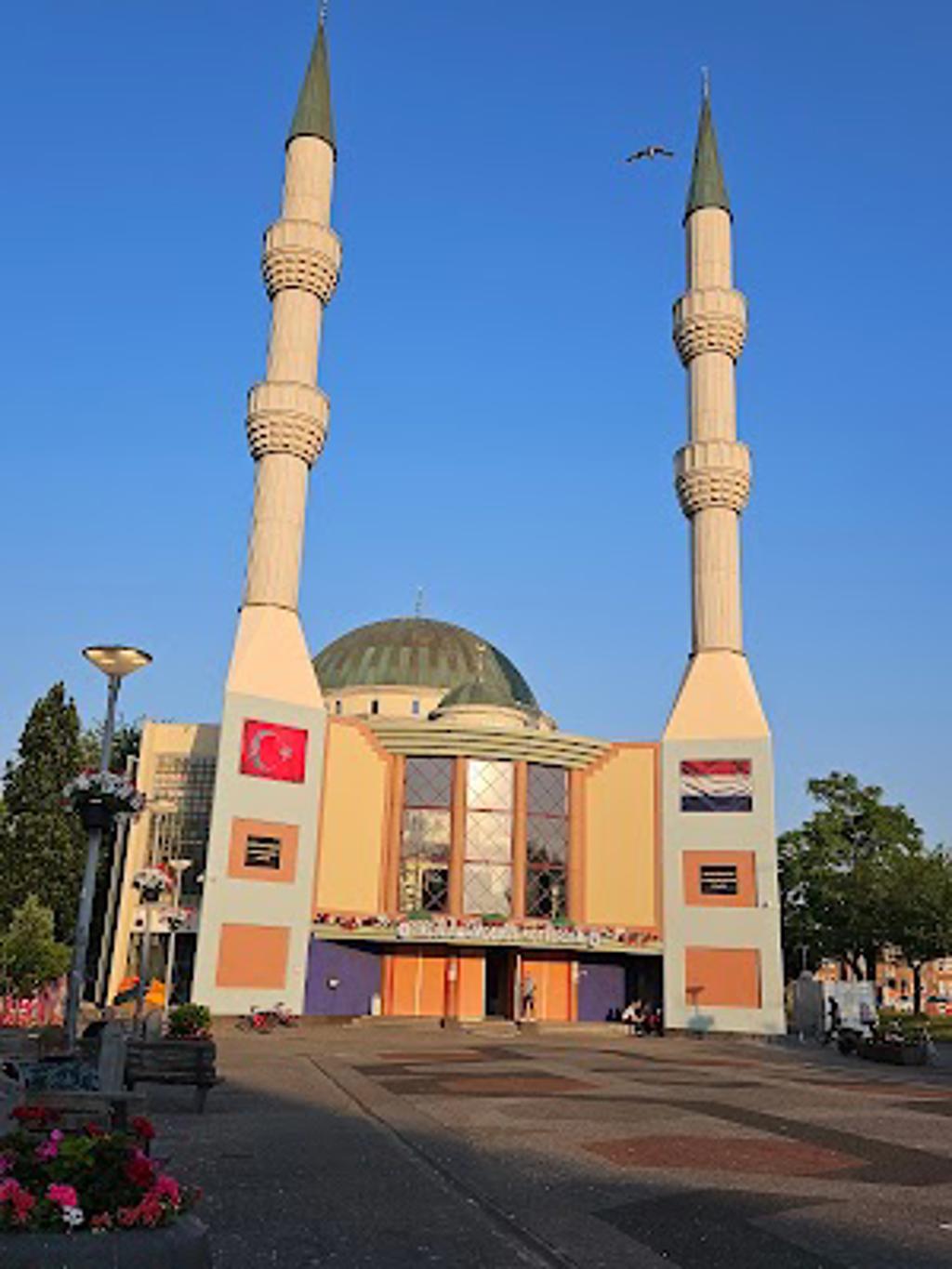
Mevlana Moskee
1.9km away
Paul Krügerlaan, 5642 EH, Eindhoven