About Honmaru palace
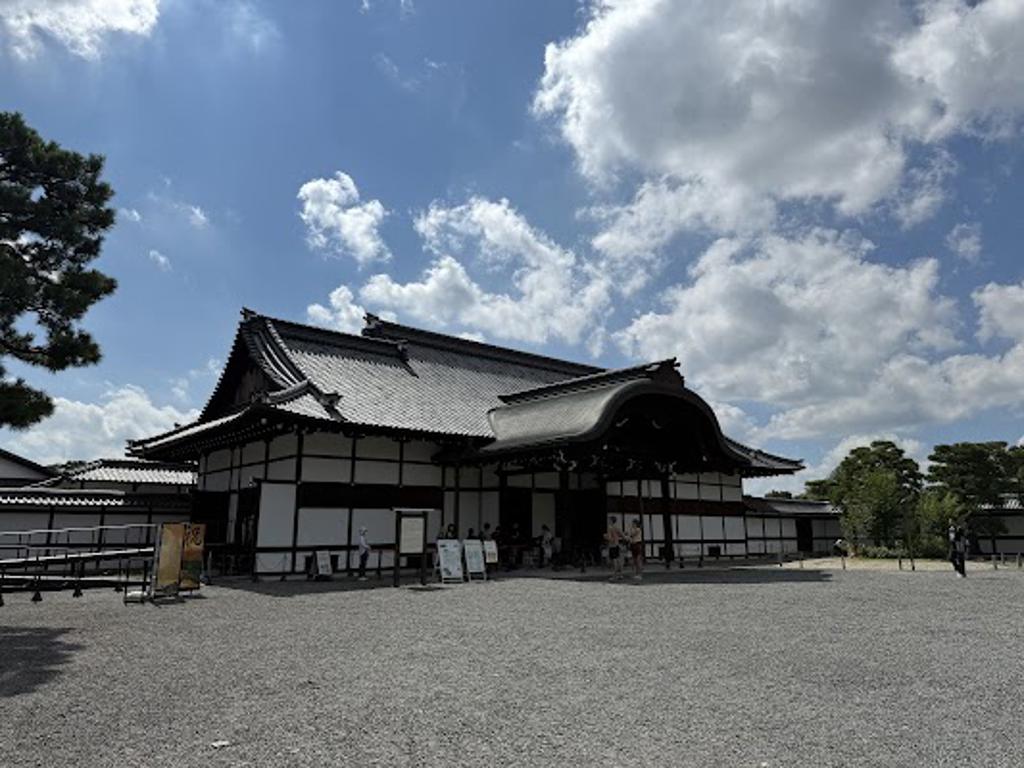
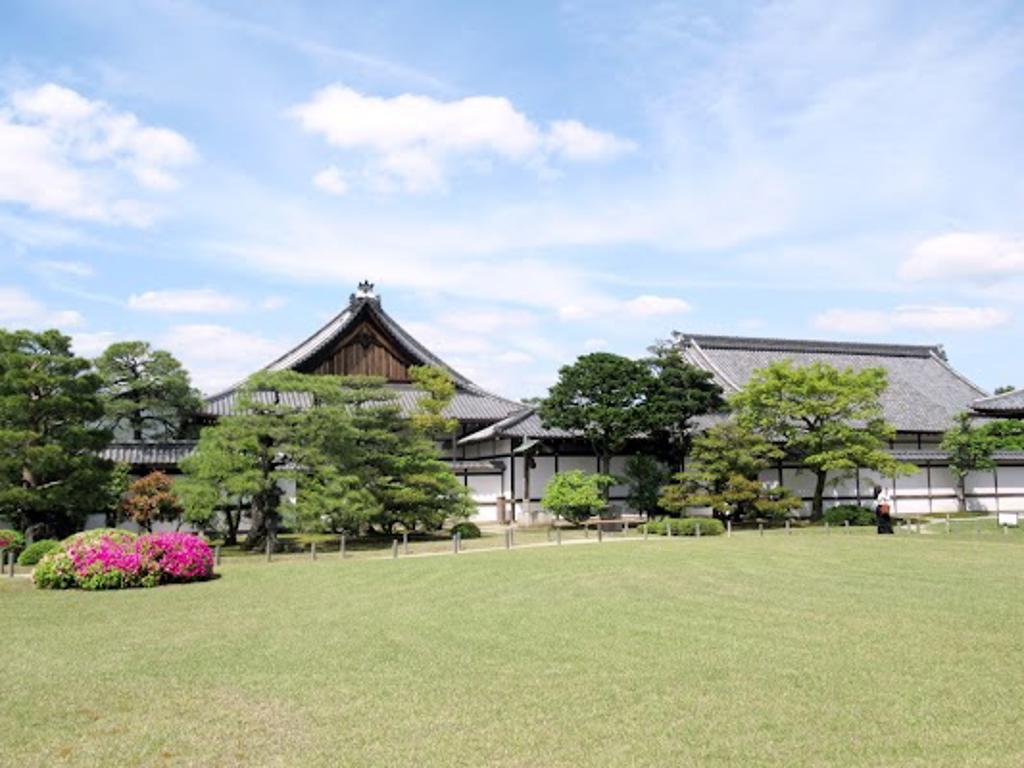
The Honmaru Palace stands as a masterpiece of Edo-period architecture, surrounded by lush gardens and fortified walls. Its wooden structure, adorned with intricate carvings and gold leaf accents, reflects the grandeur of the Tokugawa shogunate. The sliding doors, or fusuma, feature delicate paintings of landscapes and seasonal motifs, blending art and function seamlessly. The palace’s layout, with its interconnected rooms and tatami flooring, showcases the traditional Japanese architectural style while emphasizing harmony and order.
Originally constructed in 1626, the Honmaru Palace served as the residence of the shogun during visits to Kyoto. Though the original structure was lost to fire, the current palace was relocated from the Katsura Imperial Villa in 1893. This relocation preserved its historical significance while integrating it into the Nijō Castle complex. The palace’s design reflects the political power and cultural sophistication of the Tokugawa era, making it a vital link to Japan’s feudal past.
Architectural Elegance
The palace’s architecture is a study in balance and refinement. The roof, with its gently curving eaves, is covered in traditional wooden shingles, while the walls are painted in soft, natural tones. The main hall, or shuden, features an elevated platform where the shogun would receive guests, emphasizing his authority. The intricate transom carvings, known as ranma, depict scenes of nature and mythology, adding layers of meaning to the space. Every detail, from the placement of the rooms to the choice of materials, reflects the meticulous planning characteristic of the Edo period.
Plan your perfect trip to Kyoto with Travo! Download now and start exploring.


Historical Significance
The Honmaru Palace is not just an architectural marvel but also a symbol of political power. It was here that the shogun would conduct official business and host dignitaries, reinforcing the Tokugawa clan’s dominance. The palace also played a role in significant historical events, such as the Meiji Restoration, when power was returned to the emperor. This transition marked the end of the shogunate and the beginning of modern Japan, making the palace a witness to a pivotal moment in the nation’s history.
Artistic Details
The fusuma panels are adorned with paintings by the Kano school, one of Japan’s most renowned art traditions. These works depict natural scenes, such as pine trees, cranes, and flowing rivers, symbolizing longevity and prosperity. The use of gold leaf not only enhances the visual impact but also reflects light, creating a sense of spaciousness within the rooms. The ceilings, crafted from cypress wood, feature geometric patterns that add to the palace’s aesthetic appeal. These artistic elements transform the palace into a living gallery, where every corner tells a story.
Gardens and Surroundings
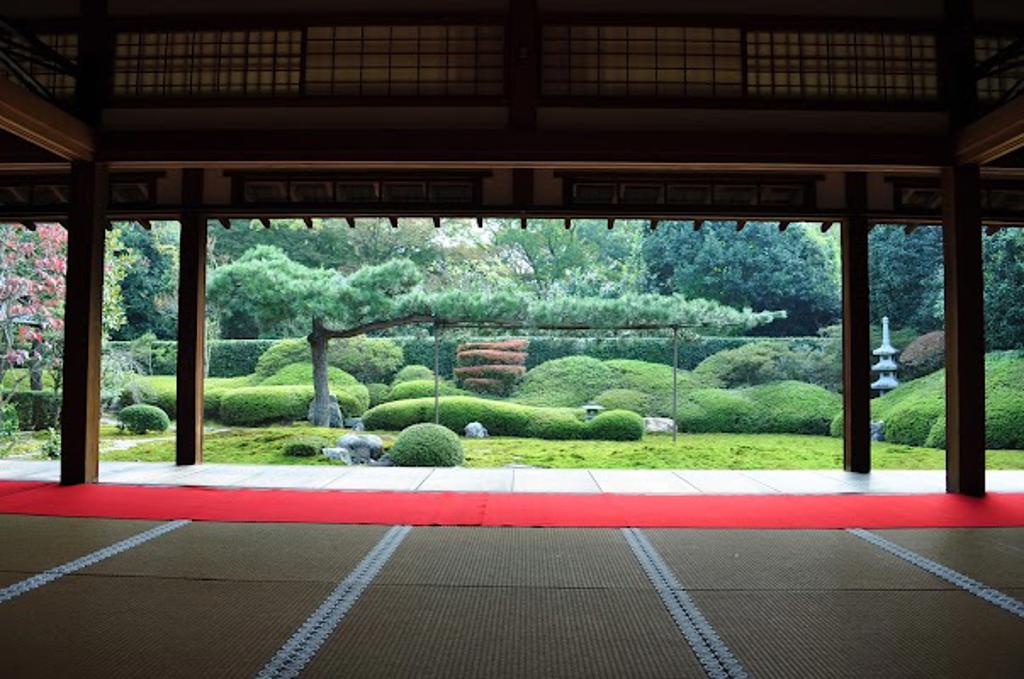
The palace is surrounded by meticulously maintained gardens that change with the seasons. Cherry blossoms in spring, vibrant maples in autumn, and snow-covered pines in winter create a dynamic backdrop for the wooden structure. The gardens are designed to be viewed from within the palace, with each window framing a carefully composed scene. Stone lanterns, koi ponds, and winding paths add to the sense of tranquility, making the gardens an integral part of the Honmaru experience.
Living History
Today, the Honmaru Palace is a UNESCO World Heritage Site, attracting visitors from around the world. Guided tours offer insights into its history and architecture, while seasonal events, such as tea ceremonies and cultural performances, bring the space to life. The palace stands as a testament to Japan’s rich heritage, offering a glimpse into the elegance and sophistication of the Edo period. Its preservation ensures that future generations can continue to appreciate its beauty and historical importance.
Map loading...
Location
Honmaru East Bridge, 604-8305, Kyoto