About Thomas-Martins-Berg
The rugged terrain of Thomas-Martins-Berg, with its steep slopes and dense forest cover, offers a glimpse into the natural beauty and historical significance of the Harz Mountains. This area, rich in mineral resources, has been a focal point for mining activities since the Middle Ages. The landscape is dotted with remnants of old mining operations, including shafts and tunnels, which tell the story of the region's industrial past. The mountain itself, part of the larger Rammelsberg mining district, is a testament to the centuries of human endeavor to extract valuable ores from the earth.
Historically, Thomas-Martins-Berg played a crucial role in the economic development of Goslar and the surrounding region. The mining activities here were part of a larger network that supplied silver, lead, and copper, contributing significantly to the wealth and power of the Holy Roman Empire. The mountain's name, combining the names of two saints, reflects the deep connection between the local communities and their faith, which often provided spiritual support to miners facing the dangers of their work.
Marks of Time: Mining Heritage
The visible remnants of mining operations on Thomas-Martins-Berg are a testament to the ingenuity and perseverance of past generations. The old shafts and tunnels, some of which are accessible to visitors, offer a direct connection to the miners who once toiled here. These features, along with the scattered ruins of mining buildings, provide a tangible link to the region's industrial heritage. The mountain's landscape, shaped by centuries of extraction, tells a story of human interaction with the natural environment, highlighting both the achievements and the challenges faced by those who worked here.
Plan your perfect trip to Goslar with Travo! Download now and start exploring.


Stories in Stone: Geological Wonders
The geological formations of Thomas-Martins-Berg reveal the natural processes that created the rich mineral deposits of the Harz Mountains. The exposed rock layers, visible along hiking trails, showcase the complex interplay of tectonic forces and volcanic activity that shaped the region millions of years ago. These formations not only provided the resources for mining but also offer insights into the earth's history, making the mountain a valuable site for both geologists and history enthusiasts. The stones themselves, with their varied colors and textures, tell a story of transformation and resilience.
Details That Speak: Cultural Significance
The cultural impact of Thomas-Martins-Berg extends beyond its economic contributions. The mountain and its mining heritage are deeply embedded in the local folklore and traditions of Goslar. Stories of miners and their patron saints, such as Saint Thomas and Saint Martin, are part of the region's rich oral history. These tales, passed down through generations, reflect the community's respect for the mountain and its resources. The annual festivals and events celebrating this heritage continue to draw visitors, keeping the cultural significance of Thomas-Martins-Berg alive in the present day.
Living History: Modern Connections
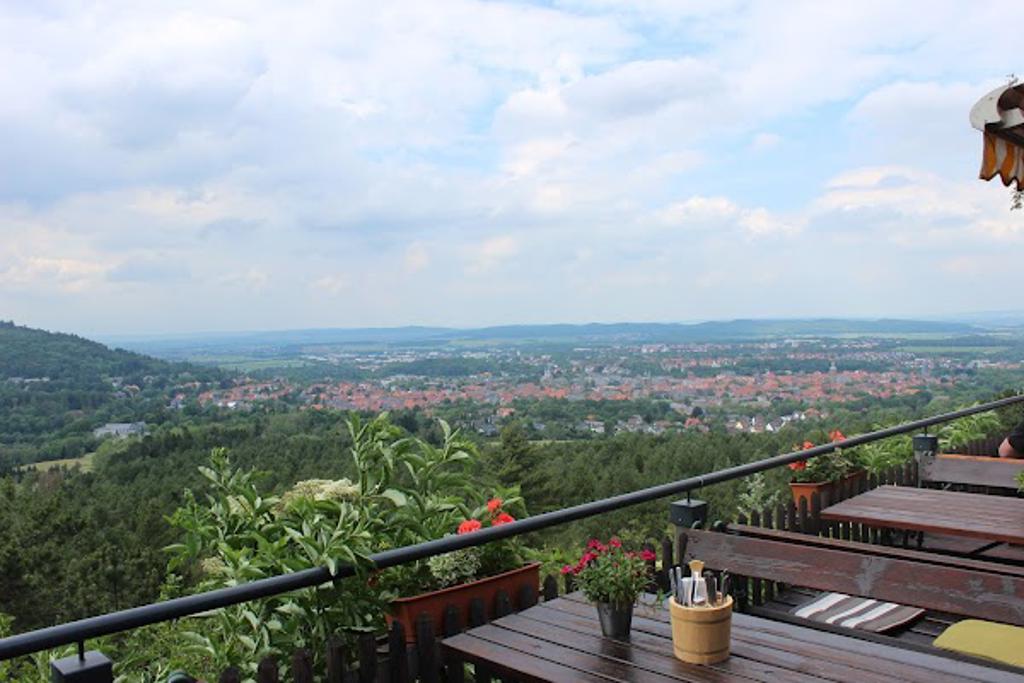
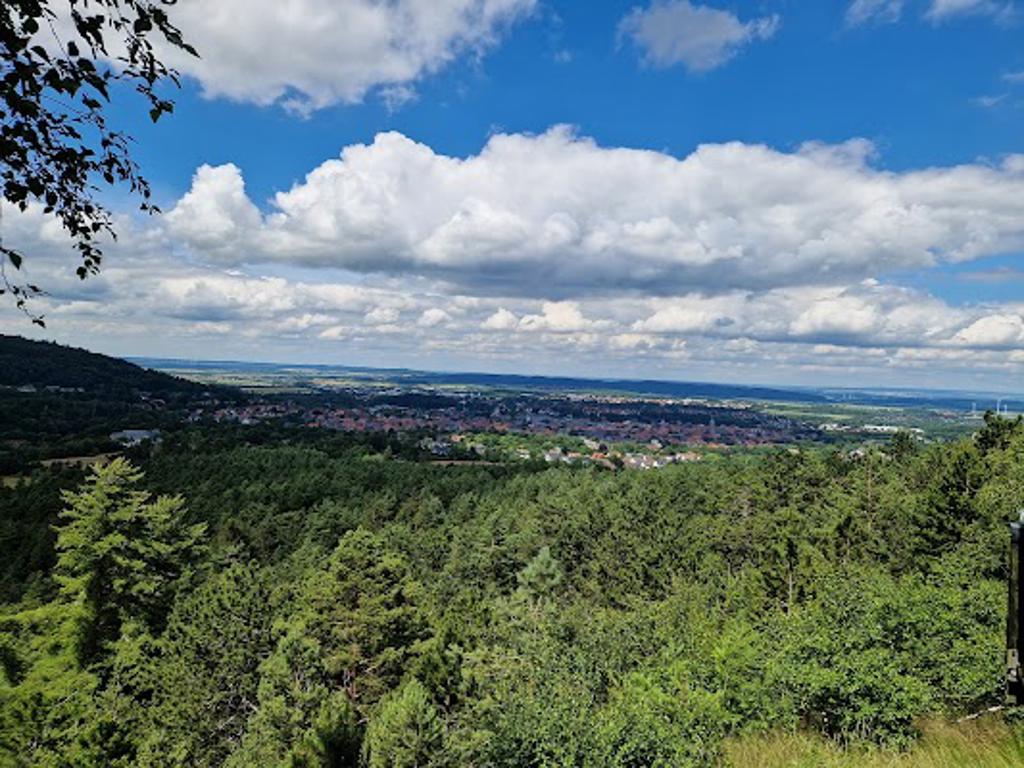
Today, Thomas-Martins-Berg is not only a site of historical interest but also a destination for outdoor enthusiasts. The hiking trails that crisscross the mountain offer stunning views of the Harz landscape, attracting nature lovers and adventure seekers alike. The mountain's historical and natural features are preserved and interpreted through guided tours and educational programs, allowing visitors to engage with the past while enjoying the beauty of the present. This blend of history and recreation makes Thomas-Martins-Berg a living testament to the enduring connection between people and the land.

Map loading...
Location
Goslar