About Gustav-Adolf-Stabkirche
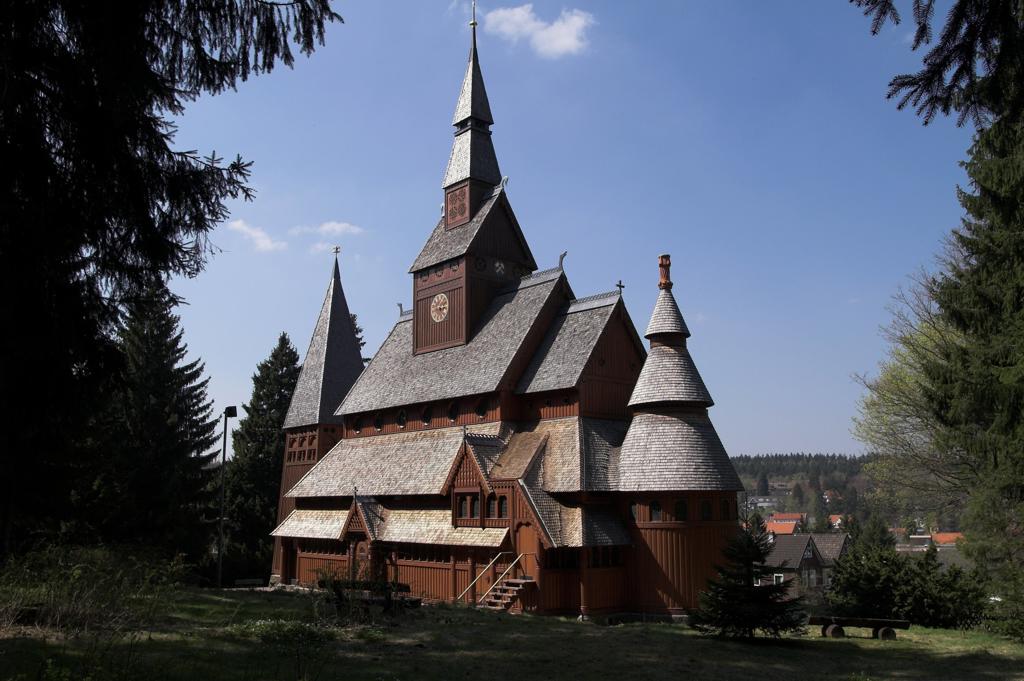
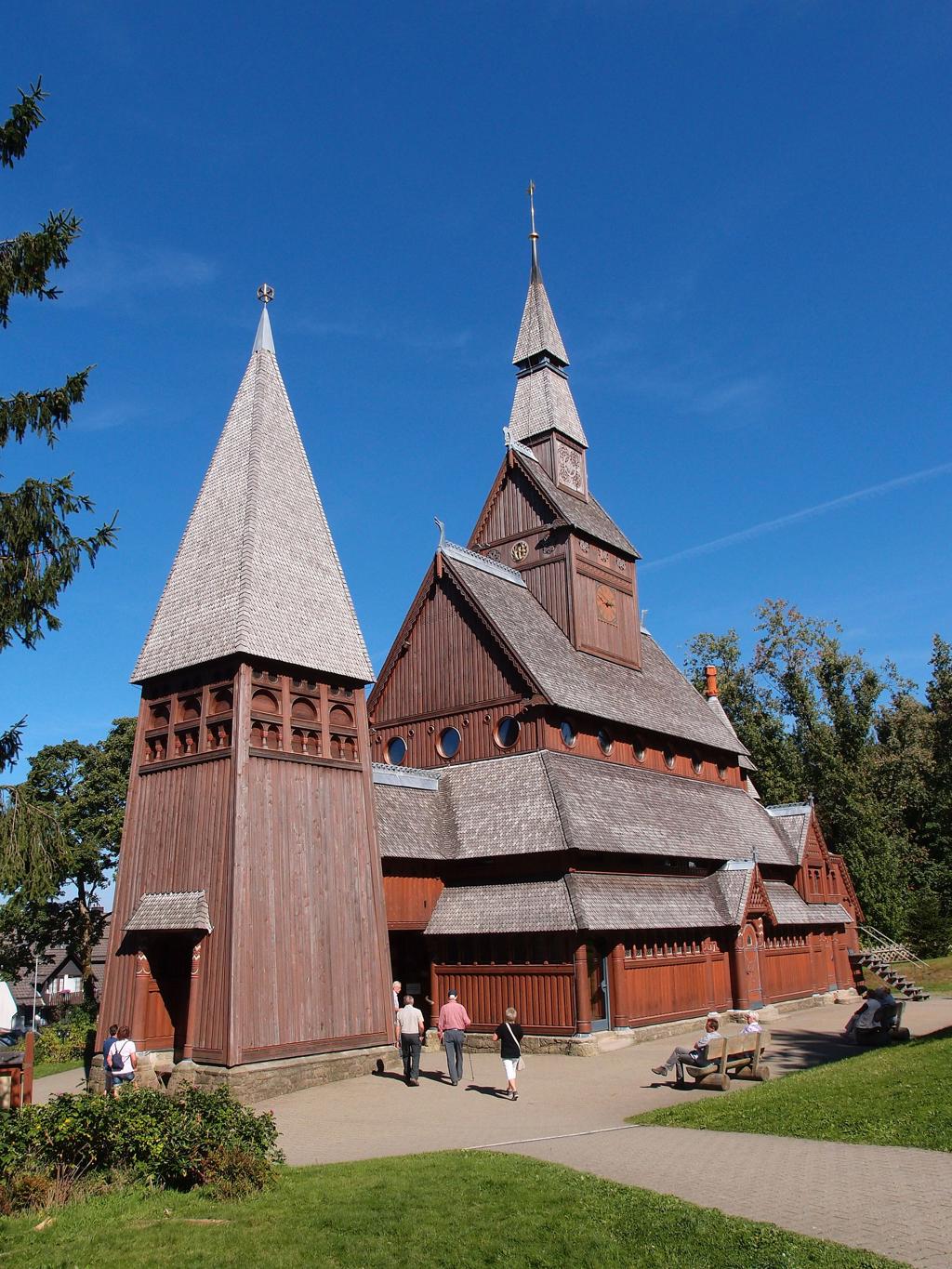
The Gustav Adolf Stave Church, with its striking wooden architecture, stands as a unique testament to the Scandinavian influence in the heart of Germany. Its design, reminiscent of the traditional stave churches of Norway, features steeply pitched roofs and intricate wood carvings that capture the eye. The church's dark timber exterior contrasts beautifully with the lush greenery of the surrounding Harz Mountains, creating a serene and picturesque setting. The dragon-head carvings on the roof ridges and the ornate portals are particularly captivating, showcasing the craftsmanship and attention to detail that went into its construction.
Built between 1907 and 1908, this church was designed by architect Karl Mohrmann, who drew inspiration from the Borgund Stave Church in Norway. It was commissioned by the Evangelical Lutheran Church to serve the spiritual needs of the local community and tourists visiting the spa town of Hahnenklee. The church's construction reflects a period when there was a renewed interest in medieval architecture and a desire to connect with historical roots, even as modernity was rapidly advancing.
Sacred Space and Atmosphere
Inside, the Gustav Adolf Stave Church offers a warm and inviting atmosphere, with its wooden interior creating a sense of peace and reverence. The nave is supported by intricately carved wooden columns, and the ceiling is adorned with painted motifs that add a touch of color and vibrancy. The acoustics within the church are exceptional, making it a popular venue for concerts and musical performances. The altar, simple yet elegant, draws the eye forward, encouraging contemplation and reflection.
Plan your perfect trip to Goslar with Travo! Download now and start exploring.


Divine Details and Symbolism
The church is rich with symbolic elements that speak to its spiritual purpose and cultural heritage. The dragon-head carvings, a nod to Norse mythology, symbolize protection and warding off evil spirits. The use of wood, a natural and living material, reflects the connection between the divine and the earthly. The stained glass windows, though modest, allow light to filter through in a way that enhances the spiritual ambiance, casting colorful patterns on the wooden floors and walls.
Living Faith and Community
Today, the Gustav Adolf Stave Church remains an active place of worship, serving the local Lutheran community and welcoming visitors from around the world. It hosts regular services, weddings, and baptisms, as well as cultural events that bring people together in celebration of both faith and heritage. The church's presence in Hahnenklee is a reminder of the enduring power of tradition and the ways in which architecture can foster a sense of community and belonging.
Timeless Elements and Enduring Features
The stave church's design has stood the test of time, with its robust construction and timeless aesthetic continuing to draw admiration. The use of traditional building techniques, such as the interlocking of wooden staves, ensures the structure's durability and resilience against the elements. This architectural gem not only preserves the craftsmanship of the past but also inspires future generations to appreciate and uphold the values of beauty, simplicity, and harmony with nature.
Present-Day Significance and Cultural Impact
In the present day, the Gustav Adolf Stave Church is more than just a historical monument; it is a cultural landmark that attracts tourists and architecture enthusiasts alike. Its unique style and serene setting make it a must-visit destination in the Harz region. The church's ability to blend spiritual significance with cultural heritage highlights its role as a bridge between different traditions and as a symbol of the shared history between Germany and Scandinavia. As visitors explore its grounds and interior, they are invited to reflect on the enduring connections between past and present, faith and culture.
Map loading...
Location
2 Am Bocksberg, 38644, Goslar