
About Odéon–Théâtre de l'Europe
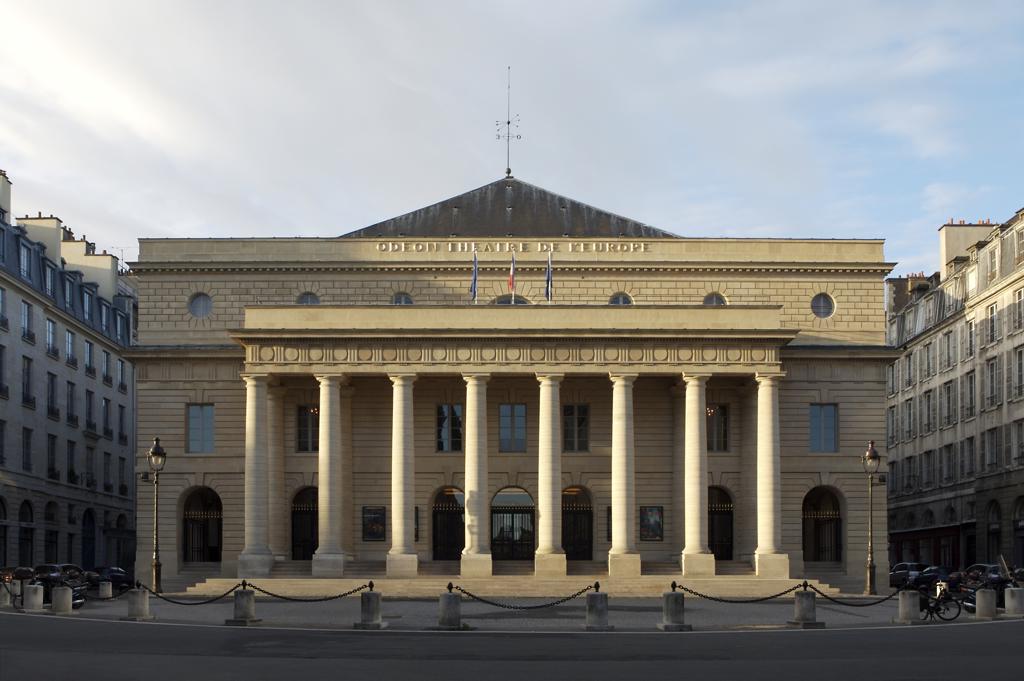
The neoclassical façade of the Odéon–Théâtre de l'Europe rises with elegance, its symmetrical columns and pediment evoking the grandeur of 18th-century architecture. The pale stone glows softly in the Parisian light, while the wide steps leading to the entrance invite visitors into a world of theatrical history. The square surrounding the theater, Place de l'Odéon, hums with activity, its cobblestone streets and charming cafés creating a lively atmosphere that complements the cultural significance of the venue.
Built in 1782, the Odéon is one of the oldest theaters in Paris and a masterpiece of neoclassical design by architects Charles De Wailly and Marie-Joseph Peyre. Commissioned by King Louis XVI, it was intended to be a temple of drama and art, embodying the Enlightenment ideals of reason and beauty. Over the centuries, the theater has witnessed revolutions, wars, and artistic movements, standing as a resilient symbol of European culture.
Center Stage of European Theater
The Odéon–Théâtre de l'Europe is not just a Parisian landmark; it is a hub for international theater. As one of the six national theaters of France, it hosts productions from across Europe, fostering cultural exchange and showcasing the diversity of theatrical traditions. Its designation as "Théâtre de l'Europe" reflects its mission to unite audiences through the universal language of performance.
Plan your perfect trip to Paris with Travo! Download now and start exploring.


Artistic Touches in Architecture
The theater’s interior is a marvel of craftsmanship. Ornate gilded details frame the stage, while plush red velvet seats create an atmosphere of opulence. The grand chandelier hanging from the ceiling casts a warm glow, enhancing the intimacy of the space. Every corner of the building speaks to the artistry of its creators, blending functionality with aesthetic beauty.
Historical Resonance
During the French Revolution, the Odéon became a gathering place for political debates and cultural expression. It survived fires and bombings during World War II, emerging each time as a beacon of resilience. The theater’s history is intertwined with the story of Paris itself, making it a living monument to the city’s enduring spirit.
Living Culture
Today, the Odéon continues to thrive as a center for contemporary theater. Directors and playwrights from across Europe bring innovative productions to its stage, challenging audiences and pushing the boundaries of performance art. The theater also hosts workshops, discussions, and festivals, ensuring its role as a dynamic cultural institution.
Details That Speak
Notice the inscriptions above the entrance, which pay homage to the theater’s founders and its Enlightenment roots. The symmetry of the columns reflects the ideals of balance and harmony, while the surrounding square invites visitors to linger and reflect. Even the choice of materials—stone and marble—underscores the permanence of art and culture in a changing world.
Present-Day Significance
For Parisians and visitors alike, the Odéon is more than a theater; it is a space where history and modernity meet. Its productions challenge societal norms, inspire creativity, and celebrate the shared heritage of Europe. Whether attending a play or simply admiring its architecture, the Odéon–Théâtre de l'Europe remains a vital part of Paris’s cultural heartbeat.
Map loading...
Location
Place de l'Odéon, 75006, Paris
More Information
Nearby Places
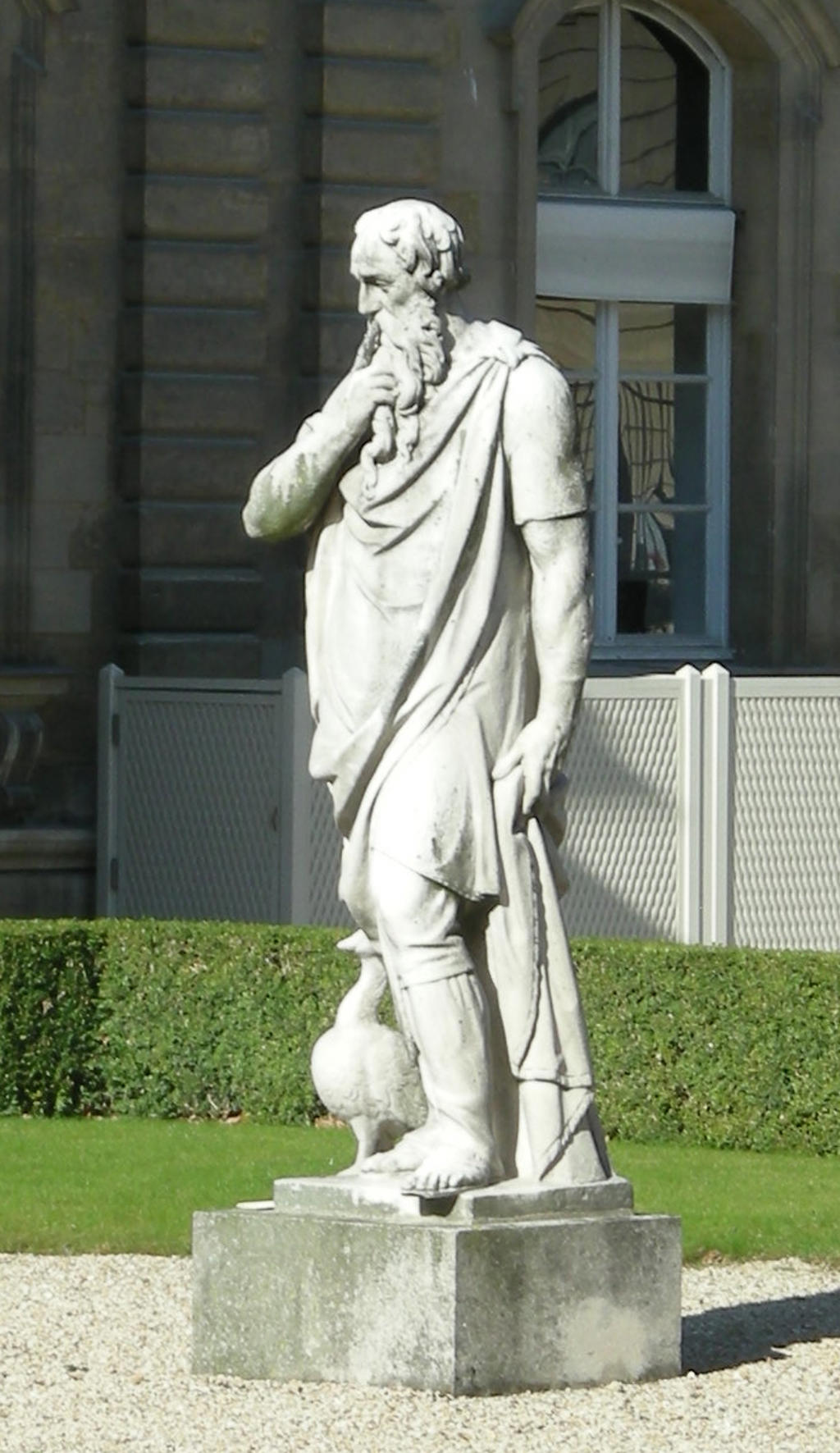
Le Silence
112m away
Cour d'Honneur, 75006, Paris
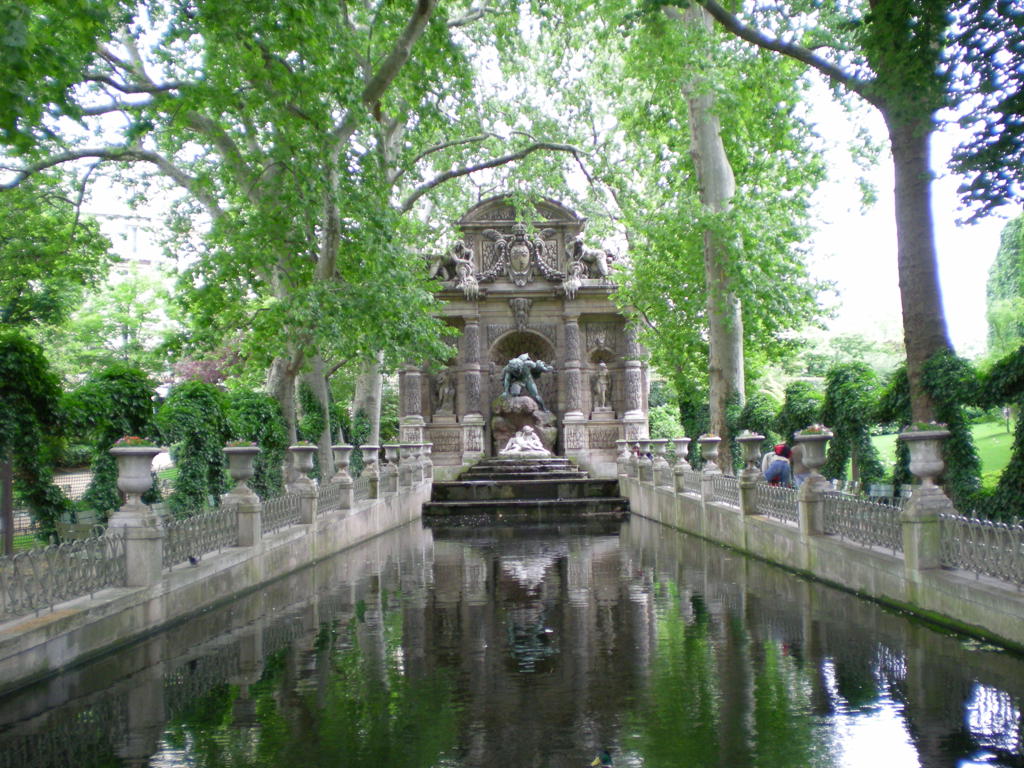
Fontaine médicis
160m away
Rue de Médicis, 75006, Paris
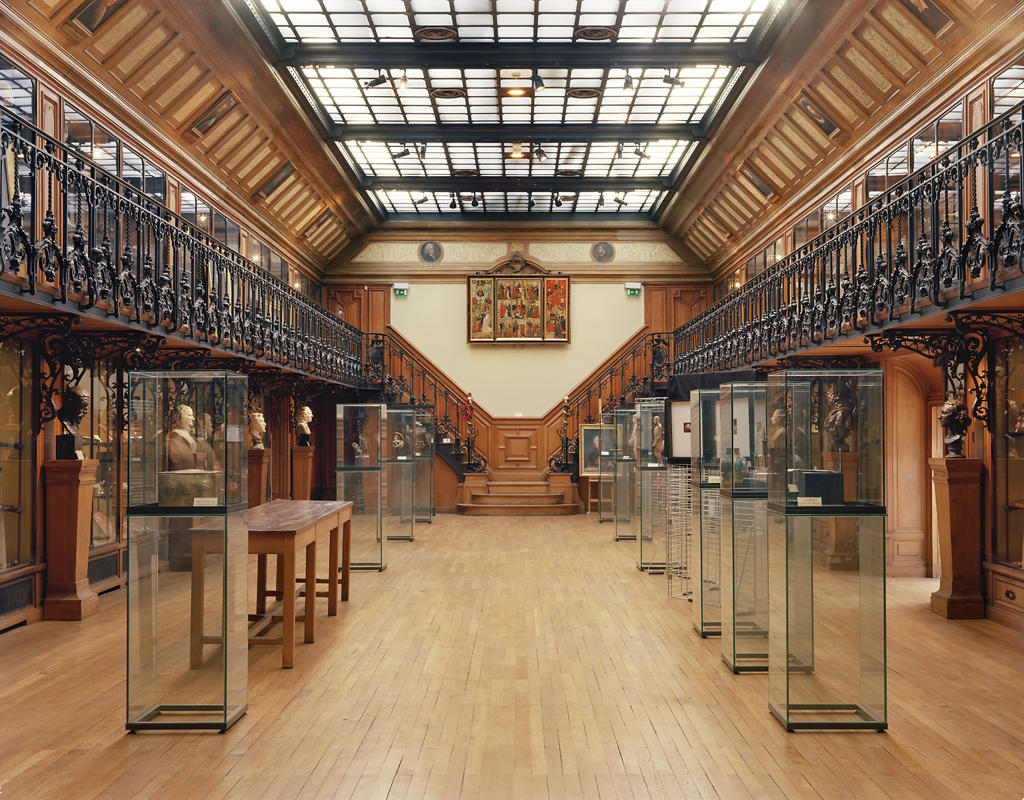
Musée d'histoire de la médecine
262m away
15 Rue de l'École de Médecine, 75006, Paris
Latin Quarter
293m away
75005, Paris
Auditorium saint-germain
342m away
Rue Félibien, 75006, Paris
Jardin du luxembourg
347m away
75006, Paris