
About Hippolyte Perrau
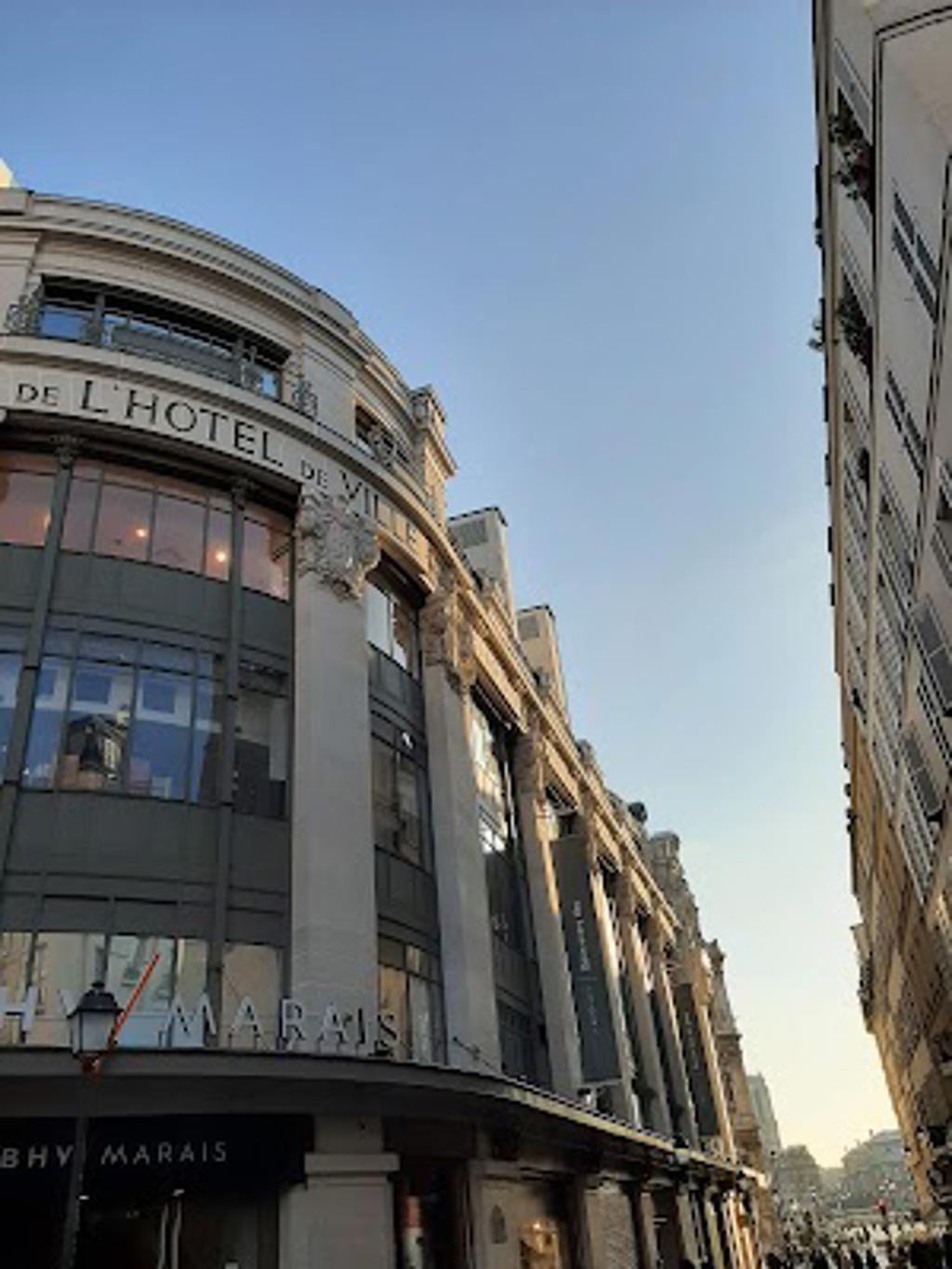
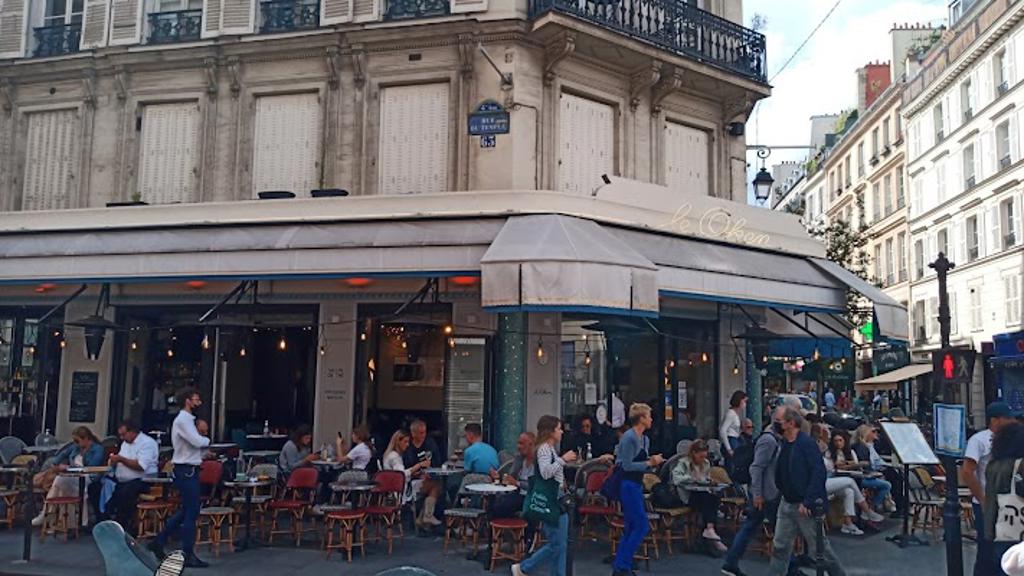
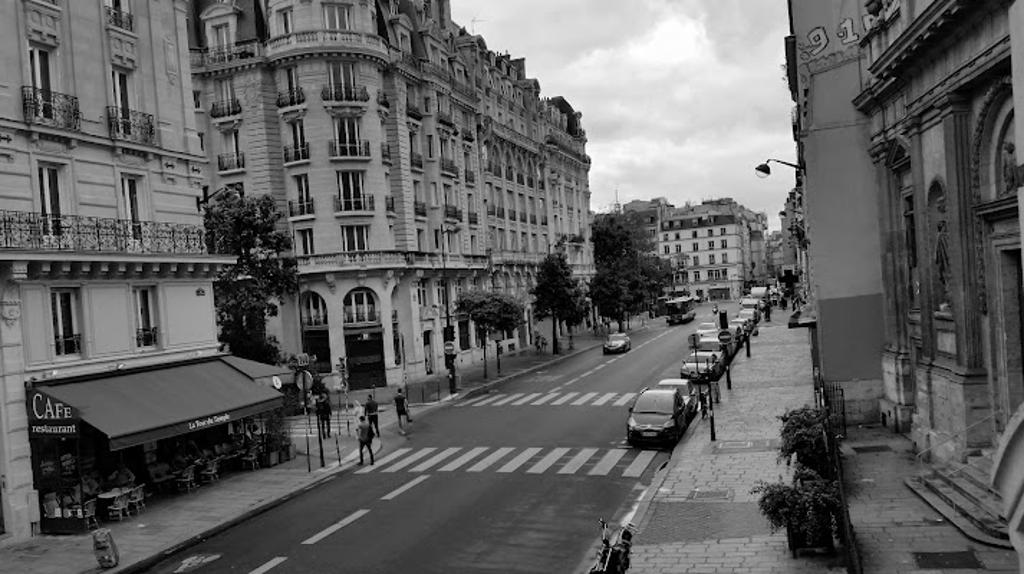
The stone façade of the building at Rue du Temple reveals intricate carvings that speak of Paris’s architectural evolution. The name Hippolyte Perrau is tied to this location, a figure whose contributions to the city’s urban development remain significant. The building’s details, from its arched windows to its ornate cornices, reflect the 19th-century Haussmannian style that transformed Paris into the city of wide boulevards and elegant facades.
This area, the Quartier Saint-Merri, is steeped in history. The streets here have witnessed centuries of change, from medieval times to the modern era. The building itself stands as a testament to the craftsmanship and urban planning that defined Paris during its most transformative periods. Its location near the Marais district places it at the heart of a neighborhood known for its blend of historical and contemporary influences.
Architectural Details
The building’s façade features symmetrical windows framed by decorative moldings, a hallmark of the Haussmannian style. The wrought-iron balconies, with their intricate patterns, add a touch of elegance while serving a practical purpose. The stonework, carefully cut and arranged, reflects the precision and artistry of 19th-century Parisian builders. These details not only enhance the building’s aesthetic appeal but also tell a story of the city’s commitment to beauty and functionality.
Plan your perfect trip to Paris with Travo! Download now and start exploring.


Hippolyte Perrau’s Influence
Hippolyte Perrau was an architect and urban planner whose work contributed to the modernization of Paris. His designs often emphasized harmony and proportion, qualities evident in the building’s layout and structure. Perrau’s influence extended beyond individual buildings, as he played a role in shaping the broader urban landscape of Paris. His work reflects the ideals of the time, blending practicality with artistic expression.
The Quartier Saint-Merri
This neighborhood, named after the nearby Saint-Merri Church, is one of Paris’s oldest districts. Its narrow streets and historic buildings contrast with the wide boulevards introduced during the Haussmannian era. The area is a vibrant mix of old and new, with traditional architecture coexisting alongside modern establishments. The building at Rue du Temple is a perfect example of this blend, standing as a link between the past and the present.
Details That Speak
Look closely at the carvings above the windows and doors. These details, often overlooked, reveal the skill and creativity of the artisans who worked on the building. The patterns and motifs reflect the artistic trends of the time, offering a glimpse into the cultural influences that shaped Paris in the 19th century. Even the ironwork on the balconies tells a story, with its flowing lines and intricate designs symbolizing the elegance of the era.
Present-Day Significance
Today, the building at Rue du Temple is more than just a piece of history. It is part of a living, breathing neighborhood that continues to evolve. The Quartier Saint-Merri attracts visitors and locals alike, drawn by its rich history and vibrant atmosphere. The building serves as a reminder of Paris’s architectural heritage, inspiring admiration and curiosity in those who pass by. Its presence connects the city’s storied past with its dynamic present, making it a cherished part of the Parisian landscape.
Map loading...
Location
Rue du Temple, 75004, Paris
Nearby Places
PA525
120m away
Rue Saint-Merri, 75004, Paris
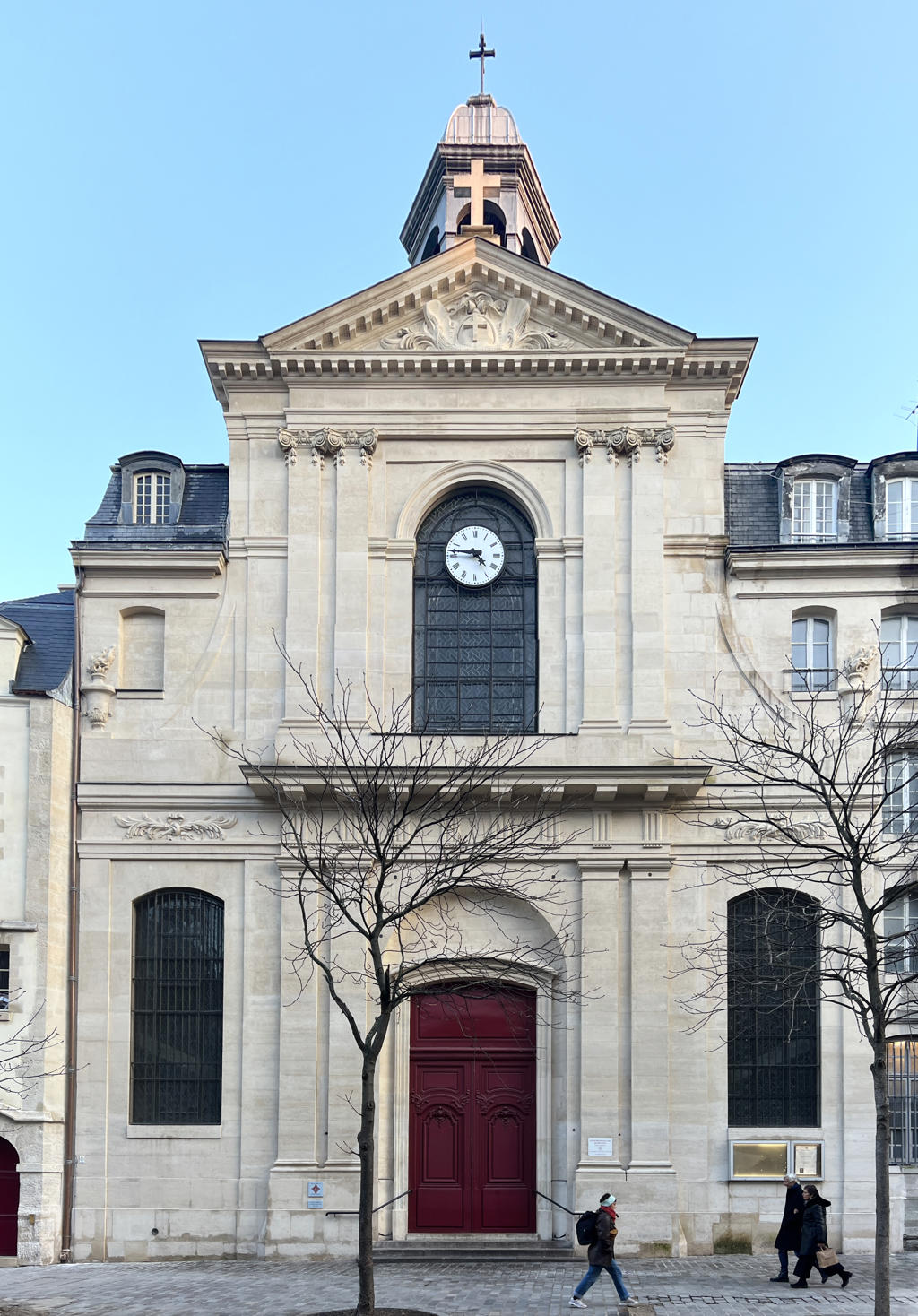
Cloître des Billettes
133m away
Rue des Archives, 75004, Paris
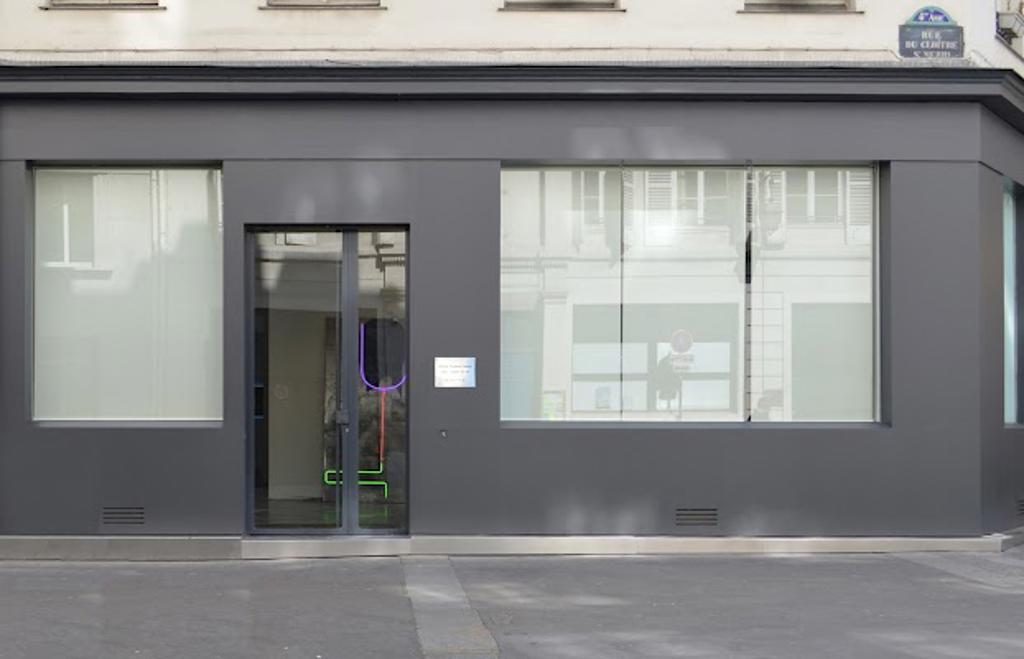
Galerie Nathalie Obadia
136m away
Rue du Cloître Saint-Merri, 75004, Paris
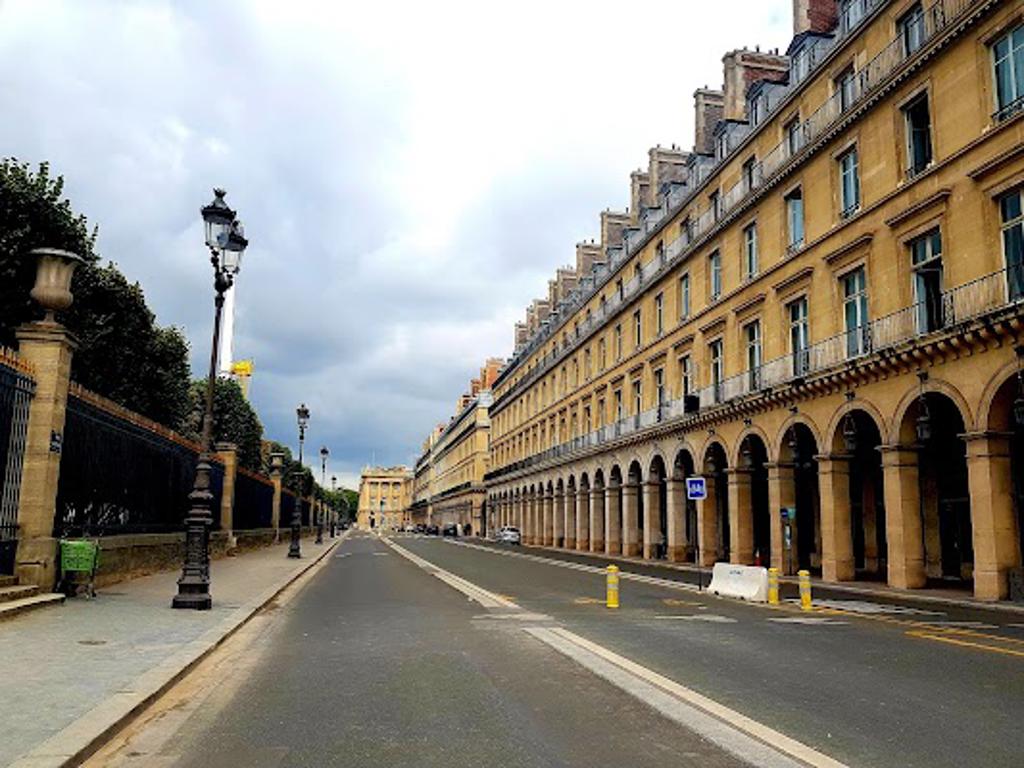
26 août 1944
156m away
Rue de Rivoli, 75004, Paris
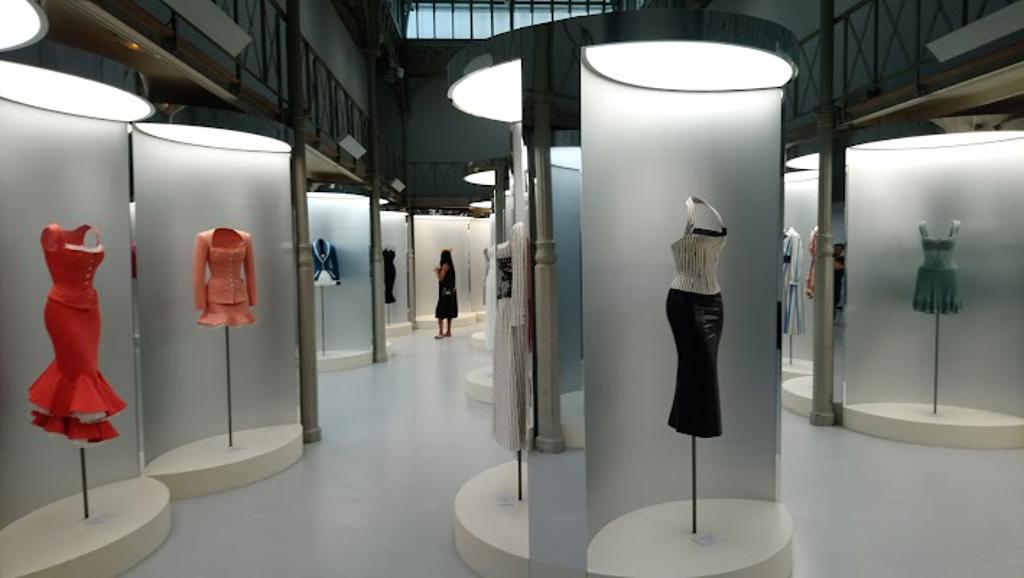
Fondation Azzedine Alaia
160m away
18 Rue de la Verrerie, 75004, Paris
Le 20 août 1944
169m away
Place de l'Hôtel de Ville, 75004, Paris