
About Gustave Eiffel
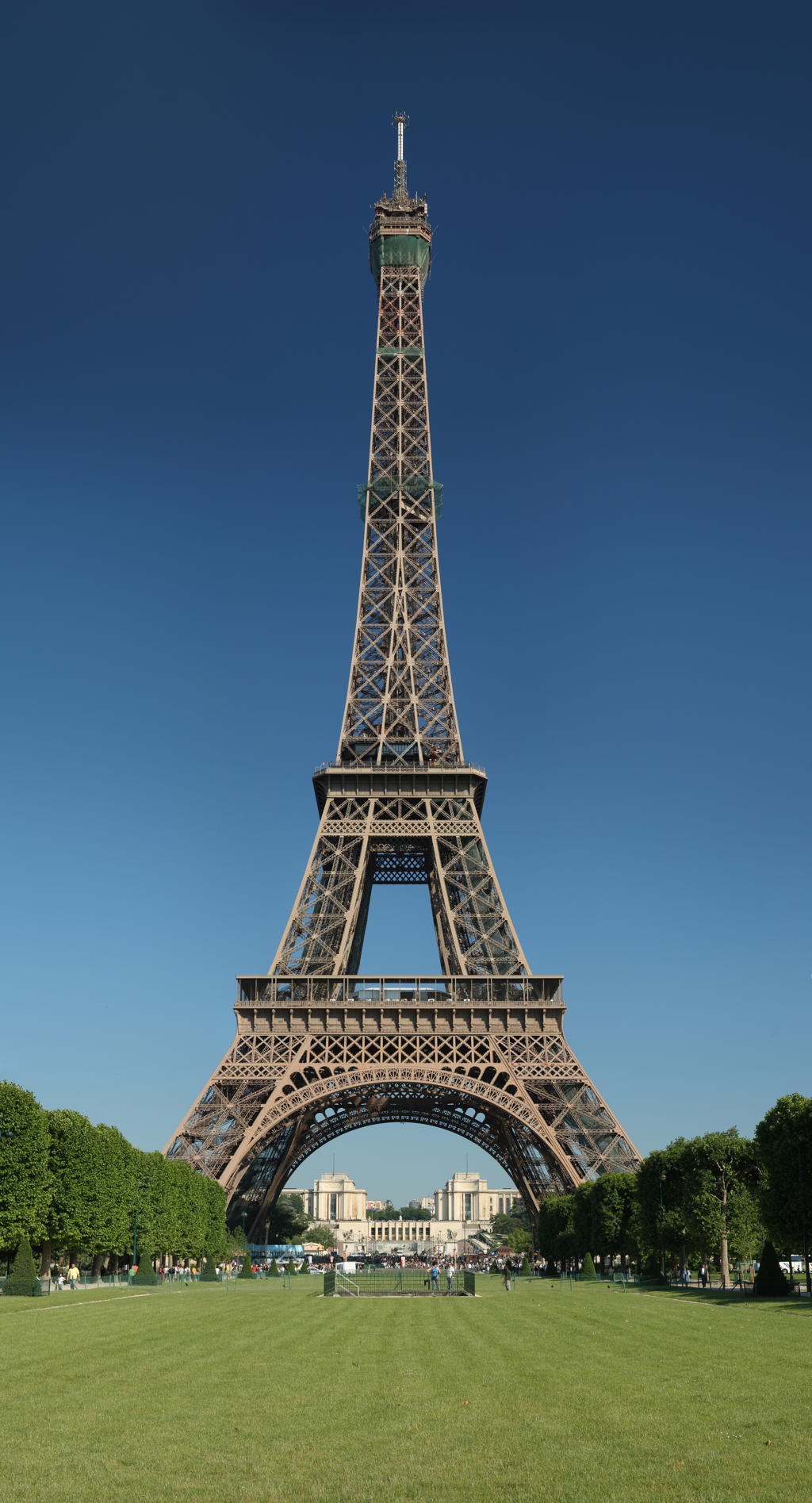
The iron lattice tower rises 330 meters into the Parisian sky, its intricate framework a marvel of 19th-century engineering. The Eiffel Tower, designed by Gustave Eiffel and completed in 1889, dominates the skyline with its elegant curves and geometric precision. Its four massive legs, rooted firmly in the Champ de Mars, taper upward to meet at a narrow pinnacle, crowned by an observation deck offering breathtaking views of the city. The interplay of light and shadow on its iron beams creates a dynamic visual experience, especially as the sun sets and the tower’s golden lights begin to twinkle.
Originally constructed as the centerpiece for the 1889 Exposition Universelle, the tower was meant to showcase France’s industrial prowess. Despite initial criticism from artists and intellectuals who called it an eyesore, the Eiffel Tower quickly became a beloved symbol of modernity and innovation. Today, it stands as one of the most recognizable landmarks in the world, attracting millions of visitors annually.
Gustave Eiffel’s Vision
Gustave Eiffel, the engineer behind this masterpiece, envisioned the tower as a testament to the possibilities of iron construction. His name is forever linked to this structure, though he also contributed to other engineering feats, including the internal framework of the Statue of Liberty. The Eiffel Tower was a bold statement of engineering ambition, using over 18,000 iron parts and 2.5 million rivets. Eiffel’s innovative use of iron allowed for a structure that was both lightweight and incredibly strong, defying the architectural norms of its time.
Plan your perfect trip to Paris with Travo! Download now and start exploring.


Artistic and Structural Details
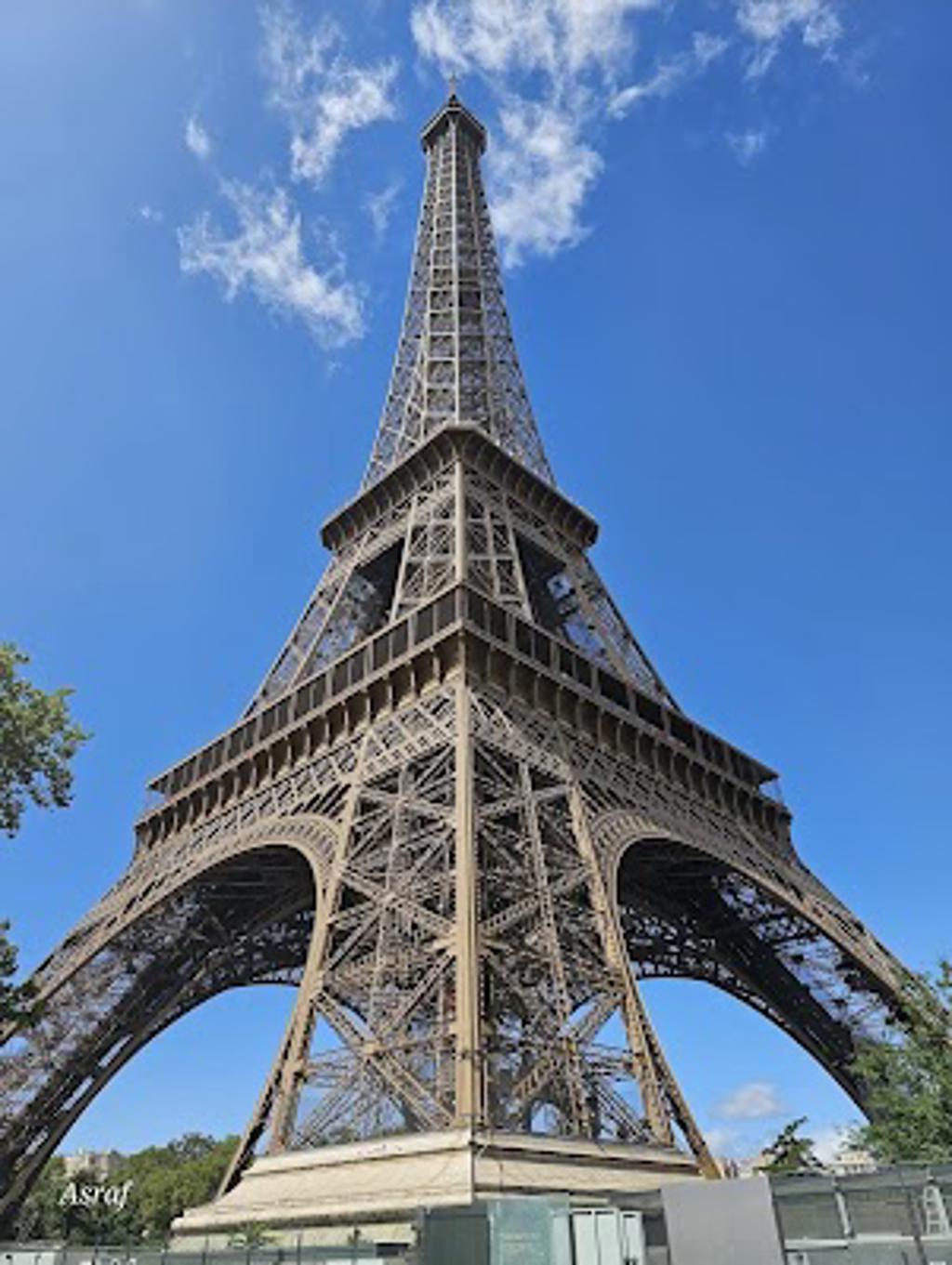
The tower’s design is a blend of functionality and artistry. The lattice structure reduces wind resistance, while the sweeping arches at its base provide both stability and aesthetic grace. Each of the 18,038 iron pieces was precisely calculated and prefabricated, then assembled like a giant puzzle. The names of 72 French scientists, engineers, and mathematicians are engraved on the tower, a tribute to the intellectual achievements that inspired its creation. The elevators, a marvel of 19th-century technology, still operate today, carrying visitors to the upper levels.
Living Legacy
More than just a monument, the Eiffel Tower is a living part of Paris. It serves as a venue for cultural events, light shows, and even scientific experiments. Its nightly illumination, with 20,000 sparkling lights, transforms it into a beacon of romance and wonder. The tower’s enduring appeal lies in its ability to adapt and remain relevant, from its early days as a symbol of industrial progress to its current role as a global icon of art and culture.
Details That Speak
Look closely at the intricate ironwork, and you’ll notice the precision of its assembly, a testament to Eiffel’s engineering genius. The observation decks offer more than just panoramic views; they also house exhibits detailing the tower’s history and construction. The wind turbines and solar panels installed in recent years highlight the tower’s commitment to sustainability, blending its historic legacy with modern environmental consciousness.
Why It Matters Today
The Eiffel Tower remains a symbol of Paris and a testament to human ingenuity. It represents the spirit of innovation that defined the Industrial Revolution and continues to inspire architects and engineers worldwide. For visitors, it’s not just a structure but an experience—a chance to connect with history, marvel at engineering brilliance, and enjoy the timeless beauty of the City of Light.
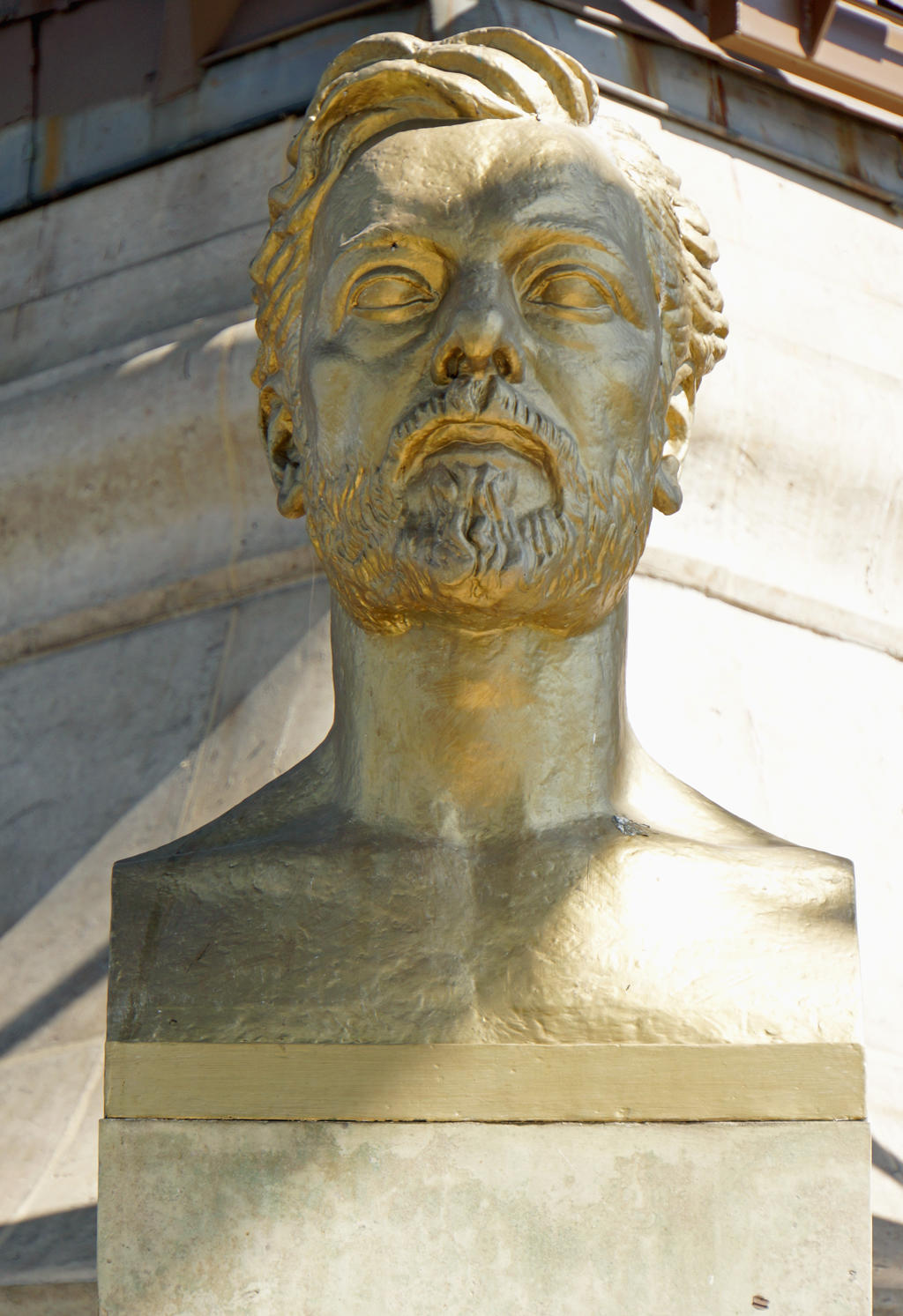
Nearby Places
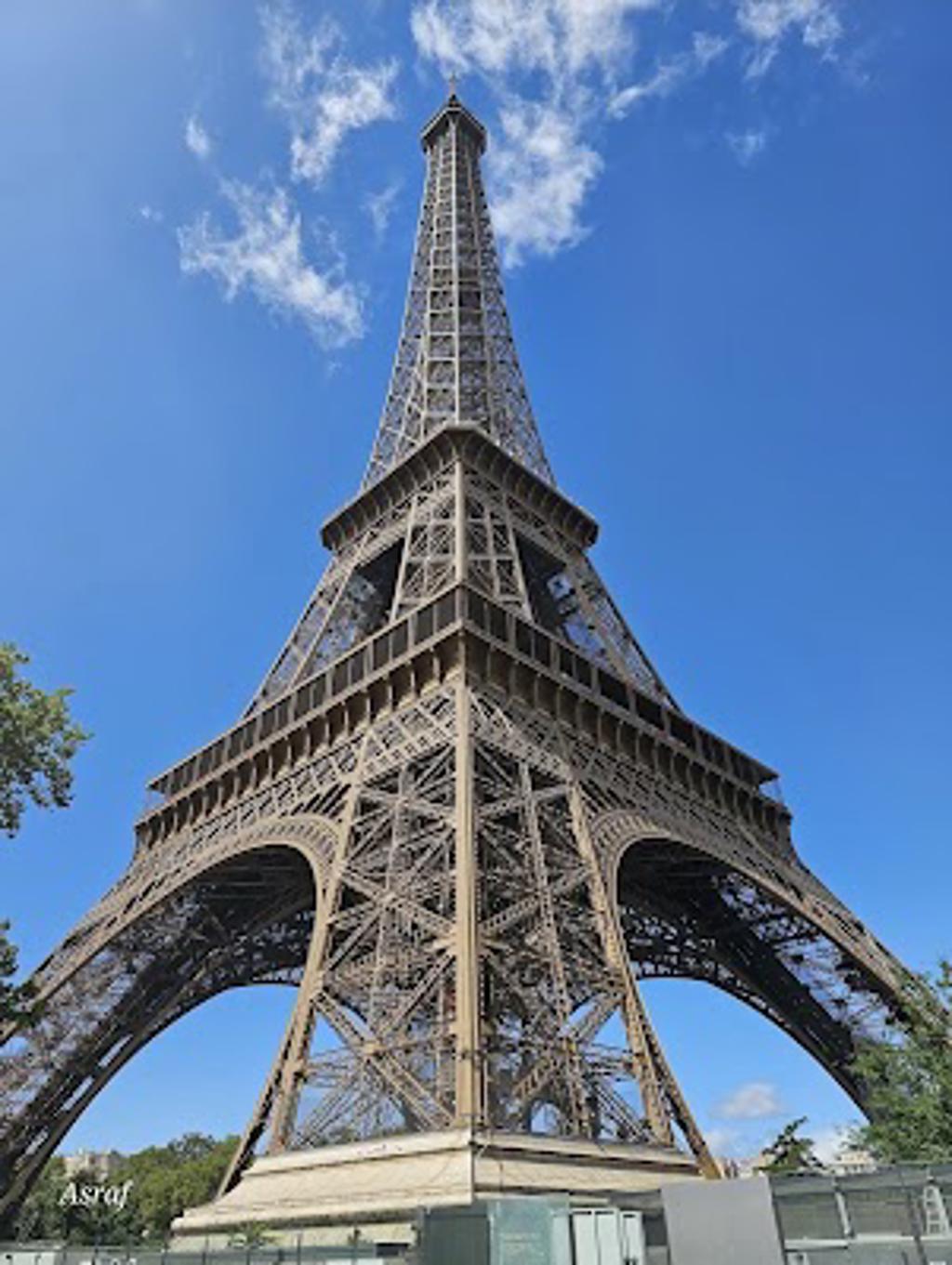
Tour eiffel 3e étage
49m away
Avenue Gustave Eiffel, 75007, Paris
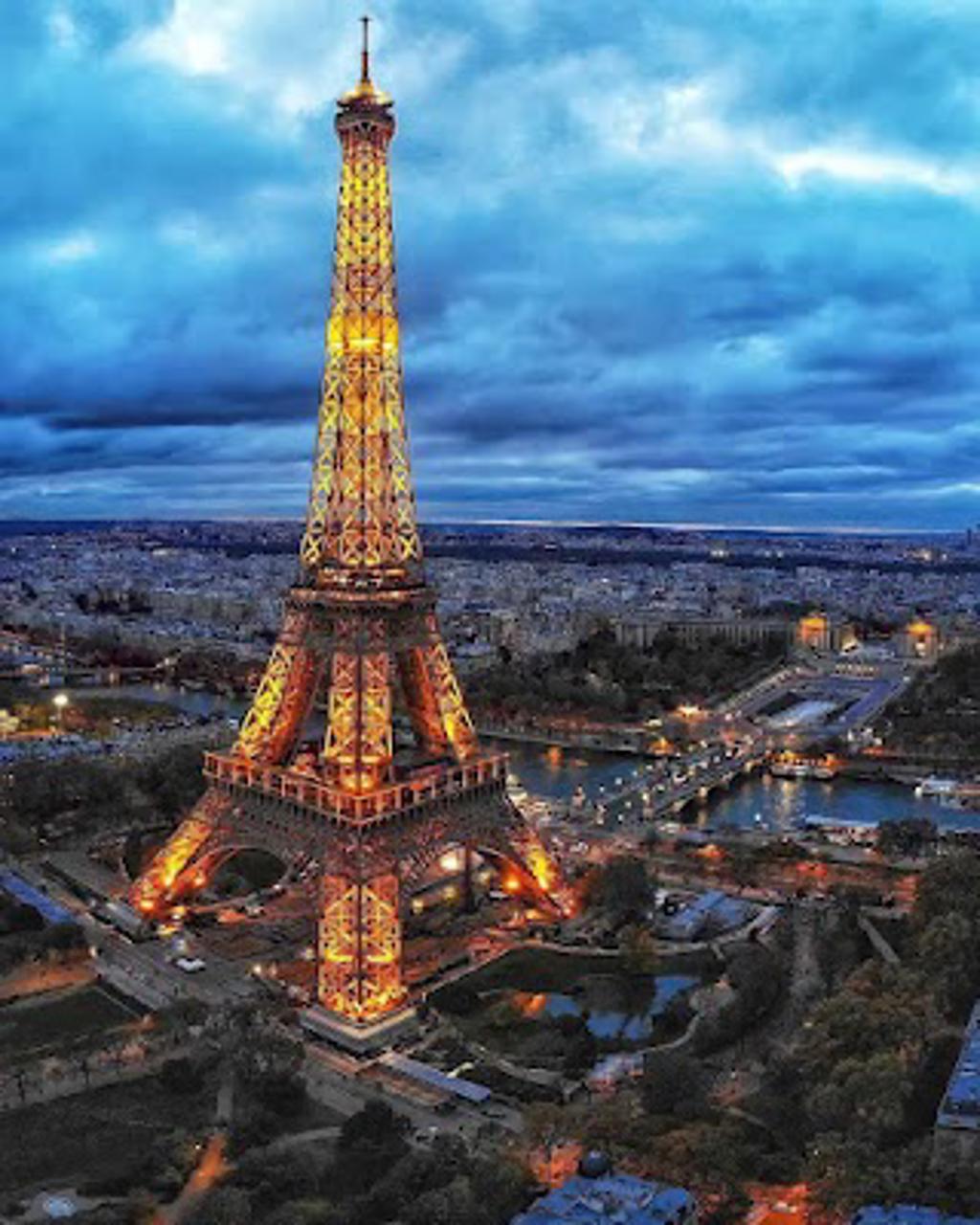
Tour Eiffel 3e étage
49m away
Avenue Gustave Eiffel, 75007, Paris
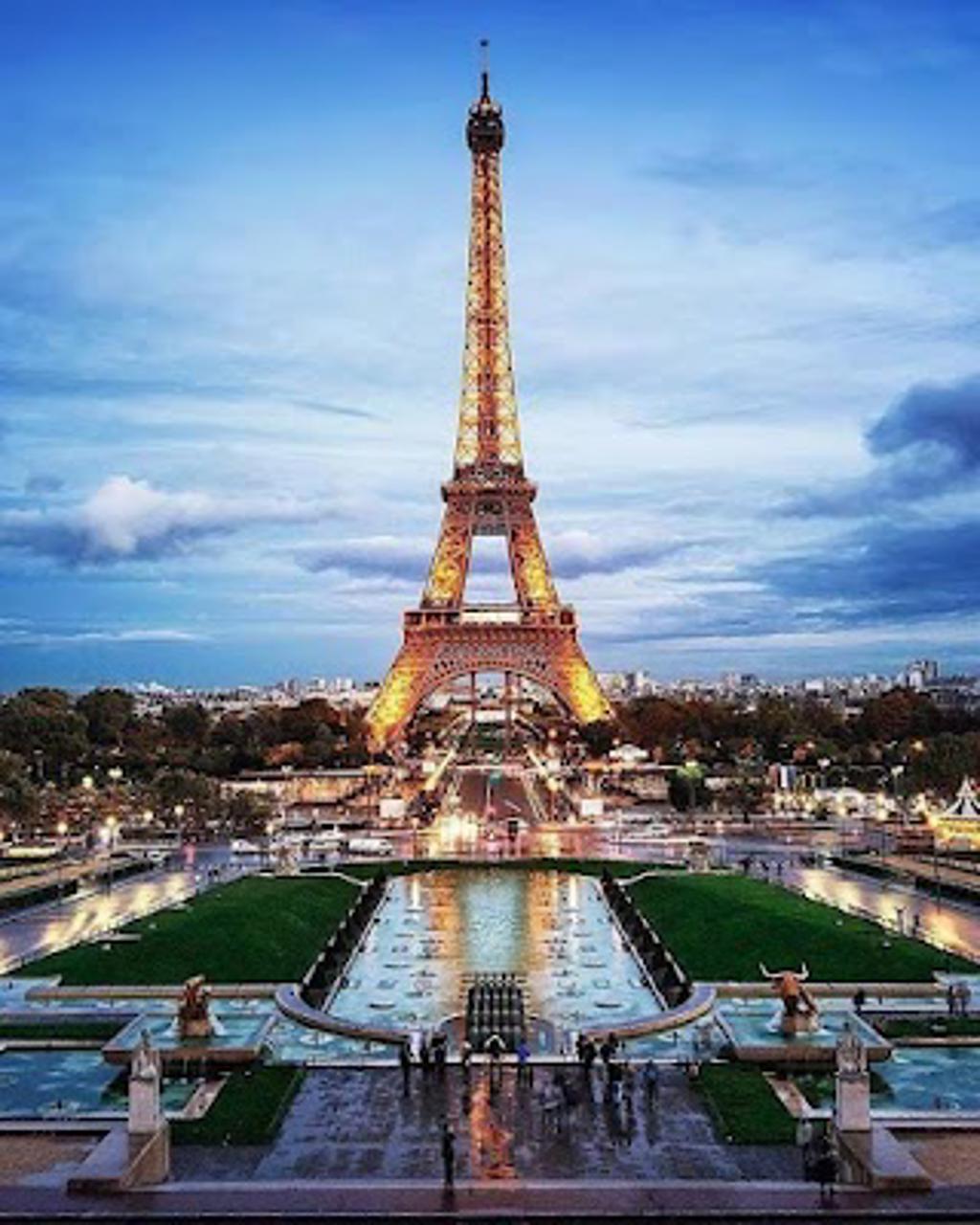
Bureau de Gustave Eiffel
52m away
5 Avenue Anatole France, 75007, Paris
Tour Eiffel
52m away
5 Avenue Anatole France, 75007, Paris
Tour eiffel 2e étage
53m away
Avenue Gustave Eiffel, 75007, Paris
Ferrié Pavilion
72m away
Avenue Gustave Eiffel, 75007, Paris