
About Gérard de Nerval
A bronze bust of Gérard de Nerval gazes out with a contemplative expression, his features finely detailed to capture the essence of the 19th-century poet and writer. The sculpture rests on a simple stone pedestal, surrounded by the quiet greenery of Allée Waslaw Nijinsky. The setting feels intimate, a fitting tribute to a man whose works explored the depths of the human mind and the mysteries of existence. The bust’s polished surface reflects the light, drawing attention to the intensity of his gaze, as if he is lost in thought, pondering the very themes that defined his life and work.
Gérard de Nerval, born Gérard Labrunie in 1808, was a key figure in French Romanticism. Known for his poetry, prose, and translations, he was a pioneer of surrealist thought long before the movement took shape. His works, such as "Aurélia" and "Les Chimères," delve into dreams, mythology, and the subconscious, blending reality with imagination. The bust’s placement in this quiet corner of Paris reflects his connection to the city, where he lived, wrote, and ultimately met his tragic end in 1855. The surrounding area, rich in artistic and literary history, enhances the monument’s significance.
Gérard de Nerval’s Life and Legacy
Born in Paris, Nerval was a gifted writer who translated Goethe’s "Faust" into French at just 19 years old, earning Goethe’s admiration. His life was marked by both brilliance and struggle, as he battled mental illness and financial difficulties. Despite these challenges, he produced some of the most innovative and introspective works of his time. His untimely death, by suicide, shocked the literary world but also cemented his status as a tragic, misunderstood genius. The bust captures this duality—his intellectual depth and the melancholy that often accompanied it.
Plan your perfect trip to Paris with Travo! Download now and start exploring.


Artistic Details and Symbolism
The sculptor has imbued the bust with a sense of vitality, despite its static form. The slight tilt of Nerval’s head and the furrow of his brow suggest introspection, while the smooth lines of the bronze give the piece a timeless quality. The simplicity of the pedestal ensures that the focus remains on Nerval’s face, inviting viewers to connect with the man behind the words. The surrounding greenery adds a natural frame, symbolizing the Romantic ideal of finding beauty and meaning in nature.
Connection to Paris
Paris was both a muse and a stage for Nerval’s life. He wandered its streets, drawing inspiration from its people, architecture, and atmosphere. The 4th Arrondissement, where the bust is located, is steeped in cultural history, making it a fitting home for this tribute. Nearby landmarks, such as the Centre Pompidou and the historic Marais district, create a vibrant backdrop that contrasts with the quiet reflection the monument inspires. This juxtaposition mirrors Nerval’s own life, filled with both creative energy and personal turmoil.
Why It Matters Today
In modern Paris, the bust of Gérard de Nerval serves as a reminder of the enduring power of art and literature. Visitors pause to reflect on his contributions to Romanticism and his influence on later movements like Surrealism. For those familiar with his work, the monument is a place to honor his memory and legacy. For others, it is an invitation to discover the writings of a man who sought to bridge the gap between dreams and reality. In this quiet corner of the city, Nerval’s spirit continues to inspire, reminding us of the beauty and complexity of the human experience.
Map loading...
Location
Allée Waslaw Nijinsky, 75004, Paris
Nearby Places
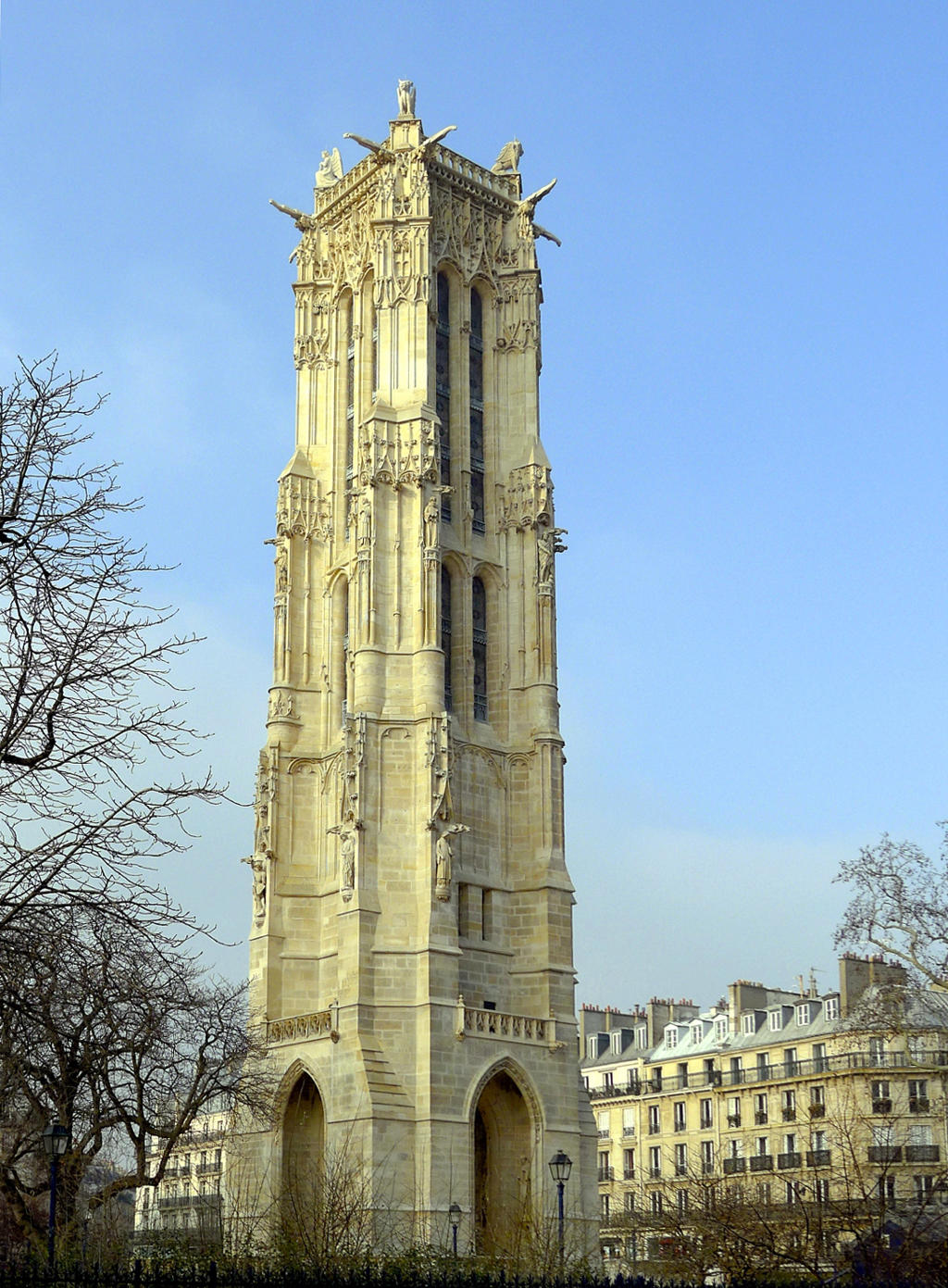
Saint-Jacques Tower
32m away
Allée Waslaw Nijinsky, 75004, Paris
Théâtre de la Ville
69m away
Avenue Victoria, 75004, Paris
Fontaine du Palmier
103m away
Place du Châtelet, 75001, Paris

Pont au Change
165m away
Pont au Change, 75004, Paris
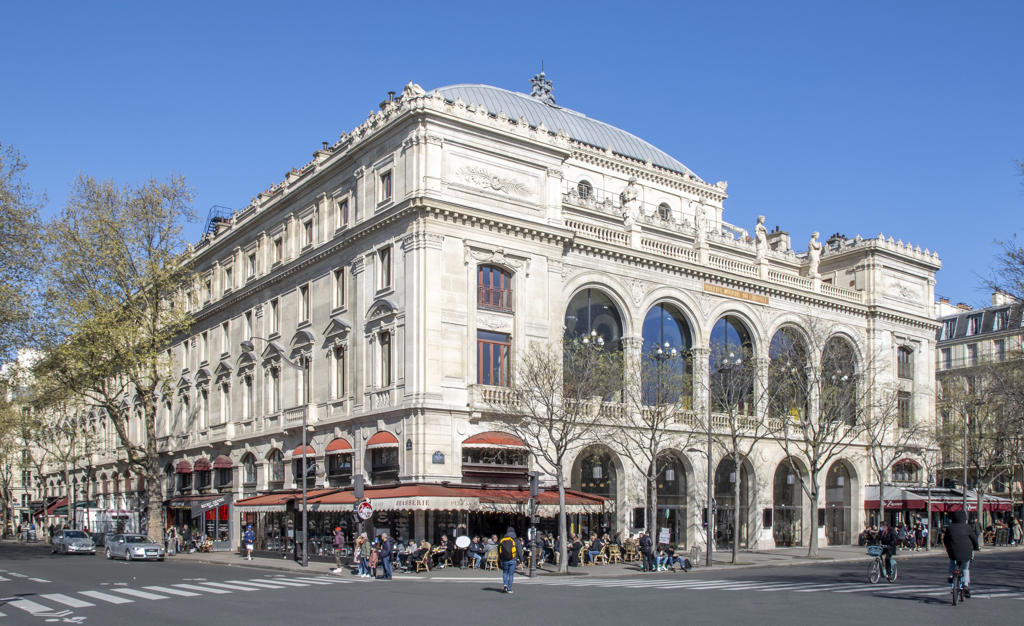
Théâtre du Châtelet
172m away
Place du Châtelet, 75001, Paris
Christ aux outrages
206m away
Rue de la Verrerie, 75004, Paris