
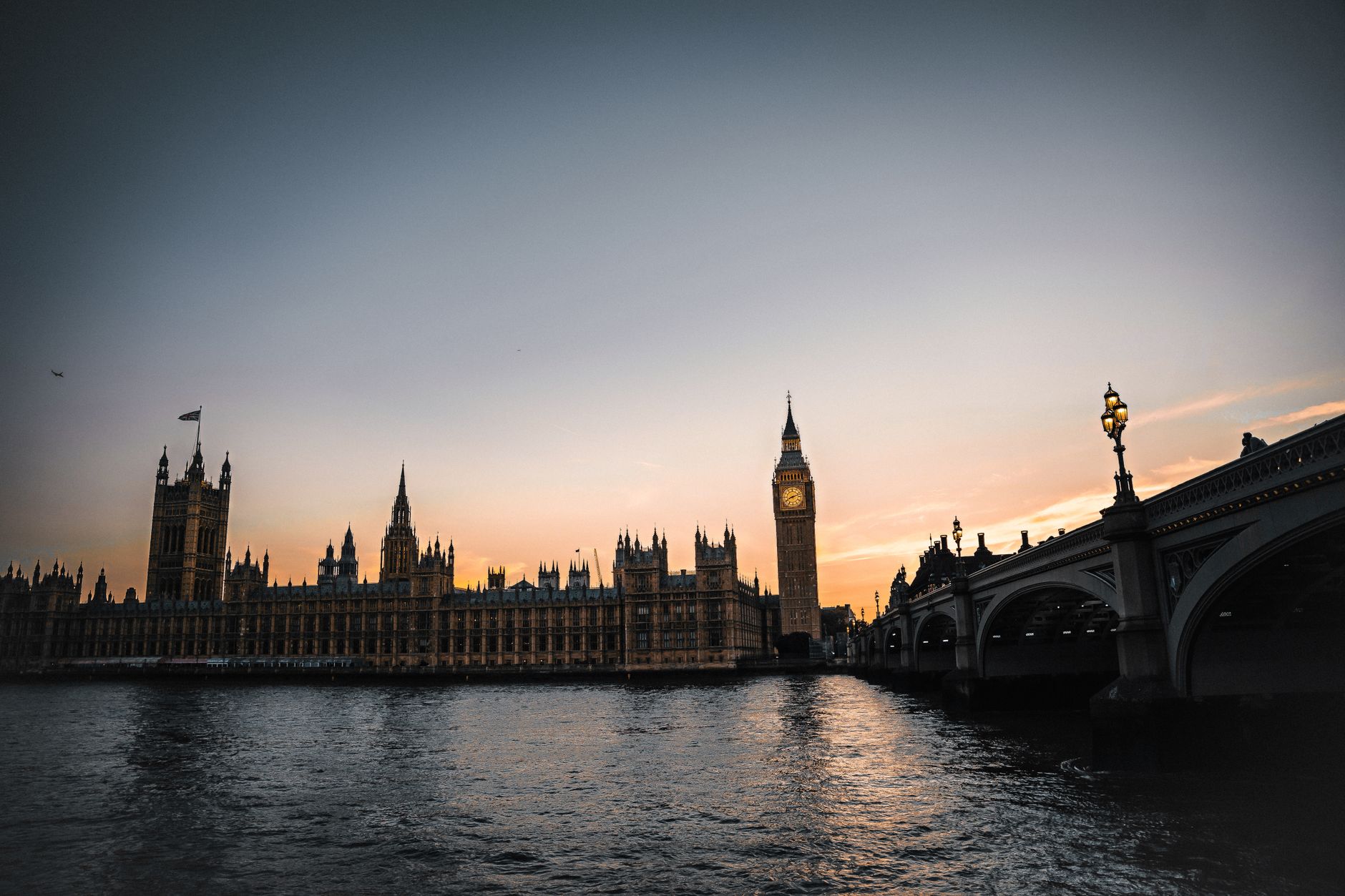
Four days in London is enough to see the landmarks that define the city, spend meaningful time in a museum, enjoy a West End evening, and explore somewhere beyond the usual postcard circuit. The catch is geography: London is too large for a checklist approach. A good plan groups each day around one area and treats travel time, queues, meals, and tired feet as part of the itinerary.
This London 4 day itinerary is designed for a first visit at a comfortable but active pace. It follows a west-to-east route, limits most days to one major ticketed attraction, and includes easy substitutions. If your dates, interests, or mobility needs differ, Travo can turn the framework into a personalized day-by-day trip plan.
London itinerary at a glance
- Day 1: Westminster, St James's Park, Buckingham Palace and the South Bank.
- Day 2: Tower of London, Tower Bridge, Borough Market and the City.
- Day 3: South Kensington museums, Hyde Park, Covent Garden and the West End.
- Day 4: Greenwich, the Thames and a flexible final evening.
Visit London recommends roughly three to five days for a first visit, so four days is a useful middle ground. You will not see everything. The aim is to understand several sides of London without turning the trip into a race.
What to book before you arrive
Book your non-negotiable experiences first, then build around them. The Tower of London, Westminster Abbey, popular West End shows, major temporary exhibitions, and skyline attractions can have timed entry or limited availability. Check official schedules for Changing the Guard rather than assuming it happens every morning. Restaurants with a view or a famous tasting menu also need advance reservations, but ordinary meals do not.
Keep one indoor option unbooked for bad weather. Many national museums have free general admission, although special exhibitions may require a ticket. If you are still deciding how much to schedule, use this city-break planning method: choose one anchor experience, one neighborhood walk, and one flexible activity for each day.
Day 1: Westminster, royal London and the South Bank
Begin early at Westminster Abbey if you want to tour the interior. If not, start in Parliament Square for views of the Abbey, Big Ben, and the Houses of Parliament. Walk through St James's Park toward Buckingham Palace. This sequence is compact and works better than bouncing between royal sights on different days.
After the palace, continue along The Mall toward Trafalgar Square. Choose either the National Gallery for a focused art visit or lunch around Covent Garden; trying to do both slowly before mid-afternoon will compress the rest of the day. Then cross the Thames by the Golden Jubilee Bridges and walk the South Bank. The river route gives you views of the London Eye, Parliament, St Paul's, and the changing skyline without another ticket.
For sunset, choose one viewpoint: the London Eye, a booked observation deck, or simply the river. End near Waterloo, Covent Garden, or Soho depending on your dinner plans. Avoid adding the Tower of London today—it belongs with the eastern sights on Day 2.
Day 2: Tower of London, Tower Bridge and the City
Make the Tower of London your first timed entry. Allow at least three hours if you want the Crown Jewels, a Yeoman Warder tour, and the main fortress buildings. It is the day's anchor, not a quick photo stop. Afterwards, walk across Tower Bridge; book the exhibition only if the engineering and high-level walkways genuinely interest you.
Continue west along the south bank for lunch at Borough Market. It can be crowded, so choose a short list of stalls rather than circling repeatedly. From there, see Shakespeare's Globe and Tate Modern from the riverside. Enter Tate Modern if contemporary art is a priority; otherwise cross the Millennium Bridge toward St Paul's Cathedral and explore the lanes of the City.
Finish around St Paul's, Bank, or Shoreditch. A route like this is why mapping matters: the attractions form a natural line. The same principle applies to any large city, as explained in the guide to choosing a travel itinerary app with maps.
Day 3: South Kensington, Hyde Park and the West End
Choose one South Kensington museum for the morning: the Victoria and Albert Museum for design and decorative arts, the Natural History Museum for nature and architecture, or the Science Museum for interactive exhibits. All are large enough to absorb half a day. Decide on two galleries or themes before arriving instead of attempting every floor.
Have lunch in South Kensington, then walk north through Hyde Park and Kensington Gardens. In poor weather, replace the park with more museum time or a temporary exhibition. In good weather, the open space creates a useful pause after two sight-heavy days.
Move east for a relaxed afternoon around Covent Garden, Seven Dials, and Soho. This is the best evening for a West End show. Reserve enough time for dinner and arrive without a cross-city sprint. If theatre is not your thing, use the evening for live music, a food tour, or a late museum opening after confirming the current schedule.
Day 4: Greenwich and a different view of London
Spend the final day in Greenwich. Travel there by river boat if the weather and timetable work; the journey turns transport into sightseeing. In Greenwich, choose from the Cutty Sark, National Maritime Museum, Queen's House, and Royal Observatory. Walk through Greenwich Park for the hilltop view, then have lunch around Greenwich Market.
Do not book every attraction. The appeal of this day is its slower pace and contrast with central London. Return by Docklands Light Railway or boat. Keep the last evening free for anything you missed, a favorite neighborhood, or an early night before departure. Travelers who would rather stay central can substitute the British Museum, Bloomsbury, Regent's Canal, and Camden Market.
How to get around without wasting time
Use contactless payment or Oyster on Transport for London services and use the same card or device throughout the day so fare capping works correctly. Touch in and out on rail services; on buses and trams, touch in only. Check the official TfL fare page before your trip because caps and zones can change.
TfL Go is useful for official status information, Citymapper compares practical transport options, and Google Maps is handy for saved places and walking navigation. Those tools solve movement. Travo solves the planning layer: it can organize your preferences into a structured itinerary before you use live navigation on the ground. For the best result, leave 20 to 30 minutes around major transfers and do not schedule consecutive timed tickets in different neighborhoods.
How to adapt the route
- For families: shorten museum visits, add playground time in St James's Park or Greenwich Park, and protect an afternoon break.
- For limited mobility: verify step-free routes in TfL's tools, reduce bridge and riverside walking, and cluster meals close to attractions.
- For rain: prioritize museums, covered markets, and a show; move park time to the clearest forecast window.
- For repeat visitors: replace Westminster with Hampstead, Richmond, Brixton, or a neighborhood linked to a personal interest.
If London is one stop on a longer European trip, compare the pacing with this three-day Amsterdam itinerary. A shorter, more compact city can handle more spontaneous movement; London benefits from firmer geographic planning.
Common four-day London mistakes
The biggest mistake is counting attractions instead of hours. A large museum, the Tower, or a palace can consume half a day once security, queues, and meals are included. Other common errors are scheduling both sides of the city in one afternoon, treating the Tube map as a distance map, booking every meal, and leaving no alternative for rain or transport disruption.
A stronger plan has priorities. Mark each stop as essential, optional, or a backup. If the essential experience runs long, drop an optional stop rather than sacrificing lunch or rushing the next booking. That simple rule keeps the itinerary useful in the real city.
Build your own London 4 day itinerary
Use this route as a starting point, not a command. Your ideal London may focus on football, royal history, theatre, food, architecture, Harry Potter, or free museums. Tell Travo your dates, pace, budget, and must-sees to generate a personalized London plan, then verify live opening hours, tickets, and transport before you go.