
Ten days in Italy is enough to experience three extraordinary cities without turning the trip into a race. The most efficient first-time route is Rome to Florence to Venice: it runs in one direction, each transfer is easy by high-speed train, and every stop feels distinctly different. You get ancient monuments and lively neighborhoods in Rome, Renaissance art and Tuscan food in Florence, then canals and lagoon light in Venice.
This Italy itinerary for 10 days uses three nights in Rome, three nights in Florence, and three nights in Venice, with arrival and departure time built into the plan. It prioritizes one or two major sights each day instead of an impossible checklist. If you want the schedule adjusted around your dates, interests, hotel, walking pace, and reservations, Travo can turn those preferences into a personalized day-by-day trip.
10-Day Italy Itinerary at a Glance
- Days 1–3: Rome — historic center, the Colosseum and Roman Forum, Vatican City, and Trastevere.
- Day 4: Rome to Florence — morning train, Duomo district, and an evening viewpoint.
- Days 5–6: Florence and Tuscany — Renaissance art, markets, Oltrarno, plus an optional Siena or Bologna day trip.
- Day 7: Florence to Venice — morning train and a relaxed introduction to the canals.
- Days 8–9: Venice — San Marco, quieter neighborhoods, and the lagoon islands.
- Day 10: Departure — one final walk before the airport or onward train.
Book an open-jaw flight if possible: arrive in Rome and depart from Venice. Returning to Rome costs valuable time and may erase any airfare savings.
Days 1–3: Rome Without the Rush
Day 1: Historic Rome and an Easy First Evening
After checking in, keep your first day flexible. Walk a compact route from Piazza Navona to the Pantheon, Trevi Fountain, and Spanish Steps. These landmarks work well on arrival day because they do not require a tightly timed sequence, although Pantheon entry may require a ticket. Pause for coffee or aperitivo rather than adding another museum. Jet lag and delayed flights are easier to absorb when the day has only one neighborhood.
Day 2: Colosseum, Forum, and Trastevere
Reserve the Colosseum for the morning, then continue through the Roman Forum and Palatine Hill. Together they can occupy four or five hours, especially if you enjoy history. Have lunch in Monti, rest at your hotel, and cross the river to Trastevere in the evening. The separate three-day Rome itinerary gives more detail on grouping these sights and avoiding unnecessary backtracking.
Day 3: Vatican City and the Prati Neighborhood
Use a timed reservation for the Vatican Museums and allow at least three hours. Visit St. Peter's Basilica separately and account for security lines. Instead of rushing across Rome afterward, stay nearby for lunch in Prati, walk toward Castel Sant'Angelo, and finish beside the Tiber. Tickets and opening rules can change, so confirm details on official attraction sites shortly before departure.
Days 4–6: Florence and a Taste of Tuscany
Day 4: High-Speed Train and the Duomo
Take a morning Frecciarossa or Italo service from Roma Termini to Firenze Santa Maria Novella. Direct high-speed journeys are typically around an hour and a half, and both stations are central. Compare Trenitalia and Italo for the timetable and fare that suit you; advance tickets are often less expensive but may have stricter change rules.
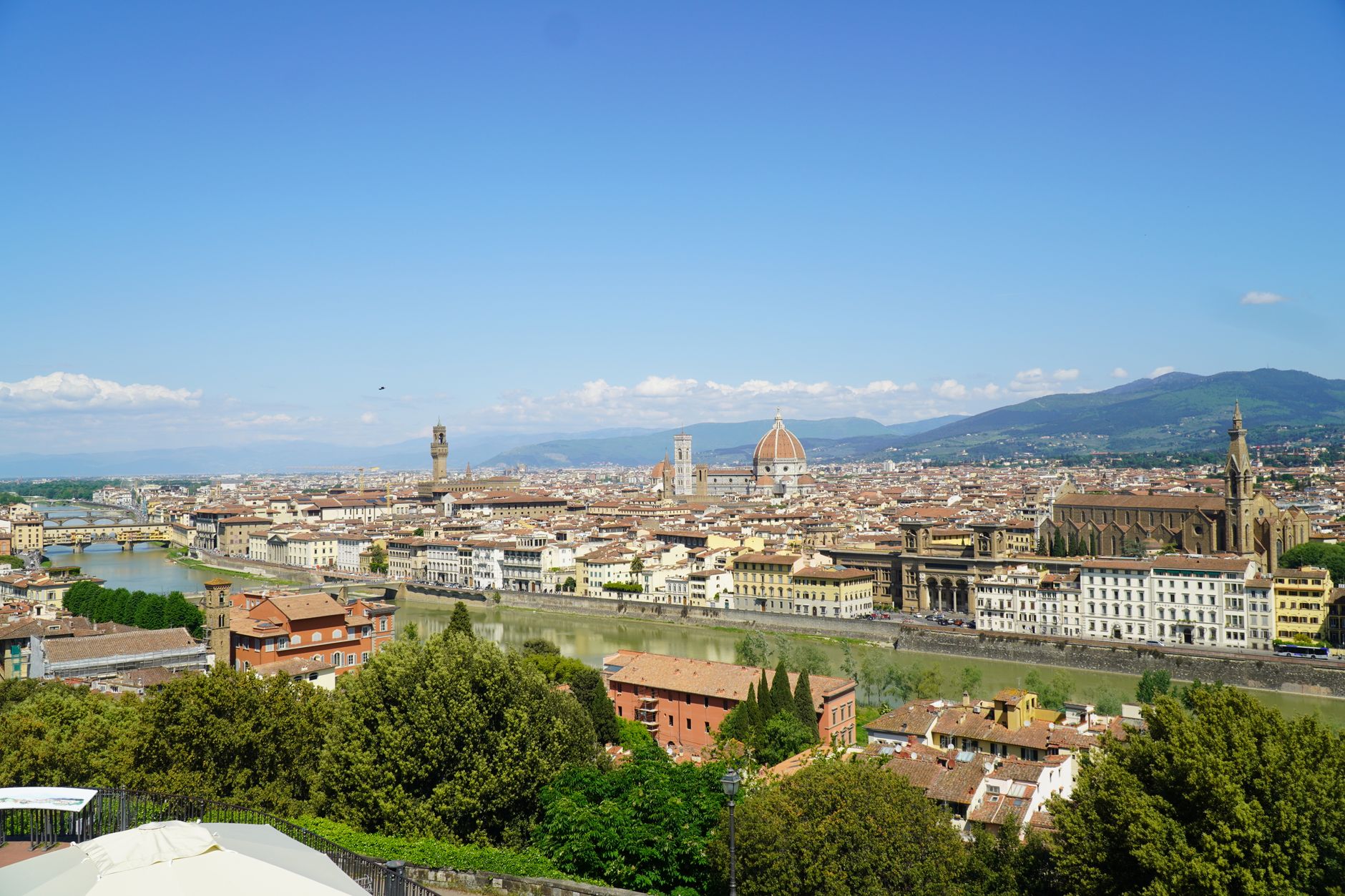
Leave your luggage, then explore the Duomo exterior, Piazza della Signoria, and Ponte Vecchio. If energy allows, climb to Piazzale Michelangelo for sunset. Do not book the Uffizi on this transfer day: a delayed start should not ruin an expensive timed reservation.
Day 5: Renaissance Masterpieces and Oltrarno
Choose the Uffizi Gallery or the Accademia for the morning rather than trying to study both at speed. Add the other only if art is the main purpose of your trip. Spend the afternoon across the Arno in Oltrarno, where artisan workshops, Santo Spirito, and smaller streets provide a useful contrast to Florence's crowded center. Reserve a dinner spot, but leave enough time to wander.
Day 6: Florence, Siena, or Bologna
This is your flexible day. Stay in Florence for markets, churches, gardens, and a second museum, or take one focused day trip. Siena suits travelers seeking a Tuscan hill-town atmosphere; Bologna is faster to reach by high-speed train and is excellent for food lovers. Avoid squeezing Siena, Pisa, and wine country into one day. If you prefer longer stays and regional immersion, compare this route with the slow travel Italy itinerary.
Days 7–9: Venice Beyond San Marco
Day 7: Train to Venice and a Canal-Side Introduction
Travel from Firenze Santa Maria Novella to Venezia Santa Lucia, usually in a little over two hours on a direct high-speed service. Make sure your ticket ends at Santa Lucia, not Venezia Mestre on the mainland. From Santa Lucia, walk or take a vaporetto to your accommodation.
Use the afternoon to learn Venice rather than chase attractions. Follow signs loosely toward Rialto, cross smaller bridges through Cannaregio or San Polo, and ride a vaporetto along the Grand Canal near sunset. Venice is most rewarding when the itinerary includes time to get pleasantly lost.
Day 8: San Marco Early, Then Dorsoduro
Visit St. Mark's Basilica and the Doge's Palace early with reservations where available. After lunch, leave the busiest corridor for Dorsoduro. Walk the Zattere waterfront, choose a smaller church or gallery, and stop for cicchetti. A gondola ride is optional; a vaporetto offers a much cheaper view of daily life on the water.
Day 9: Lagoon Islands or a Quiet Venice Day
Choose Murano and Burano if colorful islands and glassmaking appeal to you, but expect transport to consume much of the day. Alternatively, stay in Venice for Castello, the gardens, markets, and overlooked churches. The second option is often better for travelers who dislike crowds or have already packed several major sights into the trip.
Day 10: Departure Without a Logistics Surprise
Check how you will reach the airport before the final morning. Venice Marco Polo requires water or road transport, while Treviso is farther away and commonly used by budget airlines. Build a buffer for walking with luggage, vaporetto waits, and airport security. If your departure is late, store bags and enjoy one final neighborhood breakfast rather than scheduling another timed attraction.
Booking, Budget, and Packing Tips
- Reserve the bottlenecks first: flights, Rome and Venice hotels, major museums, and long-distance trains.
- Pack light: station stairs, cobblestones, bridges, and small hotel lifts make a carry-on easier than a large suitcase.
- Stay near useful transport: proximity to a central station or vaporetto stop can save more time than a marginally cheaper room.
- Validate train tickets when required: digital high-speed tickets usually work differently from regional paper tickets, so follow the instructions attached to your fare.
- Keep a daily buffer: one unassigned hour allows for queues, heat, a longer lunch, or a place you discover unexpectedly.
A spreadsheet, Google Maps, and the Trenitalia or Italo apps can manage separate pieces of the journey. The hard part is keeping reservations, realistic travel time, interests, and backup options in one coherent schedule. A purpose-built planner such as Travo helps shape those pieces into an itinerary you can use on the move.
How to Personalize This Route
For a slower trip, remove Venice or Florence and add nights to the remaining cities. For food, substitute Bologna for one Florence night. Families may need a rest block every afternoon; art lovers may want two reserved museum mornings; travelers with limited mobility should minimize hotel changes and verify step-free routes. The same planning principles apply to a wider journey, and the Europe trip planning guide explains how to connect Italy with neighboring countries without zigzagging.
The best 10-day Italy itinerary is not the one with the most pins. It is the one that protects the experiences you care about and leaves enough room to enjoy them. Start with this Rome–Florence–Venice framework, then use Travo to tailor the pace, dining, transport, and daily priorities to your actual trip.