
A good China itinerary for 2 weeks should feel like a journey across several versions of the country, not a race between famous landmarks. Fourteen days gives a first-time visitor enough room for imperial Beijing, the archaeological depth of Xi'an, Chengdu's food and pandas, the limestone scenery around Guilin and Yangshuo, and Shanghai's waterfront skyline. The route below keeps those contrasts while limiting unnecessary backtracking.
The biggest planning mistake is adding too many distant stops. China is vast, and even fast trains consume part of a day once station transfers and security are included. This plan uses five bases, mixes rail with one or two flights, and leaves breathing room around the headline sights. To adapt it to your arrival airport, pace, budget, and interests, use Travo to generate a personalized day-by-day version rather than rebuilding every connection by hand.
Two-Week China Route at a Glance
- Days 1-4: Beijing, including a full Great Wall day
- Days 5-6: Xi'an and the Terracotta Army
- Days 7-8: Chengdu, pandas, teahouses, and Sichuan food
- Days 9-11: Guilin and Yangshuo's karst countryside
- Days 12-14: Shanghai, with an optional water-town day trip
Book an open-jaw international ticket into Beijing and home from Shanghai when the fare works. That simple choice avoids returning to your starting point. If your flights work better in reverse, the route is equally practical from Shanghai to Beijing. Anyone combining China with more countries should also review the principles in our multi-city trip planner guide.
Days 1-4: Beijing
Day 1: Keep arrival day light. Check in near a useful metro line, walk through a hutong neighborhood or around Qianmen, and eat an early dinner. Avoid prepaying for a major timed attraction on the same day as an international flight.
Day 2: Start at the Temple of Heaven, then devote the afternoon to the Forbidden City and nearby imperial core. Major attractions can require advance reservations and passport details, so check official booking rules before your trip. Do not stack three museums onto this day; the scale and walking distance are tiring enough.
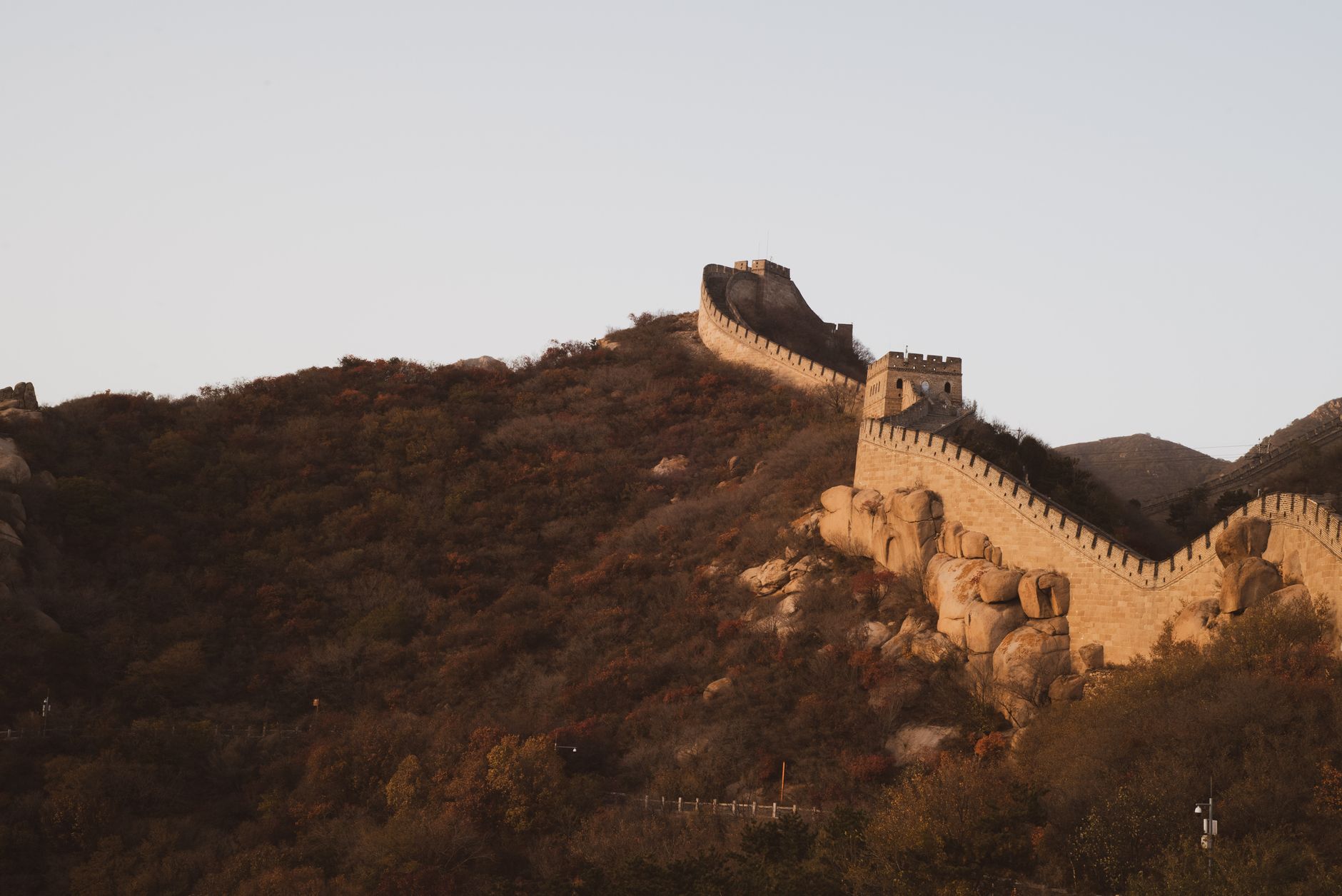
Day 3: Reserve a full day for the Great Wall. Mutianyu is a practical first choice for many visitors because it combines restored ramparts with straightforward visitor infrastructure. Keen hikers may prefer a quieter section, but transfer time and trail difficulty should shape that decision more than a photo checklist.
Day 4: Visit the Summer Palace or explore more hutongs, then take an afternoon or evening high-speed train to Xi'an. Pack food and arrive at the station with time for identity checks. A four-night Beijing stay gives you one weather buffer: if the Wall forecast is poor, swap days two and three.
Days 5-6: Xi'an
Day 5: Make the Terracotta Army the day's anchor. It lies outside central Xi'an, so treat it as a substantial excursion rather than a quick stop. Back in the city, walk or cycle a section of the City Wall near sunset if energy allows.
Day 6: Explore the Bell and Drum Tower area, the Muslim Quarter, and one museum or pagoda. The key is restraint: Xi'an rewards time spent tasting local dishes and noticing layers of Silk Road history. Leave for Chengdu late in the day by high-speed train, or travel the following morning if you prefer slower pacing.
Days 7-8: Chengdu
Day 7: Visit a reputable panda research base early, when the animals are generally more active and temperatures are cooler. Spend the afternoon at a teahouse or in a traditional neighborhood, then try a Sichuan dinner at a heat level you can enjoy rather than endure.
Day 8: Choose one focus: a relaxed Chengdu city day, a cultural excursion, or an additional nature stop. This is deliberately not a packed transit day. Two nights here break up the journey and make the itinerary feel like a holiday. Travelers who care more about mountains than food could replace Chengdu with Zhangjiajie, but should not try to squeeze both into the same 14 days.
Days 9-11: Guilin and Yangshuo
Day 9: Fly or take the most sensible rail connection to Guilin, depending on schedules available for your dates. Continue toward Yangshuo if arrival time permits. This is primarily a transfer day, so plan only an evening walk or riverside meal.
Day 10: Give the karst landscape a full day. Options include a Li River experience, cycling through the countryside, or a carefully chosen hike. Weather matters here; keep indoor caves or a cooking activity as a backup rather than forcing a scenic excursion in poor visibility.
Day 11: Enjoy a slower morning, then position yourself for the journey to Shanghai. If you prefer cities and classical gardens, another sensible version drops Guilin and uses these days for Hangzhou and Suzhou. The best route is the one that matches your interests, not the one with the longest list of pins.
Days 12-14: Shanghai
Day 12: Settle in and walk the Bund near dusk, then look across to Pudong as the city lights come on. Pair the waterfront with nearby streets rather than crossing the entire metropolis on your first evening.
Day 13: Contrast old and new Shanghai. Build a geographic loop through a historic neighborhood, a museum or garden, and one modern district. A map-based plan matters because an attraction that looks close can still demand a long metro transfer.
Day 14: Keep the final day flexible. Stay in Shanghai for food, shopping, and architecture, or take a day trip to a nearby water town if your departure is the next morning. If you fly that evening, remain in the city and leave a generous airport buffer.
How to Book Transport Without Losing Days
China Railway's 12306 service is the official rail booking platform, while Trip.com is a widely used alternative interface for international travelers. Compare the exact station names before paying: large cities have multiple stations, and choosing the wrong one can add a difficult transfer. Tickets are linked to identity documents, so enter passport details exactly as shown and carry that passport on travel days.
Use trains where they preserve the flow, especially Beijing to Xi'an and Xi'an to Chengdu. Consider a domestic flight when rail would consume most of a day, such as the southwest-to-Shanghai leg. Tools such as Amap and Baidu Maps can help with local routing; check which services work on your device before departure. Save hotel names and addresses in Chinese characters for drivers and station staff.
Practical Planning Checklist
- Entry rules: Visa and visa-free policies vary by passport and can change. Verify requirements with an official Chinese embassy or consular source before booking nonrefundable travel.
- Reservations: Check official booking windows for headline sights and trains. Avoid assuming walk-up entry will be available.
- Payments: Prepare more than one payment method and test any mobile wallet setup before relying on it.
- Connectivity: Research roaming, eSIM, and local internet restrictions in advance. Download critical confirmations and addresses.
- Peak periods: National holidays and school breaks can transform crowd levels and ticket availability. Check the calendar for your exact year.
- Luggage: Pack light enough to handle stations, metro changes, and hotel transfers without turning each move into an ordeal.
If this is your first complex trip, the same pacing lessons apply to other long routes such as our 14-day Japan itinerary and two-week Vietnam itinerary: fewer bases, logical direction, and protected transit time usually create a better experience than adding one more city.
Customize This China Itinerary
This route is a strong first draft, not a universal prescription. Families may want fewer hotel changes. Food-focused travelers may add a Chengdu night. Landscape lovers may exchange Chengdu for Zhangjiajie, while art and architecture fans may add Hangzhou or Suzhou near Shanghai. Start by ranking your three non-negotiables, then remove stops that force repeated flights or one-night stays.
Travo can turn those preferences into a coherent itinerary with daily activities and realistic pacing. Give it your dates, must-see places, travel style, and constraints, then verify transport and admission details with official providers before purchase. You can also regenerate the plan when weather, ticket availability, or energy levels change instead of manually moving every item.
Final Take
Two weeks in China is enough for a meaningful first trip when the route has a clear shape. Beijing, Xi'an, Chengdu, Guilin or Yangshuo, and Shanghai deliver history, food, scenery, and modern city life without pointless backtracking. Protect transfer time, confirm changing rules, and resist the urge to add every famous destination. When you are ready to personalize the framework, build your own version with Travo.