
About San Remo Cafe
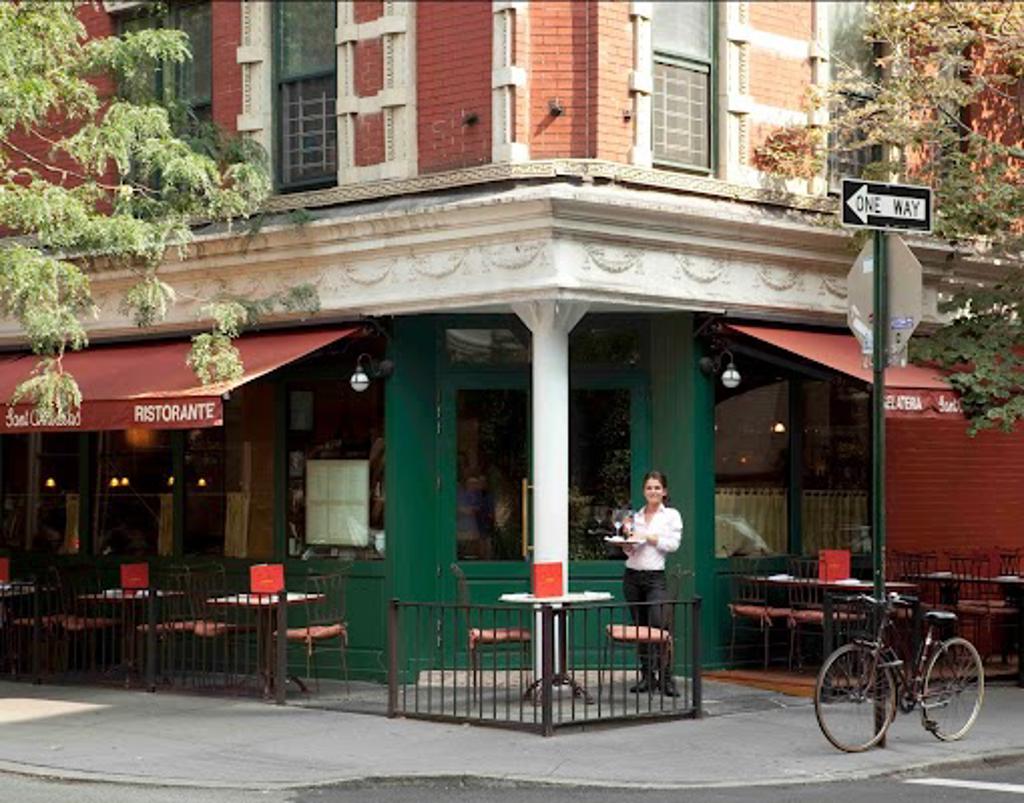
The corner of MacDougal and Bleecker Streets once buzzed with the energy of the San Remo Cafe, a legendary meeting place for artists, writers, and thinkers. Its unassuming exterior belied the cultural revolution brewing within. The cafe’s wooden tables and smoky air bore witness to conversations that shaped the Beat Generation and the counterculture movement of the mid-20th century. The clinking of glasses and the hum of intellectual debates filled the room, creating an atmosphere of creativity and rebellion.
Opened in the 1920s, the San Remo became a haven for bohemians and intellectuals. By the 1940s and 1950s, it was a hub for figures like Jack Kerouac, Allen Ginsberg, and William S. Burroughs. The cafe’s location in Greenwich Village, a neighborhood known for its progressive spirit, made it a natural gathering spot for those challenging societal norms. The San Remo was more than a cafe; it was a crucible for ideas that would ripple through literature, art, and politics.
Bohemian Spirit
The San Remo’s charm lay in its ability to attract a diverse crowd. Writers, poets, musicians, and activists mingled here, exchanging ideas and challenging conventions. The cafe’s dim lighting and worn furniture created an intimate setting for discussions that often lasted late into the night. It was a place where boundaries blurred, and creativity flourished. The bohemian spirit of the San Remo reflected the ethos of Greenwich Village, a neighborhood that has long been a beacon for free thinkers.
Plan your perfect trip to New York with Travo! Download now and start exploring.


Literary Legends
Jack Kerouac, a leading figure of the Beat Generation, was a regular at the San Remo. His novel "On the Road" captures the restless energy and quest for meaning that defined the era. Allen Ginsberg, whose poem "Howl" became a manifesto for the counterculture, also frequented the cafe. These writers found inspiration in the San Remo’s eclectic mix of patrons and its atmosphere of intellectual ferment. The cafe was a place where ideas were tested, challenged, and refined.
Artistic Crossroads
The San Remo was not just a literary hub; it was also a meeting place for artists and musicians. Abstract expressionists like Jackson Pollock and Willem de Kooning were known to visit, as were jazz musicians who performed in nearby clubs. The cafe served as a crossroads for different artistic disciplines, fostering collaborations and cross-pollination of ideas. This blending of art forms was a hallmark of the creative explosion that defined mid-20th-century Greenwich Village.
Legacy and Influence
Though the San Remo Cafe closed its doors in the 1960s, its legacy endures. The ideas and works that were born here continue to influence literature, art, and culture. The cafe’s spirit lives on in the vibrant creative community of Greenwich Village, which remains a hub for artists and thinkers. The San Remo is remembered as a symbol of a time when creativity and rebellion went hand in hand, and when a small cafe could be the epicenter of a cultural revolution.
Map loading...
Location
MacDougal Street, 10012, New York
Nearby Places
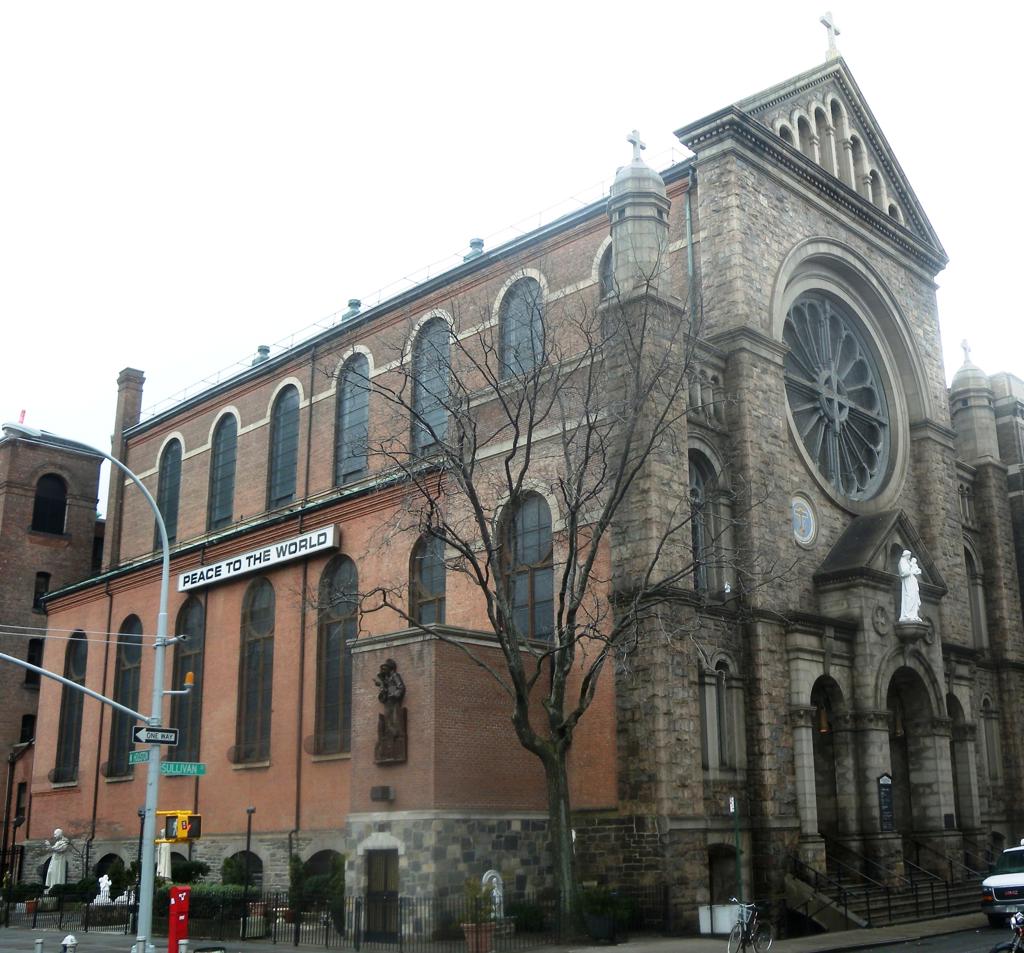
St. Anthony of Padua Church
237m away
154 Sullivan Street, 10012, New York
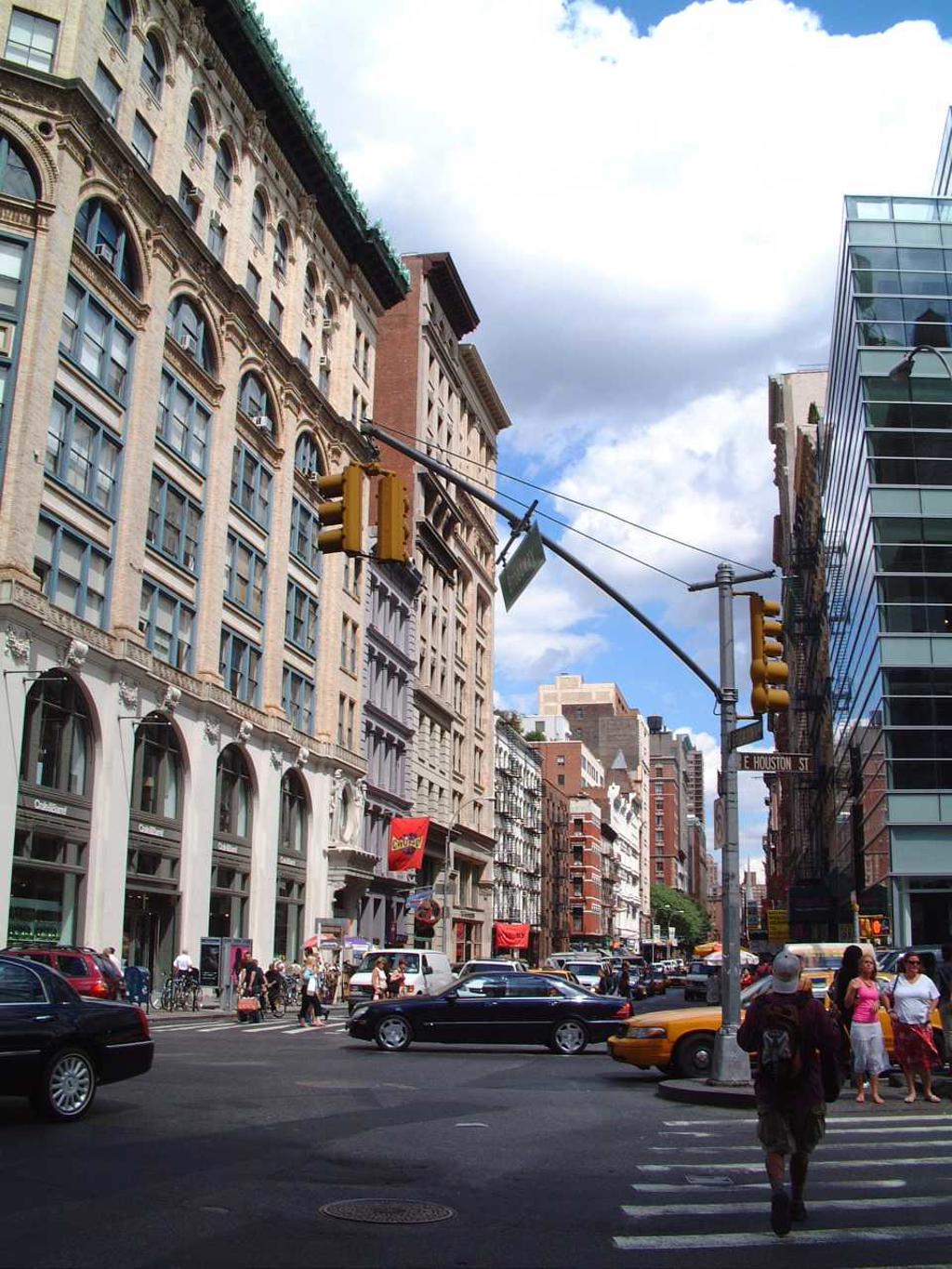
Soho
747m away
City of New York
Textile building
1.4km away
Leonard Street, 10013, New York
Staple Street Skybridge
1.4km away
Staple Street, 10005, New York
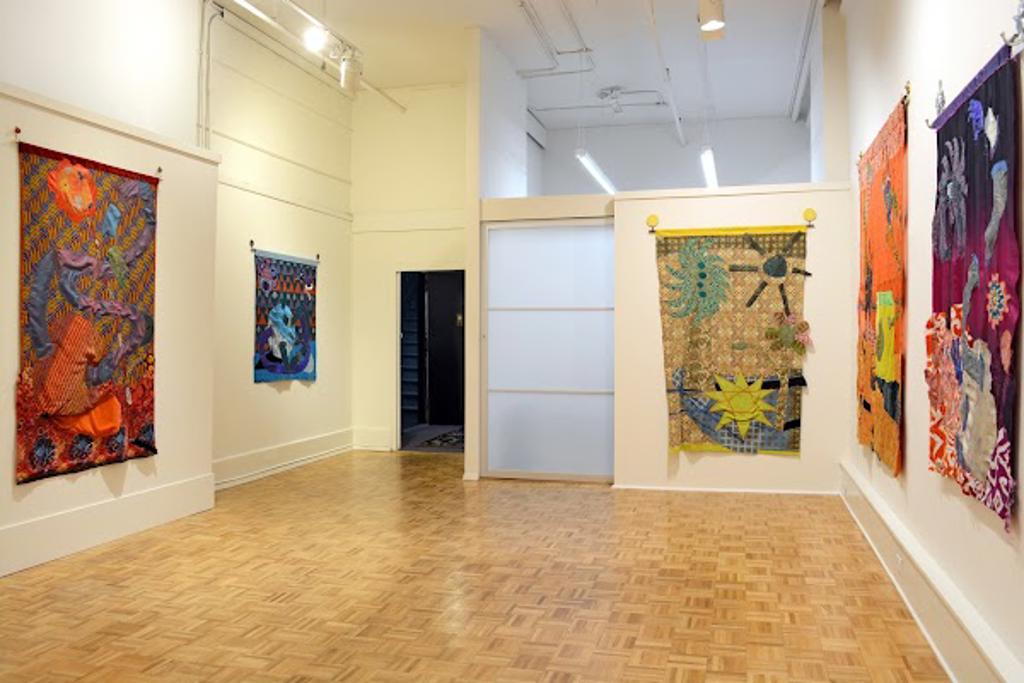
Gerben Fine Art
1.5km away
60 Hudson Street, 10014, New York
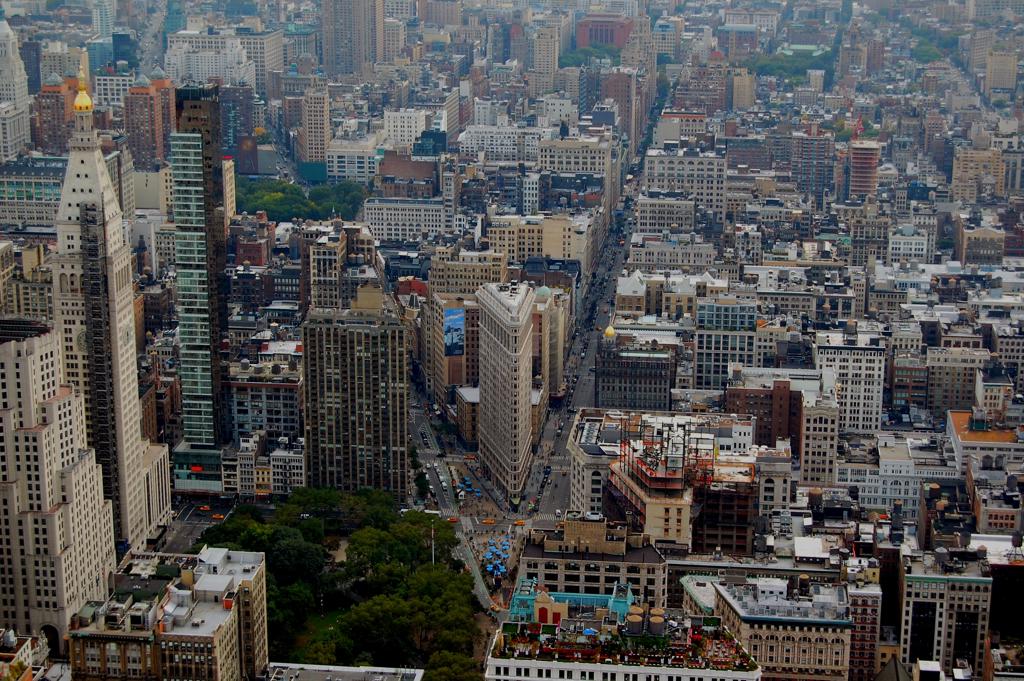
Flatiron District
1.6km away
10010, City of New York