
About Central Park
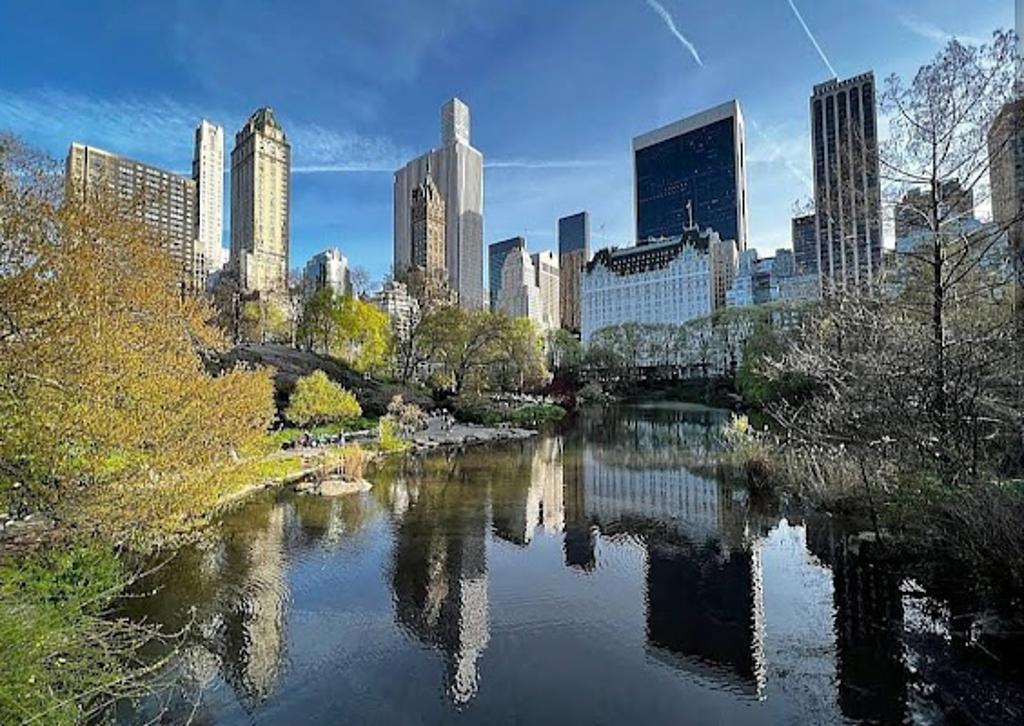
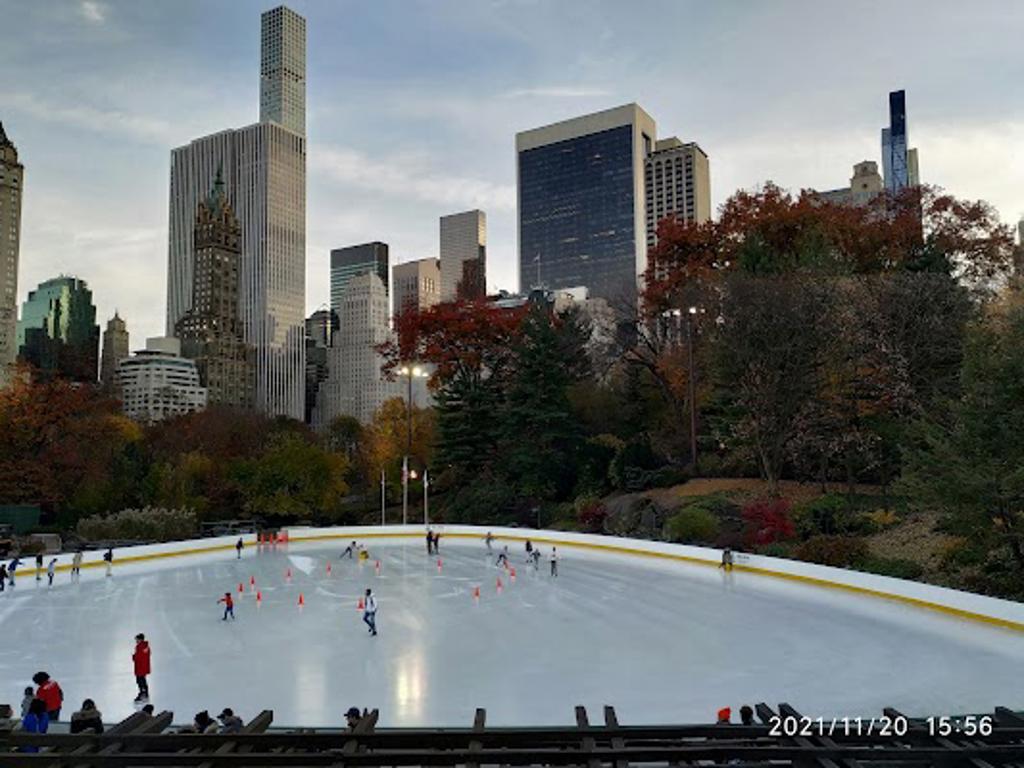
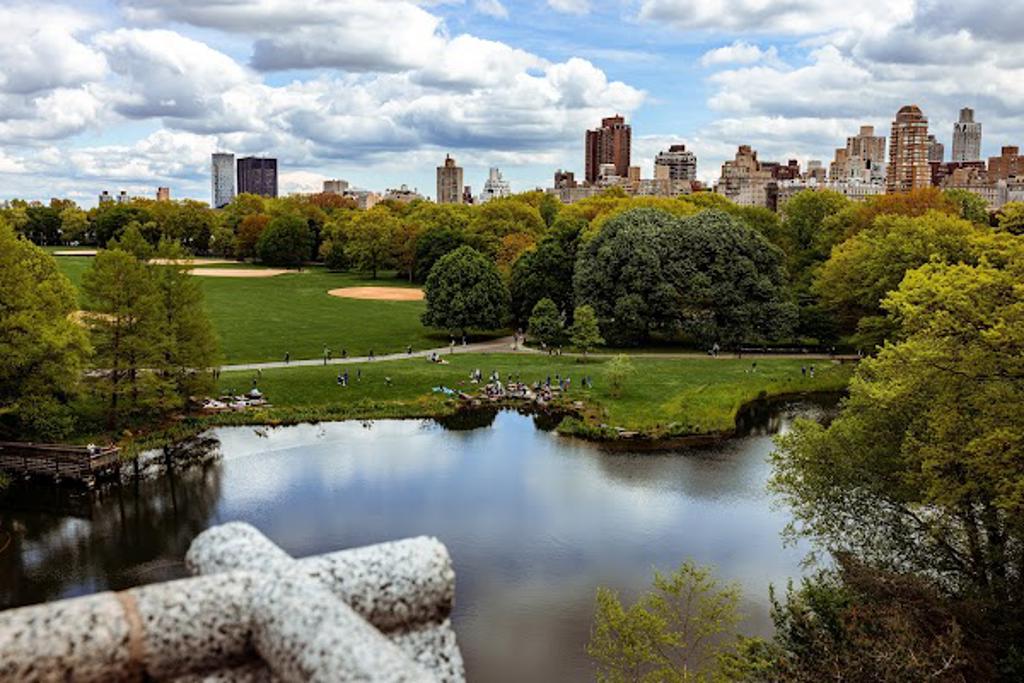
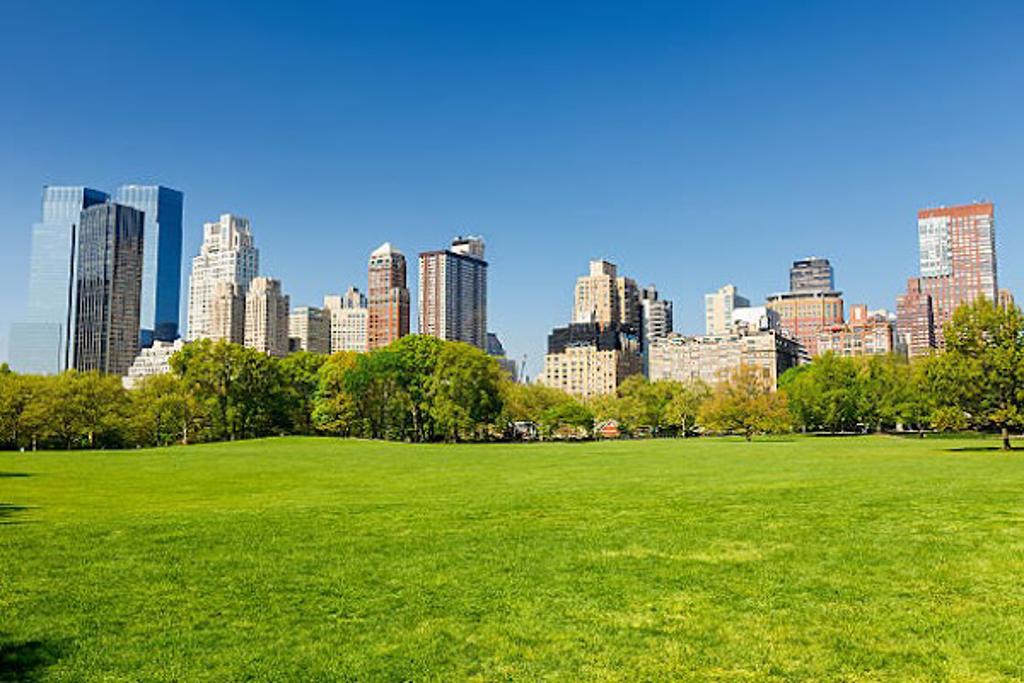
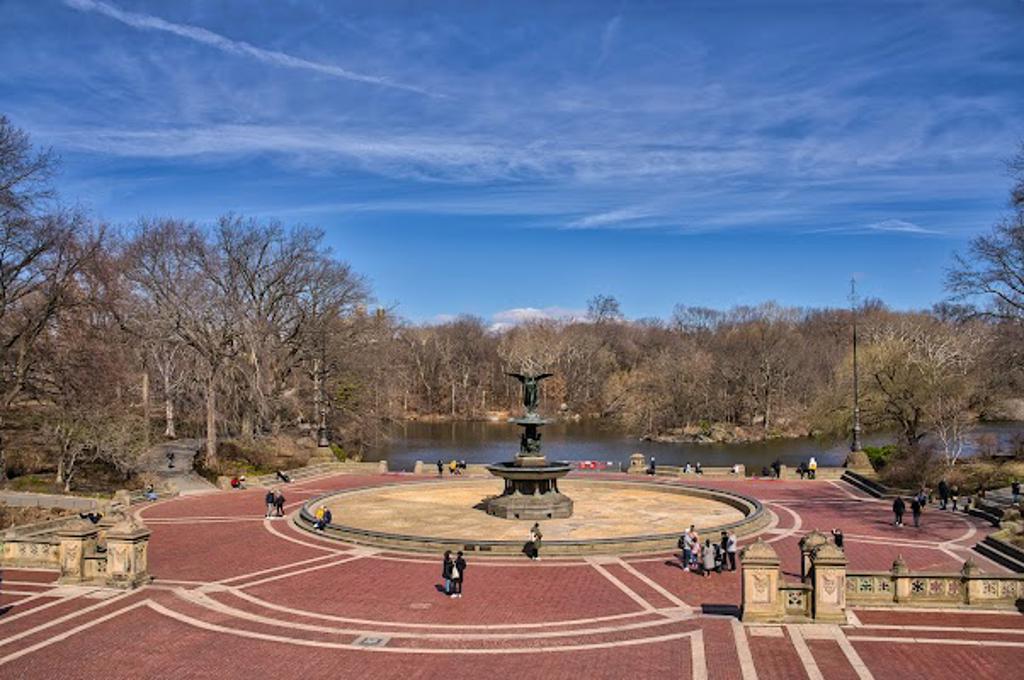
The sprawling 843 acres of Central Park offer a mix of natural beauty and human design. Winding paths lead through lush meadows, dense woodlands, and tranquil lakes. The skyline of Manhattan peeks through the trees, creating a striking contrast between urban life and serene greenery. The park’s iconic landmarks, such as Bow Bridge, Bethesda Terrace, and the Great Lawn, invite exploration and reflection.
Designed by Frederick Law Olmsted and Calvert Vaux in 1858, Central Park was envisioned as a democratic space for all New Yorkers. Its creation transformed a rocky, uneven landscape into a masterpiece of landscape architecture. Today, it remains a symbol of urban planning, blending nature and city life in perfect harmony.
Natural and Designed Beauty
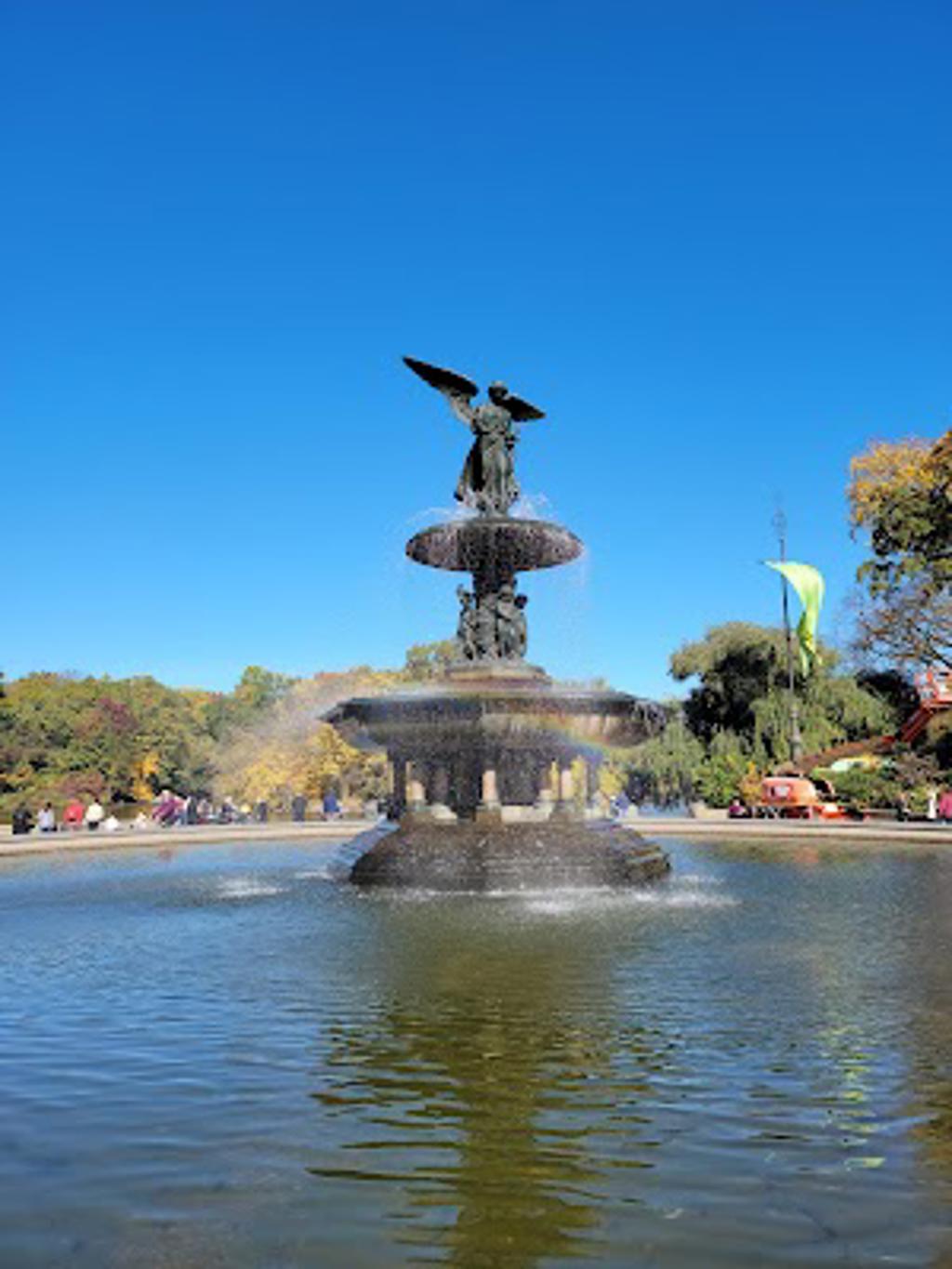
The Ramble, a 36-acre woodland, feels like a hidden forest in the middle of the city. Its winding paths and dense foliage create a sense of escape. Nearby, the meticulously designed Bethesda Terrace showcases intricate carvings and the Angel of the Waters fountain, a tribute to the city’s first clean water system. The juxtaposition of wild and crafted spaces reflects the park’s balance between nature and human creativity.
Plan your perfect trip to New York with Travo! Download now and start exploring.


Historical Significance
Central Park was America’s first major landscaped public park, setting a precedent for urban green spaces worldwide. Its construction provided jobs during economic hardship, and its design emphasized accessibility for all social classes. Over the decades, the park has hosted protests, concerts, and celebrations, becoming a stage for New York’s cultural and social history.
Artistic Elements
Bow Bridge, with its elegant cast-iron design, is one of the park’s most photographed spots. The nearby Conservatory Water features whimsical statues like Alice in Wonderland and Hans Christian Andersen, delighting visitors of all ages. The park’s sculptures, bridges, and fountains blend art with nature, creating moments of beauty at every turn.
Living Culture
Central Park is alive with activity. Joggers circle the Reservoir, musicians perform in Strawberry Fields, and families picnic on Sheep Meadow. The park hosts events year-round, from Shakespeare in the Park to the New York City Marathon. It’s a gathering place where locals and tourists alike experience the city’s vibrant energy.
Hidden Stories
The park’s history includes fascinating tales, like the transformation of Seneca Village, a 19th-century African American community, into parkland. The Dairy, once a place for children to get fresh milk, now serves as a visitor center. Even the rocks scattered throughout the park tell a story, some dating back millions of years to the glacial era.
Why It Matters Today
Central Park remains a vital part of New York City’s identity. It offers a respite from the city’s fast pace, a place to connect with nature, and a venue for cultural expression. As one of the most visited urban parks in the world, it continues to inspire and unite people, proving that green spaces are essential to city life.
Map loading...
Location
City of New York
More Information
Nearby Places
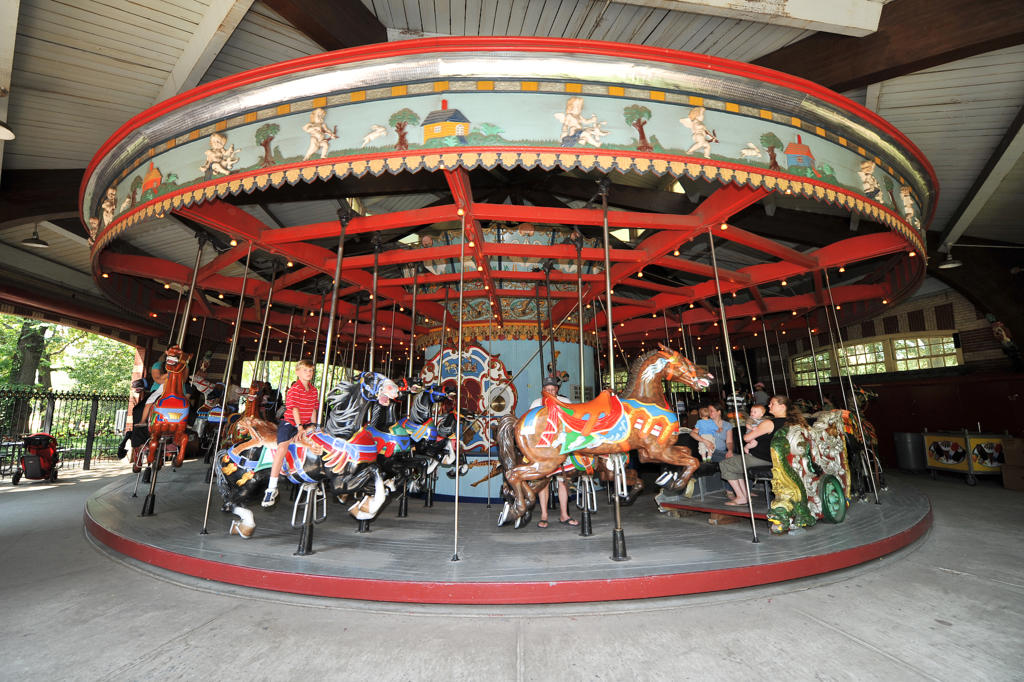
Central Park Carousel
1.7km away
65th Street Transverse, 10106, New York
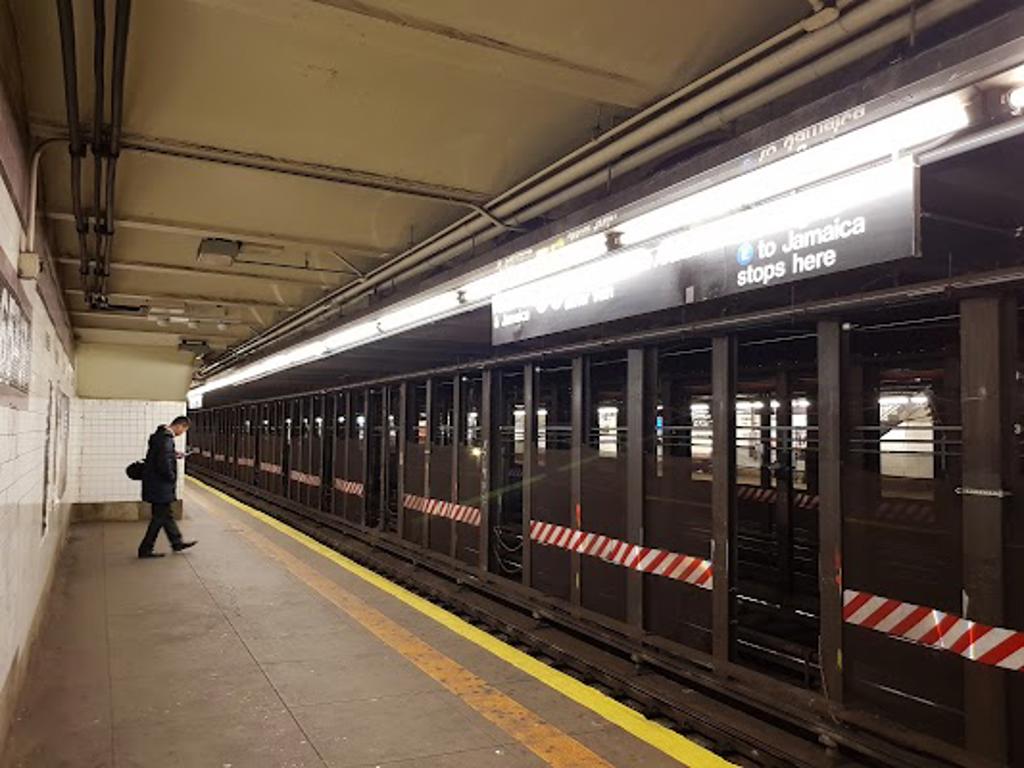
Snow Leopard
1.7km away
65th Street Transverse, 10153, New York
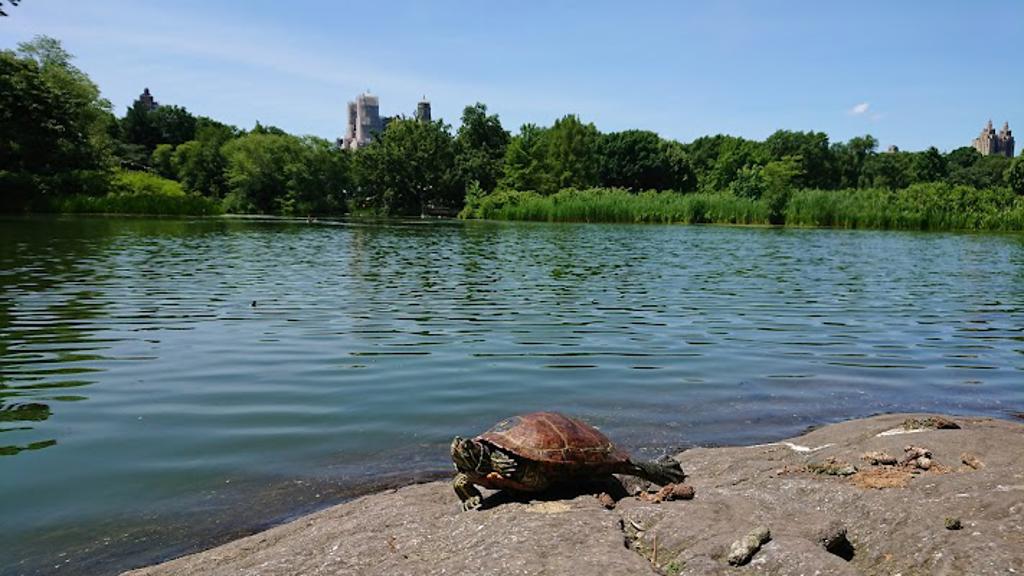
Tortoise
1.8km away
East Drive, 10153, New York
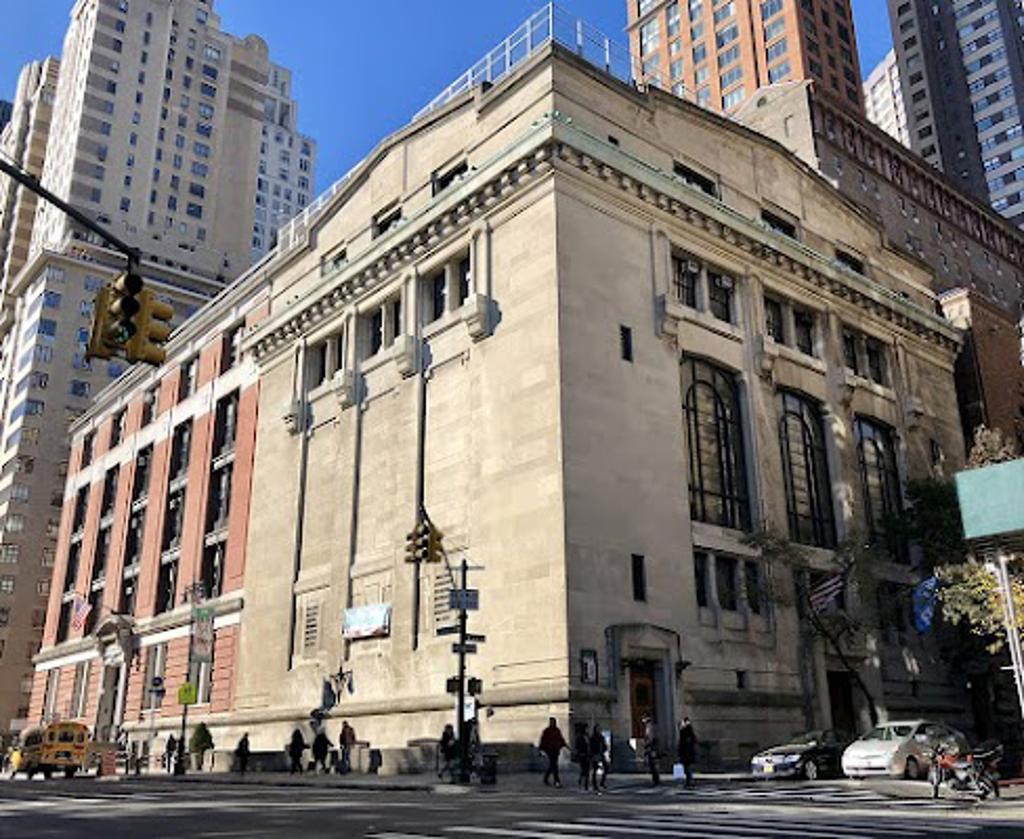
New York Society for Ethical Culture Hall
1.8km away
2 West 64th Street, 10023, New York
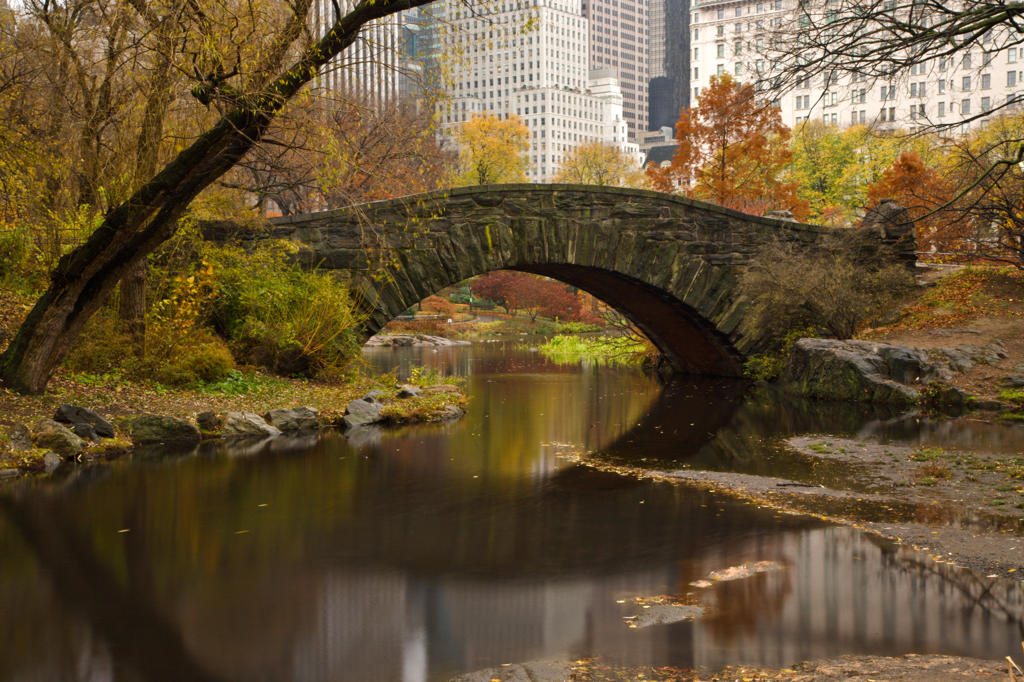
Gapstow Bridge
1.9km away
Inscope Arch, 10153, New York
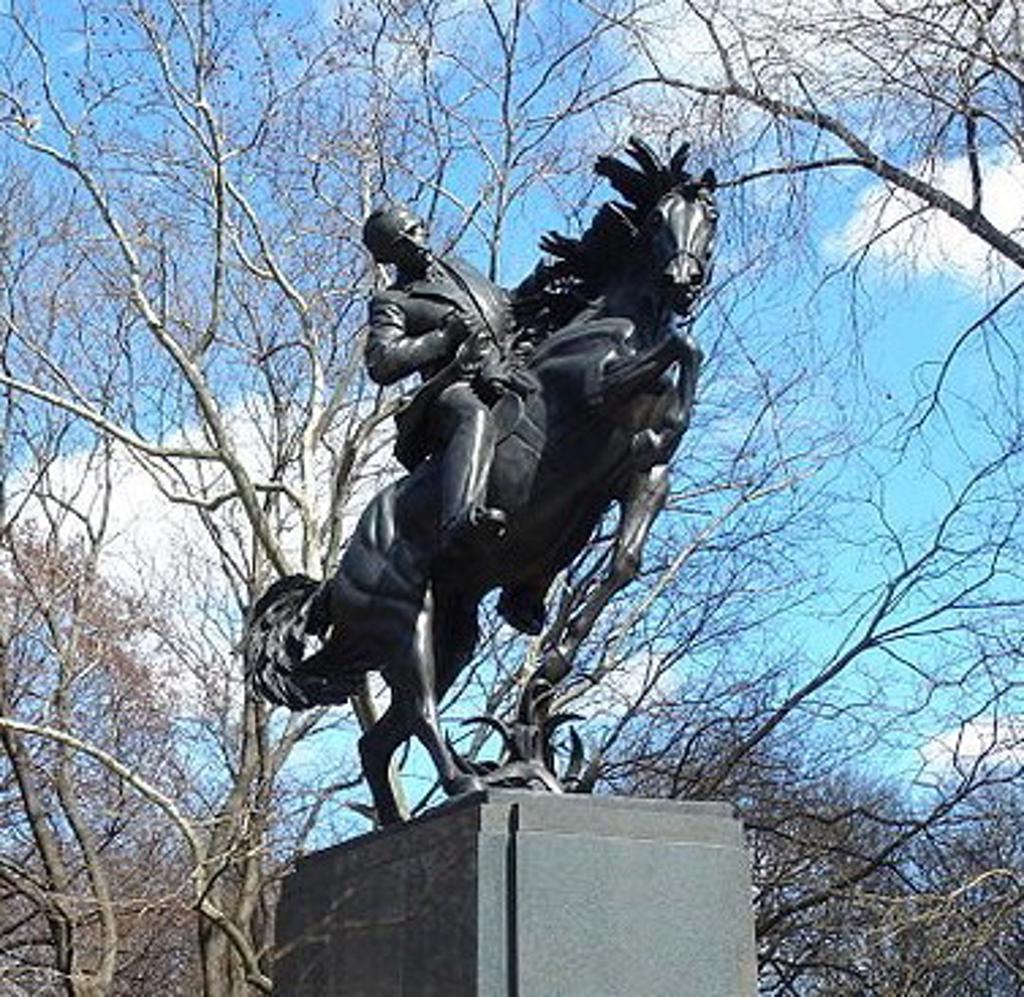
José Martí
2.1km away
Center Drive, 10106, New York