About Mercury
The statue of Mercury, the Roman god of commerce, eloquence, and travel, stands poised with a sense of lightness and speed. His winged sandals and helmet, symbols of swiftness and communication, are immediately striking. In one hand, he holds the caduceus, a staff entwined with two serpents, representing negotiation and balance. The figure’s lean, muscular form and dynamic posture suggest perpetual motion, embodying Mercury’s role as the messenger of the gods.
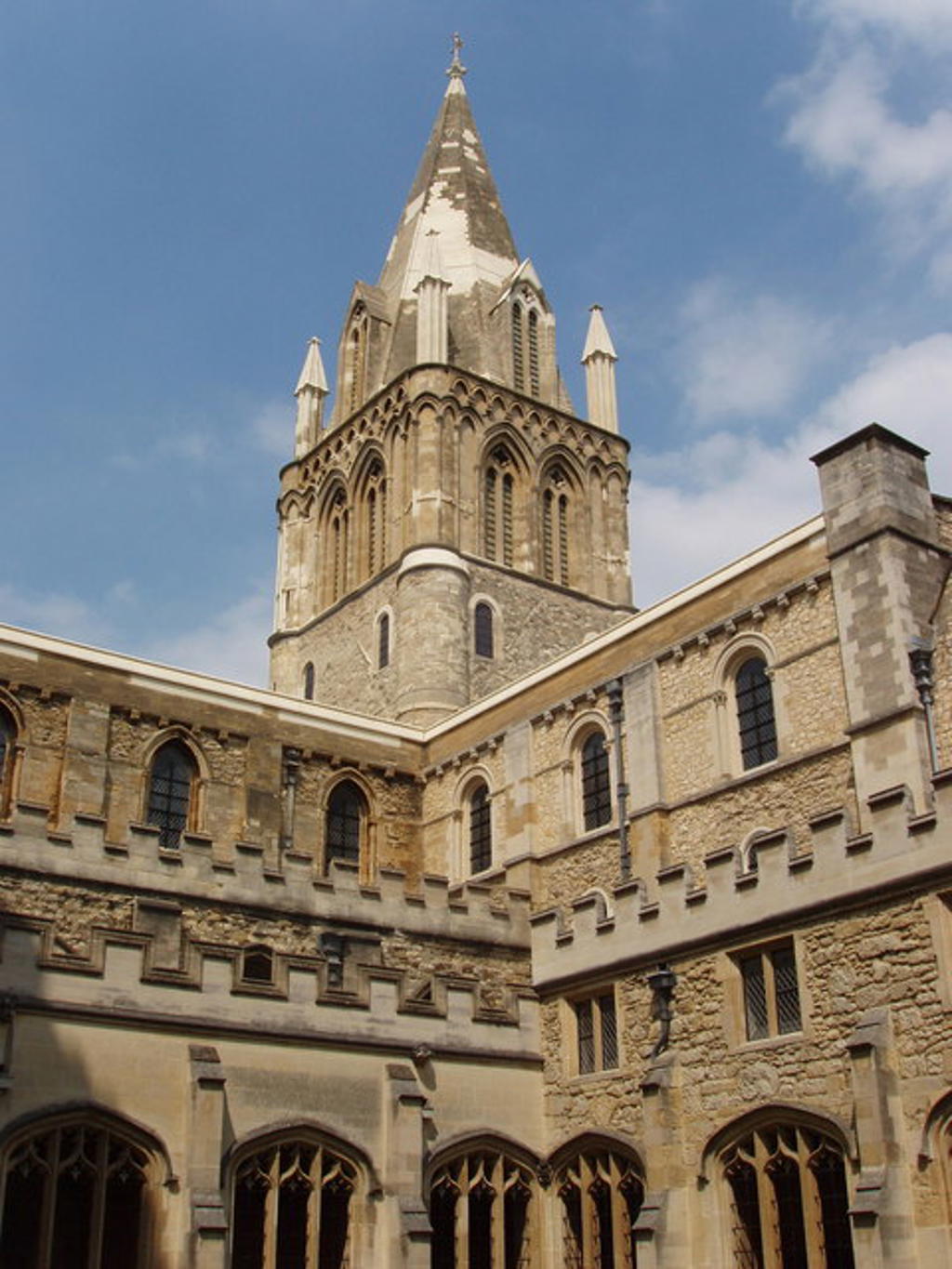
Set against the backdrop of Oxford’s historic architecture, the statue’s classical design contrasts with the surrounding Gothic and medieval structures. Its placement in the city center reflects Oxford’s long-standing connection to knowledge, trade, and intellectual exchange, themes closely tied to Mercury’s domain.
Mercury’s Mythological Significance
In Roman mythology, Mercury was a multifaceted deity, overseeing commerce, communication, and travel. He was also a guide for souls to the underworld, a role that emphasized his ability to traverse boundaries. The caduceus he carries is often mistaken for a symbol of medicine but originally signified harmony and negotiation. This statue captures Mercury’s essence as a figure of agility and intellect, qualities that resonate with Oxford’s identity as a hub of learning and innovation.
Plan your perfect trip to Oxford with Travo! Download now and start exploring.


Artistic Details and Craftsmanship
The statue’s sculptor paid meticulous attention to detail, from the delicate wings on Mercury’s sandals to the intricate design of the caduceus. The polished surface of the figure reflects light, enhancing its sense of movement and vitality. The dynamic pose, with one foot lifted as if about to take flight, creates a sense of anticipation and energy. These artistic choices bring Mercury’s mythological attributes to life, making the statue a focal point of both beauty and meaning.
Connection to Oxford’s History
Mercury’s presence in Oxford is more than decorative; it symbolizes the city’s historical role as a center of trade and intellectual exchange. During the medieval period, Oxford was a bustling market town, and its university became a beacon of knowledge and communication. The statue serves as a reminder of these dual legacies, linking the ancient world’s reverence for commerce and eloquence with Oxford’s enduring reputation for scholarship and dialogue.
Details That Speak
Notice the way Mercury’s gaze is directed upward, as if looking toward the heavens or a distant horizon. This detail suggests aspiration and forward movement, qualities that align with the city’s academic spirit. The caduceus, held firmly yet gracefully, underscores the importance of balance and negotiation, values that remain relevant in both commerce and education. Even the statue’s placement invites viewers to pause and reflect on the interplay between mythology and modernity.
Why It Matters Today
In contemporary Oxford, the statue of Mercury continues to inspire. It stands as a symbol of the city’s dynamic blend of history and progress, reminding residents and visitors alike of the enduring relevance of classical ideals. Whether seen as a tribute to ancient mythology or as a reflection of Oxford’s vibrant intellectual and cultural life, Mercury’s figure remains a powerful emblem of movement, communication, and the pursuit of knowledge.


Map loading...
Location
St Aldate's, OX1 1RA, Oxford