
About Wellington's Column
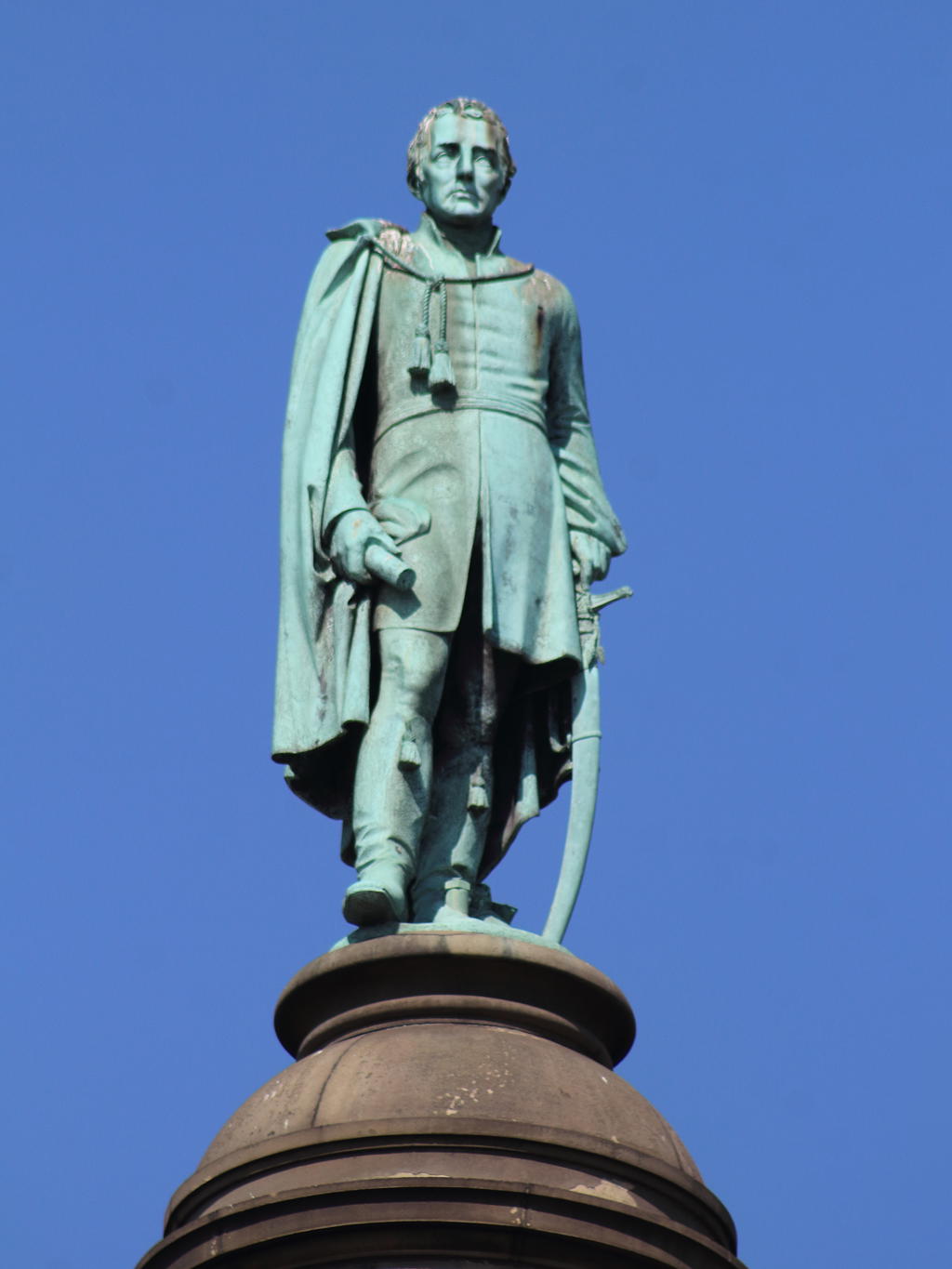
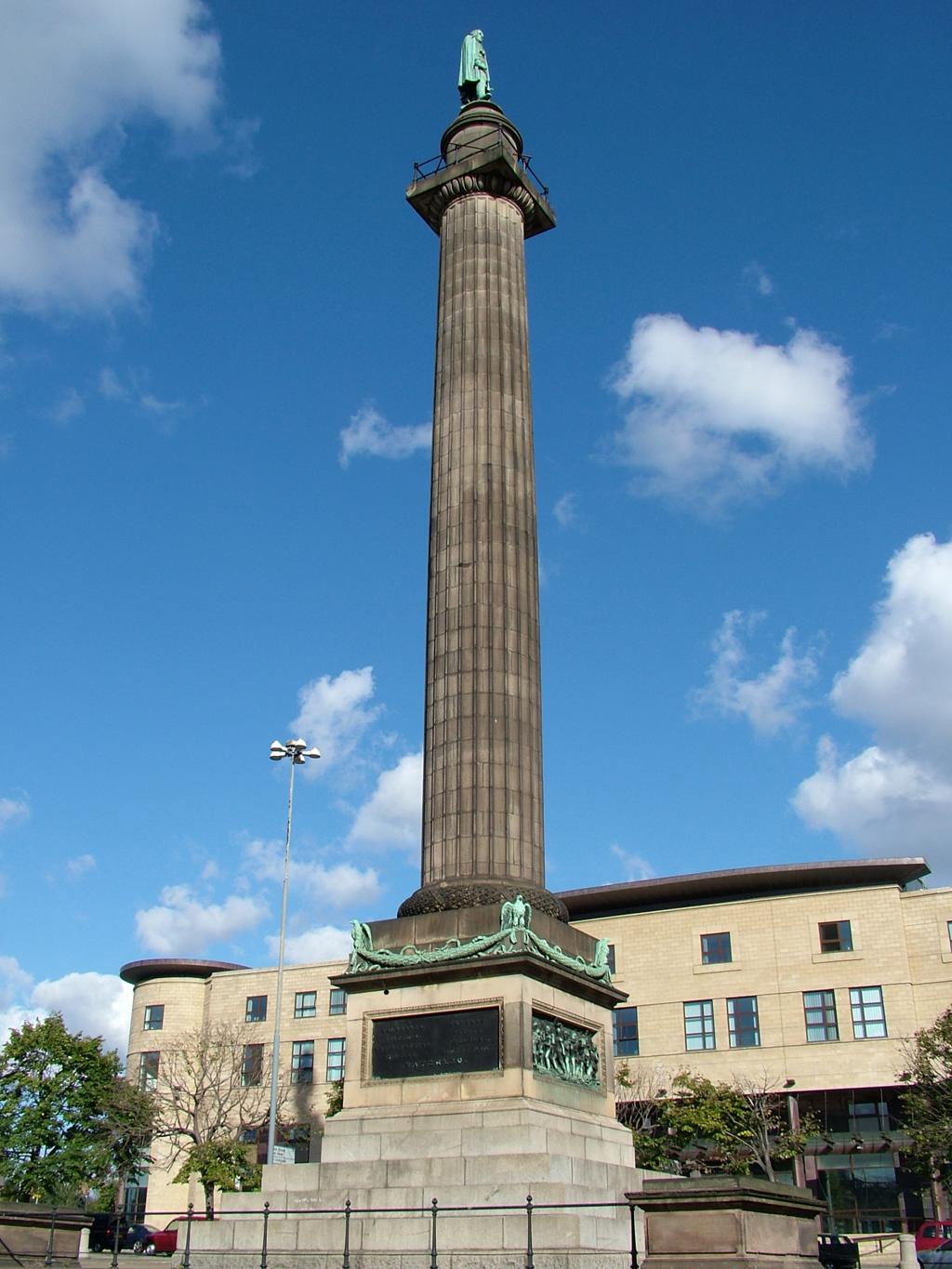
The towering granite column rises 81 feet into the sky, crowned by a bronze statue of Arthur Wellesley, the 1st Duke of Wellington. The Duke stands in full military regalia, his sword at his side, gazing outward as if surveying the world he helped shape. The column’s fluted design and Corinthian capital evoke classical grandeur, while the statue’s commanding presence symbolizes military triumph and national pride.
Historical Significance
Completed in 1865, Wellington’s Column commemorates the Duke’s victories, particularly his role in defeating Napoleon at the Battle of Waterloo in 1815. Designed by Andrew Lawson, the monument was funded by public subscription, reflecting the immense respect and admiration the British people held for Wellington. Its placement in Liverpool, a city of global trade and influence, underscores the Duke’s importance to Britain’s imperial and military history.
Plan your perfect trip to Liverpool with Travo! Download now and start exploring.


The Duke’s Life and Legacy
Arthur Wellesley, born in 1769, rose to prominence as one of Britain’s greatest military leaders. His strategic brilliance at Waterloo cemented his reputation, and he later served twice as Prime Minister. The statue atop the column captures his stoic demeanor and unwavering leadership, qualities that defined his career. His legacy as a national hero is immortalized in this monument, which stands as a testament to his contributions to Britain’s global standing.
Artistic Details
The column’s design draws inspiration from classical architecture, with its fluted shaft and Corinthian capital adding a sense of timeless elegance. The bronze statue of Wellington, sculpted by George Anderson Lawson, is meticulously detailed, from the folds of his military uniform to the resolute expression on his face. The pedestal features intricate carvings and inscriptions that recount his military achievements, inviting visitors to reflect on his storied career.
Symbolism and Meaning
The column serves as a symbol of British resilience and military prowess. Its height and prominence in Liverpool’s cultural quarter make it a focal point for reflection on the nation’s history. The Duke’s figure atop the column represents leadership and victory, while the classical design connects his legacy to the enduring ideals of strength and honor.
Present-Day Significance
Today, Wellington’s Column is more than a historical monument; it is a gathering place and a landmark in Liverpool’s vibrant cultural quarter. Locals and visitors alike pause here to admire its grandeur and consider the Duke’s impact on British history. The column remains a powerful reminder of the values of courage, leadership, and service that continue to resonate in modern times.
Map loading...
Location
London Road, L3 8QF, Liverpool
More Information
Nearby Places

Walker Art Gallery
68m away
William Brown Street, L3 8EL, Liverpool

Liverpool Central Library roof terrace
124m away
William Brown Street, L3 8EN, Liverpool

Saint George's Hall
138m away
St George's Place, L1 1LU, Liverpool

World Museum Liverpool
197m away
William Brown Street, L3 8EN, Liverpool
Chance Meeting
223m away
Lime Street, L1 1RD, Liverpool