About Burj Khalifa
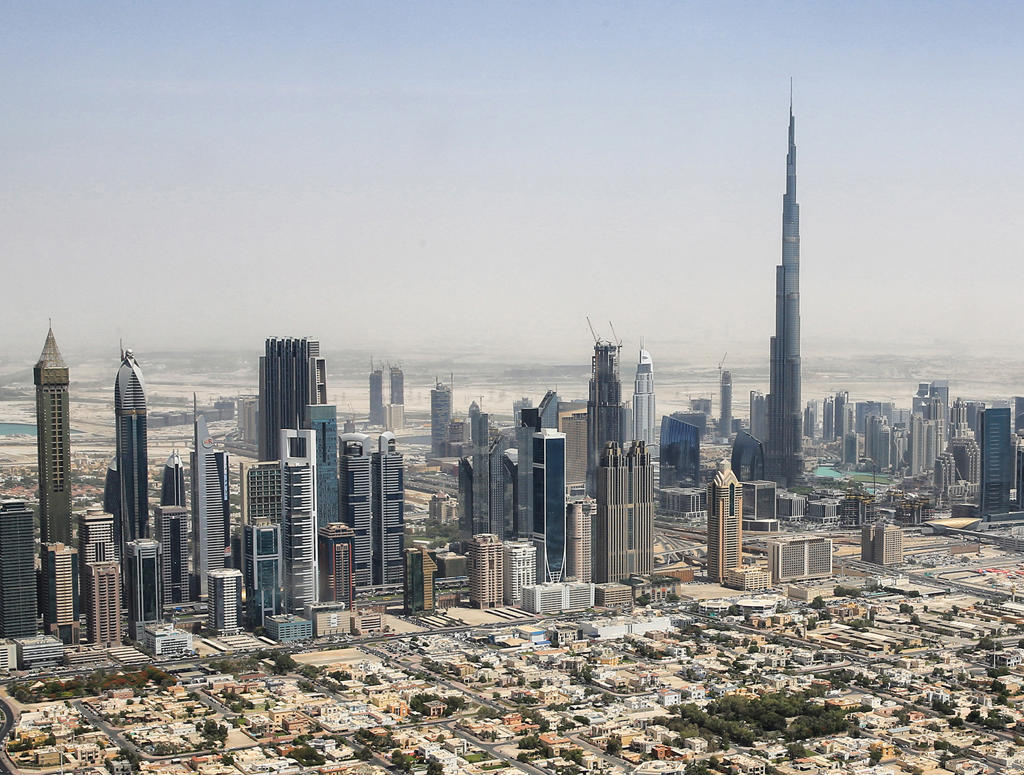
The shimmering glass and steel façade of the Burj Khalifa pierces the sky, its spire reaching an astonishing 828 meters. The tower’s sleek, tapering design mimics a desert flower, the Hymenocallis, with its petals spiraling upward. The exterior reflects the sunlight during the day, creating a dazzling spectacle, while at night, the tower transforms into a beacon of light with its LED displays. The surrounding fountains dance in choreographed harmony, adding to the grandeur of the scene.
Opened in 2010, the Burj Khalifa is not just the tallest building in the world but also a symbol of Dubai’s ambition and innovation. Designed by Adrian Smith of Skidmore, Owings & Merrill, the structure combines Islamic architectural elements with cutting-edge engineering. Its Y-shaped base provides stability and maximizes views of the Arabian Gulf, while its spire ensures its record-breaking height. The tower is a testament to human ingenuity, standing as a modern marvel in the heart of Dubai.
Architectural Brilliance
The Burj Khalifa’s design draws inspiration from traditional Islamic architecture, particularly the geometric patterns found in mosques. Its triple-lobed footprint mirrors the Hymenocallis flower, creating a harmonious blend of nature and modernity. The tower’s verticality is emphasized by its setbacks, which spiral upward in a helical pattern, reducing wind resistance. The spire, made of structural steel, adds over 200 meters to its height, making it a defining feature of the Dubai skyline.
Plan your perfect trip to Dubai with Travo! Download now and start exploring.


Engineering Feats
Constructing the Burj Khalifa required groundbreaking engineering solutions. Over 330,000 cubic meters of concrete and 39,000 tons of steel were used to create its robust structure. The tower’s foundation is supported by a reinforced concrete mat and bored piles, ensuring stability on Dubai’s sandy terrain. The exterior cladding, made of reflective glass, aluminum, and stainless steel, not only enhances its aesthetic appeal but also protects against the region’s extreme heat.
Observation Decks
The Burj Khalifa offers unparalleled views from its observation decks. At The Top, located on the 124th and 125th floors, provides a panoramic view of Dubai’s skyline, desert, and sea. For an even higher perspective, At The Top SKY on the 148th floor is the world’s highest observation deck, offering a luxurious experience with its lounge and interactive displays. The journey to these decks is an experience in itself, with high-speed elevators whisking visitors upward at 10 meters per second.
Symbol of Dubai’s Growth
The Burj Khalifa represents Dubai’s transformation from a small trading port to a global metropolis. It embodies the city’s vision for the future, showcasing its ability to push boundaries and achieve the extraordinary. The tower is a hub of activity, housing luxury residences, corporate offices, and the Armani Hotel, blending opulence with functionality. Its presence has redefined Dubai’s identity, making it a must-visit destination for millions of tourists each year.
Art and Culture
Inside the Burj Khalifa, art plays a significant role in enhancing its cultural appeal. Over 1,000 specially commissioned artworks by Middle Eastern and international artists adorn its interiors, reflecting themes of global harmony and innovation. The tower’s lobby features a stunning sculpture, “World Voices,” composed of 196 cymbals representing the nations of the world, symbolizing unity and diversity.
Fountain Spectacle
At the base of the Burj Khalifa, the Dubai Fountain captivates visitors with its mesmerizing water and light shows. The fountain shoots water up to 150 meters high, choreographed to music ranging from classical compositions to contemporary hits. The interplay of water, light, and sound creates a magical experience, drawing crowds from around the world to witness this breathtaking display.
Map loading...
Location
1 Sheikh Mohammed bin Rashid Boulevard, Dubai