
About Wat Ratchabophit Sathit Maha Simaram Ratchaworawihan
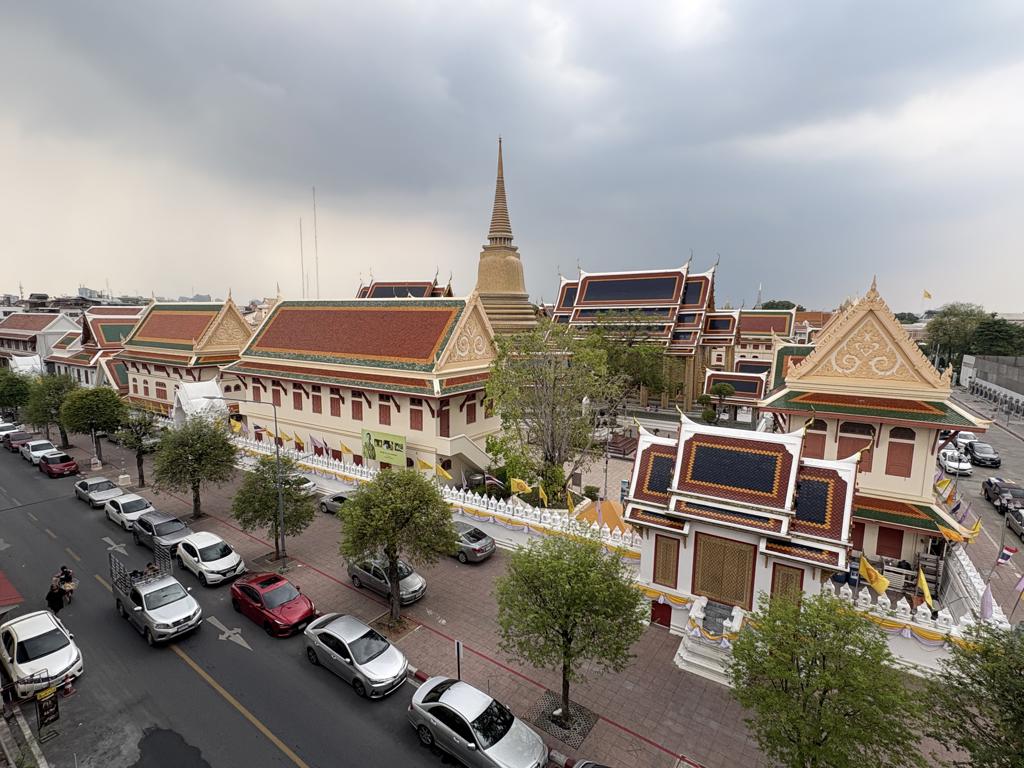
The golden chedi rises majestically, its surface shimmering under the sunlight. Encircled by a cloister lined with Buddha statues, the chedi is crowned with a spire that points skyward, symbolizing the connection between the earthly and the divine. The intricate floral motifs on the glazed tiles of the temple walls reflect a blend of Thai and Western influences, a hallmark of King Rama V’s reign.
Wat Ratchabophit Sathit Maha Simaram, built in 1869, represents a unique fusion of traditional Thai and European architectural styles. Commissioned by King Rama V, the temple was constructed to serve as the royal temple of his reign. Its layout, with a circular courtyard surrounding the chedi, mirrors the cosmological concept of Mount Meru, the center of the universe in Buddhist cosmology.
The Chedi and Its Symbolism
The golden chedi, standing at the heart of the temple, is a striking feature. Its bell-shaped design is a classic example of Thai Buddhist architecture, inspired by Sri Lankan stupas. The chedi enshrines sacred relics of the Buddha, making it a focal point for worshippers. The golden tiles that cover its surface were imported from Italy, showcasing the global connections of the late 19th century.
Plan your perfect trip to Bangkok with Travo! Download now and start exploring.


The Ubosot and Its Details
The ordination hall, or ubosot, is adorned with intricate mother-of-pearl inlays on its doors and windows. Inside, a gilded Buddha image sits serenely on a high pedestal, surrounded by murals depicting the life of the Buddha. The ceiling, painted in deep red and gold, features delicate floral patterns that echo the temple’s exterior design. The ubosot serves as the spiritual heart of the temple, where monks gather for important ceremonies.
Blending Thai and Western Styles
The temple’s unique design reflects King Rama V’s exposure to Western culture during his travels. The use of glazed tiles and the symmetrical layout of the cloister are reminiscent of European influences, while the traditional Thai elements, such as the multi-tiered roofs and the golden chedi, maintain the temple’s cultural identity. This blend of styles symbolizes Thailand’s openness to modernization while preserving its heritage.
Stories in the Cloister
The cloister surrounding the chedi is lined with 52 Buddha statues, each representing a different mudra or gesture. These statues tell the story of the Buddha’s teachings and his path to enlightenment. The cloister’s walls are decorated with intricate floral patterns, symbolizing the impermanence of life and the beauty of the natural world. Walking through the cloister offers a meditative experience, connecting visitors to the spiritual essence of the temple.
Living Faith and Modern Relevance
Wat Ratchabophit remains an active place of worship and a center for Buddhist learning. Monks chant and meditate in the ubosot, while devotees offer flowers and incense at the chedi. The temple also hosts important ceremonies, such as royal merit-making events and Buddhist festivals. Its enduring significance lies in its ability to bridge the past and the present, serving as a testament to Thailand’s rich cultural and spiritual heritage.
Map loading...
Location
เฟืองนคร, 10200, กรุงเทพมหานคร
More Information
Nearby Places
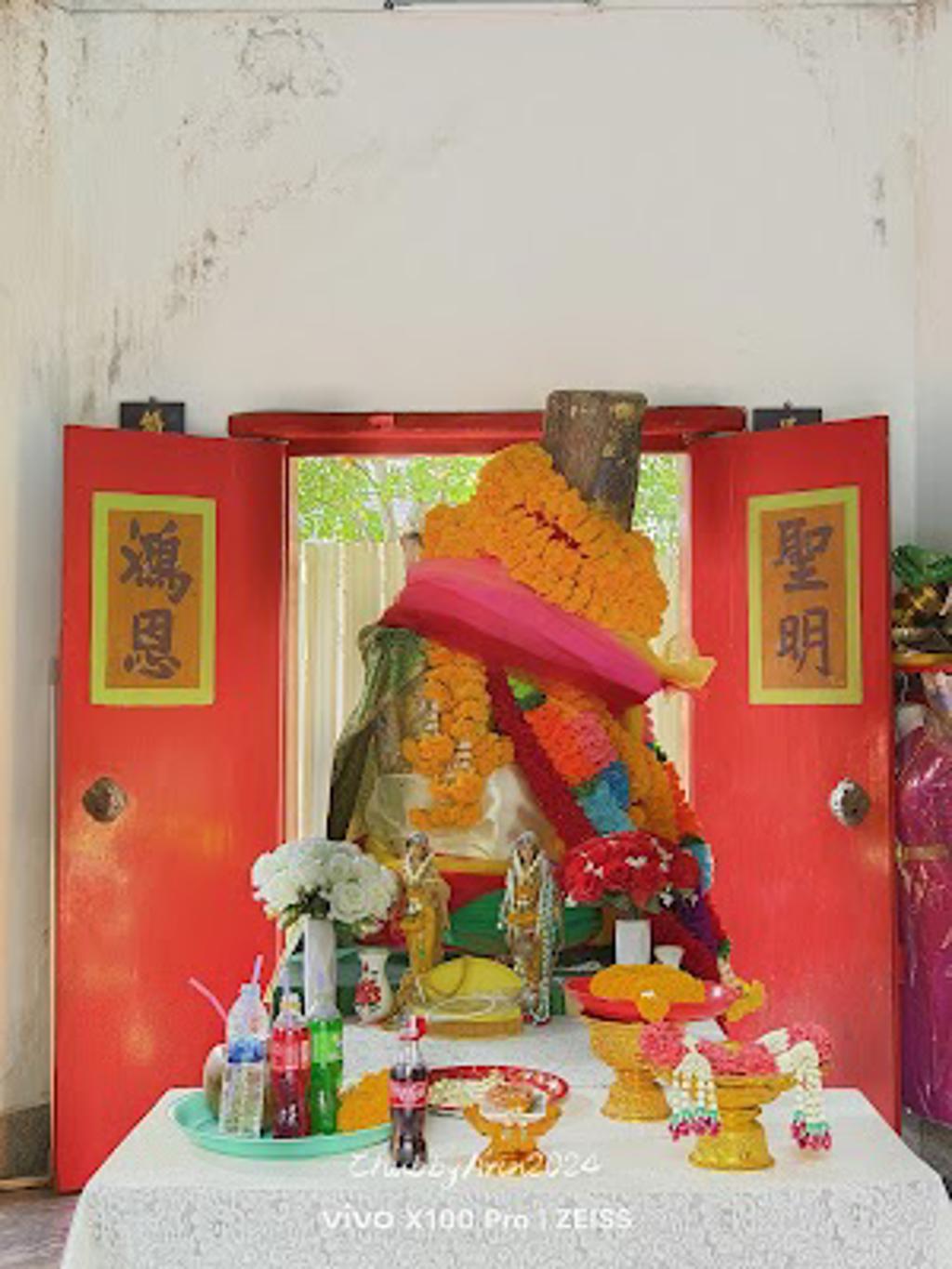
ศาลเจ้าแม่ตะเคียนทอง
176m away
ถนนราชินี, 10200, กรุงเทพมหานคร
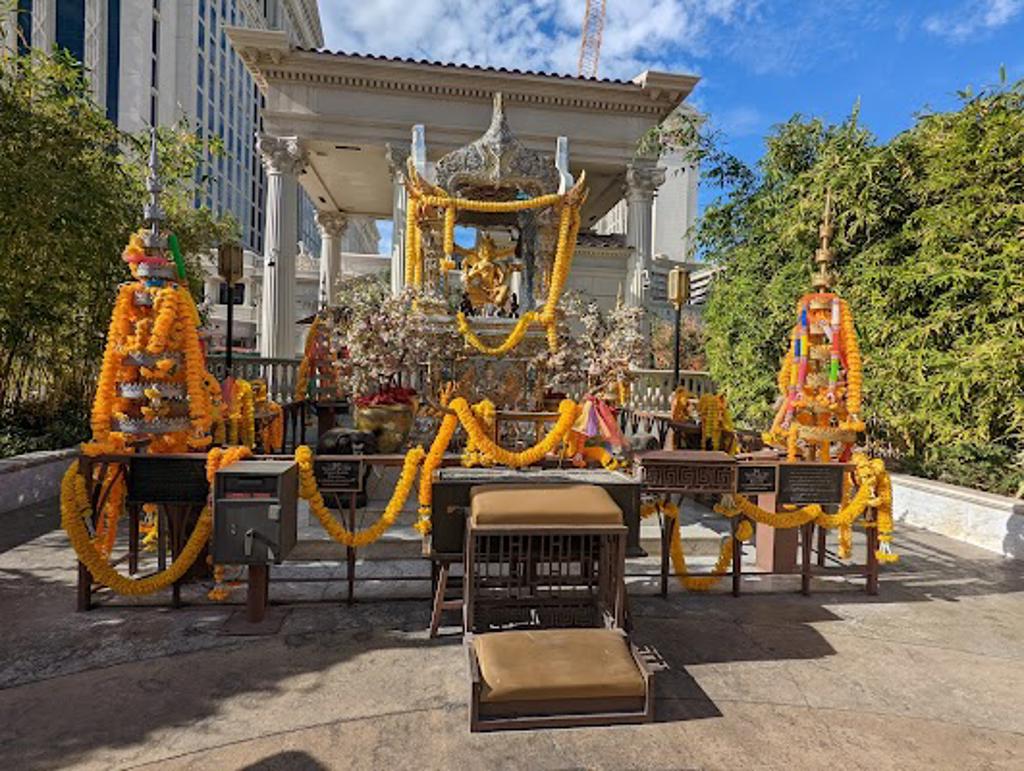
ศาลท้าวธรรมปาละพรหม
209m away
ตรอกวิสูตร, 10200, กรุงเทพมหานคร
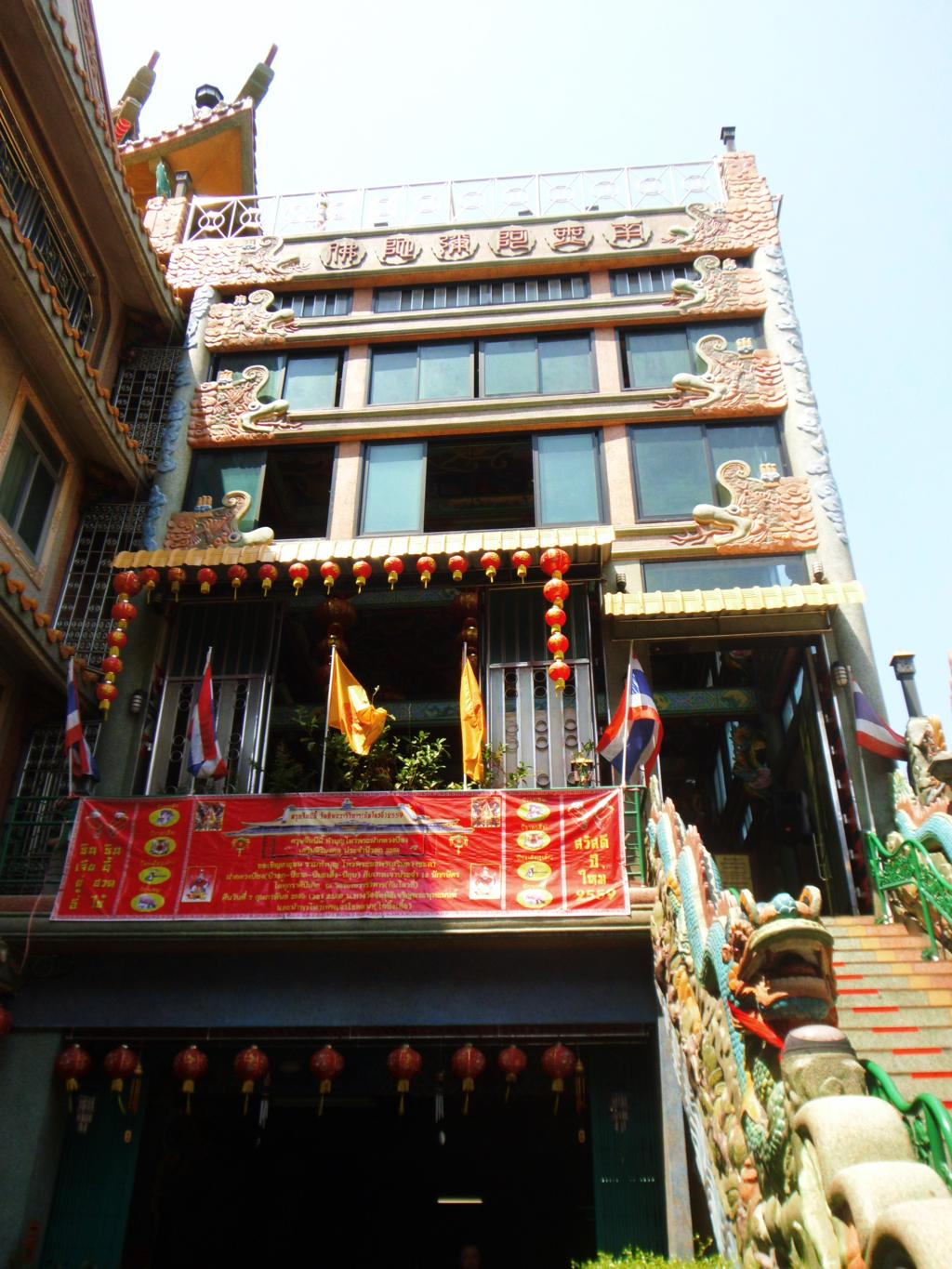
Wat Dibayavari Vihara
331m away
Soi Thip Wari, 10200, Bangkok
Bamrungchat Satsana Yathai Pharmacy
412m away
Bamrung Mueang Road, 10200, Bangkok
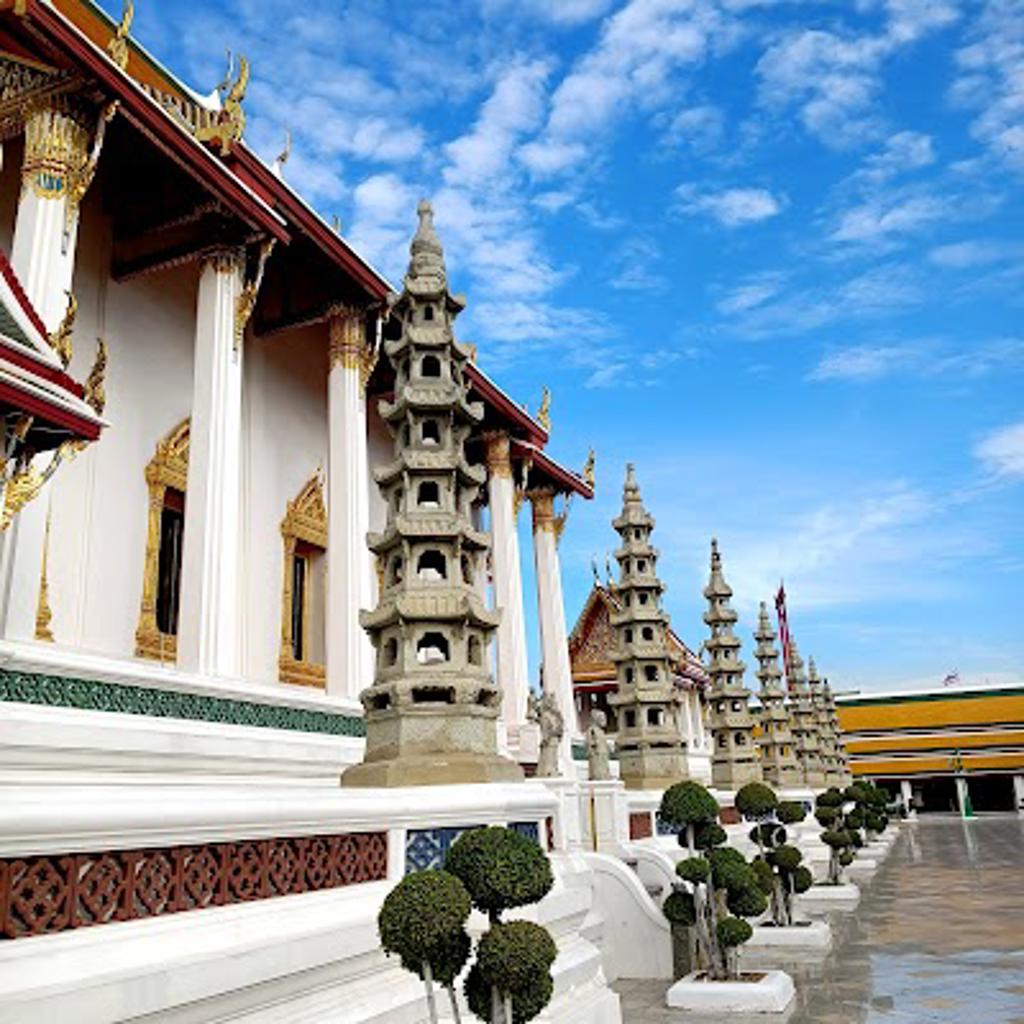
Wat Suthat Thep Wararam Ratchaworamahawihan
437m away
ถนนศิริพงษ์, 10200, กรุงเทพมหานคร
พระอุโบสถ
440m away
ถนนอุณากรรณ, 10200, กรุงเทพมหานคร