
About เสาชิงช้า
The towering red structure rises 21 meters into the sky, its bold color contrasting sharply with the surrounding urban landscape. The Giant Swing, or "Sao Ching Cha," features two massive teakwood pillars connected by a horizontal beam, forming a striking frame that has stood as a symbol of Bangkok for over two centuries. Its intricate carvings and traditional design reflect the craftsmanship of the early Rattanakosin period.
Originally constructed in 1784 during the reign of King Rama I, the Giant Swing was part of Brahmin religious ceremonies. It was used in the annual Triyampavai-Tripavai festival, where participants would swing high into the air to catch a bag of coins, symbolizing the search for the divine. Though the ritual was discontinued in the 1930s due to safety concerns, the swing remains a powerful reminder of Bangkok’s spiritual and cultural heritage.
Historical Significance
The Giant Swing stands near Wat Suthat, one of Bangkok’s oldest and most revered temples. Together, they form a spiritual hub that reflects the city’s deep connection to its religious roots. The swing’s original purpose was tied to Brahmin ceremonies honoring Shiva, showcasing the blend of Hindu and Buddhist traditions in Thai culture. Its presence in the heart of Bangkok highlights the city’s historical role as a center of spiritual and cultural convergence.
Plan your perfect trip to Bangkok with Travo! Download now and start exploring.


Artistic Details
The craftsmanship of the Giant Swing is a testament to traditional Thai artistry. The teakwood pillars, originally sourced from Phrae province, are meticulously carved and painted in vibrant red, symbolizing prosperity and protection. The horizontal beam, supported by the towering pillars, is adorned with intricate designs that reflect the spiritual significance of the structure. Despite its simplicity, the swing’s imposing height and bold color make it a striking landmark.
Marks of Time
Over the years, the Giant Swing has undergone several restorations to preserve its structural integrity. The current swing, installed in 2004, replaced the original, which had deteriorated over time. Despite these changes, the swing continues to embody the spirit of Bangkok’s history, standing as a silent witness to the city’s transformation from a small trading post to a bustling metropolis.
Cultural Connections
For locals, the Giant Swing is more than just a historical monument; it is a symbol of Bangkok’s identity. It serves as a gathering place and a reminder of the city’s rich cultural tapestry. Visitors often find themselves drawn to its imposing presence, taking photos and learning about its storied past. The swing’s proximity to Wat Suthat also makes it a popular spot for those exploring Bangkok’s spiritual landmarks.
Present-Day Significance
Today, the Giant Swing is a cherished icon of Bangkok, attracting tourists and locals alike. It stands as a testament to the city’s ability to preserve its cultural heritage while embracing modernity. Whether viewed as a historical artifact, a work of art, or a spiritual symbol, the Giant Swing continues to inspire awe and curiosity, making it a must-visit destination in the heart of Thailand’s capital.


Map loading...
Location
ถนนบำรุงเมือง, 10200, กรุงเทพมหานคร
Nearby Places
Rama VIII Monument
64m away
Bamrung Mueang Road, 10200, Bangkok
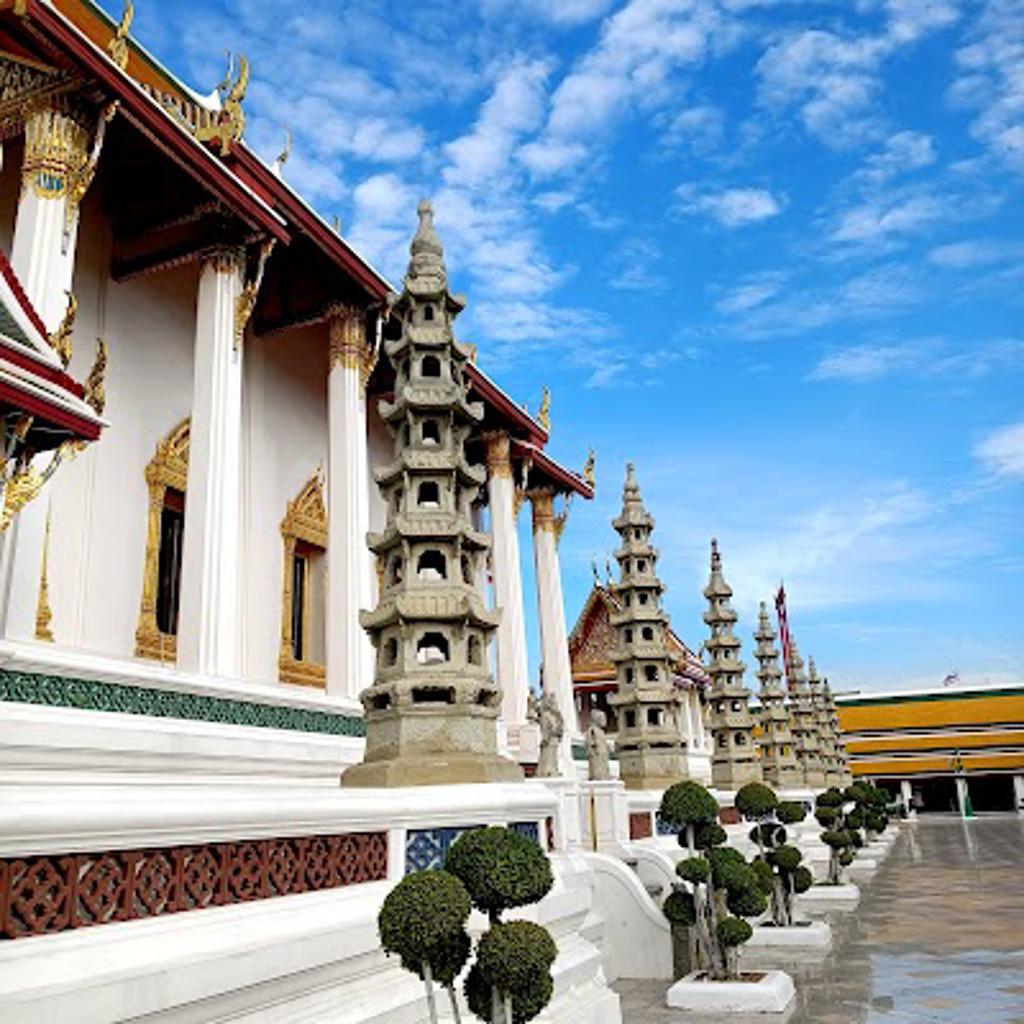
Sattha Mahasathan
71m away
Unakan Road, 10200, Bangkok
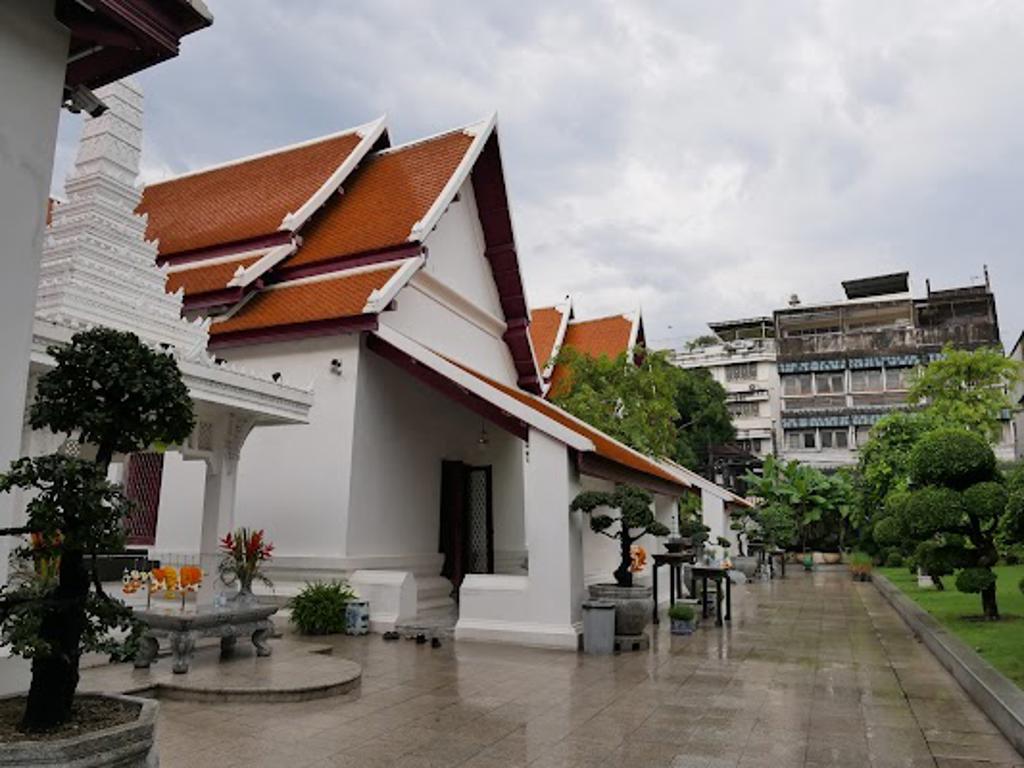
Devasathan
101m away
Dinso Road, 10200, Bangkok
Bamrungchat Satsana Yathai Pharmacy
154m away
Bamrung Mueang Road, 10200, Bangkok
พระอุโบสถ
171m away
ถนนอุณากรรณ, 10200, กรุงเทพมหานคร
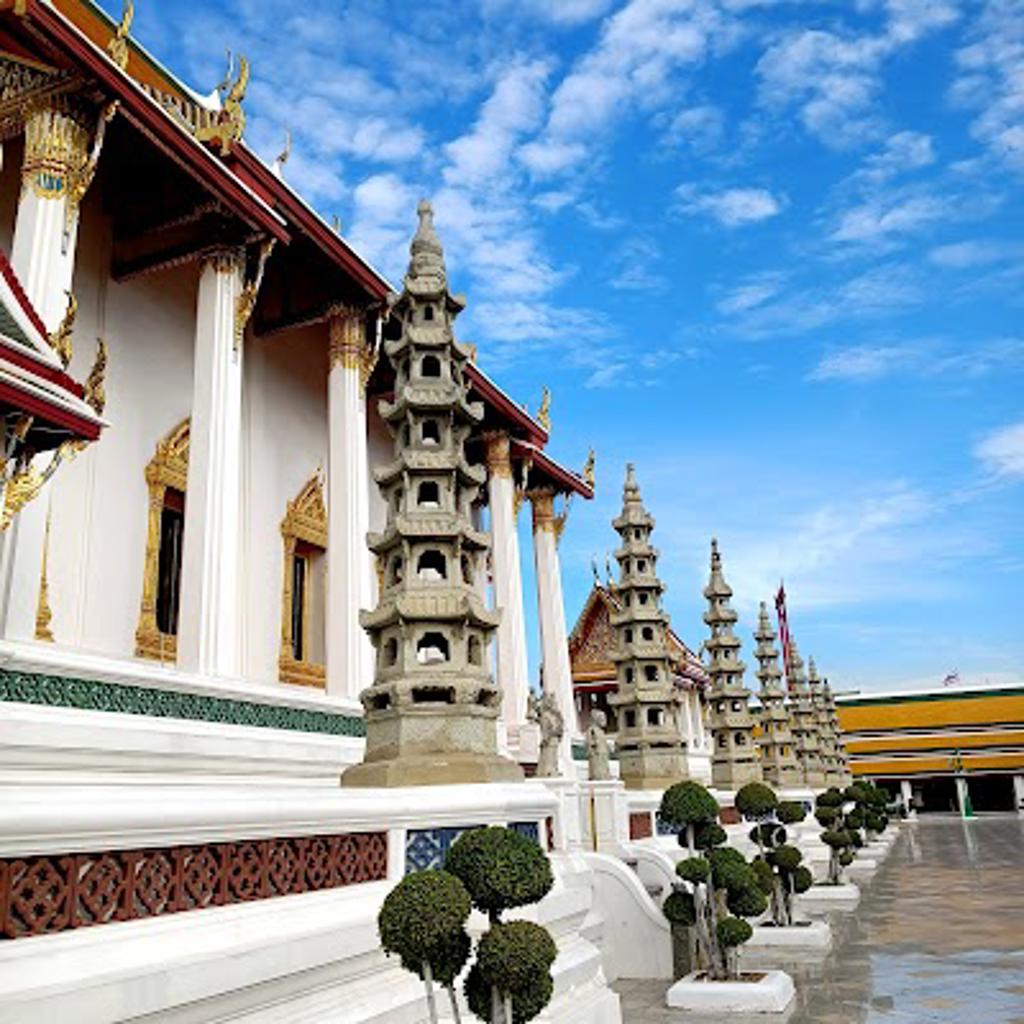
Wat Suthat Thep Wararam Ratchaworamahawihan
173m away
ถนนศิริพงษ์, 10200, กรุงเทพมหานคร