
About Devavesm Palace
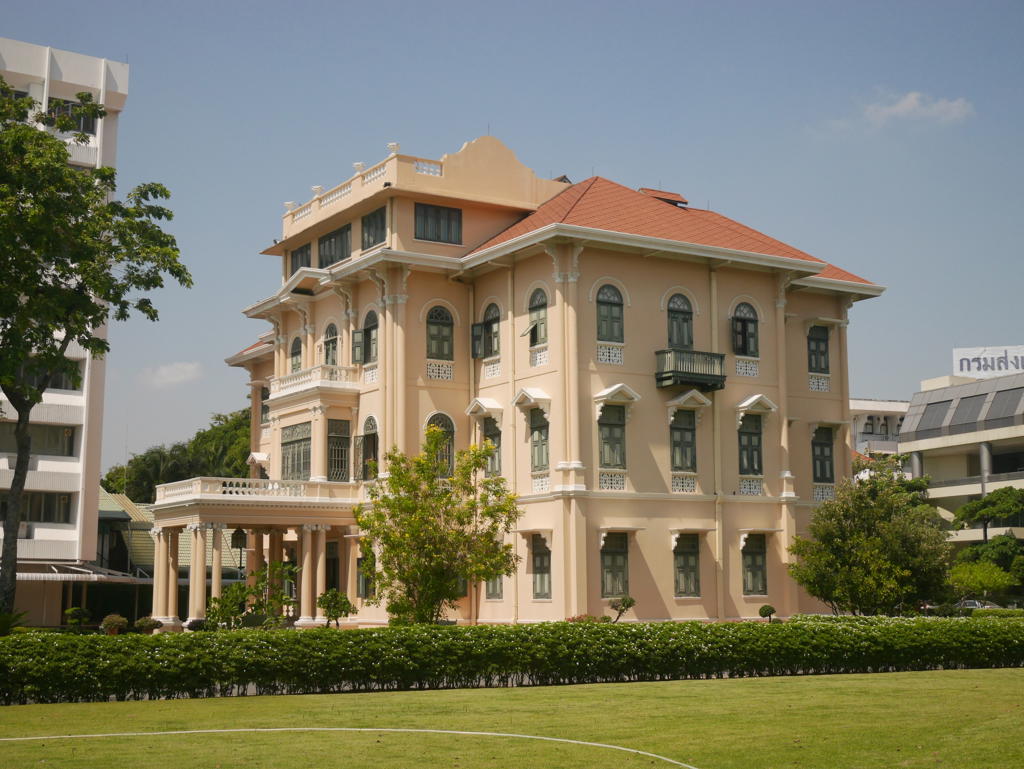
The elegant wooden gables of Devavesm Palace rise gracefully, showcasing intricate carvings of traditional Thai motifs. The palace’s pale yellow façade, accented with white trim, reflects the neoclassical architectural style introduced during the reign of King Rama V. Surrounded by lush gardens and towering trees, the palace exudes a serene atmosphere, blending European influences with Thai aesthetics.
Built in the late 19th century, Devavesm Palace was commissioned by King Chulalongkorn (Rama V) for his son, Prince Devawongse Varopakarn, who later became a prominent statesman and the first Thai Minister of Foreign Affairs. The palace stands as a testament to the modernization efforts of the era, symbolizing Thailand’s openness to Western ideas while preserving its cultural identity.
Architectural Harmony
The palace’s design reflects a harmonious blend of Western and Thai styles. The neoclassical columns and arched windows are complemented by traditional Thai rooflines and decorative elements. The symmetry of the structure, combined with the delicate craftsmanship of the wooden details, creates a sense of balance and refinement. The surrounding gardens, with their manicured lawns and lotus ponds, enhance the palace’s tranquil charm.
Plan your perfect trip to Bangkok with Travo! Download now and start exploring.


Historical Significance
Devavesm Palace played a key role during a transformative period in Thai history. Prince Devawongse Varopakarn, for whom the palace was built, was instrumental in modernizing Thailand’s foreign relations. Under his leadership, the country established diplomatic ties with Western powers, ensuring its sovereignty during a time of colonial expansion in Southeast Asia. The palace thus represents not only architectural beauty but also a pivotal moment in Thailand’s history.
Details That Speak
Notice the intricate floral patterns carved into the wooden panels above the windows. These designs reflect traditional Thai artistry, symbolizing prosperity and harmony. The high ceilings and wide verandas were designed to keep the interiors cool in Bangkok’s tropical climate. The palace’s layout, with its open courtyards and interconnected rooms, reflects a blend of functionality and elegance, catering to both royal living and official duties.
Living Legacy
Today, Devavesm Palace serves as a reminder of Thailand’s cultural resilience and adaptability. While it no longer functions as a royal residence, the palace is preserved as a historical site, offering visitors a glimpse into the architectural and political achievements of the late 19th century. Its serene setting and rich history make it a cherished landmark in Bangkok, connecting the past with the present.
Symbolism in Design
The palace’s design elements carry symbolic meanings. The lotus motifs in the garden represent purity and enlightenment, while the use of yellow and white in the façade signifies royalty and purity in Thai culture. The fusion of Western and Thai architectural styles symbolizes the balance between tradition and modernization, a theme central to King Rama V’s reign.
Map loading...
Location
Krung Kasem Road, 10200, Bangkok
More Information
Nearby Places
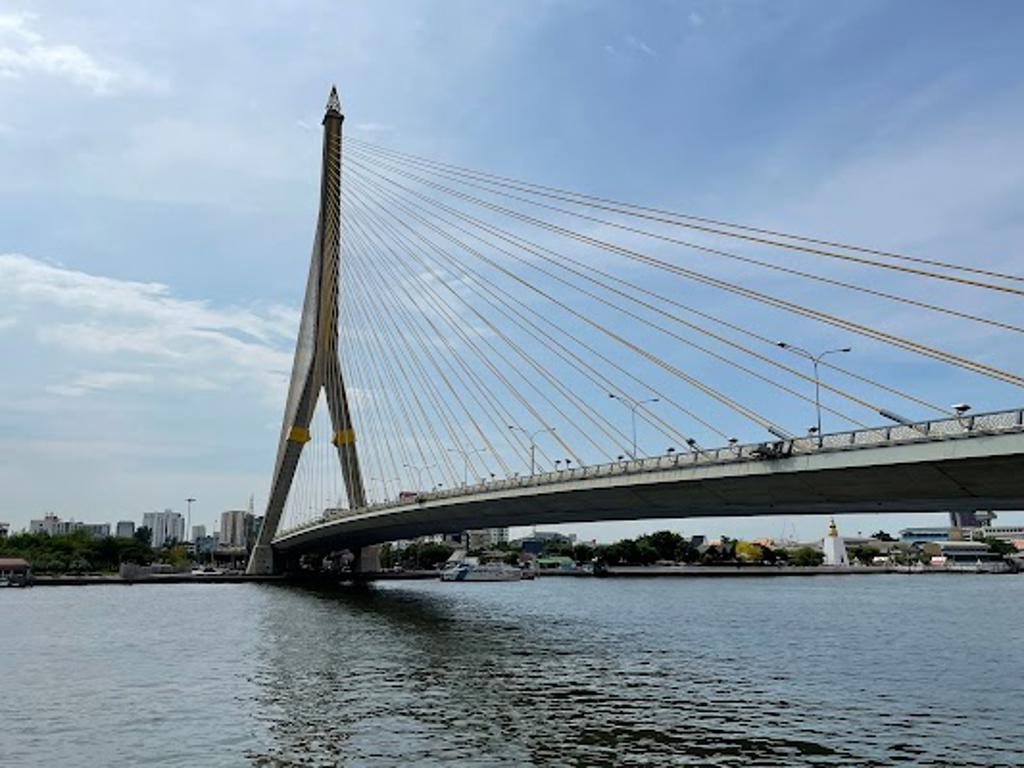
Bank of Thailand Museum
182m away
ถนนวิสุทธิกษัตริย์, 10200, กรุงเทพมหานคร
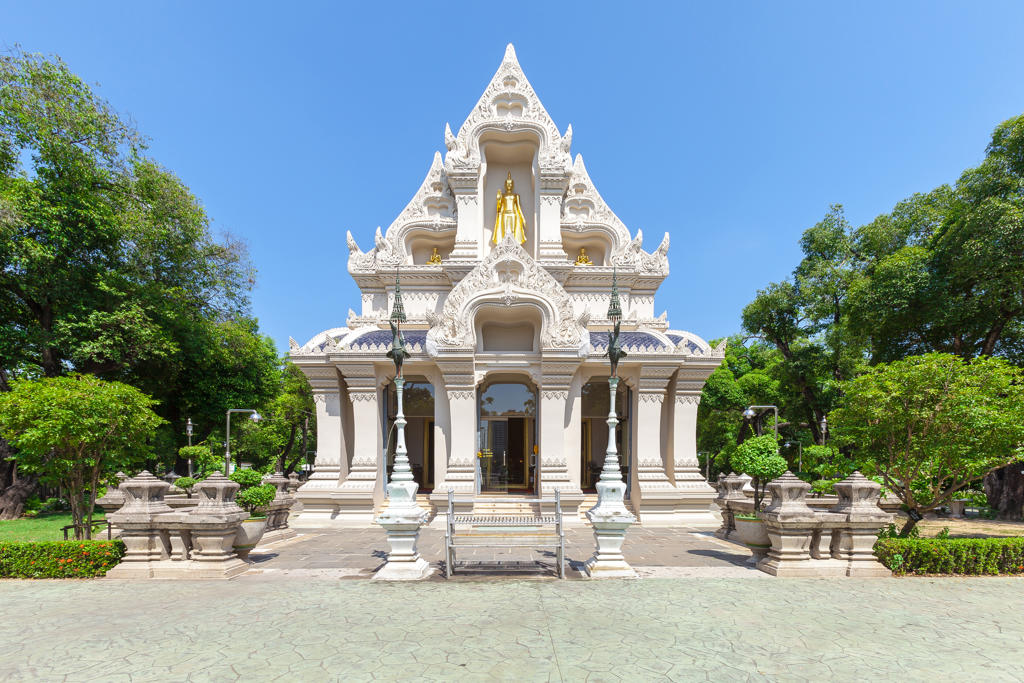
Wat Rachathiwat Ratchaworawihan
738m away
3 Soi Samsen 9, 10300, Bangkok
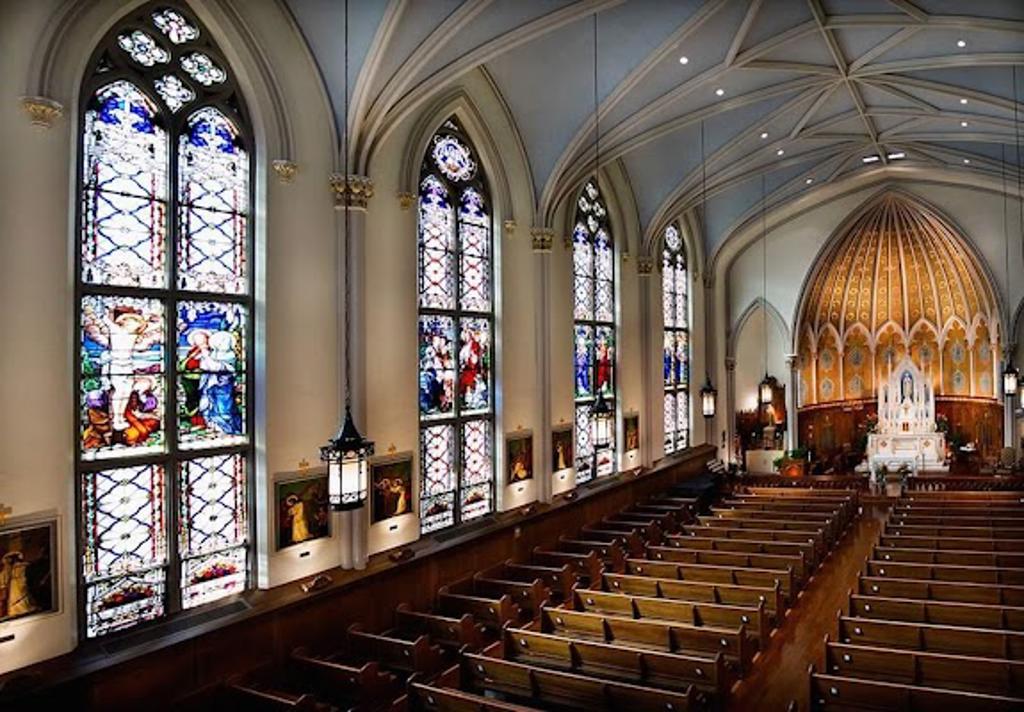
Church of the Immaculate Conception
883m away
คอนเซ็ปชัญ 10, 10300, กรุงเทพมหานคร
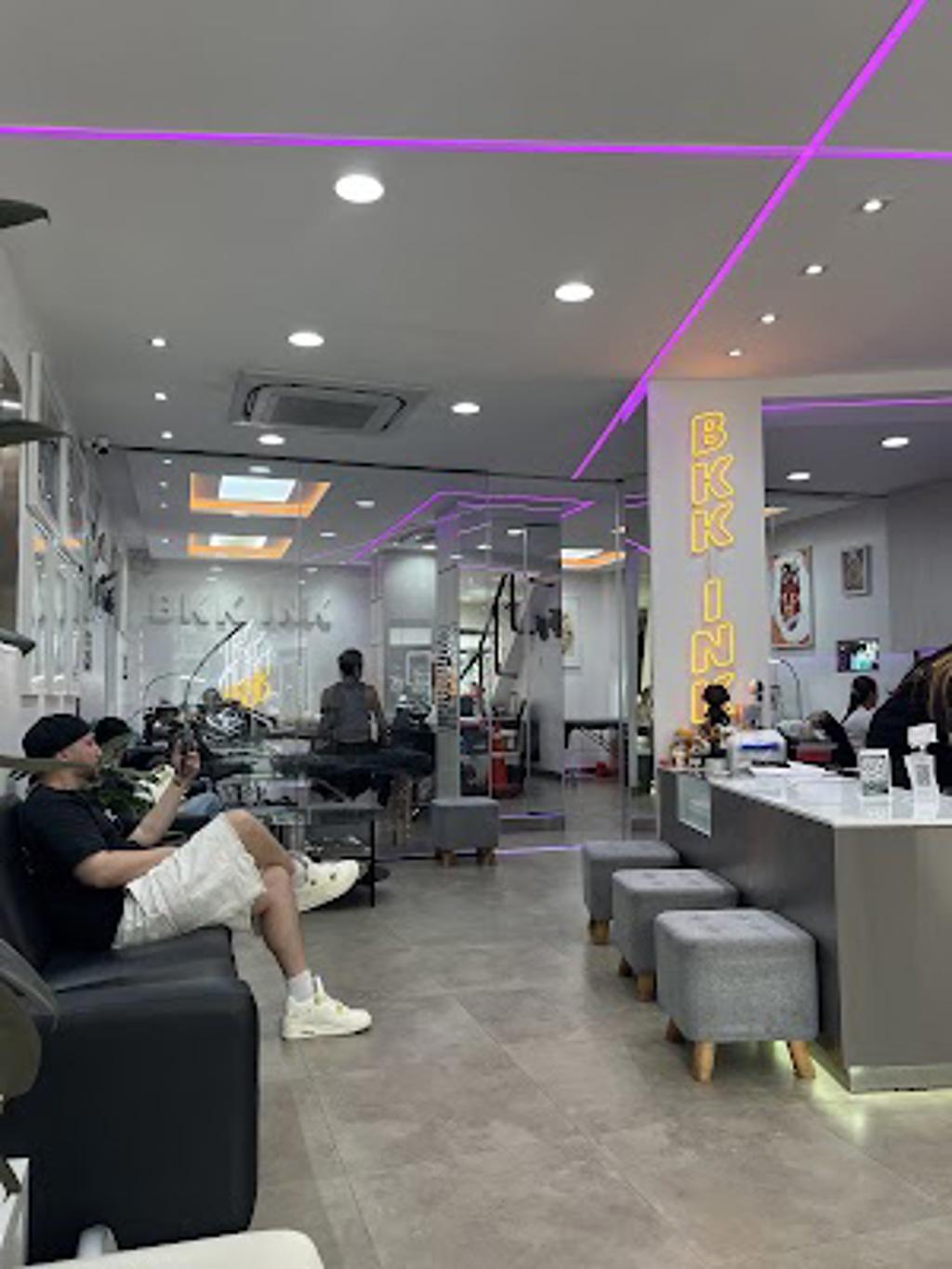
Eak tattoo
1.1km away
Ram Buttri Road, 10200, Bangkok
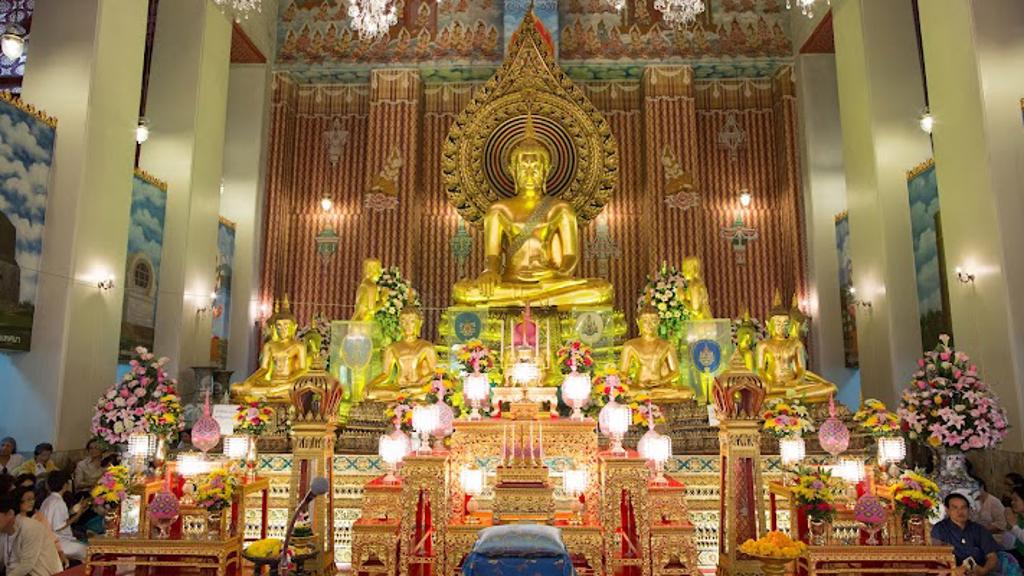
Wat Chana Songkhram Ratchaworamahawihan
1.1km away
ตรอกไก่แจ้, 10200, กรุงเทพมหานคร
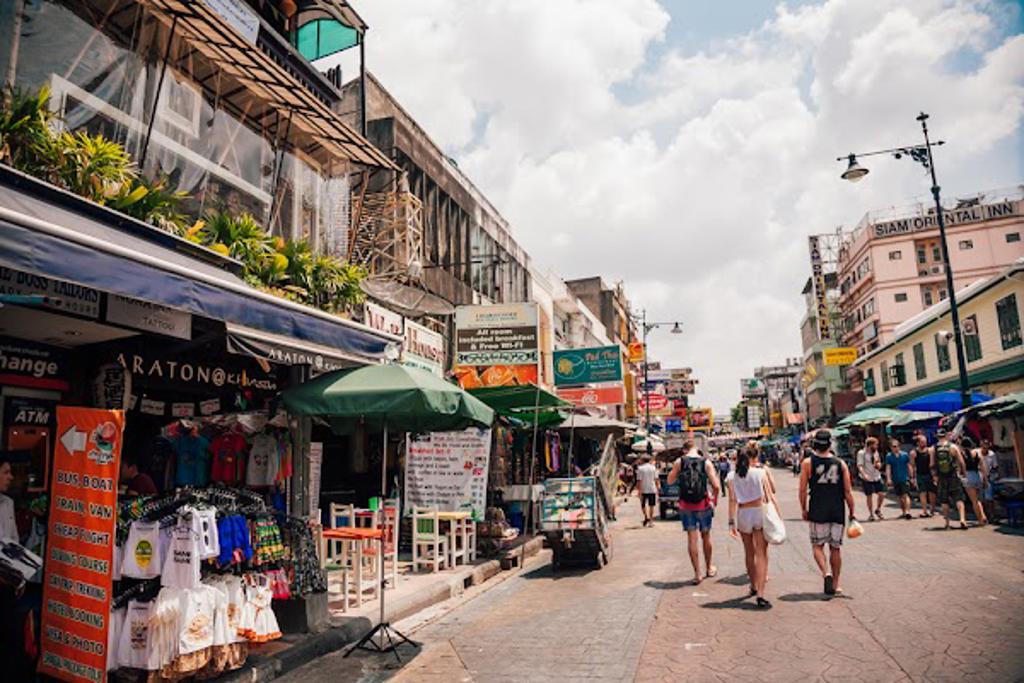
Khaosan Road
1.3km away
ถนนข้าวสาร, 10200, กรุงเทพมหานคร