
About Temple Saint-Vincent
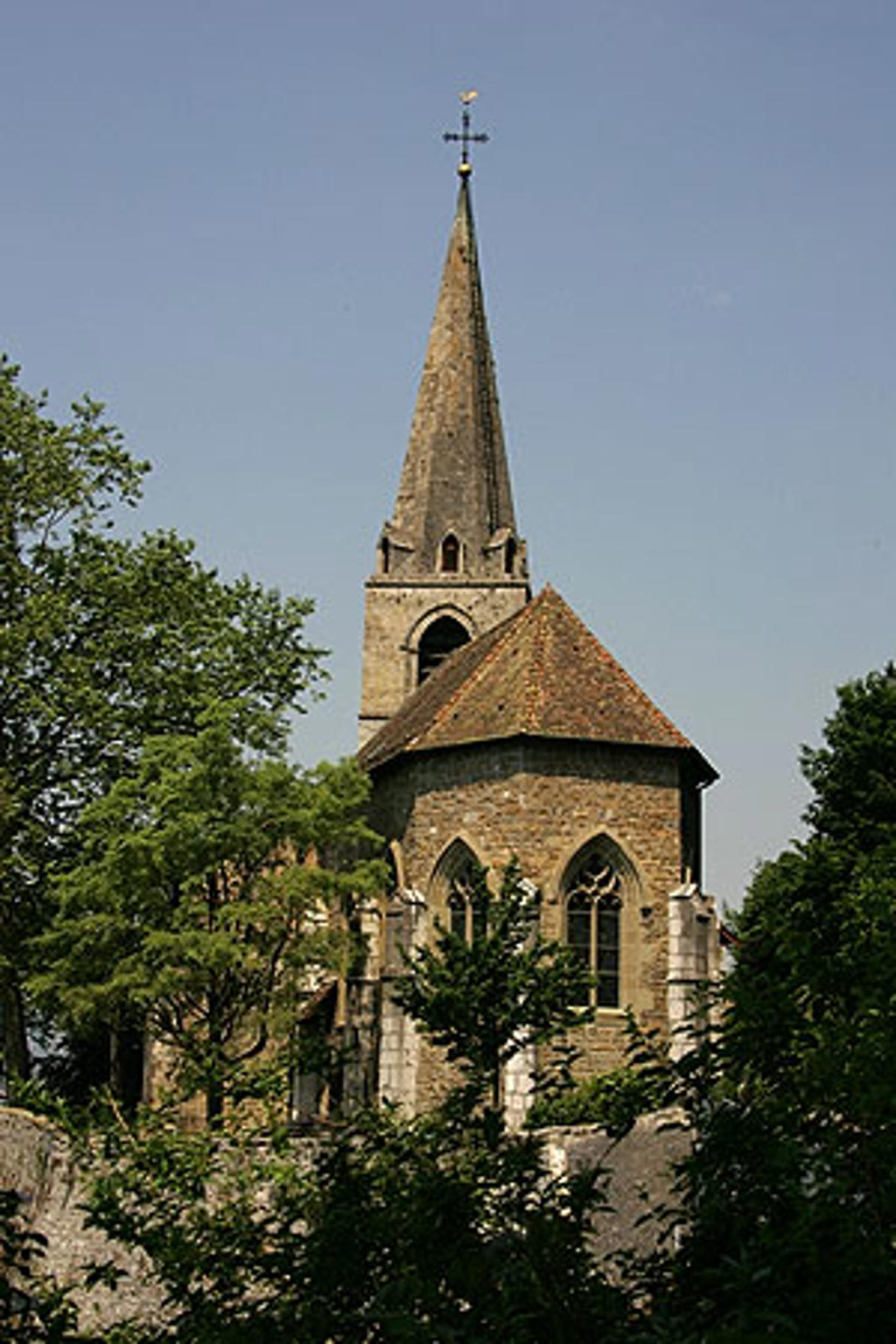
The Romanesque bell tower rises above the surrounding landscape, its stone façade weathered by centuries of Alpine winds. The Temple Saint-Vincent stands as a serene and commanding presence, its simple yet elegant architecture reflecting the spiritual devotion of the medieval craftsmen who built it. The arched windows and carved details on the tower draw the eye upward, inviting contemplation and admiration for the skill and faith that shaped this sacred space.
Originally constructed in the 11th century, the church has undergone several transformations, yet it retains its Romanesque roots. The site itself has been a place of worship for over a thousand years, with earlier structures predating the current building. The Temple Saint-Vincent is named after Saint Vincent of Saragossa, a Christian martyr whose story of steadfast faith resonates with the enduring nature of this church. Its location in Glion, overlooking Lake Geneva, adds to its spiritual and historical significance, offering a connection between the heavens and the earth.
Sacred Space and Atmosphere
Inside, the cool stone walls create a sense of calm and reverence. The nave is modest yet inviting, with wooden pews arranged to face the altar. Light filters through the stained-glass windows, casting soft, colorful patterns on the floor. These windows depict scenes from the life of Saint Vincent, as well as other biblical stories, connecting the present-day visitor to centuries of faith and devotion. The simplicity of the interior reflects the Protestant Reformation’s influence, which shaped the church’s current form in the 16th century.
Plan your perfect trip to Montreux with Travo! Download now and start exploring.


Timeless Elements
The bell tower, with its distinctive Romanesque arches, is one of the oldest parts of the structure. Its design reflects the architectural style of the early medieval period, with thick walls and small windows that speak to a time when churches also served as places of refuge. The stone carvings on the exterior, though weathered, still reveal intricate patterns and symbols, including crosses and floral motifs, which were meant to inspire and teach the faithful.
Stories in Stone
Look closely at the carved capitals of the columns near the entrance. These feature depictions of biblical scenes and symbolic animals, such as lions and doves, representing strength and peace. Each carving tells a story, offering a glimpse into the beliefs and values of the medieval community that once gathered here. The stones themselves, quarried from the surrounding region, connect the church to the natural beauty of the Swiss landscape.
Living Faith
Today, the Temple Saint-Vincent remains an active place of worship and community gathering. Services are held regularly, and the church also hosts concerts and cultural events, taking advantage of its excellent acoustics and serene setting. Visitors often come to reflect, admire the architecture, or simply enjoy the peaceful atmosphere. The church’s enduring presence is a testament to the faith and resilience of the generations who have cared for it.
Present-Day Significance
Overlooking the sparkling waters of Lake Geneva and surrounded by the majestic Alps, the Temple Saint-Vincent is more than a historical monument. It is a place where the past and present meet, offering a space for spiritual reflection and cultural appreciation. Whether drawn by its history, its architecture, or its tranquil setting, visitors find in this church a timeless reminder of the enduring power of faith and community.
Map loading...
Location
Rue du Temple, 1822, Montreux