About Museo de Málaga
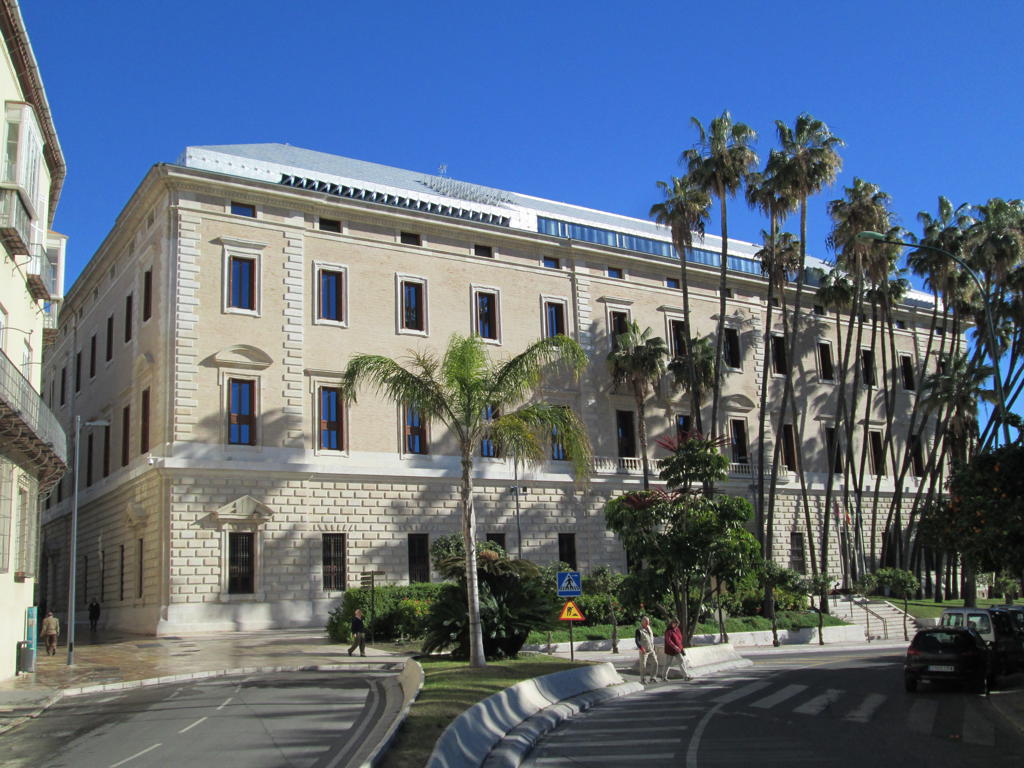
The grand neoclassical façade of the Museo de Málaga stands as a testament to the city’s rich cultural and historical heritage. Housed in the Palacio de la Aduana, a former customs house built in the 18th century, the building itself is a masterpiece of architectural elegance. Its symmetrical design, tall columns, and intricate stonework reflect the grandeur of its original purpose, while the Mediterranean light streaming through its large windows adds a sense of warmth and openness to the space.
Inside, the museum is a treasure trove of art and archaeology, with over 15,000 artifacts and 2,000 works of art. The collection spans centuries, from prehistoric times to the modern era, offering visitors a comprehensive journey through Málaga’s history and artistic evolution. The juxtaposition of ancient relics and contemporary art creates a dynamic dialogue between the past and the present.
Historical Significance of the Building
The Palacio de la Aduana was originally constructed in 1788 as a customs house for the bustling port of Málaga, a key hub for trade in the Mediterranean. Its strategic location near the harbor made it a vital point for the exchange of goods and ideas. Over the years, the building has served various purposes, including as a tobacco factory and government offices, before being transformed into the Museo de Málaga in 2016. This transformation marked a new chapter in the building’s history, turning it into a cultural landmark that celebrates the city’s artistic and historical legacy.
Plan your perfect trip to Málaga with Travo! Download now and start exploring.


Archaeological Wonders
The museum’s archaeological collection is a journey through time, showcasing artifacts from the Paleolithic era to the Middle Ages. Among the highlights are the Phoenician sarcophagi, intricately carved with human figures, which speak to the ancient civilization’s presence in Málaga. Roman mosaics, Islamic ceramics, and medieval artifacts further illustrate the city’s diverse cultural influences. Each piece tells a story of the people who once lived in this region, their beliefs, and their way of life.
Artistic Masterpieces
The fine arts section of the museum is a celebration of Spanish art, with a particular focus on artists from Málaga and Andalusia. Works by renowned painters such as Francisco de Zurbarán, Luis de Morales, and Joaquín Sorolla are displayed alongside pieces by local artists like José Moreno Carbonero and Enrique Simonet. The collection also includes a significant number of 19th-century paintings, reflecting the artistic trends and social changes of the time. The vibrant colors and emotive subjects of these works capture the essence of Spanish culture and history.
Architectural Harmony
The museum’s interior is a harmonious blend of old and new. The original neoclassical elements of the Palacio de la Aduana have been carefully preserved, while modern design features have been seamlessly integrated to create a functional and aesthetically pleasing space. The central courtyard, with its open layout and natural light, serves as a focal point, inviting visitors to pause and reflect. The use of glass and steel in the exhibition spaces contrasts with the historic stone walls, symbolizing the dialogue between tradition and innovation.
Living Culture
Today, the Museo de Málaga is more than just a repository of artifacts and art; it is a vibrant cultural hub. Temporary exhibitions, educational programs, and cultural events bring the museum to life, engaging visitors of all ages. The museum also plays a key role in preserving and promoting Málaga’s heritage, ensuring that the city’s rich history and artistic achievements continue to inspire future generations.
Details That Speak
Notice the intricate details in the Phoenician sarcophagi, where the craftsmanship reveals the skill and beliefs of an ancient civilization. The brushstrokes in Sorolla’s paintings capture the play of light on water, evoking the essence of Mediterranean life. The museum’s layout, with its chronological arrangement, allows visitors to trace the evolution of Málaga’s culture, making each artifact and artwork a piece of a larger narrative.
Why It Matters Today
The Museo de Málaga stands as a bridge between the past and the present, offering insights into the city’s history while fostering a deeper appreciation for its cultural identity. For locals, it is a source of pride and connection to their heritage. For visitors, it provides a window into the soul of Málaga, inviting them to explore the stories and artistry that have shaped this vibrant city. The museum is not just a place to observe history; it is a space to engage with it, ensuring that Málaga’s legacy continues to resonate in the modern world.
Map loading...
Location
29015, Málaga