About Castell de Santa Bàrbara
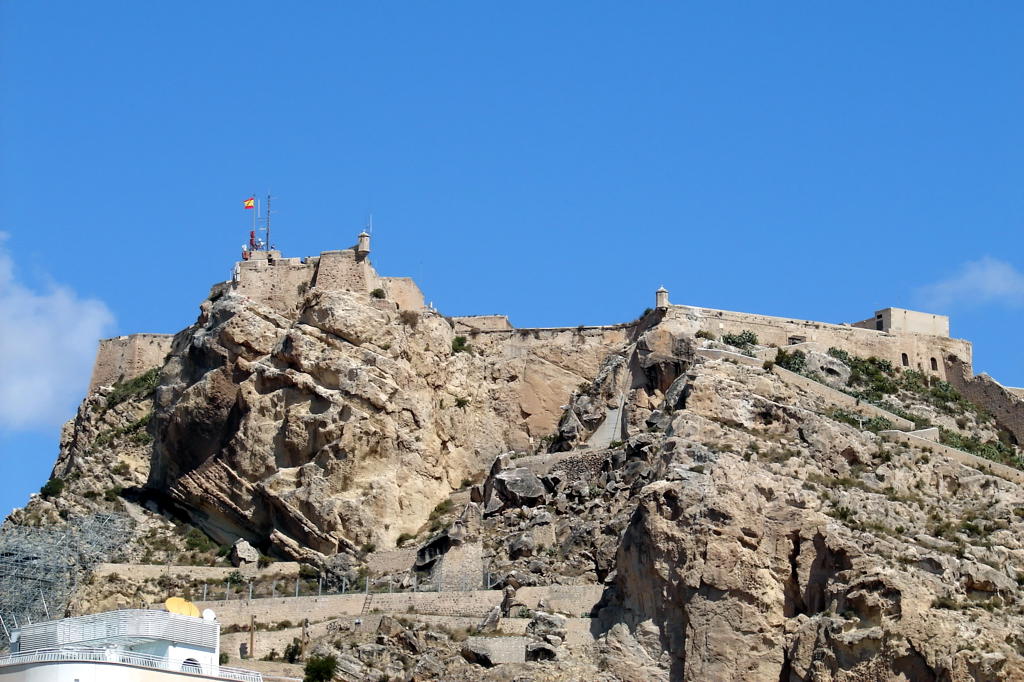
Thick stone walls rise high above Alicante, crowned by the imposing Castell de Santa Bàrbara. Perched atop Mount Benacantil, the fortress offers sweeping views of the Mediterranean Sea, the city below, and the surrounding coastline. Its strategic position, 166 meters above sea level, made it a coveted stronghold for centuries. The castle’s layers of history are visible in its architecture, from medieval battlements to Renaissance additions, each telling a story of conquest and defense.
The castle’s name honors Saint Barbara, as it was captured by Castilian forces on her feast day, December 4, 1248. Originally built by the Moors in the 9th century, it later became a key site during the Reconquista. Over time, it evolved into a symbol of Alicante’s resilience, enduring sieges, pirate attacks, and even bombardments during the Spanish Civil War. Today, it stands as a testament to the city’s rich and turbulent history.
Layers of History
The castle is divided into three main sections, each corresponding to a different era. The uppermost area, La Torreta, contains the oldest remains, including the original Moorish walls and a watchtower. The middle section, dating to the 16th century, features the Hall of Philip II and the castle’s main courtyard. The lower area, added in the 18th century, includes the Revellín del Bon Repós, which served as a defensive bastion. These layers reflect the castle’s continuous adaptation to new military technologies and threats.
Plan your perfect trip to Alicante with Travo! Download now and start exploring.


Stories in Stone
Carved into the rock of Mount Benacantil, the castle’s walls and towers bear the marks of centuries of conflict. The dungeons, once used to hold prisoners, evoke the harsh realities of medieval warfare. The cannons and artillery placements remind visitors of the castle’s role in defending Alicante from naval attacks. Even the pathways leading up to the fortress, worn smooth by countless footsteps, tell of the many who have climbed to its heights, whether as soldiers, prisoners, or curious travelers.
The Face of the Moor
From certain angles, the outline of Mount Benacantil resembles a human face, earning it the nickname “La Cara del Moro” (The Face of the Moor). This natural feature has inspired legends about a Moorish king who once ruled the region. According to one tale, the king’s daughter fell in love with a Christian prisoner, leading to a tragic series of events that ended with her death. The mountain’s “face” is said to be the king, forever mourning his lost daughter.
Artistic and Cultural Elements
Inside the castle, exhibitions showcase artifacts from Alicante’s history, including ceramics, weapons, and tools. The displays highlight the diverse cultures that have shaped the region, from the Iberians and Romans to the Moors and Christians. The castle also hosts cultural events, such as concerts and theater performances, bringing new life to its ancient walls. These activities connect the past with the present, making the fortress a living part of Alicante’s cultural landscape.
Panoramic Views
From the castle’s highest points, the views are breathtaking. The sparkling waters of the Mediterranean stretch to the horizon, while the city of Alicante unfolds below, with its whitewashed buildings, bustling marina, and historic old town. On clear days, you can even see the island of Tabarca in the distance. These vistas not only highlight the castle’s strategic importance but also offer a moment of reflection on the beauty and history of the region.
Why It Endures
Today, Castell de Santa Bàrbara is more than a historical monument; it is a symbol of Alicante’s enduring spirit. Locals and visitors alike are drawn to its commanding presence, whether to explore its history, enjoy its cultural offerings, or simply take in the stunning views. The castle stands as a bridge between the past and the present, a place where history comes alive and the stories of Alicante continue to be told.
Map loading...
Location
Carrer de la Mare de Déu del Socors, 03002, Alicante