
About Celtic Field Woenselse Heide
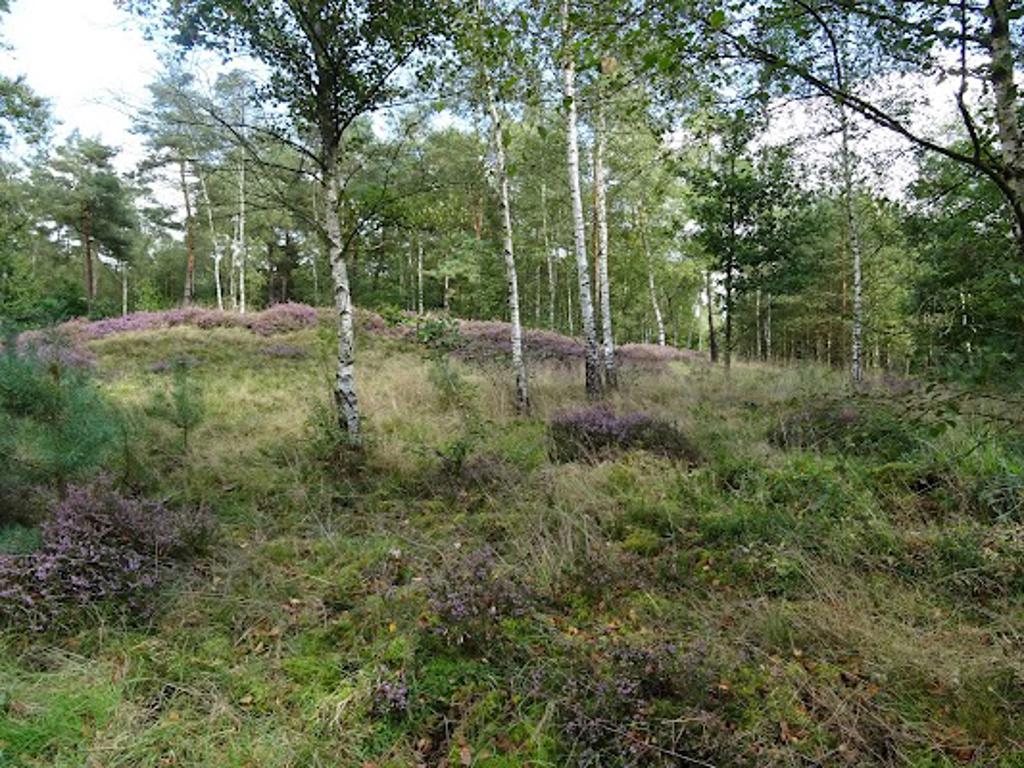
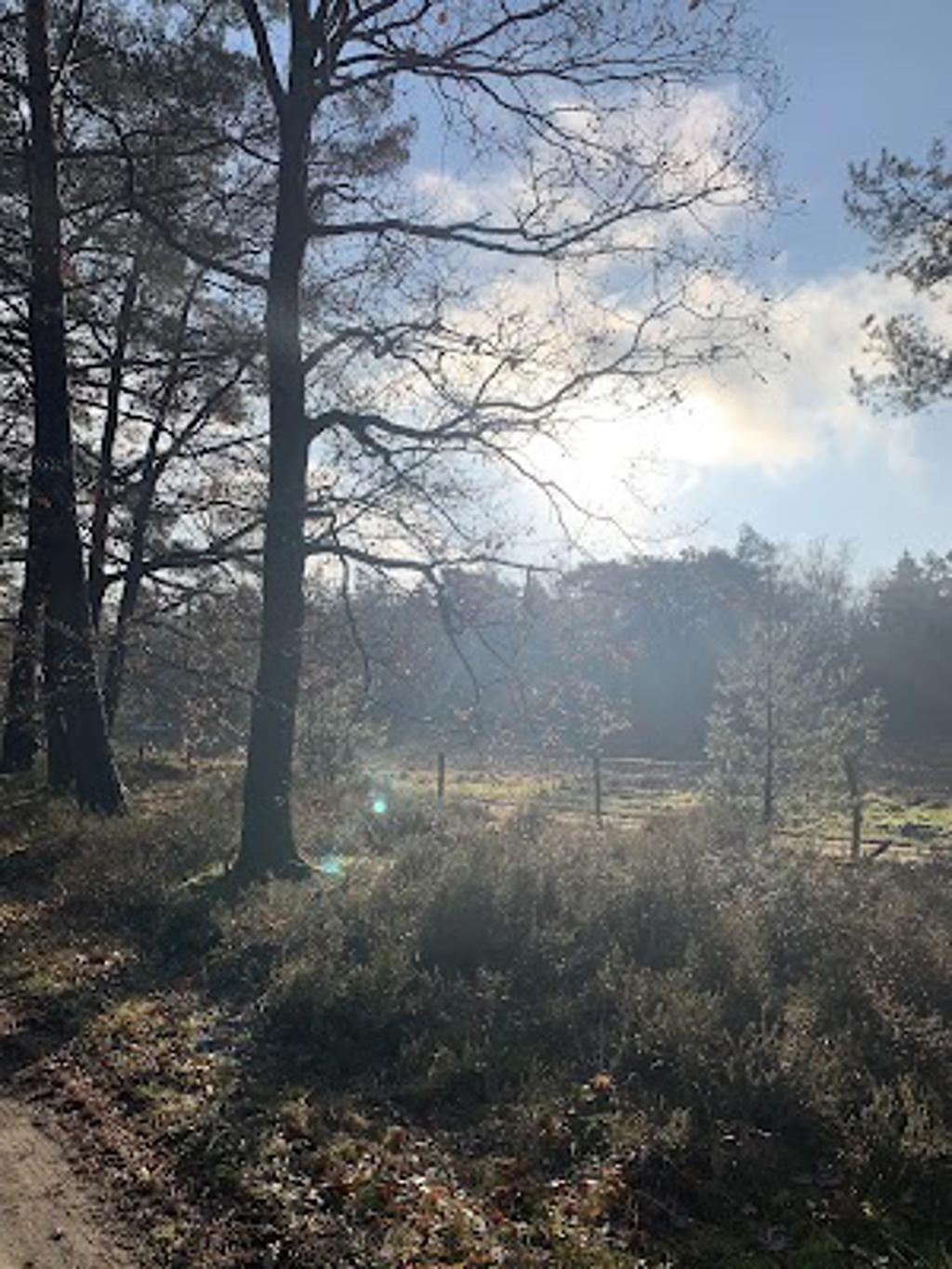
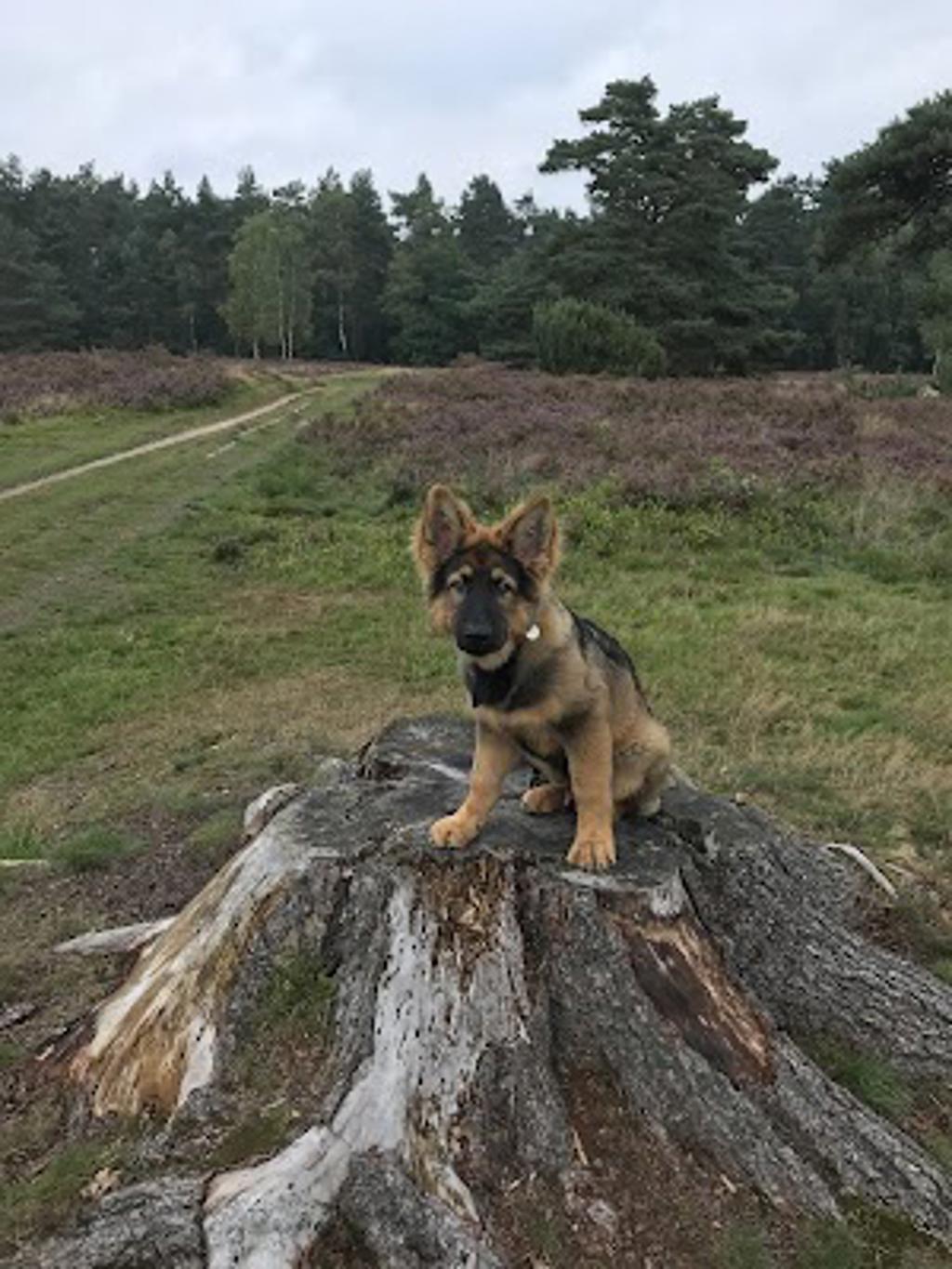
Rows of low, rectangular ridges stretch across the landscape, forming a patchwork of ancient agricultural fields. These are the remnants of a Celtic field system, a prehistoric method of farming that dates back to the Iron Age. The ridges and ditches, though weathered by time, still reveal the ingenuity of early farmers who shaped this land over 2,000 years ago. The fields are surrounded by heathland and forest, creating a serene yet historically rich environment.
The Celtic fields on Woenselse Heide are among the best-preserved examples of this ancient agricultural practice in the Netherlands. These fields were used for small-scale farming, with each plot likely belonging to a single family. The ridges were created by plowing the same area repeatedly, while the ditches helped with drainage. This system allowed communities to cultivate crops like barley, wheat, and oats, ensuring their survival in a challenging environment.
Right Where It Began
The Celtic fields here are a direct link to the Iron Age, a time when small farming communities thrived across Europe. These fields were not just places to grow food; they were central to the lives of the people who lived here. The layout of the fields reflects a communal approach to agriculture, with families working together to sustain their villages. Walking through this area, you are literally stepping into the footprints of ancient farmers who shaped this land with their hands and tools.
Plan your perfect trip to Eindhoven with Travo! Download now and start exploring.


Marks of Time
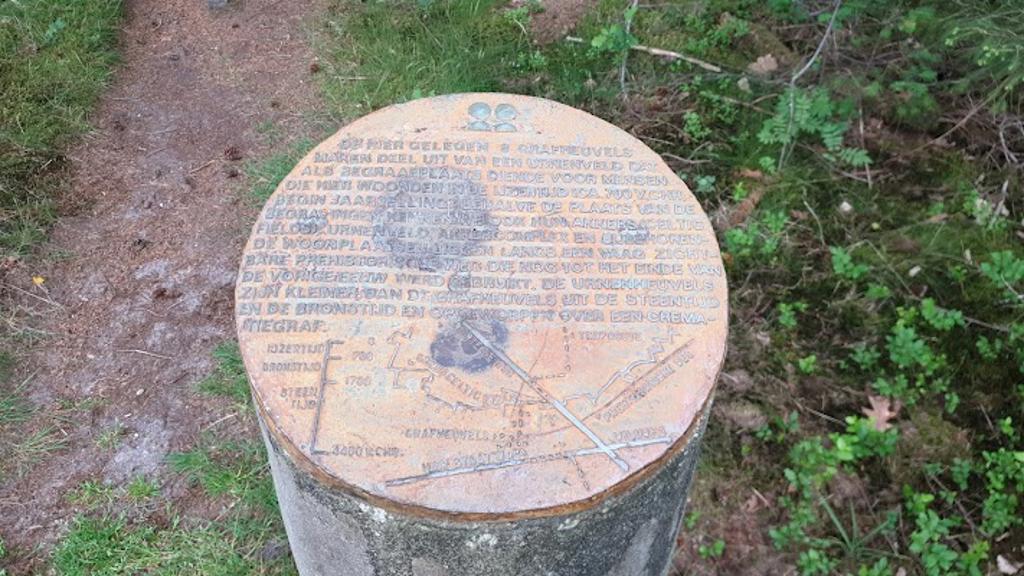
The ridges and ditches of the Celtic fields have survived centuries of natural erosion and human activity. Their preservation is a testament to the durability of this ancient farming method. Archaeological studies have revealed traces of tools, pottery, and even pollen, providing insights into the crops grown and the daily lives of the people who worked these fields. The surrounding heathland and forest have also played a role in protecting this site, creating a natural barrier against modern development.
Stories in the Soil
Each ridge and ditch tells a story of hard work, survival, and adaptation. The soil here holds traces of ancient farming techniques, including the use of manure and crop rotation to maintain fertility. These methods were passed down through generations, ensuring the sustainability of the land. The fields also reveal the social structure of the time, with each family responsible for its own plot but contributing to the community as a whole.
Details That Speak
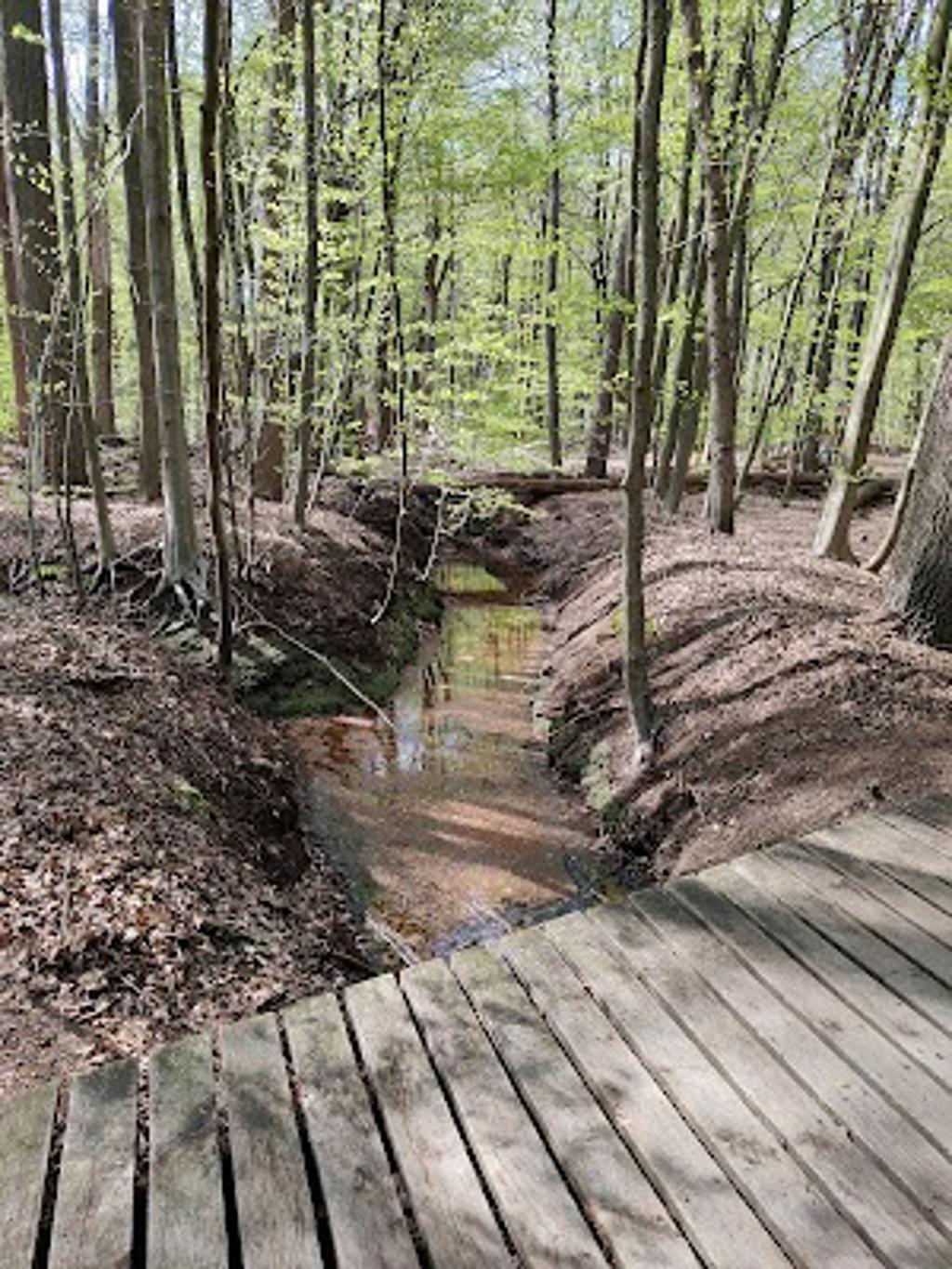
Look closely at the ridges, and you can see the patterns left by ancient plows. The ditches, though shallow now, still outline the boundaries of individual plots. These details offer a glimpse into the daily lives of Iron Age farmers, from the tools they used to the crops they grew. The surrounding landscape, with its mix of heathland and forest, provides a sense of what this area might have looked like thousands of years ago.
Living History
Today, the Celtic fields on Woenselse Heide are a protected archaeological site, offering visitors a chance to connect with the past. Walking through this area, you can imagine the sounds of plows cutting through the soil and the sight of families working together to harvest their crops. The site also serves as a reminder of the importance of sustainable farming practices, a lesson that remains relevant in our modern world.
Map loading...
Location
Achtseweg Zuid, 5626 NE, Eindhoven
Nearby Places
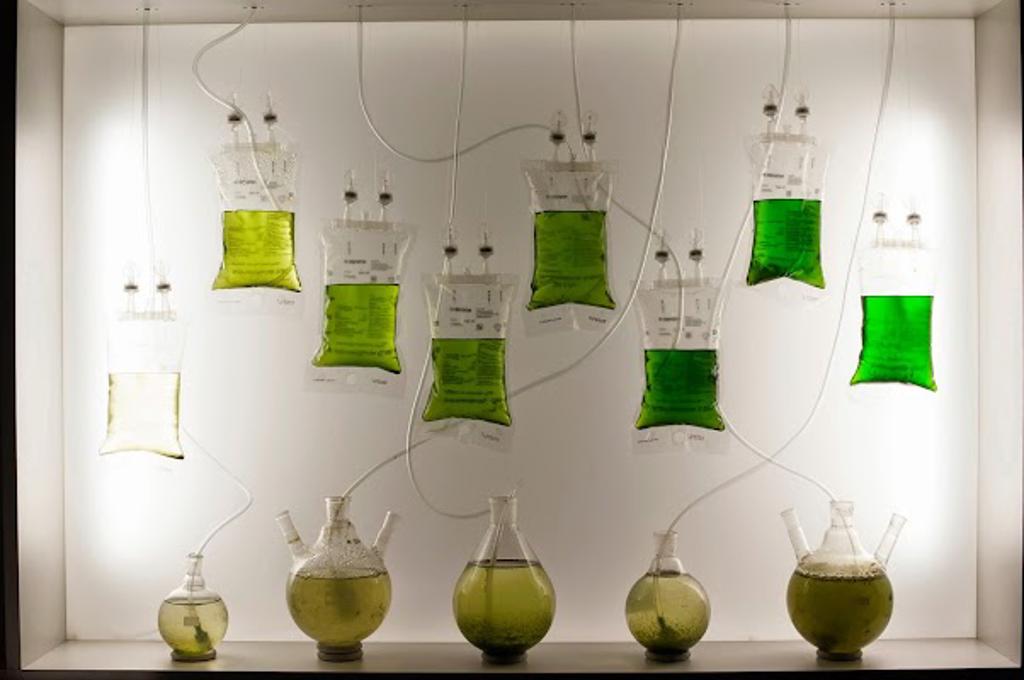
BioArt Laboratories
769m away
14-10 Oirschotsedijk, 5651 GC, Eindhoven
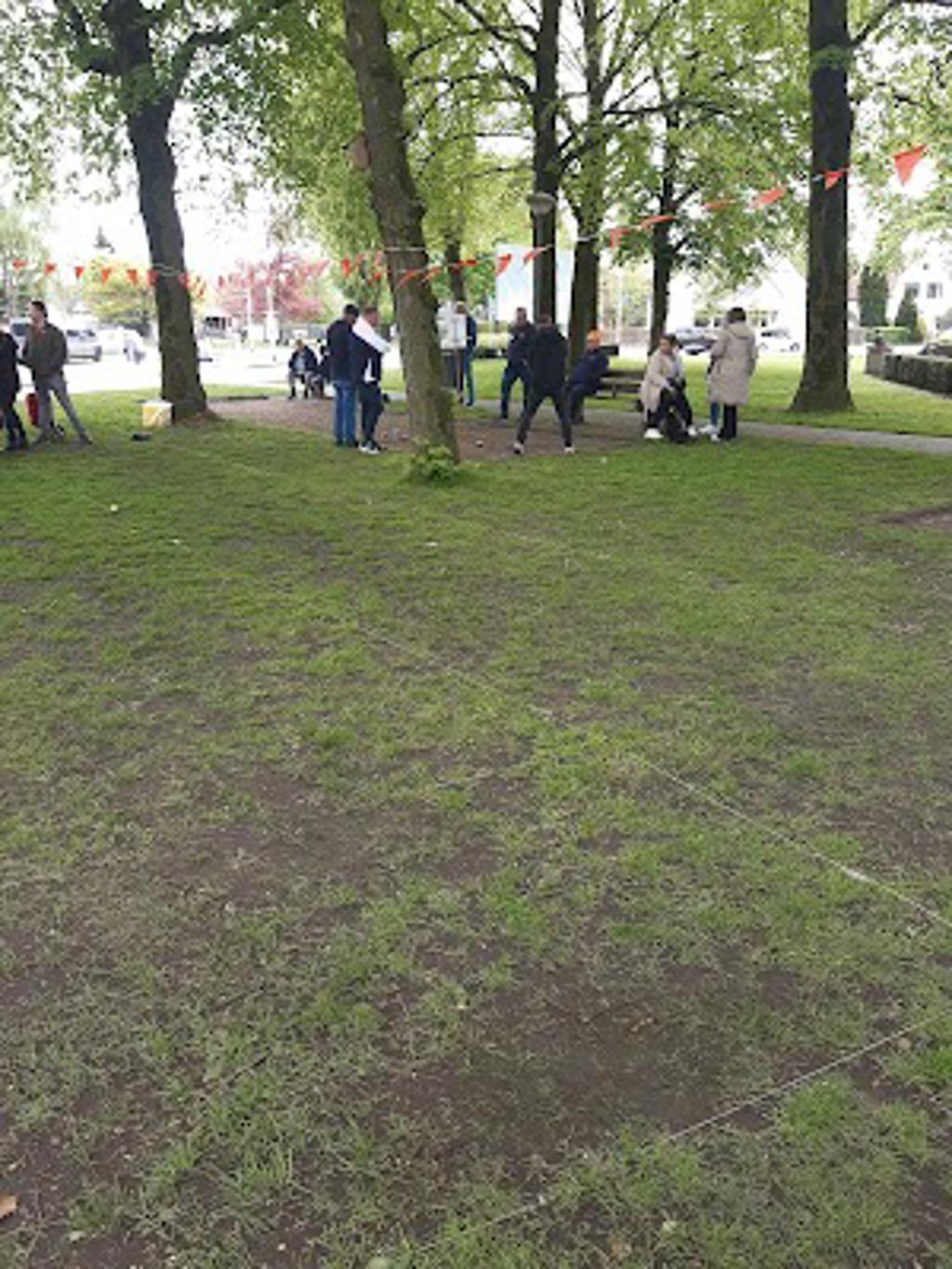
Mijn Schilt Ende Betrouwen
1.0km away
Henk van den Broeklaan, 5626 HA, Eindhoven
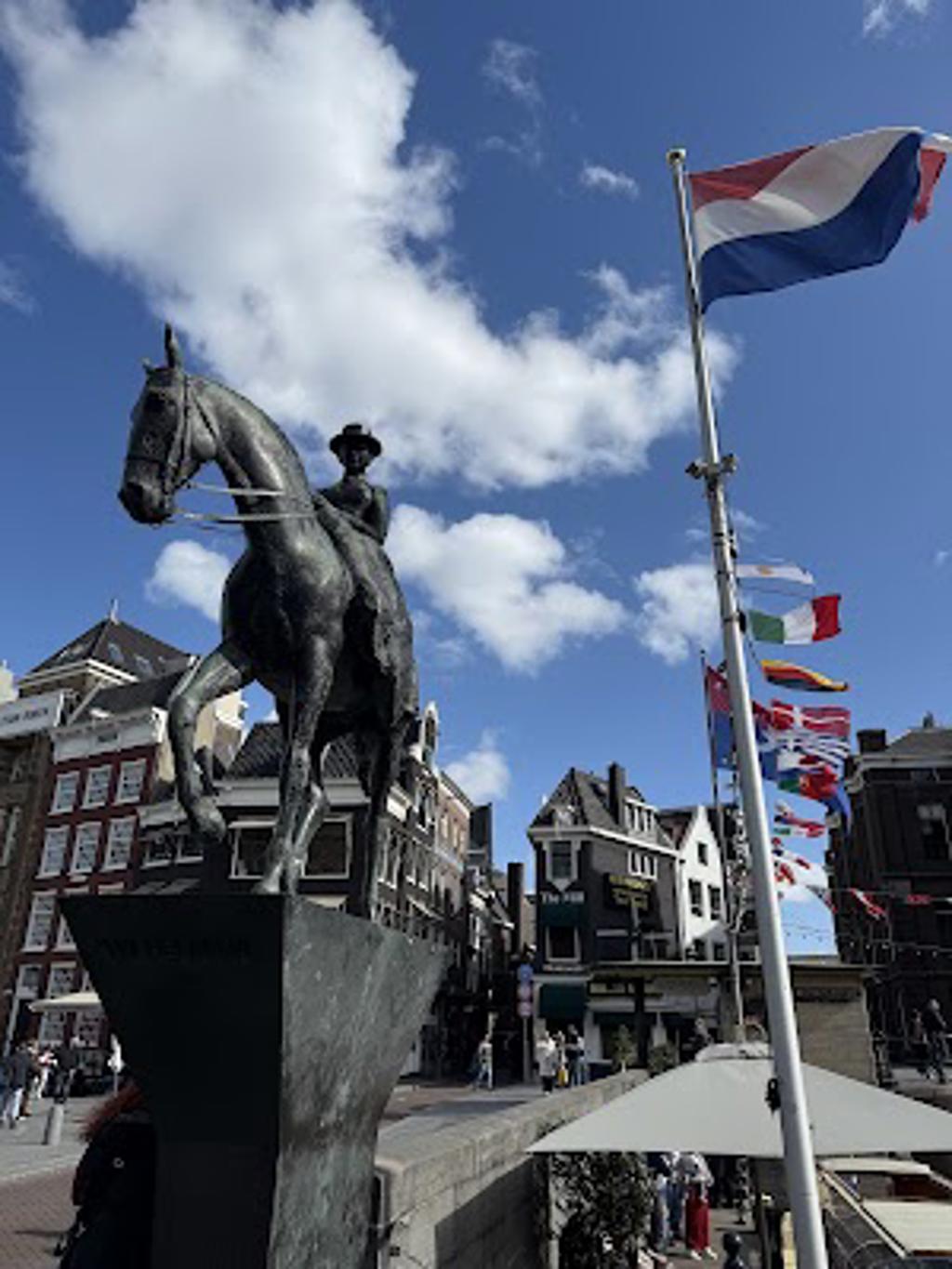
Wilhelminamonument
1.1km away
Boslaan, 5651 GA, Eindhoven
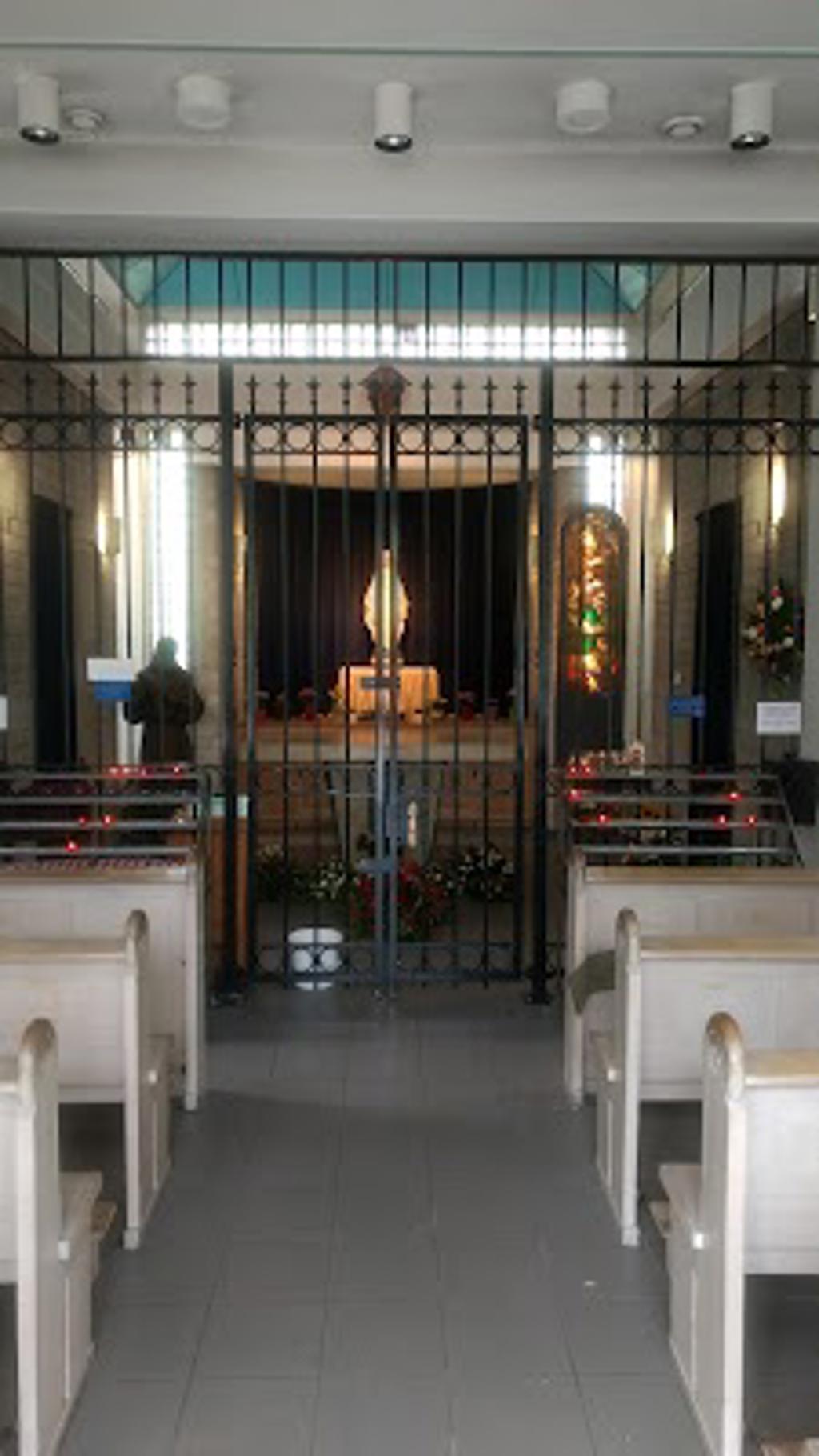
Maria Koningin van de Vrede
1.2km away
Oude Bossche Baan, 5624 AA, Eindhoven
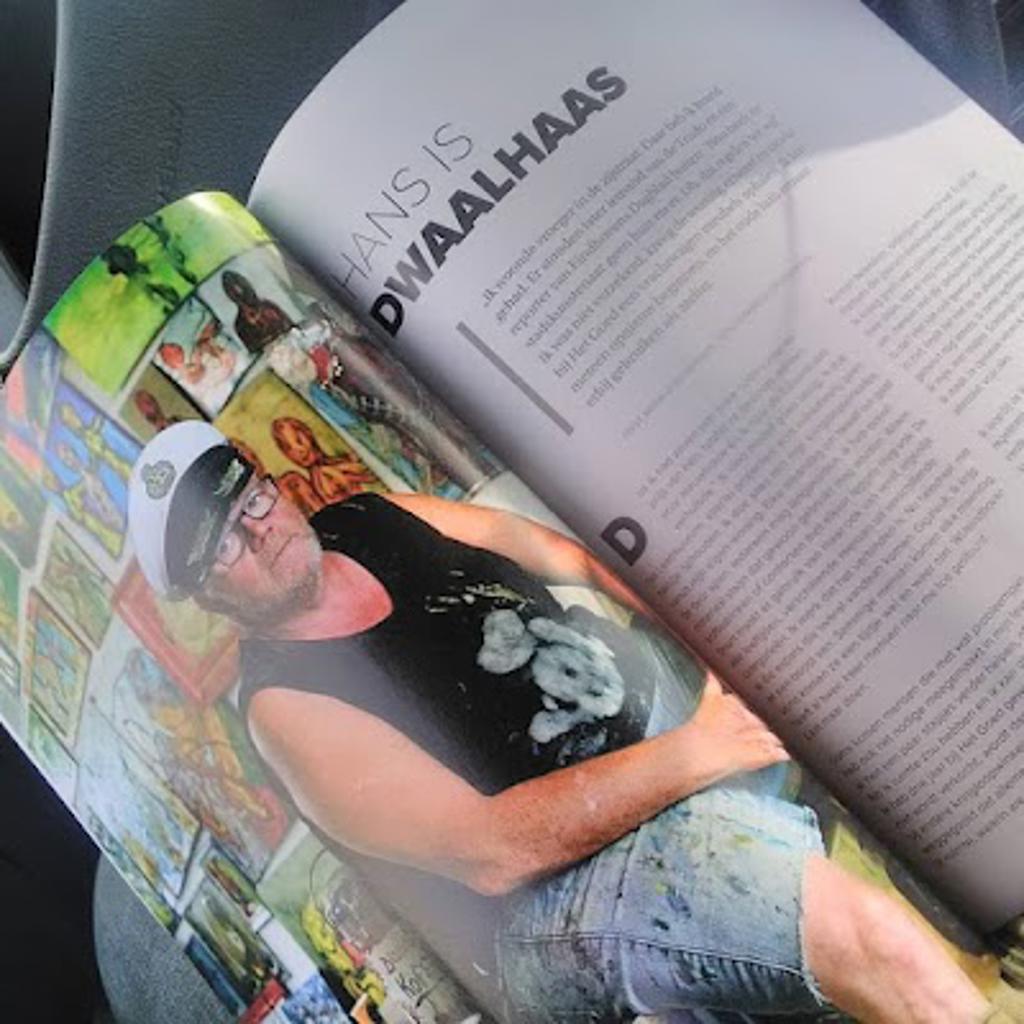
Stichting Dwaalhaas
1.7km away
39 Edisonstraat, 5621 HK, Eindhoven
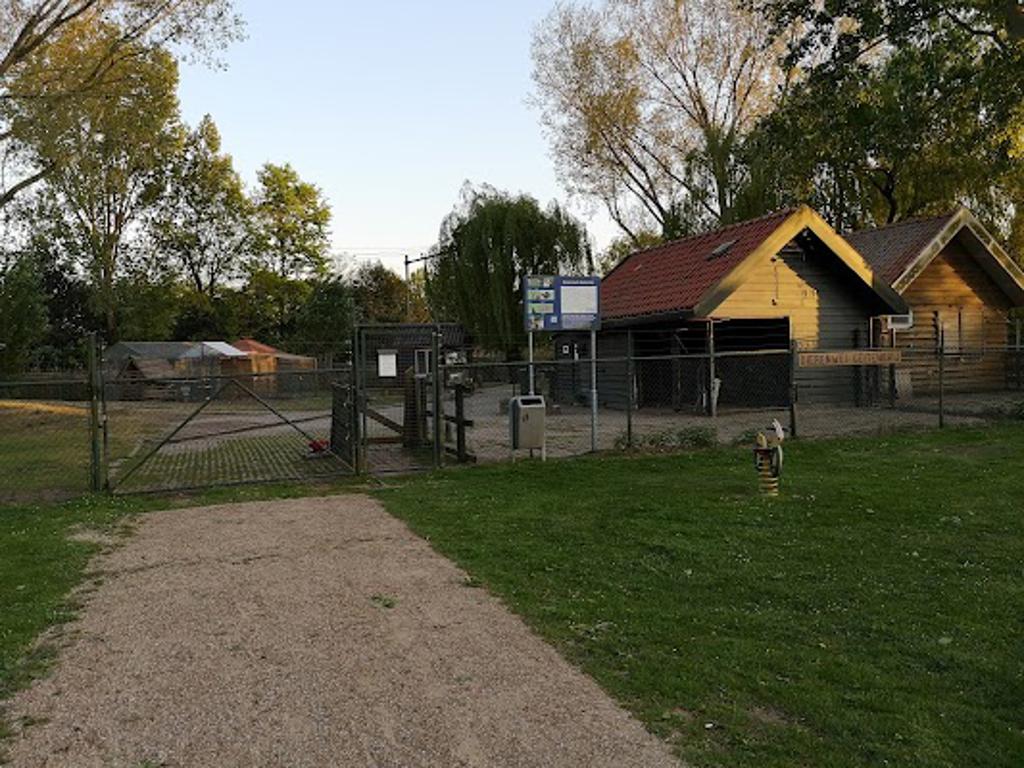
Geitenweitje
1.7km away
Rijnstraat, 5626 BD, Eindhoven