About Spinolaschans
Earthworks rise gently from the surrounding landscape, their contours forming a star-shaped pattern. These are the remnants of Spinolaschans, a 17th-century military fortification. The grass-covered mounds and ditches reveal the strategic ingenuity of the Eighty Years' War, a conflict that shaped the Netherlands' fight for independence from Spain. The fort’s design, with its angular bastions and defensive moats, reflects the military engineering of the time, aimed at repelling sieges and controlling key routes.
Named after the Spanish general Ambrogio Spinola, this fortification was part of a larger network of defenses during the Siege of Breda in 1624-1625. Spinola, a skilled military strategist, led the Spanish forces in a prolonged and grueling siege against the Dutch. The fort served as a critical stronghold, allowing the Spanish to encircle Breda and cut off supplies to the city, ultimately forcing its surrender. Today, the site stands as a testament to the tactical brilliance and the intense struggles of the Eighty Years' War.
Strategic Design and Purpose
The star-shaped layout of Spinolaschans is a hallmark of 17th-century military architecture. The angular bastions provided overlapping fields of fire, making it difficult for attackers to approach without being exposed to defensive fire. The surrounding ditches, now softened by time and vegetation, were once filled with water to hinder enemy advances. This design not only protected the fort’s garrison but also allowed them to control the surrounding area, ensuring dominance over key supply routes and communication lines.
Plan your perfect trip to Breda with Travo! Download now and start exploring.


Marks of Time
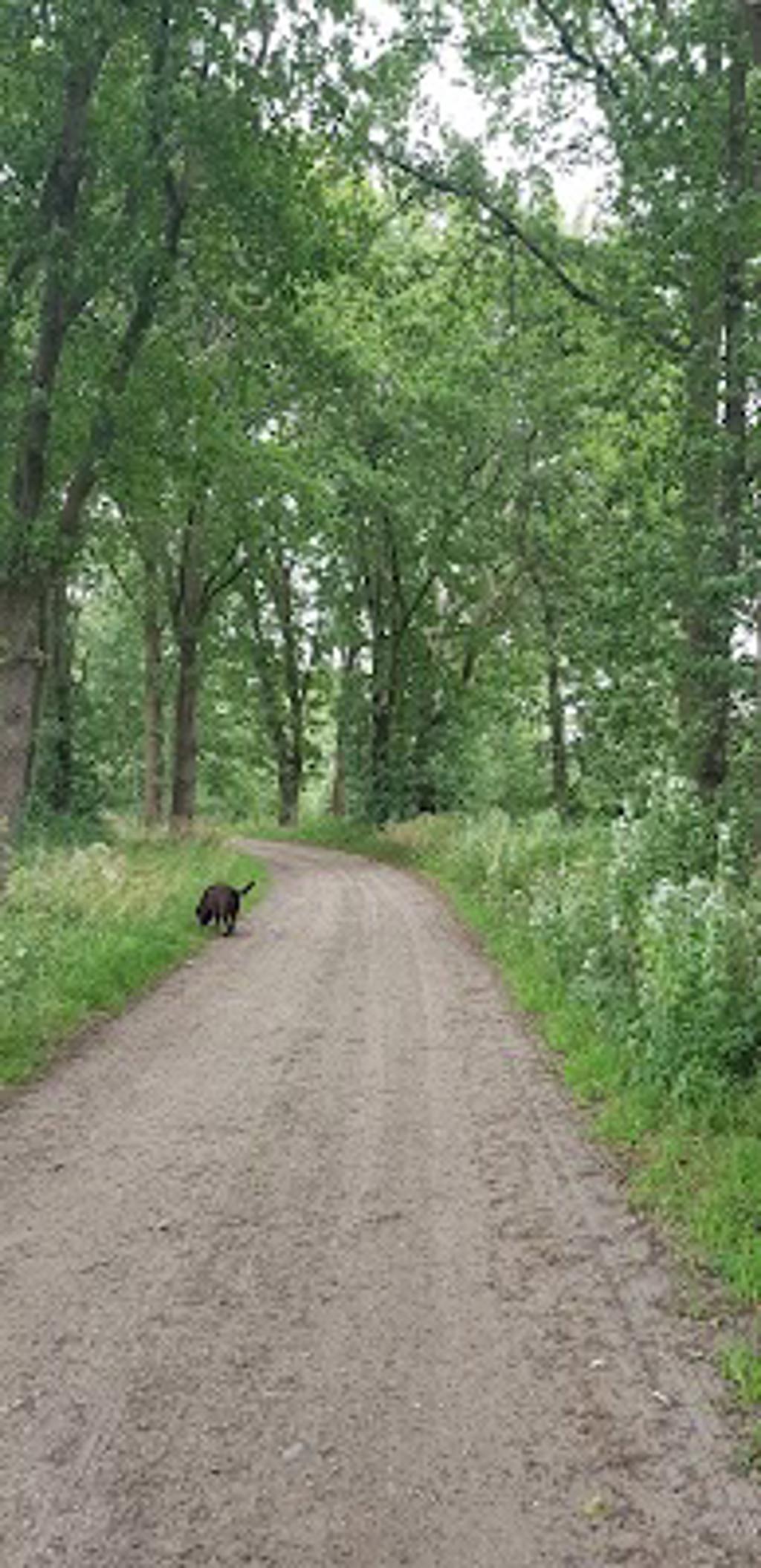
Walking along the earthworks, you can see how nature has reclaimed the site. Grass and wildflowers now cover the mounds, and the ditches have become habitats for local wildlife. Yet, the outlines of the fort remain clear, a silent reminder of its past. The layers of soil and vegetation tell a story of centuries of change, from a bustling military outpost to a peaceful historical site. The fort’s enduring presence connects visitors to the turbulent history of the Eighty Years' War.
Stories in the Landscape
Each angle and curve of the fort’s design tells a story of strategy and survival. The bastions, with their sharp points, were designed to eliminate blind spots and provide maximum defensive coverage. The ditches, now serene, were once treacherous obstacles for enemy forces. The fort’s location, near key waterways and roads, highlights its importance in controlling movement and supply lines during the siege. These features make Spinolaschans a fascinating example of military ingenuity.
Legacy of the Eighty Years' War
Spinolaschans is more than just a historical site; it is a symbol of the Netherlands’ struggle for independence. The Eighty Years' War was a defining period in Dutch history, leading to the establishment of the Dutch Republic. The fort’s role in the Siege of Breda underscores the high stakes and the strategic importance of this region. Today, the site serves as a place of reflection, where visitors can learn about the sacrifices and strategies that shaped the Netherlands’ path to freedom.
Present-Day Significance
In modern times, Spinolaschans has become a peaceful retreat and a site of historical education. Locals and visitors alike come here to walk along the trails, enjoy the natural beauty, and explore the remnants of the fort. Interpretive signs provide insights into its history, making it a living classroom for those interested in military history and the Eighty Years' War. The site’s preservation ensures that future generations can continue to learn from and be inspired by this remarkable piece of history.