
About Olga Blumenthal
A small, unassuming plaque marks the memory of Olga Blumenthal, a Jewish woman who lived in Venice during the early 20th century. The plaque is embedded into the wall along the Fondamenta del Tagiapiera, its simple design contrasting with the rich Venetian architecture around it. The inscription bears her name, her birth year, and the year of her deportation to Auschwitz, 1944, a stark reminder of the Holocaust’s reach even into the serene canals of Venice.
History in Venice
Venice, known for its beauty and culture, also holds a darker history tied to World War II. During the Nazi occupation of Italy, Jewish residents of Venice, including Olga Blumenthal, were rounded up and deported. The plaque serves as a "stumbling stone," part of a broader European project to commemorate Holocaust victims. These small memorials are placed at the last known residence or location of individuals before their deportation, ensuring their stories are not forgotten amidst the grandeur of the cities they once called home.
Plan your perfect trip to Venice with Travo! Download now and start exploring.


Olga Blumenthal’s Life and Legacy
Olga Blumenthal was born in 1886, a time when Venice was a vibrant hub of art, trade, and culture. As a Jewish resident, she was part of a community that had lived in Venice for centuries, contributing to its rich tapestry of life. However, the rise of fascism and the Nazi occupation brought devastating consequences. In 1944, Olga was deported to Auschwitz, where she perished. Her plaque now stands as a testament to her life and the countless others who suffered similar fates.
Details That Speak
The plaque’s simplicity is its power. The engraved letters are small but precise, forcing passersby to pause and lean in to read. The choice of material—brass—catches the light, ensuring it doesn’t go unnoticed. Its placement at street level invites reflection, as if asking viewers to bow their heads in remembrance. The date of her deportation, 1944, etched alongside her name, anchors her story in a specific moment of history, making the abstract horrors of the Holocaust deeply personal.
Artistic and Symbolic Elements
These "stumbling stones," or Stolpersteine, are the work of German artist Gunter Demnig. Each plaque is handcrafted, ensuring no two are identical, just as no two lives lost were the same. The act of placing the plaque in the pavement symbolizes the disruption of lives and communities. In Venice, a city where every stone tells a story, Olga Blumenthal’s plaque adds a layer of somber reflection, reminding us that even amidst beauty, history’s scars remain visible.
Why It Matters Today
In a city visited by millions each year, this small plaque offers a moment of quiet introspection. It connects the bustling present with a painful past, urging visitors to remember the individuals behind historical tragedies. Olga Blumenthal’s plaque is not just a memorial; it’s a call to action to ensure such atrocities are never repeated. For Venetians and visitors alike, it serves as a poignant reminder of the resilience of memory and the importance of bearing witness.


Map loading...
Location
Fondamenta del Tagiapiera, 30123, Venice
Nearby Places
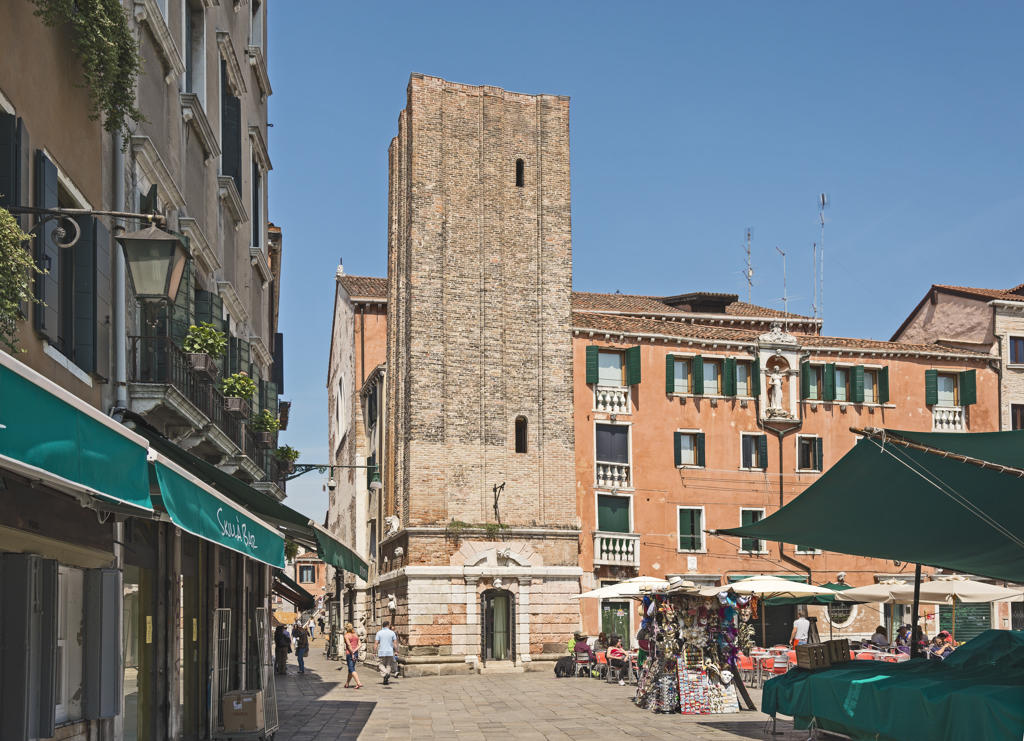
Auditorium Santa Margherita
146m away
Calle de la Chiesa, 30123, Venice
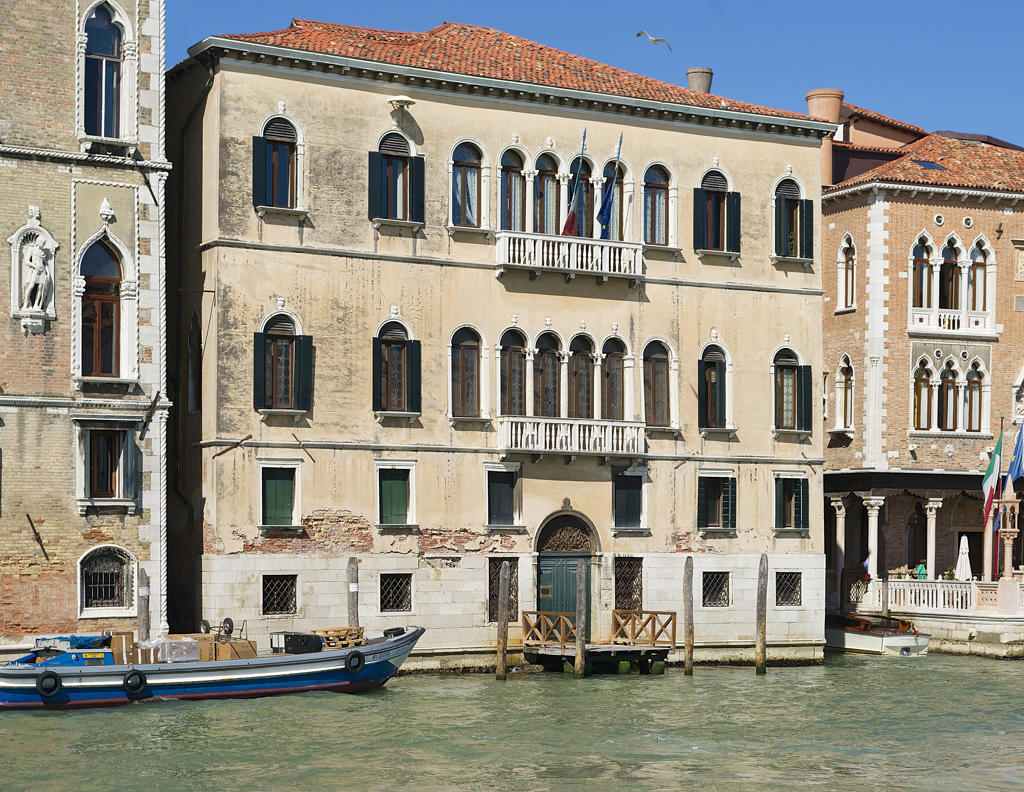
Palazzo Moro
221m away
Calle dei Cerchieri, 30123, Venice
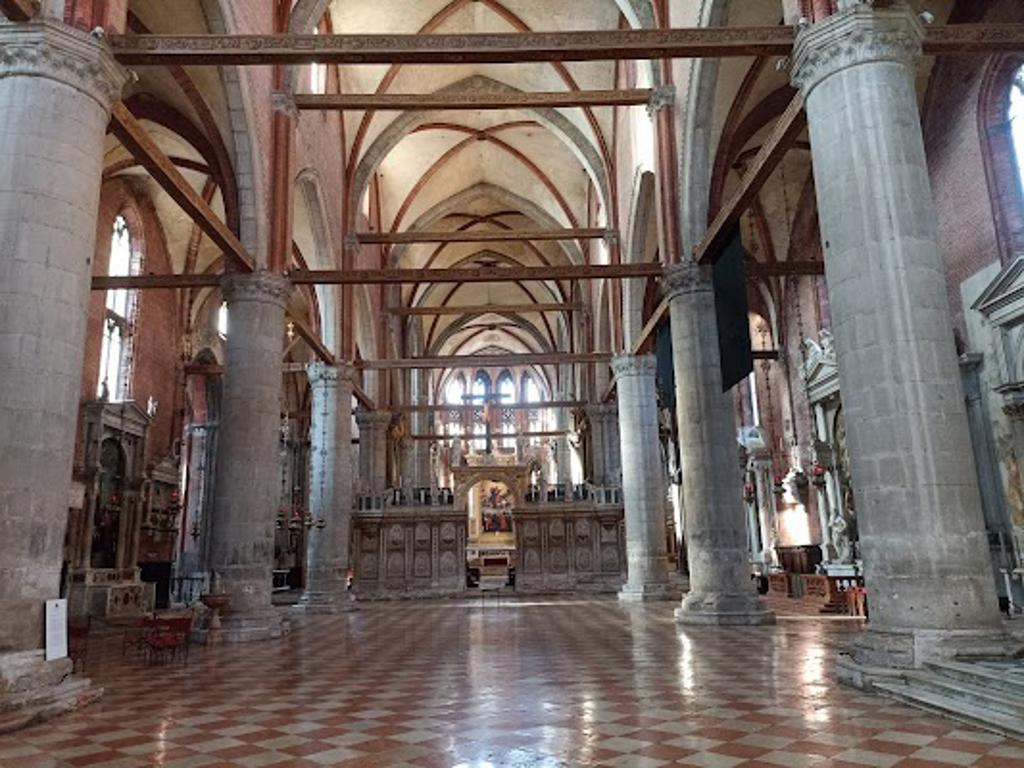
Basilica di Santa Maria Gloriosa dei Frari
247m away
Campiello San Rocco, 30125, Venezia

San Nicola da Tolentino
449m away
Chiostro dei Tolentini, 30135, Venezia

Ponte de la Croce
638m away
Ponte de la Croce, 30135, Venice
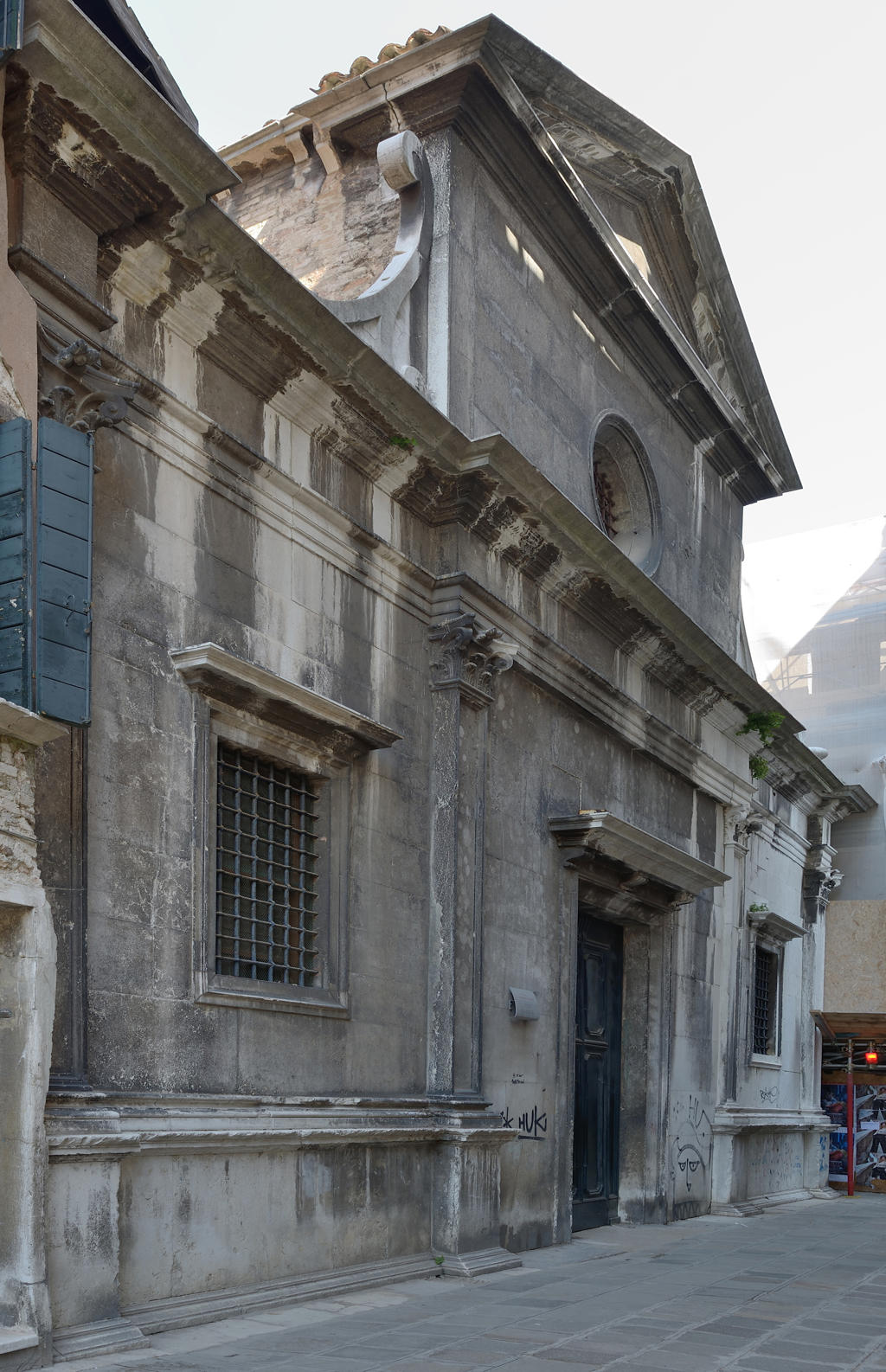
Chiesa di Santa Maria Mater Domini
691m away
Calle de la Chiesa, 30135, Venice