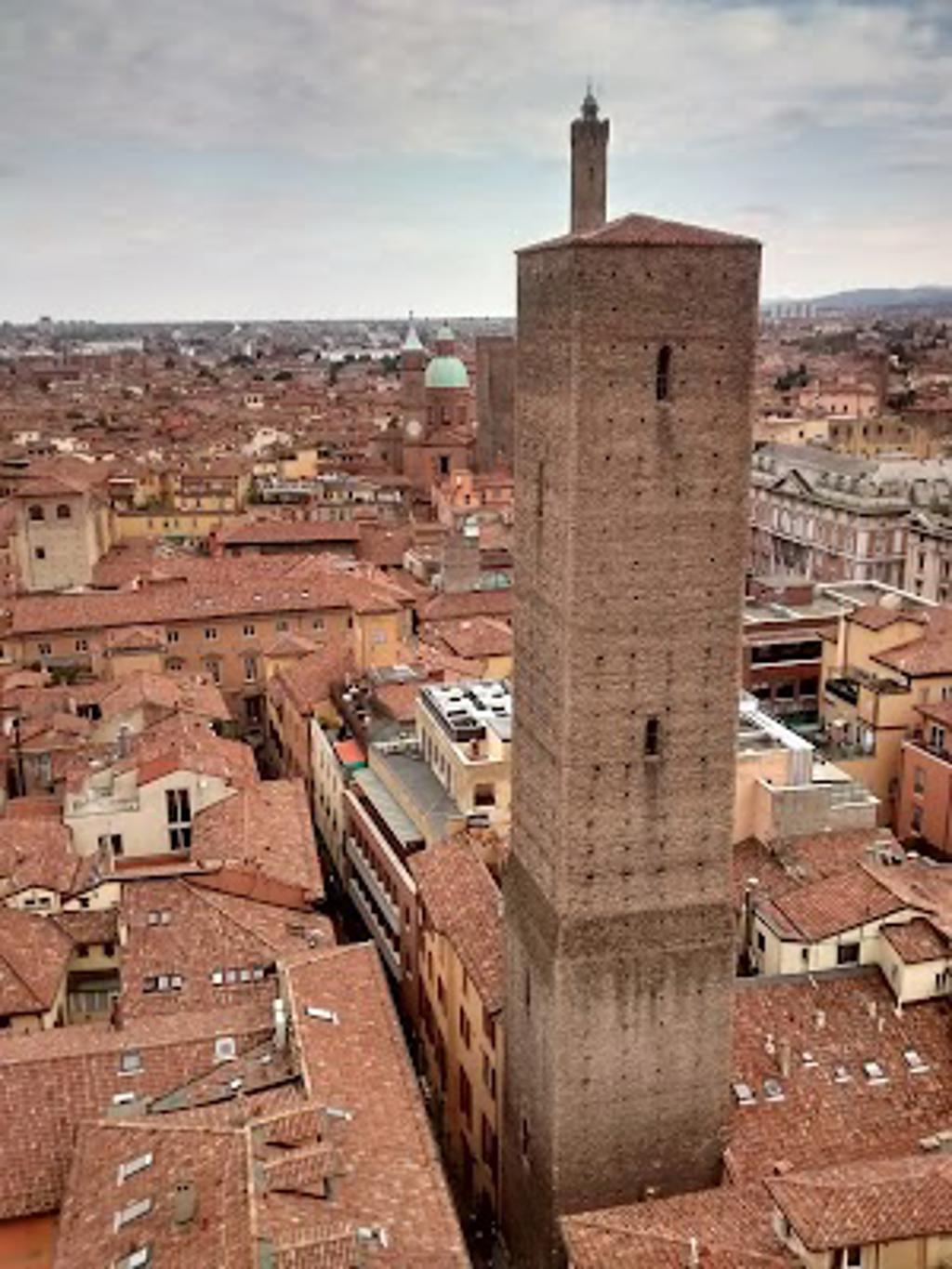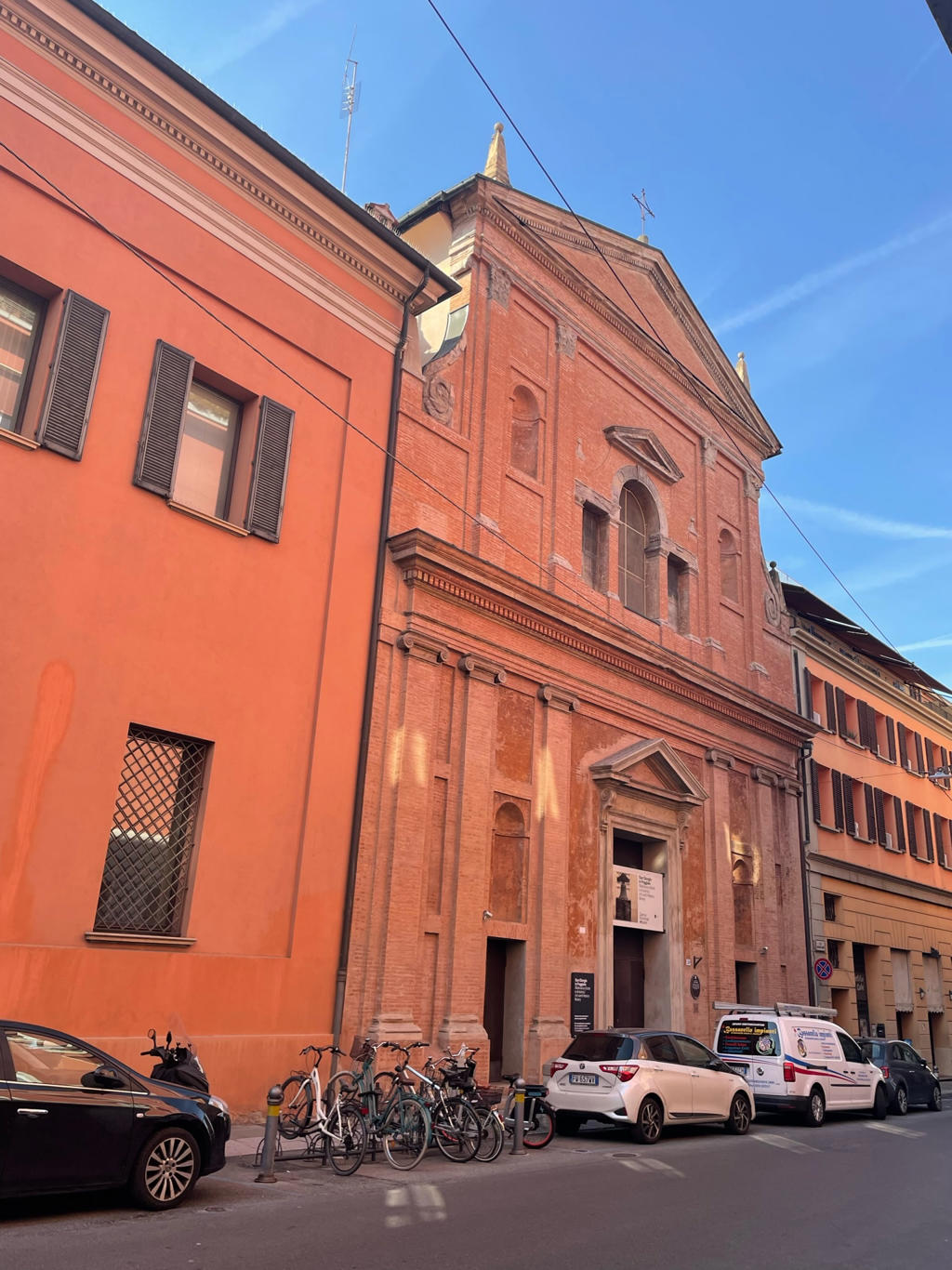
About Diavolino del Gianbologna
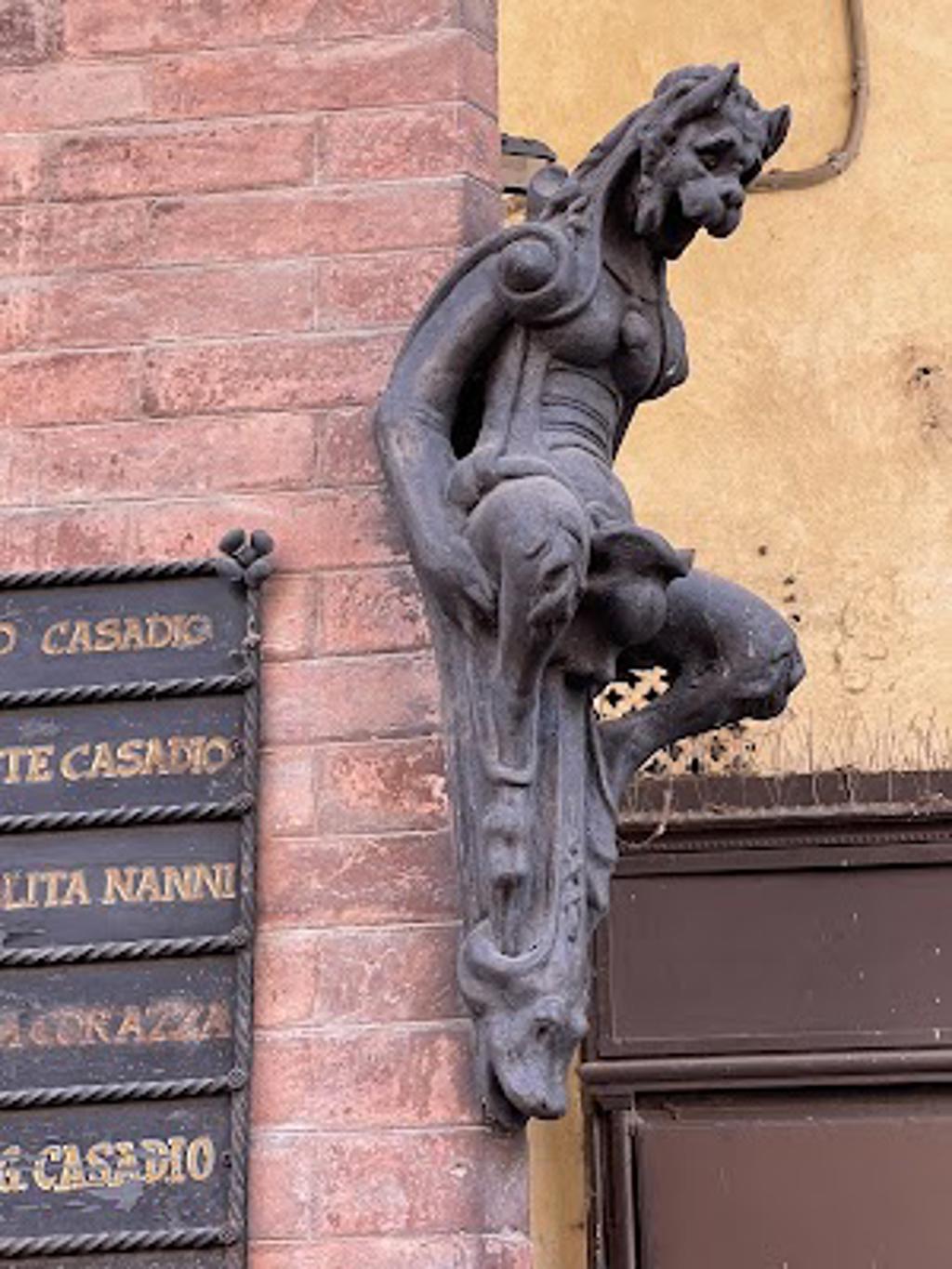
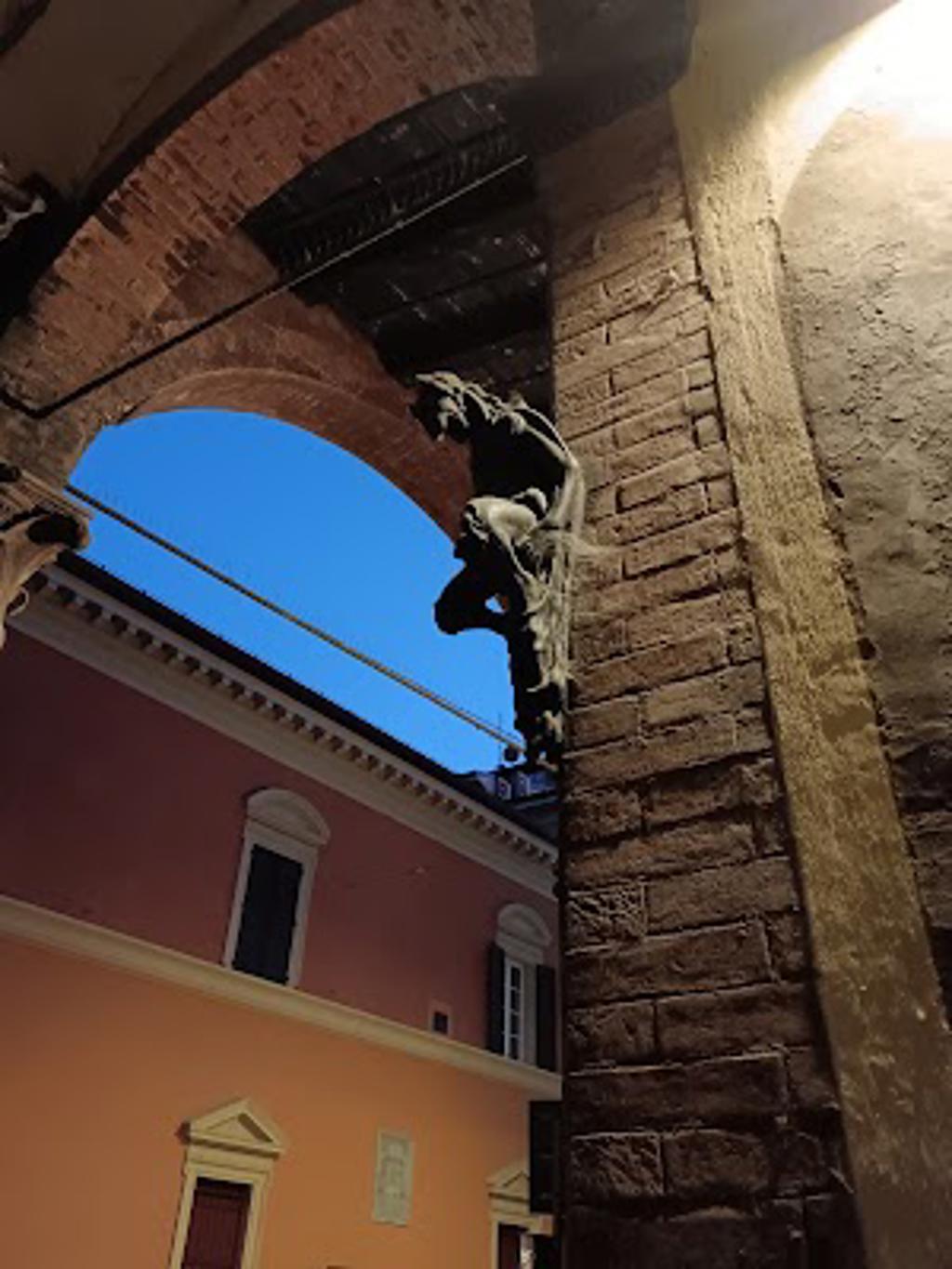
The small bronze figure of the Diavolino, crafted by Giambologna, crouches with a mischievous grin. Its sharp features, pointed ears, and curled tail evoke a playful yet sinister presence. The figure’s posture, with one knee bent and arms resting casually, suggests a moment of pause, as if caught in the act of some devilish trickery. The intricate details of its anatomy, from the sinewy muscles to the textured skin, showcase Giambologna’s mastery in capturing lifelike movement and expression.
Giambologna’s Artistic Genius
Giambologna, a renowned sculptor of the late Renaissance, created the Diavolino as a study in form and character. Known for his dynamic compositions and ability to convey motion, Giambologna’s works often blend elegance with a touch of whimsy. The Diavolino, though small in scale, embodies his skill in imbuing bronze with personality and vitality. This piece reflects the playful side of Renaissance art, where even a devilish figure could be rendered with charm and sophistication.
Plan your perfect trip to Bologna with Travo! Download now and start exploring.


Symbolism and Interpretation
The Diavolino’s devilish appearance invites varied interpretations. Some see it as a representation of temptation or mischief, while others view it as a playful nod to the human fascination with the supernatural. Its small size and approachable demeanor contrast with the fearsome imagery often associated with devils, suggesting a more lighthearted take on the theme. The figure’s grin and relaxed posture challenge traditional notions of evil, making it a unique and intriguing piece.
Details That Speak
Notice the finely sculpted hands and feet, each finger and toe carefully defined. The tail curls upward, adding a sense of movement to the otherwise still figure. The Diavolino’s eyes, slightly narrowed, seem to follow the viewer, creating an interactive experience. The bronze’s patina, aged over centuries, adds depth and character, enhancing the figure’s enigmatic allure.
Historical Context
Created during the late 16th century, the Diavolino reflects the Renaissance fascination with mythology, allegory, and the human form. Giambologna’s works were highly sought after by patrons across Europe, and this piece likely served as a study or decorative object. Its playful nature aligns with the period’s exploration of humor and irony in art, offering a glimpse into the cultural mindset of the time.
Present-Day Significance
Today, the Diavolino remains a testament to Giambologna’s artistic legacy and the enduring appeal of Renaissance sculpture. Visitors to Bologna often seek out this small yet captivating figure, drawn to its charm and craftsmanship. It serves as a reminder of the power of art to provoke thought, spark curiosity, and connect us to the past through tangible, expressive forms.
Map loading...
Location
47 Via Massimo D'Azeglio, 40123, Bologna