
About Erzsébet híd
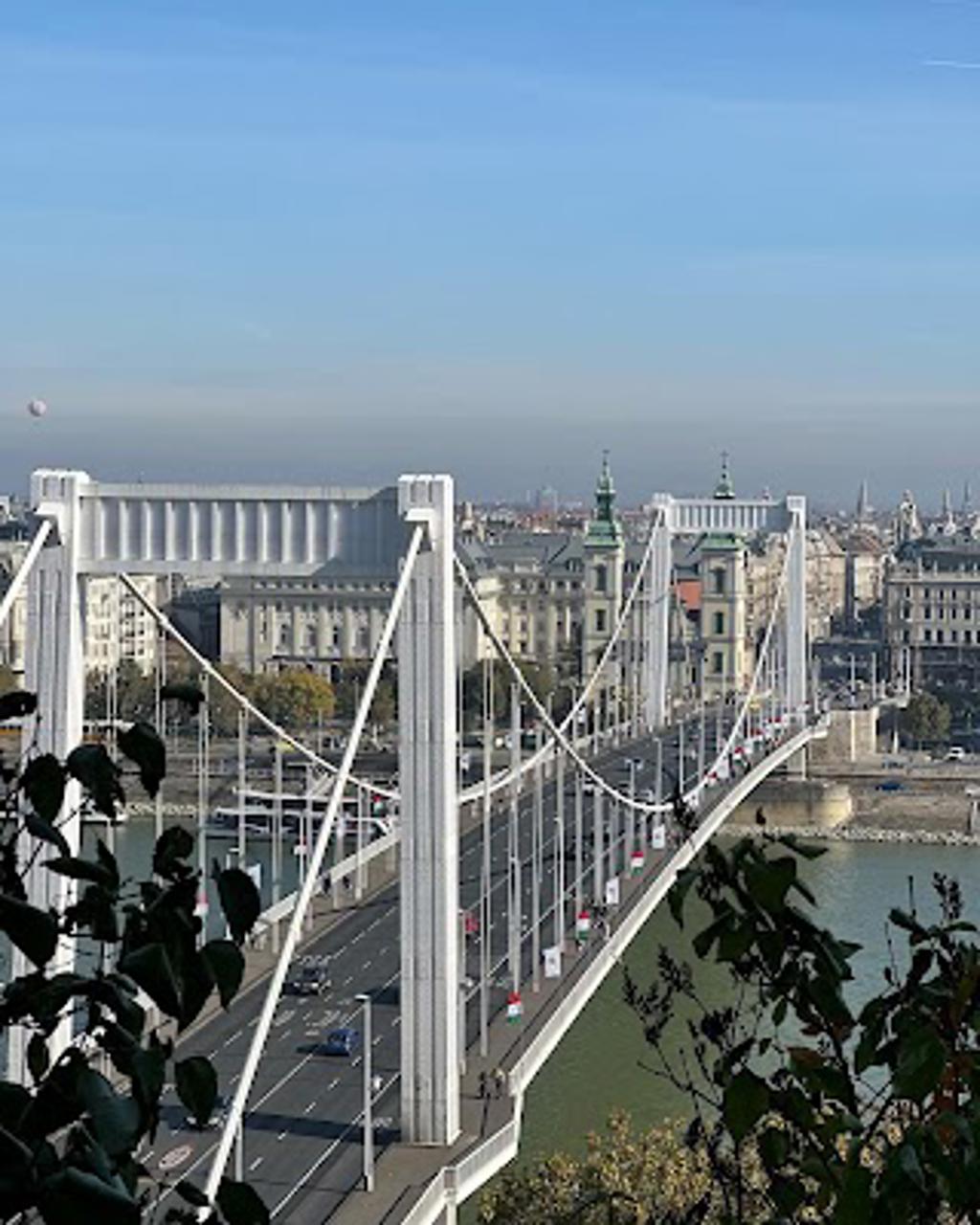
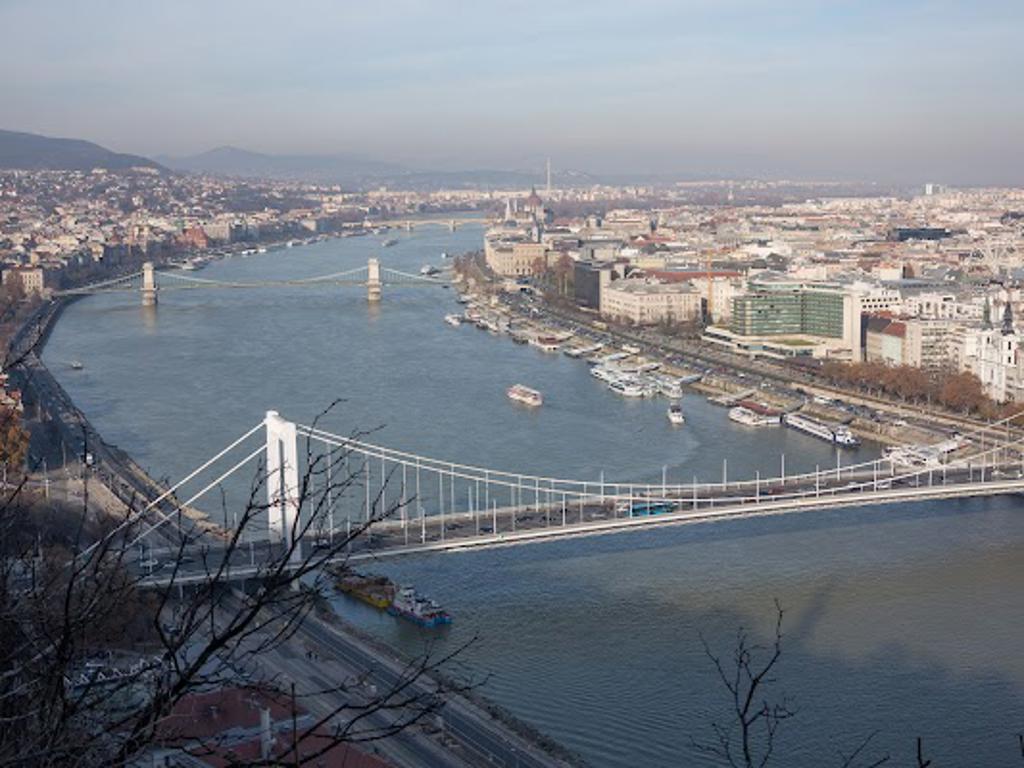
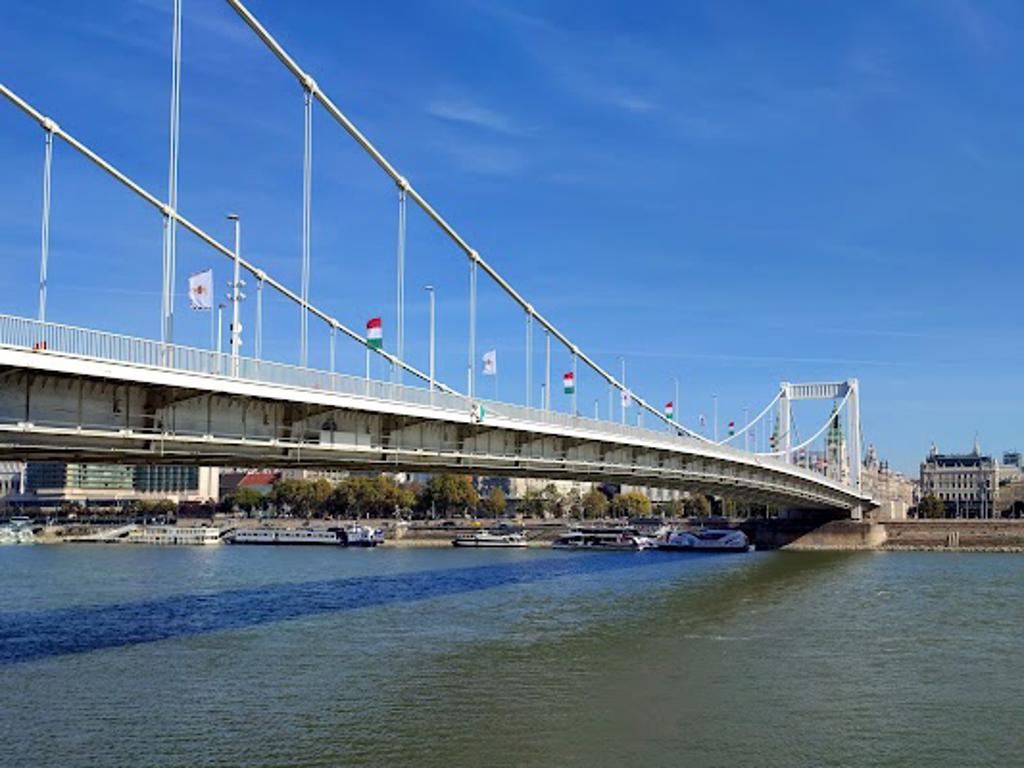
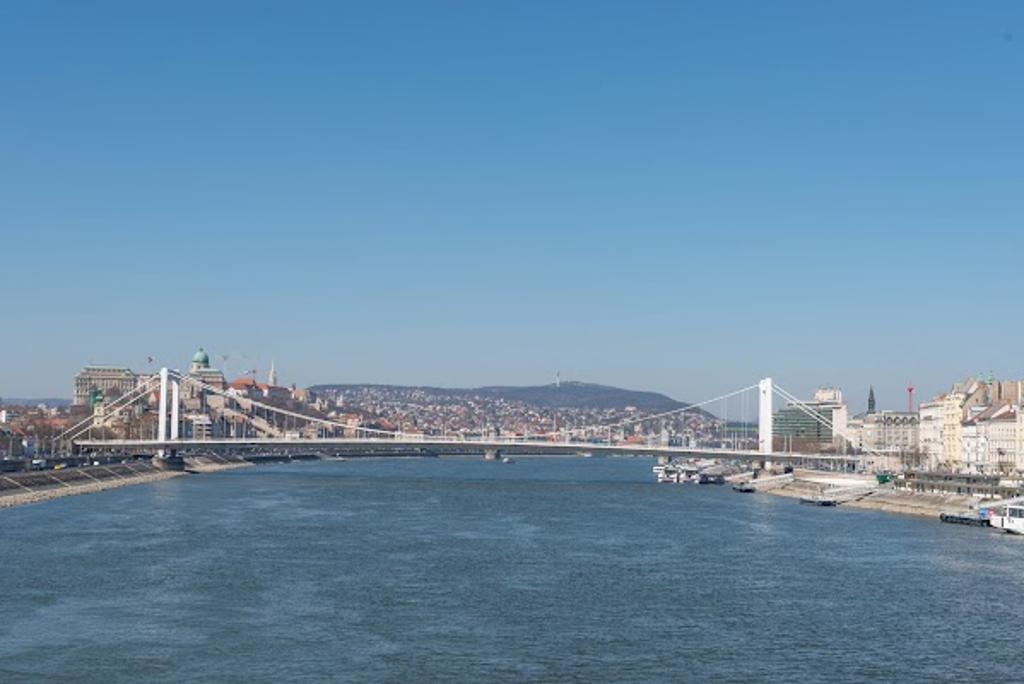
Elizabeth Bridge stretches across the Danube River, connecting the bustling districts of Pest and Buda. Its sleek white steel structure gleams under the sunlight, a modern design that contrasts with the historic architecture surrounding it. The bridge’s minimalist lines and suspension design make it a striking feature of Budapest’s skyline, blending functionality with elegance.
History and Transformation
Originally completed in 1903, the first Elizabeth Bridge was a chain bridge named after Queen Elizabeth of Hungary. It was destroyed during World War II, leaving only ruins behind. The current bridge, rebuilt in 1964, reflects a modern approach to engineering and design. Its reconstruction marked a turning point in Budapest’s post-war recovery, symbolizing resilience and progress.
Plan your perfect trip to Budapest with Travo! Download now and start exploring.


Queen Elizabeth’s Legacy
Queen Elizabeth, affectionately known as Sisi, was beloved by the Hungarian people for her compassion and connection to their culture. The bridge honors her memory, serving as a reminder of her role in strengthening ties between Hungary and Austria during the Austro-Hungarian Empire. Her legacy lives on in the name and significance of this vital crossing.
Architectural Features
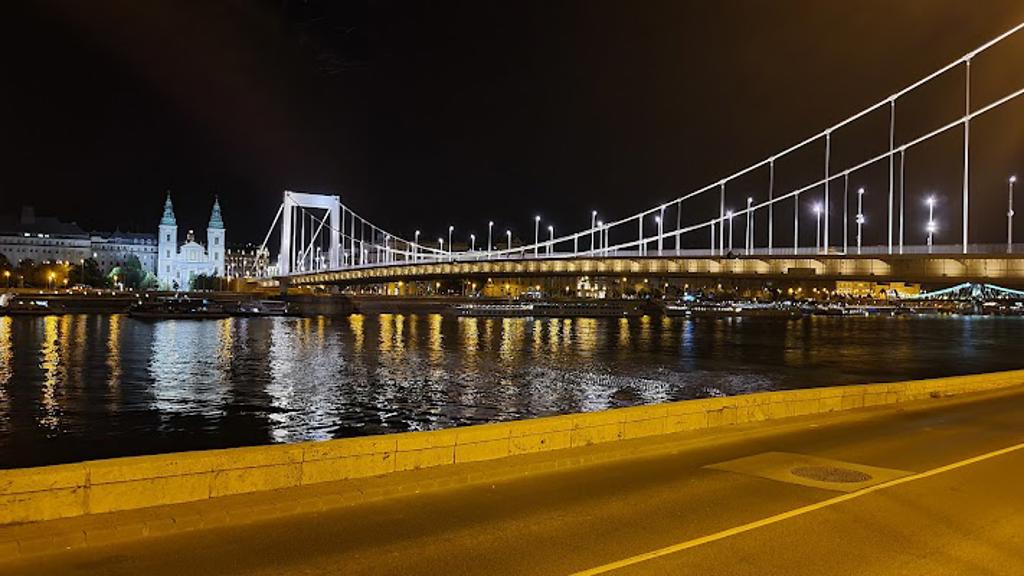
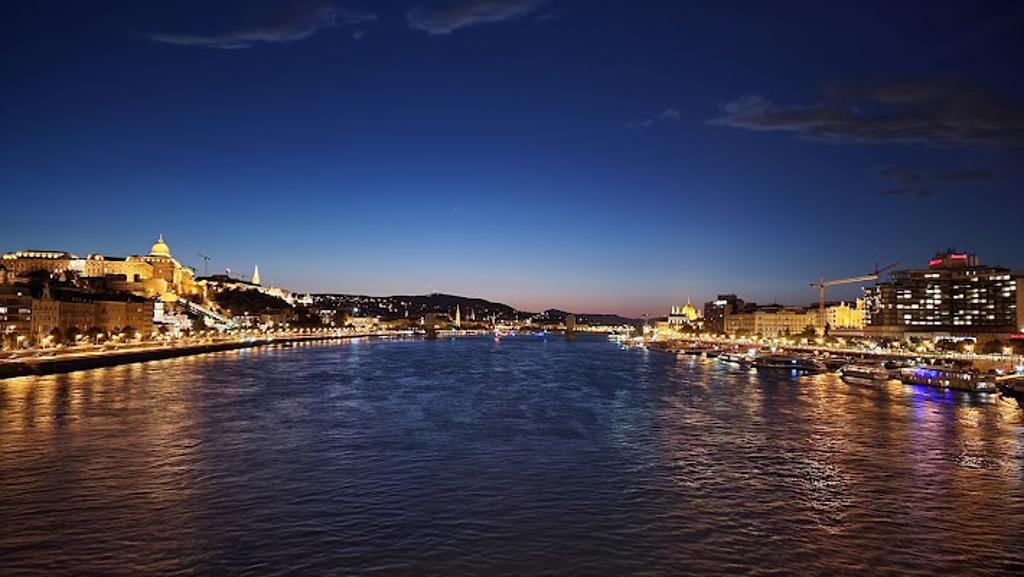
The bridge spans 290 meters, making it one of the shortest bridges over the Danube in Budapest. Its suspension design eliminates the need for pillars in the water, creating an unobstructed view of the river. The clean, white steel emphasizes simplicity and modernity, standing out against the historic backdrop of the city. At night, the bridge is illuminated, casting a shimmering reflection on the Danube’s surface.
Connection Between Districts
Elizabeth Bridge links Pest’s vibrant city center with the historic hills of Buda. On the Pest side, visitors can explore bustling streets filled with shops, cafes, and landmarks like Váci Street. On the Buda side, the bridge leads to the foot of Gellért Hill, home to the iconic Liberty Statue and panoramic views of the city. This connection makes the bridge a vital artery for both locals and tourists.
Present-Day Significance
Today, Elizabeth Bridge is more than a transportation route; it’s a symbol of Budapest’s ability to blend history with modernity. Thousands of pedestrians, cyclists, and vehicles cross it daily, making it a lifeline for the city. Its design and location offer stunning views of the Danube, Parliament, and Buda Castle, making it a favorite spot for photographers and sightseers alike.
Map loading...
Location
Erzsébet híd, 1052, Budapest
More Information
Nearby Places
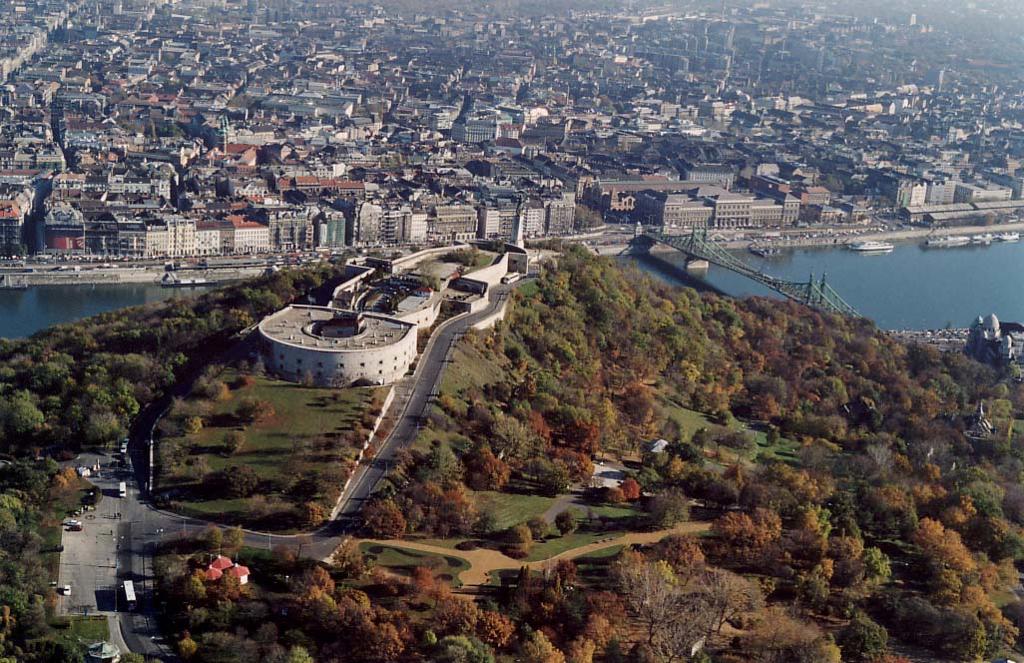
Citadella
470m away
1 Citadella sétány, 1118, Budapest
Nagy Rondella kaputornya
694m away
Sikló utca, 1013, Budapest
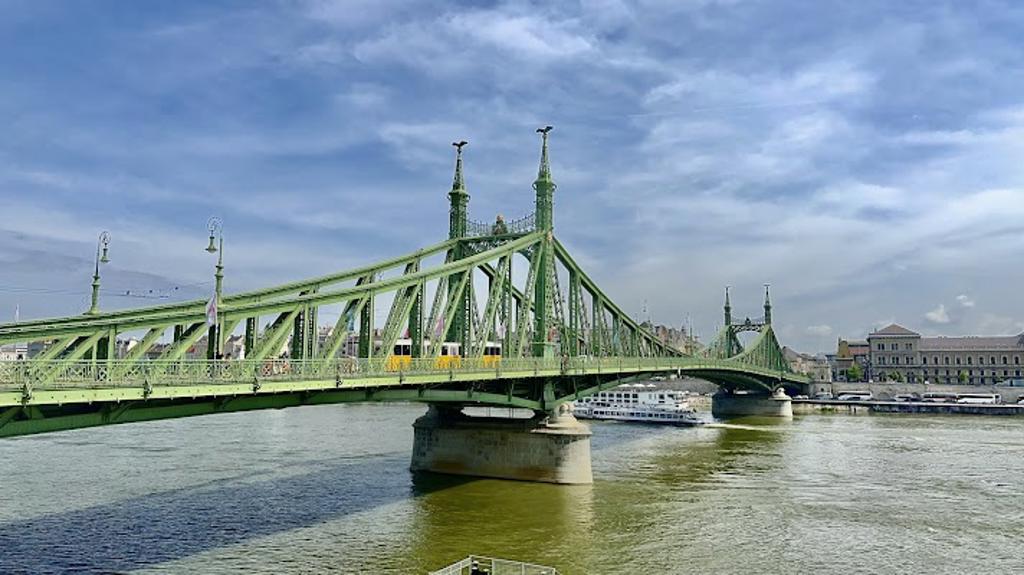
Liberty Bridge
699m away
Szabadság híd, 1093, Budapest
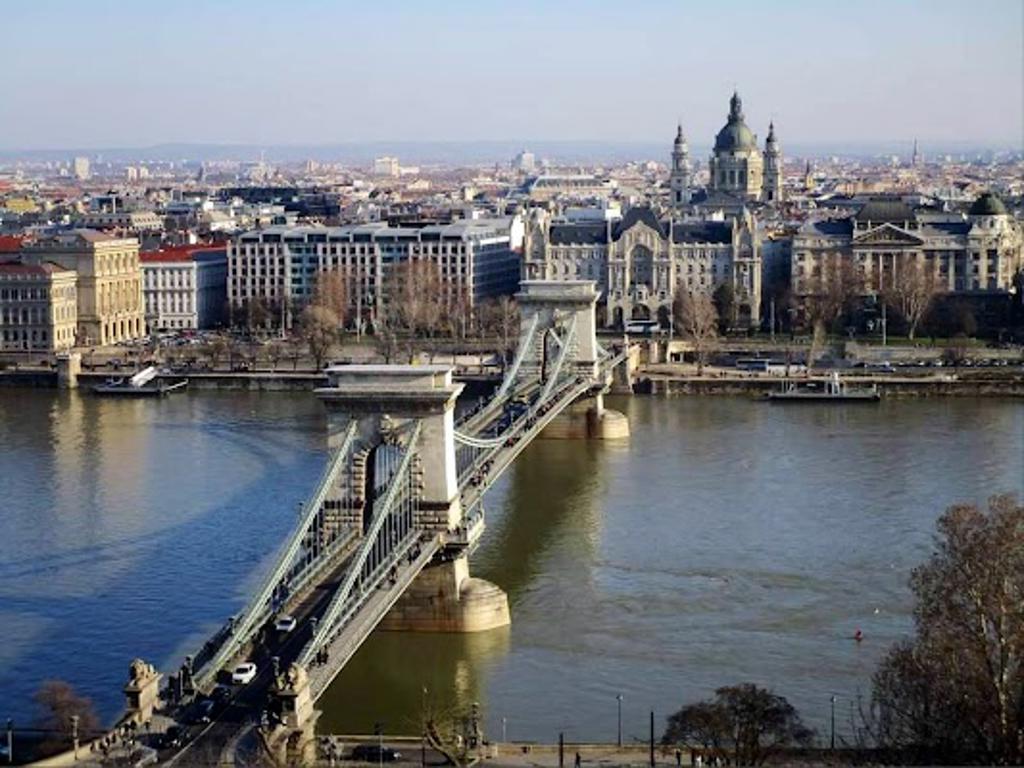
The Budapest bridges on the Danube
715m away
Salkaházi Sára rakpart, 1056, Budapest

Horthy István
801m away
5 Vámház körút, 1093, Budapest
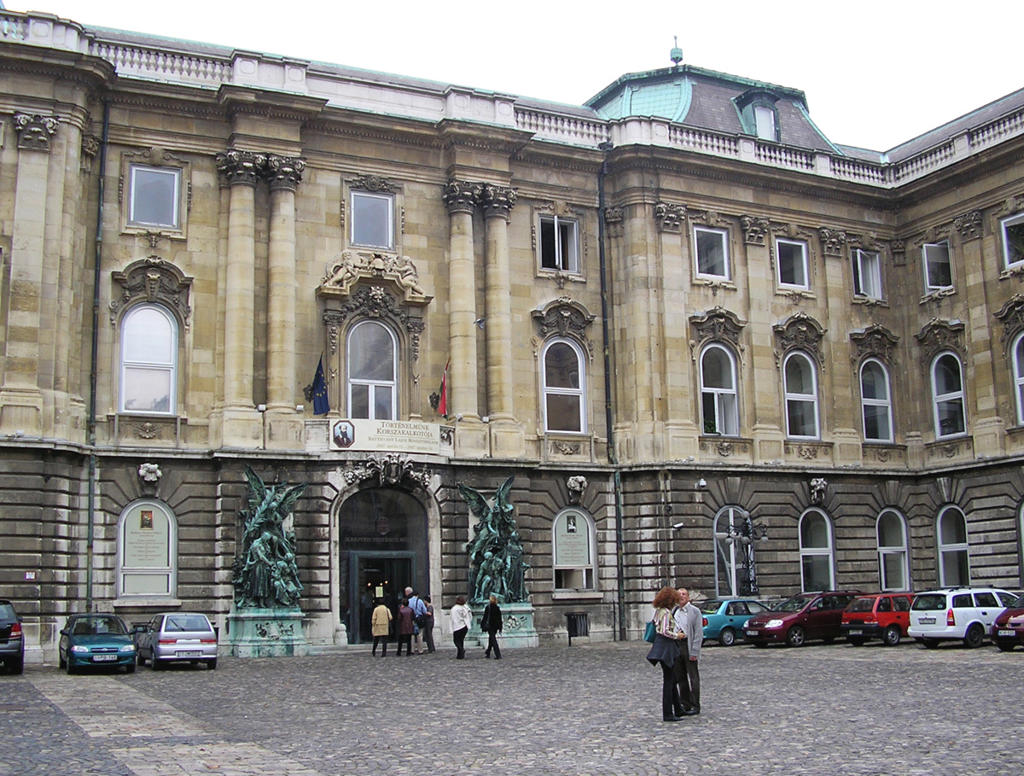
Budapest History Museum
833m away
2 Szent György tér, 1014, Budapest