About Ναός Κρόνου και Ρέας
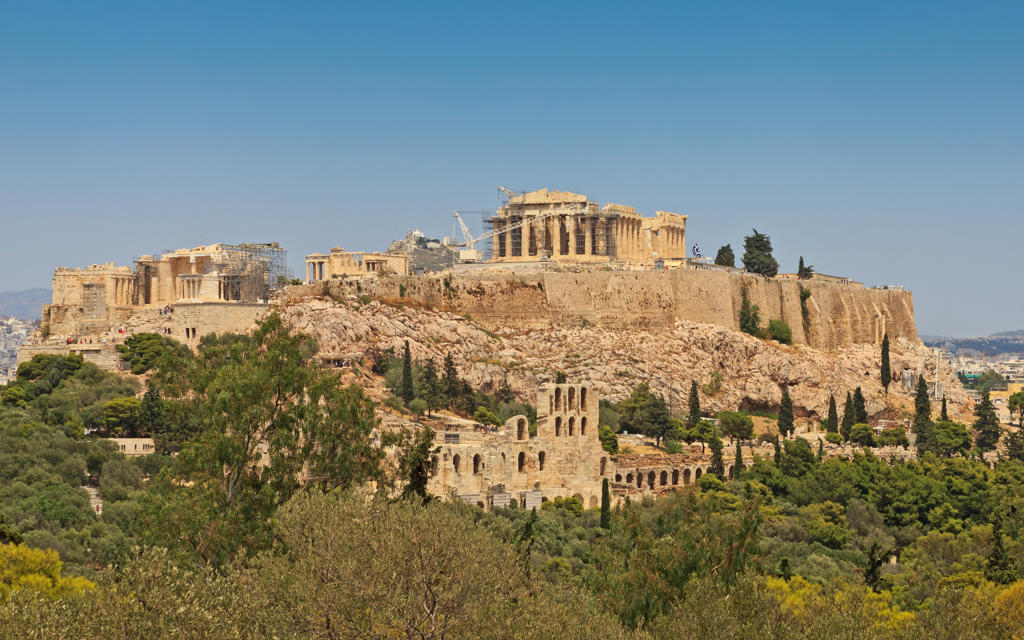
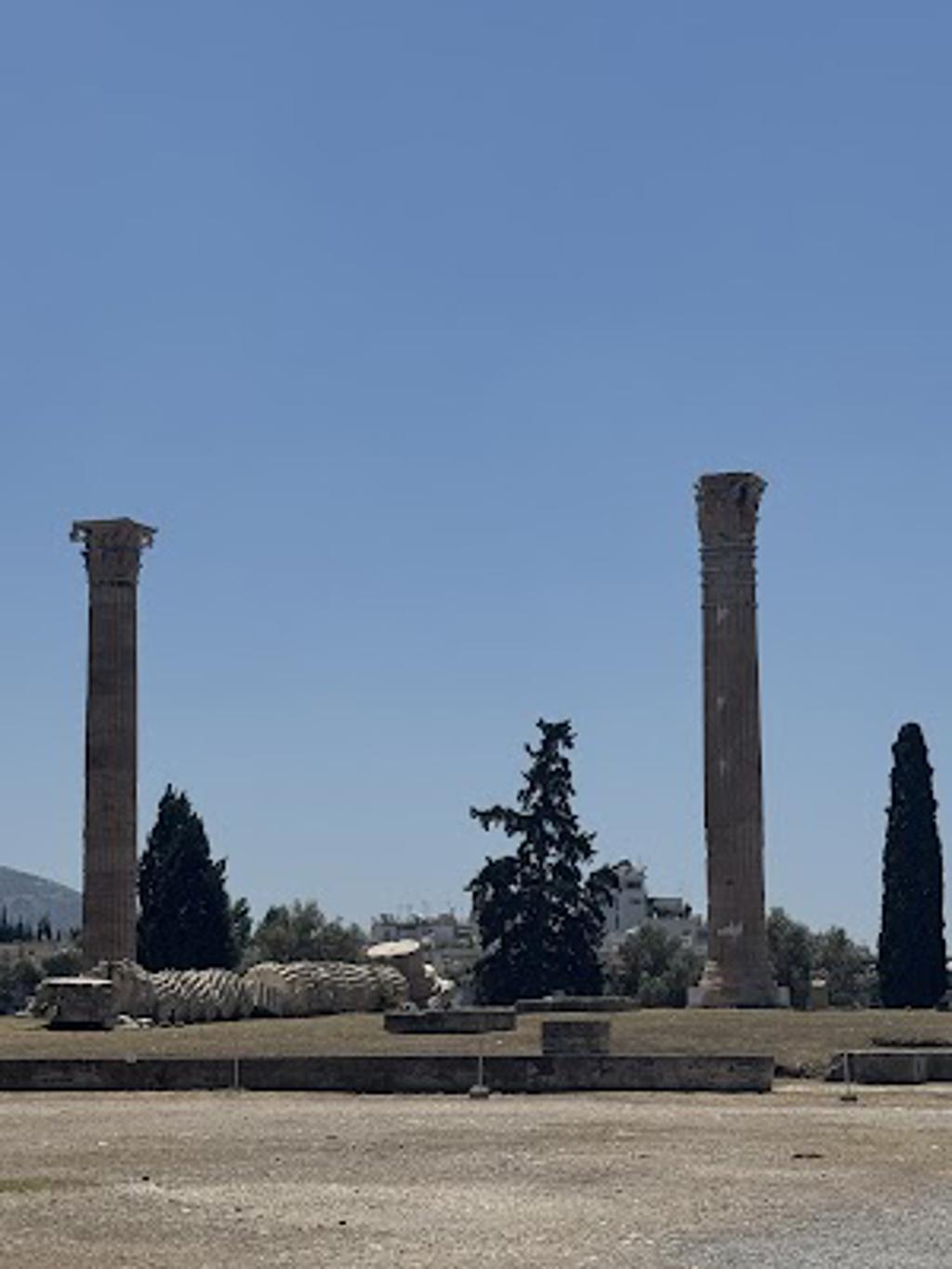
The Temple of Cronus and Rhea stands as a rare tribute to two of the most ancient deities in Greek mythology. Massive stone columns rise toward the sky, their weathered surfaces bearing the marks of centuries. The temple’s rectangular layout reflects the early Doric style, with simplicity and strength defining its architecture. Surrounding the structure, olive trees sway gently, a nod to the sacred landscape of ancient Greece.
This site is believed to date back to the 6th century BCE, a time when Athens was solidifying its role as a cultural and religious center. Cronus, the Titan associated with time and harvest, and Rhea, the mother of the Olympian gods, were worshipped here as primordial forces. The temple’s location in the area of Kynosargous connects it to Athens’ lesser-known sanctuaries, offering a glimpse into the city’s diverse spiritual practices.
Marks of Time
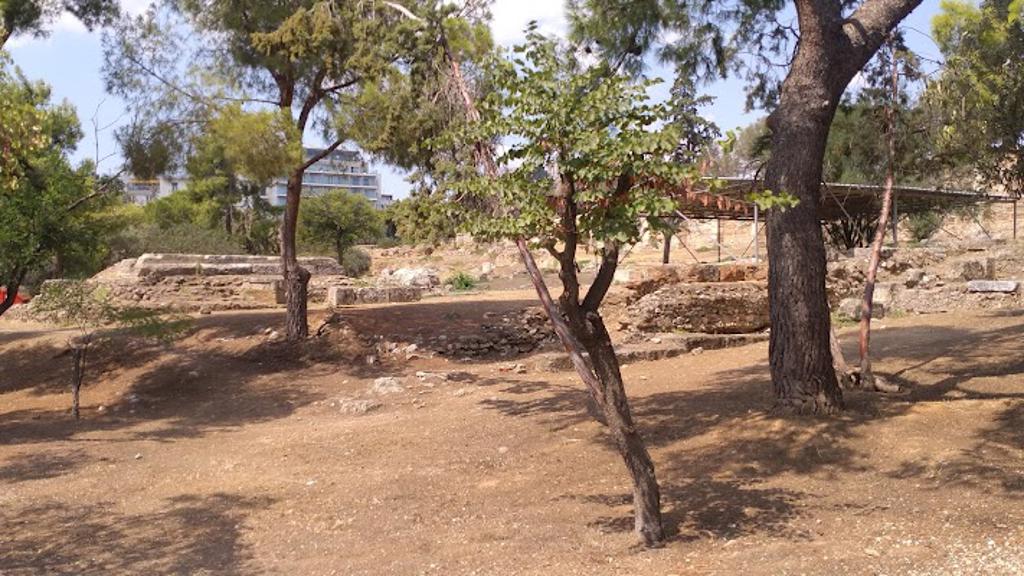
The temple’s columns, though partially ruined, still convey a sense of grandeur. Their fluted surfaces and sturdy bases speak of the craftsmanship of ancient builders. The stone blocks of the foundation remain tightly fitted, a testament to the engineering skills of the era. The wear and tear visible on the structure remind visitors of the countless generations who have passed through this sacred space.
Plan your perfect trip to Athens with Travo! Download now and start exploring.


Stories in Stone
Each carved detail on the temple tells a story. The remnants of decorative friezes hint at scenes from mythology, possibly depicting Cronus and Rhea’s roles in the cosmic order. The temple’s alignment with the rising sun symbolizes renewal and the cyclical nature of time, themes central to Cronus and Rhea’s mythology. The stones themselves, quarried from nearby hills, connect the temple to the land it stands on.
Living History
Today, the temple serves as a quiet reminder of Athens’ ancient past. Locals and visitors alike come here to reflect on the myths and rituals that shaped Greek culture. The olive trees surrounding the site add to its serene atmosphere, creating a space where history feels alive. The temple’s proximity to modern Athens highlights the city’s ability to blend its ancient heritage with contemporary life.
Divine Details
Notice the temple’s orientation, designed to face east toward the morning light. This placement reflects the importance of the sun in ancient rituals, symbolizing life and growth. The remaining capitals of the columns, though worn, still show traces of intricate patterns, suggesting the temple’s original beauty. The simplicity of the Doric style emphasizes the timelessness of Cronus and Rhea’s influence.
Spiritual Presence
Even in its ruined state, the temple exudes a sense of sacredness. The myths of Cronus and Rhea, tied to creation and the passage of time, resonate deeply in this space. Visitors often pause to consider the enduring relevance of these ancient stories, finding connections between the past and their own lives. The temple stands as a quiet yet powerful symbol of the eternal forces that shape existence.
Map loading...
Location
Αθανάσιου Διάκου, 105 58, Athens