About Preußen-museum
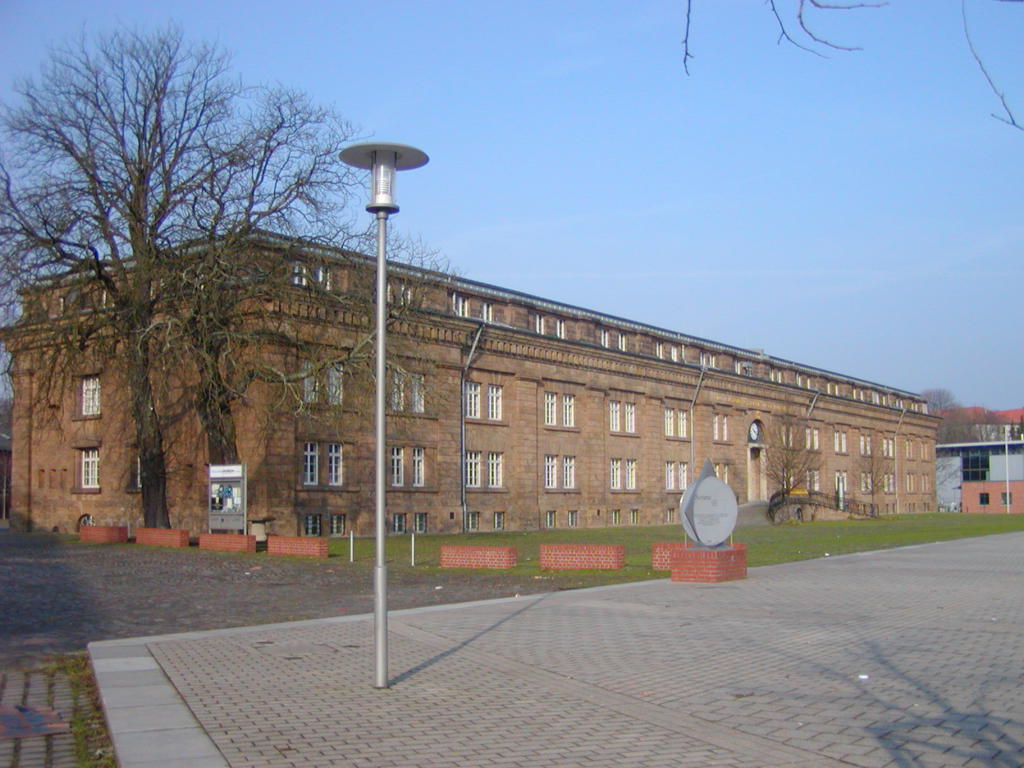
The Preußen-Museum in Minden showcases the history and legacy of Prussia, a state that shaped German and European history for centuries. The museum is housed in a former military building, its red-brick façade reflecting the architectural style of the 19th century. Inside, exhibits span from the rise of the Kingdom of Prussia in 1701 to its dissolution in 1947, offering a detailed look at its political, military, and cultural influence.
Artifacts such as military uniforms, weapons, and maps highlight Prussia’s role as a military power, while paintings, documents, and personal items reveal the lives of its rulers and citizens. The museum’s layout guides visitors through key moments in Prussian history, from the reign of Frederick the Great to the unification of Germany under Prussian leadership in 1871.
Prussian Military Heritage
The museum’s collection emphasizes Prussia’s military tradition, with displays of swords, rifles, and cannons used in historic battles. Detailed dioramas recreate scenes from the Seven Years’ War and the Napoleonic Wars, showing the strategies and uniforms of the Prussian army. Visitors can also see the famous Pickelhaube helmets, symbols of Prussian military identity, and learn about the innovations that made the Prussian army one of the most efficient in Europe.
Plan your perfect trip to Minden with Travo! Download now and start exploring.


Frederick the Great’s Legacy
A section of the museum is dedicated to Frederick II, known as Frederick the Great, who ruled Prussia from 1740 to 1786. His personal belongings, including his flute and writings, are on display, alongside portraits and busts that capture his image as a philosopher-king. Exhibits explore his military campaigns, his patronage of the arts, and his role in transforming Prussia into a major European power.
Everyday Life in Prussia
Beyond the battlefield and the throne, the museum delves into the daily lives of Prussian citizens. Household items, traditional clothing, and tools illustrate the customs and industries of the time. Interactive displays allow visitors to experience aspects of life in Prussia, from the bustling markets to the disciplined schools that reflected the state’s emphasis on order and education.
Art and Culture
The museum also highlights Prussia’s contributions to art and culture. Paintings, sculptures, and musical instruments showcase the creativity that flourished under Prussian rule. Special attention is given to the Romantic movement, which found inspiration in Prussia’s landscapes and history. Visitors can see works by artists such as Caspar David Friedrich, whose paintings capture the spirit of the era.
Prussia’s Role in German Unification
The museum traces Prussia’s pivotal role in the unification of Germany in 1871. Maps, documents, and photographs illustrate the political and military strategies that led to the creation of the German Empire under Prussian leadership. The exhibits also examine the challenges and controversies of this period, including the tensions between Prussian and other German identities.
Modern Reflections
In its final sections, the museum reflects on the legacy of Prussia in modern Germany. It explores how Prussian values such as discipline, efficiency, and education have influenced contemporary society. Visitors are encouraged to consider the complexities of Prussian history, from its achievements to its role in the militarization of Europe, and to reflect on how this history continues to shape perceptions of Germany today.
Map loading...
Location
12 Simeonsplatz, 32423, Minden