
About Stiftskirche
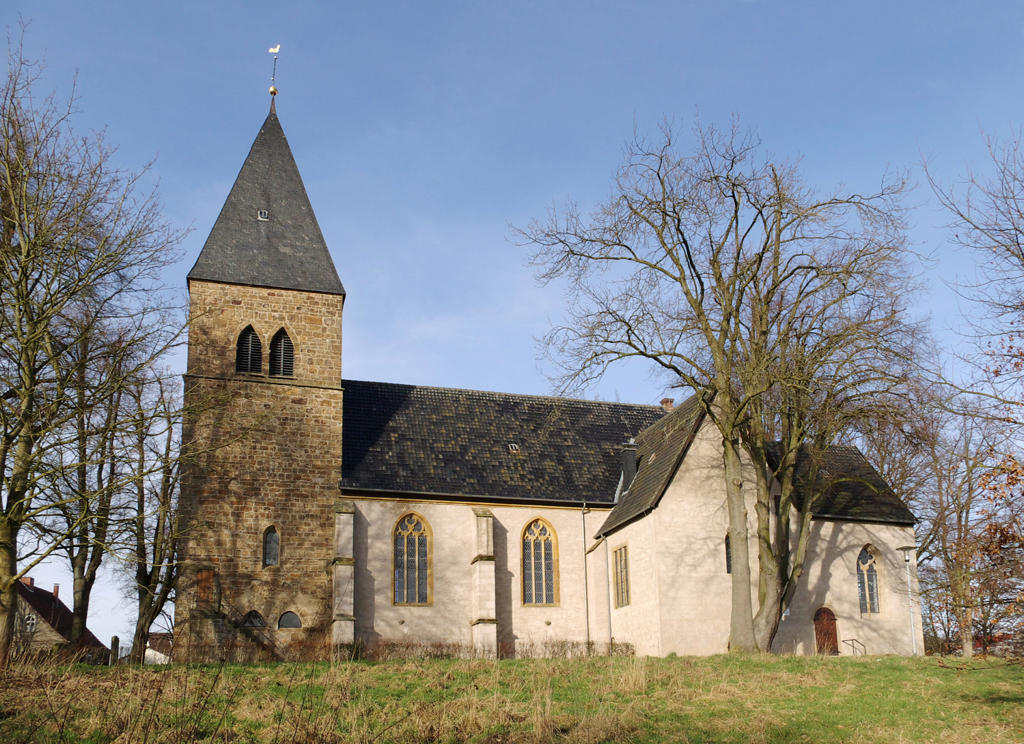
The Romanesque tower rises above the surrounding landscape, its sturdy stone construction a testament to medieval craftsmanship. The Stiftskirche, with its simple yet imposing architecture, reflects the spiritual and communal life of the 12th century. The rounded arches and thick walls are hallmarks of Romanesque design, emphasizing strength and permanence. The church’s weathered stones tell stories of centuries of worship, community gatherings, and historical change.
Inside, the nave stretches toward the altar, its modest decoration focusing attention on the sacred space. The light filtering through narrow windows creates a serene atmosphere, connecting visitors to the spiritual purpose of the building. The church’s layout, with its clear division between the nave and choir, reflects the medieval emphasis on hierarchy and order within sacred spaces.
Historical Foundations
The Stiftskirche was originally built as part of a monastery in the 12th century. It served as a center for religious life and education in the region. The church’s Romanesque style reflects the architectural trends of the time, with its focus on durability and simplicity. Over the centuries, the church has witnessed the Reformation, wars, and social changes, adapting to the needs of its community while preserving its historical essence.
Plan your perfect trip to Kirchlengern with Travo! Download now and start exploring.


Marks of Time
The weathered carvings on the church’s exterior tell stories of faith and resilience. The stone portal, adorned with simple yet meaningful designs, invites visitors to reflect on the spiritual journey of those who entered before them. The tower, a prominent feature, has stood as a beacon for travelers and a symbol of stability for the local community. Each stone bears the marks of time, connecting the present to the past.
Stories in Stone
The church’s interior features remnants of medieval art, including faded frescoes and carved capitals. These details offer glimpses into the lives and beliefs of the people who built and used the church. The altar, though modest, serves as the focal point of worship, reminding visitors of the church’s enduring spiritual significance. The simplicity of the design reflects the humility and devotion of the monastic community that once thrived here.
Living History
Today, the Stiftskirche continues to serve as a place of worship and community gathering. Its historical significance draws visitors interested in architecture, history, and spirituality. The church stands as a reminder of the region’s rich cultural heritage, offering a space for reflection and connection. Local events and services keep the church alive, blending its medieval roots with modern life.
Details That Speak
Notice the intricate carvings on the capitals of the columns inside the church. These small details, often overlooked, depict biblical scenes and symbolic motifs. The narrow windows, typical of Romanesque architecture, create a play of light and shadow that enhances the spiritual atmosphere. The worn steps leading to the entrance tell of countless feet that have passed through, each leaving a trace of their journey.
Present-Day Significance
The Stiftskirche is more than a historical monument; it is a living part of the community. Its enduring presence reminds locals and visitors alike of the importance of preserving cultural and spiritual heritage. Whether attending a service, exploring its architecture, or simply pausing to reflect, the church offers a connection to the past and a space for contemplation in the present.
Map loading...
Location
Am Herrenhaus, 32278, Kirchlengern
