
About Evangelisch-lutherische Hauptkirche St. Jacobi
The soaring Gothic spire of St. Jacobi Church dominates the skyline, its intricate details drawing the eye upward. The red-brick façade, typical of northern German architecture, is adorned with pointed arches and delicate tracery. Inside, the light filters through stained-glass windows, casting colorful patterns on the stone floor. The church’s organ, one of the largest Baroque organs in Europe, stands as a masterpiece of craftsmanship and sound, its gilded pipes gleaming in the dim light.
Built in the 14th century, St. Jacobi Church has witnessed centuries of Hamburg’s history. Originally serving as a place of worship for merchants and sailors, it became a symbol of the city’s prosperity and resilience. Despite damage during World War II, the church was carefully restored, preserving its historical and spiritual significance. Today, it remains a testament to Hamburg’s enduring faith and cultural heritage.
Marks of Time
The church’s walls bear the marks of time, with weathered stone and subtle scars from past conflicts. The Gothic architecture reflects the medieval period when Hamburg was a thriving member of the Hanseatic League. The spire, rebuilt after wartime destruction, now stands as a symbol of renewal. Inside, the wooden pews and vaulted ceilings evoke a sense of timelessness, connecting visitors to the generations who have worshipped here.
Plan your perfect trip to Hamburg with Travo! Download now and start exploring.


Stories in Stone
The intricate carvings on the church’s exterior tell stories of faith and devotion. Gargoyles peer down from the heights, their grotesque forms meant to ward off evil spirits. The portal features scenes from the life of St. James, the church’s patron saint, inviting visitors to reflect on his journey and sacrifice. Each detail speaks of the craftsmanship and dedication of the medieval artisans who built this sacred space.
Divine Details
The Arp Schnitger organ, built in 1693, is the crown jewel of St. Jacobi. Its 60 registers and over 4,000 pipes produce a sound that fills the vast space with rich, resonant tones. The organ’s intricate woodwork and gilded decorations are a feast for the eyes, while its music uplifts the soul. Nearby, the altar features a stunning triptych, its vivid colors and detailed figures depicting scenes from the Bible.
Living Faith
St. Jacobi remains an active place of worship, hosting regular services and community events. The church’s bells ring out across the city, calling the faithful to gather. Visitors often pause to light candles, their flickering flames a symbol of hope and prayer. The church also serves as a venue for concerts, where the organ’s majestic sound continues to inspire awe and reverence.
Present-Day Significance
In modern Hamburg, St. Jacobi is more than a historical monument; it is a living part of the city’s cultural and spiritual life. Tourists and locals alike are drawn to its beauty and history, finding moments of peace and reflection within its walls. The church stands as a reminder of Hamburg’s resilience, its spire reaching toward the heavens as a symbol of hope and continuity in an ever-changing world.
Map loading...
Location
22 Jakobikirchhof, 20095, Hamburg
More Information
Nearby Places
Bischofsturm
192m away
Speersort, 20095, Hamburg
Hamburger Börse
603m away
1 Adolphsplatz, 20457, Hamburg
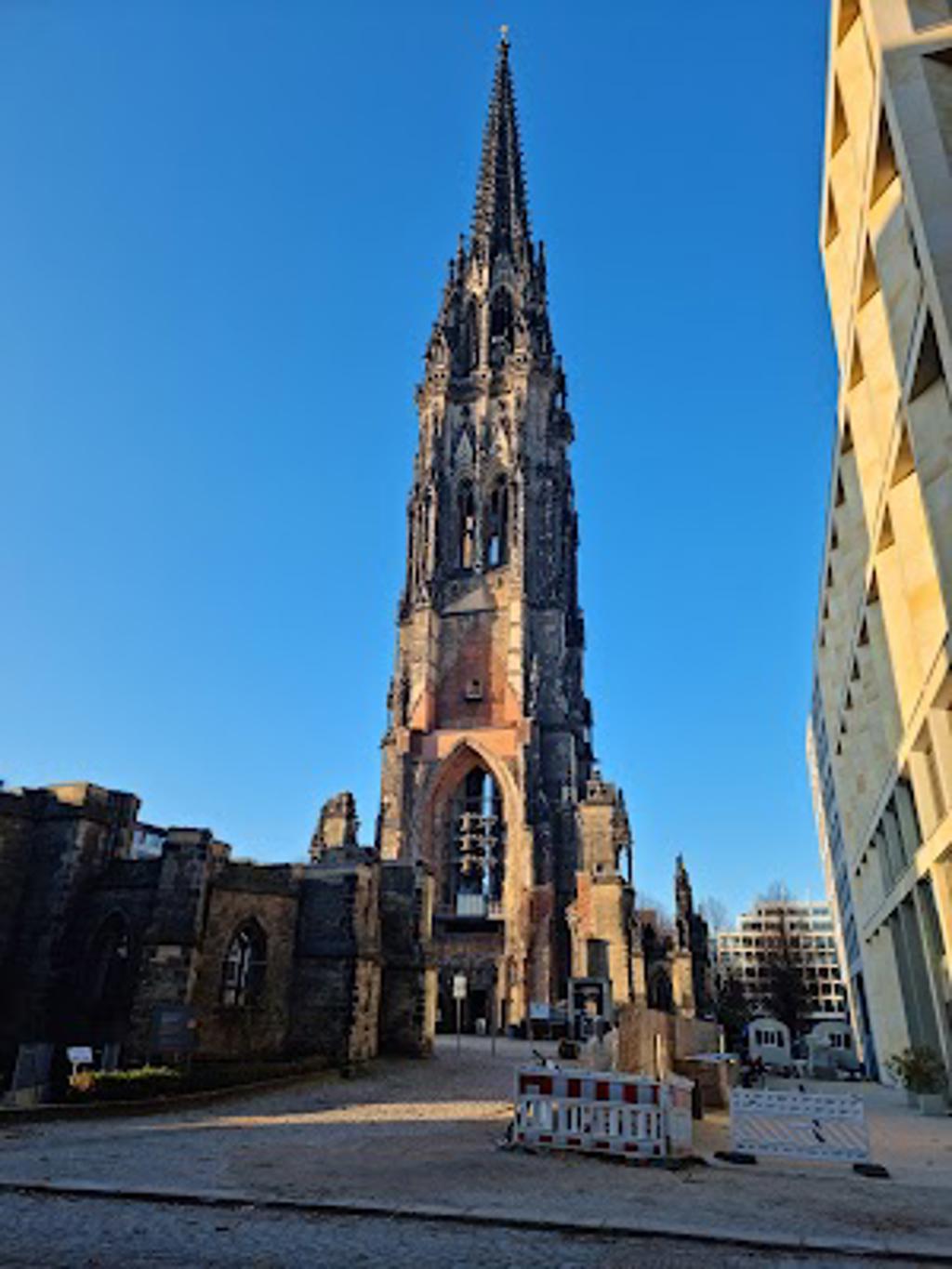
St. Nikolai Kirche - Aussichtsplattform
738m away
60 Willy-Brandt-Straße, 20457, Hamburg
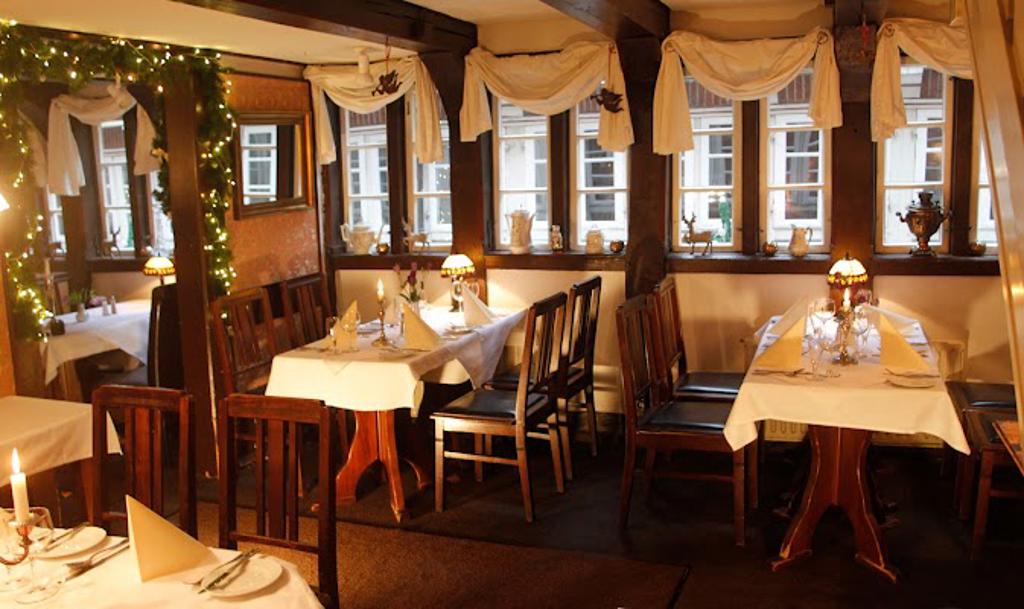
Krameramtsstuben
1.4km away
Wincklerstraße, 20459, Hamburg
Japanischer Landschaftsgarten
1.4km away
Marseiller Promenade, 20354, Hamburg
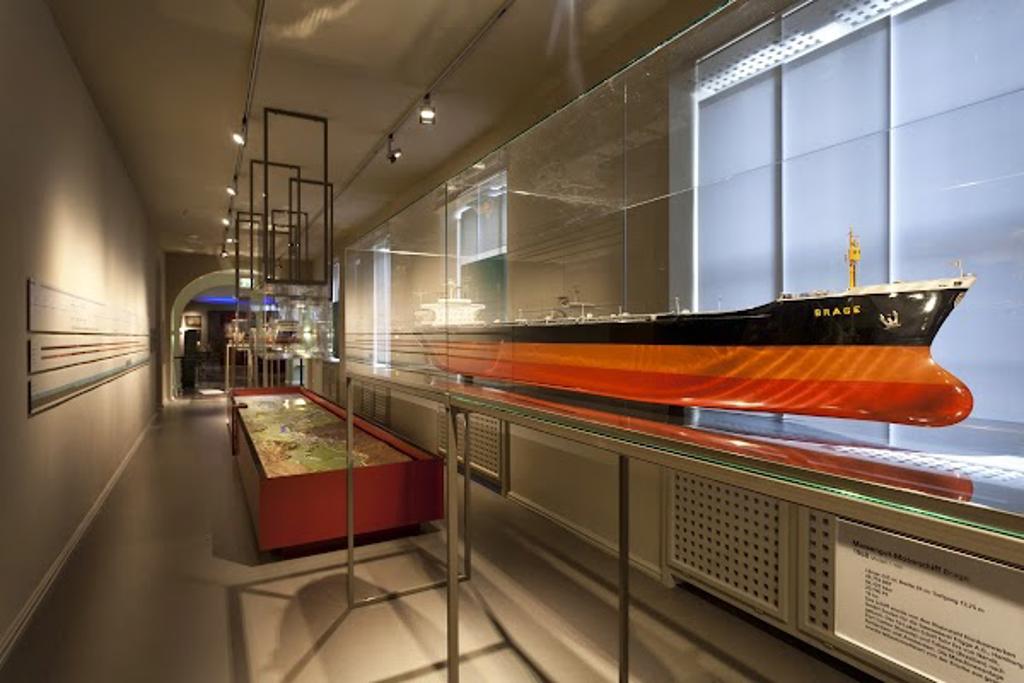
Museum für Hamburgische Geschichte
1.9km away
2 Millerntordamm, 20359, Hamburg