
About Unser Leben
The mural "Unser Leben" stretches across the façade of a building, its vibrant colors and bold imagery capturing the essence of life in East Germany. Created in 1983 by artist Walter Womacka, the artwork is a mosaic of scenes depicting workers, families, students, and cultural activities. Each figure is rendered with a sense of purpose and pride, reflecting the ideals of socialism and the collective spirit of the German Democratic Republic (GDR).
The mural’s title, "Unser Leben" ("Our Life"), emphasizes the shared experiences and aspirations of the people it represents. The figures are surrounded by symbols of progress, such as books, tools, and scientific instruments, as well as elements of leisure and culture, like musical notes and sports equipment. The composition is dynamic, with overlapping scenes that create a sense of movement and interconnectedness.
Historical Context
Commissioned during the height of the GDR, the mural was part of a broader effort to integrate art into public spaces and promote socialist values. It adorned the Haus des Lehrers (House of the Teacher), a building dedicated to education and professional development. The mural’s themes of work, education, and community were central to the GDR’s vision of a socialist society. Today, it stands as a vivid reminder of that era, offering insights into the aspirations and propaganda of East Germany.
Plan your perfect trip to Berlin with Travo! Download now and start exploring.


Artistic Details
Womacka’s use of bright, saturated colors and stylized figures gives the mural a sense of optimism and energy. The mosaic technique, with its thousands of small, hand-placed tiles, adds texture and depth to the artwork. Each scene is carefully composed, with figures arranged in harmonious groups that convey unity and cooperation. The mural’s scale and detail invite viewers to step closer and explore its many layers of meaning.
Symbols of Progress
Notice the recurring motifs of books, gears, and scientific tools, which symbolize knowledge, industry, and innovation. These elements reflect the GDR’s emphasis on education and technological advancement as pathways to a better future. The inclusion of cultural symbols, such as musical instruments and sports equipment, highlights the importance of leisure and creativity in a balanced life.
Living Legacy
Although the GDR no longer exists, "Unser Leben" remains a significant piece of Berlin’s cultural heritage. It serves as a window into the past, offering a glimpse of the ideals and everyday life of East Germany. For many, it is a nostalgic reminder of a bygone era; for others, it is a starting point for discussions about history, art, and politics. The mural continues to attract visitors and locals alike, who pause to admire its artistry and reflect on its message.
Present-Day Significance
In a reunified Berlin, "Unser Leben" stands as a testament to the city’s layered history. It is a rare surviving example of GDR-era public art, preserved amidst the rapid changes of the post-reunification period. The mural’s themes of community and progress resonate with contemporary audiences, reminding us of the enduring importance of shared values and collective effort in shaping our lives and societies.

Map loading...
Location
Alexanderstraße, 10178, Berlin
More Information
Nearby Places
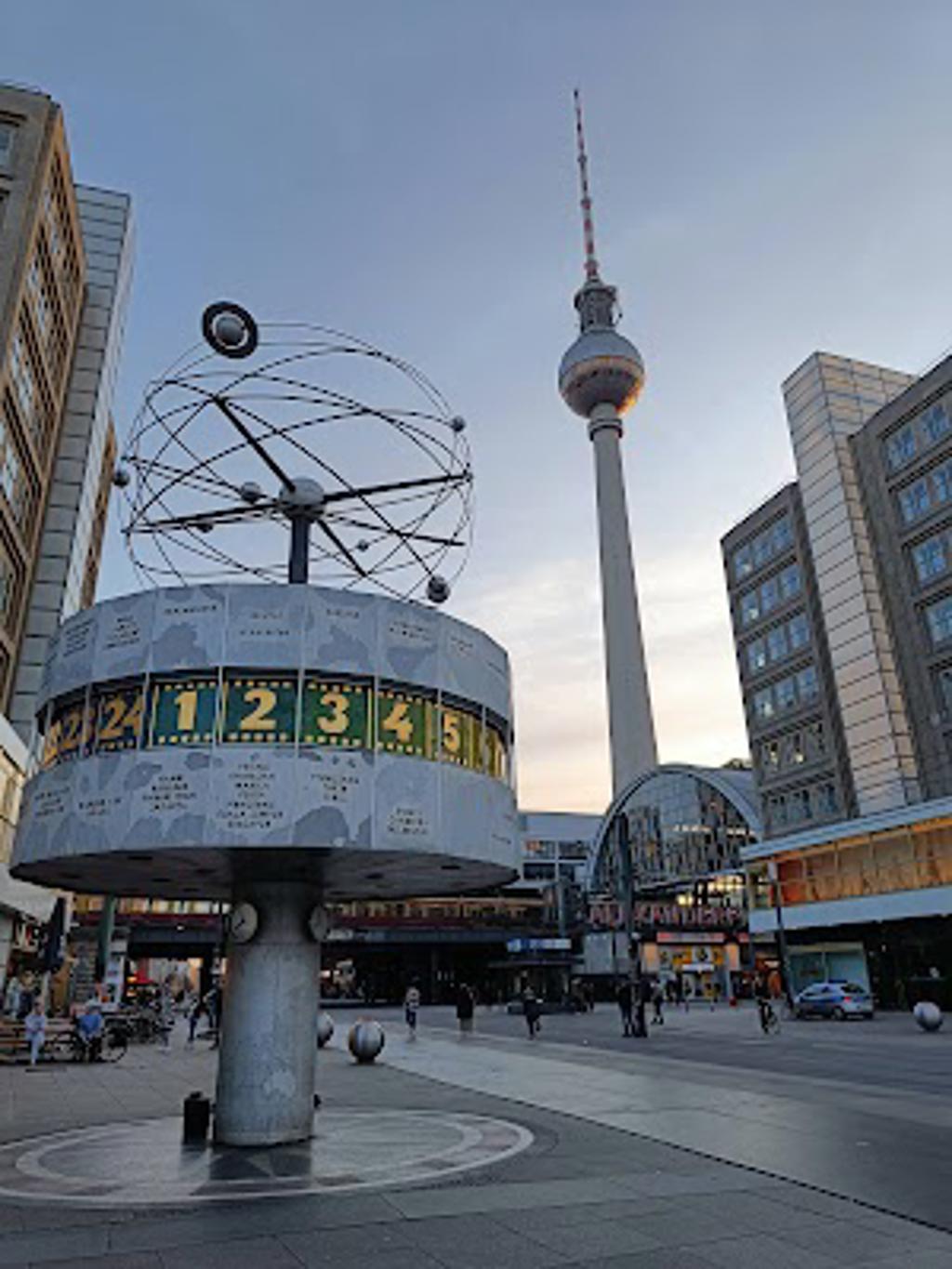
Alexanderplatz
211m away
10178, Berlin
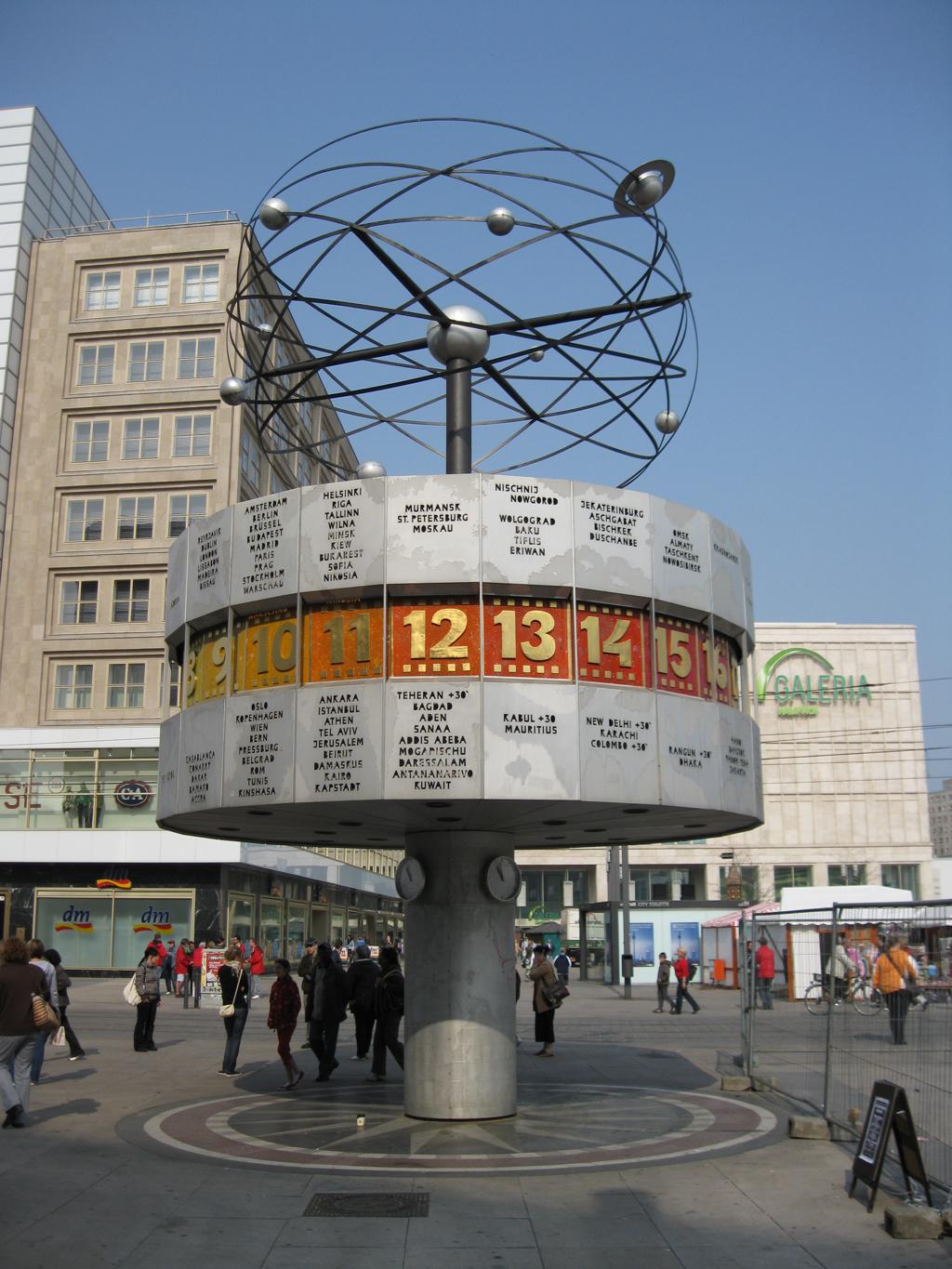
Urania-Weltzeituhr
217m away
Dircksenstraße, 10178, Berlin
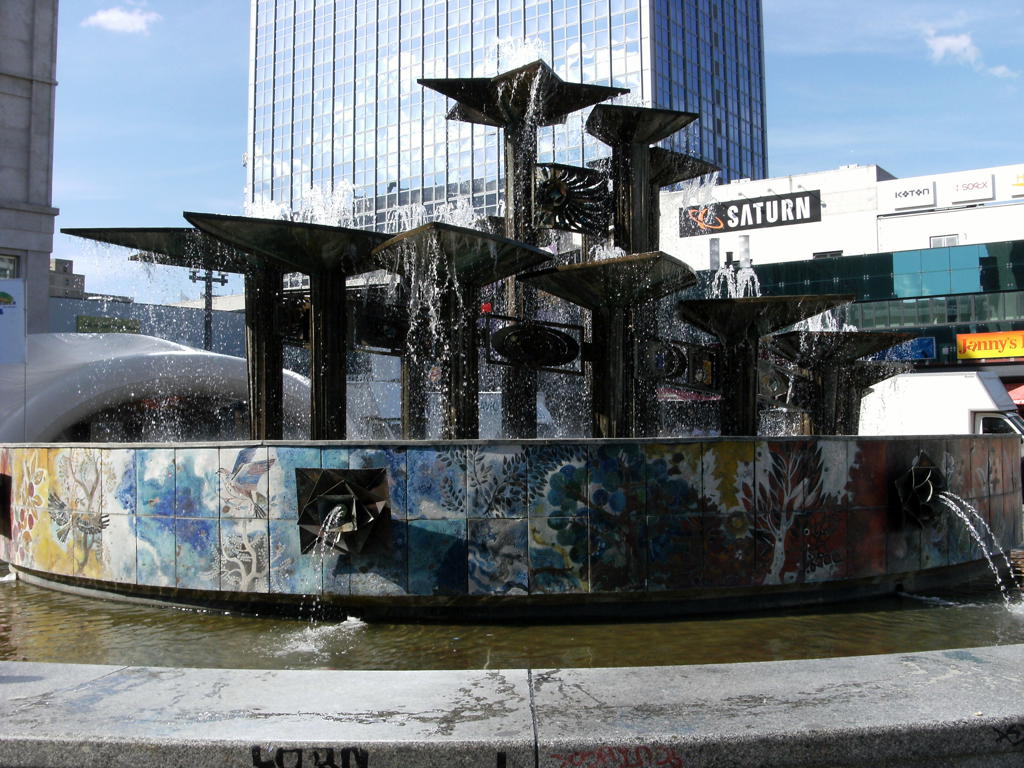
Brunnen der Völkerfreundschaft
267m away
Alexanderplatz, 10178, Berlin
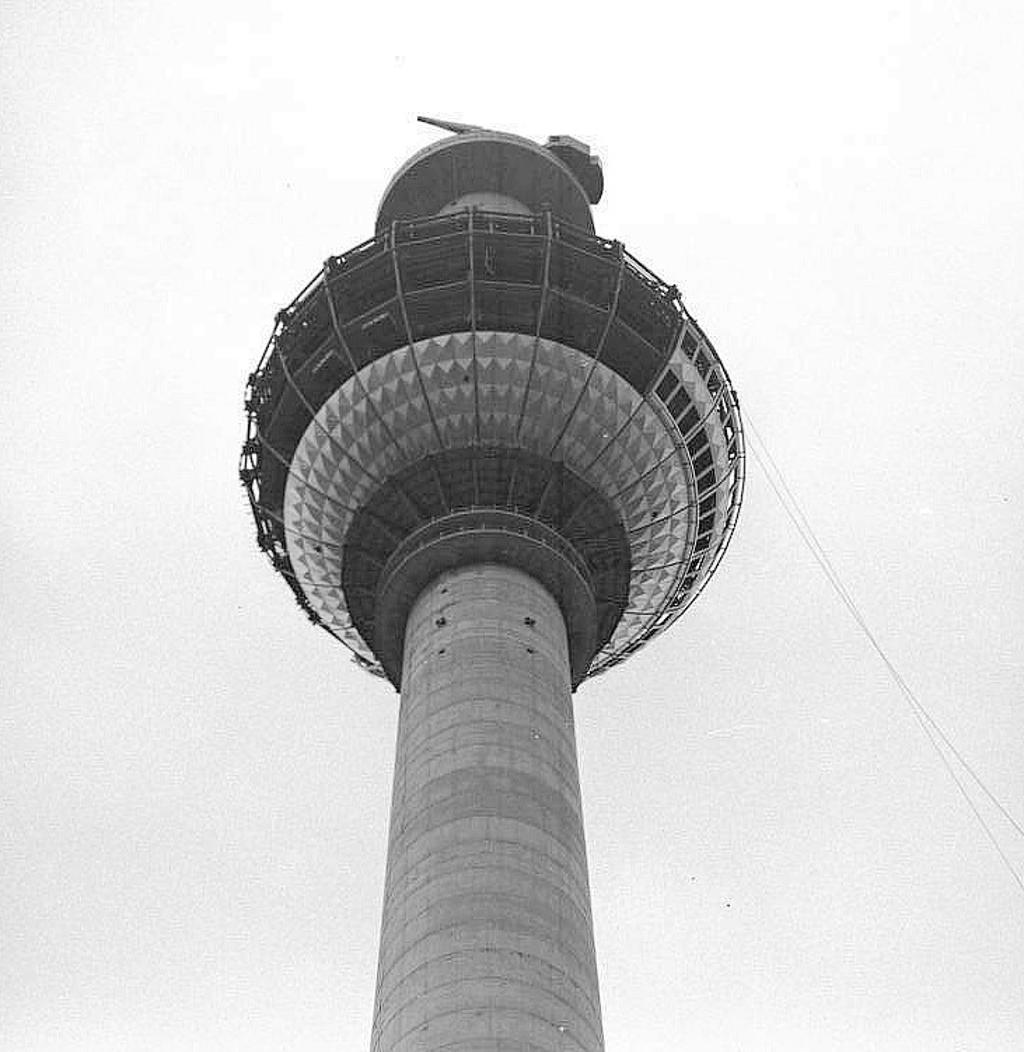
Berliner Fernsehturm
482m away
1a Panoramastraße, 10178, Berlin
TD Berlin
508m away
44 Klosterstraße, 10179, Berlin

Bauarbeiter
519m away
Karl-Liebknecht-Straße, 10178, Berlin