
About Al-Lu'lu'a Mosque
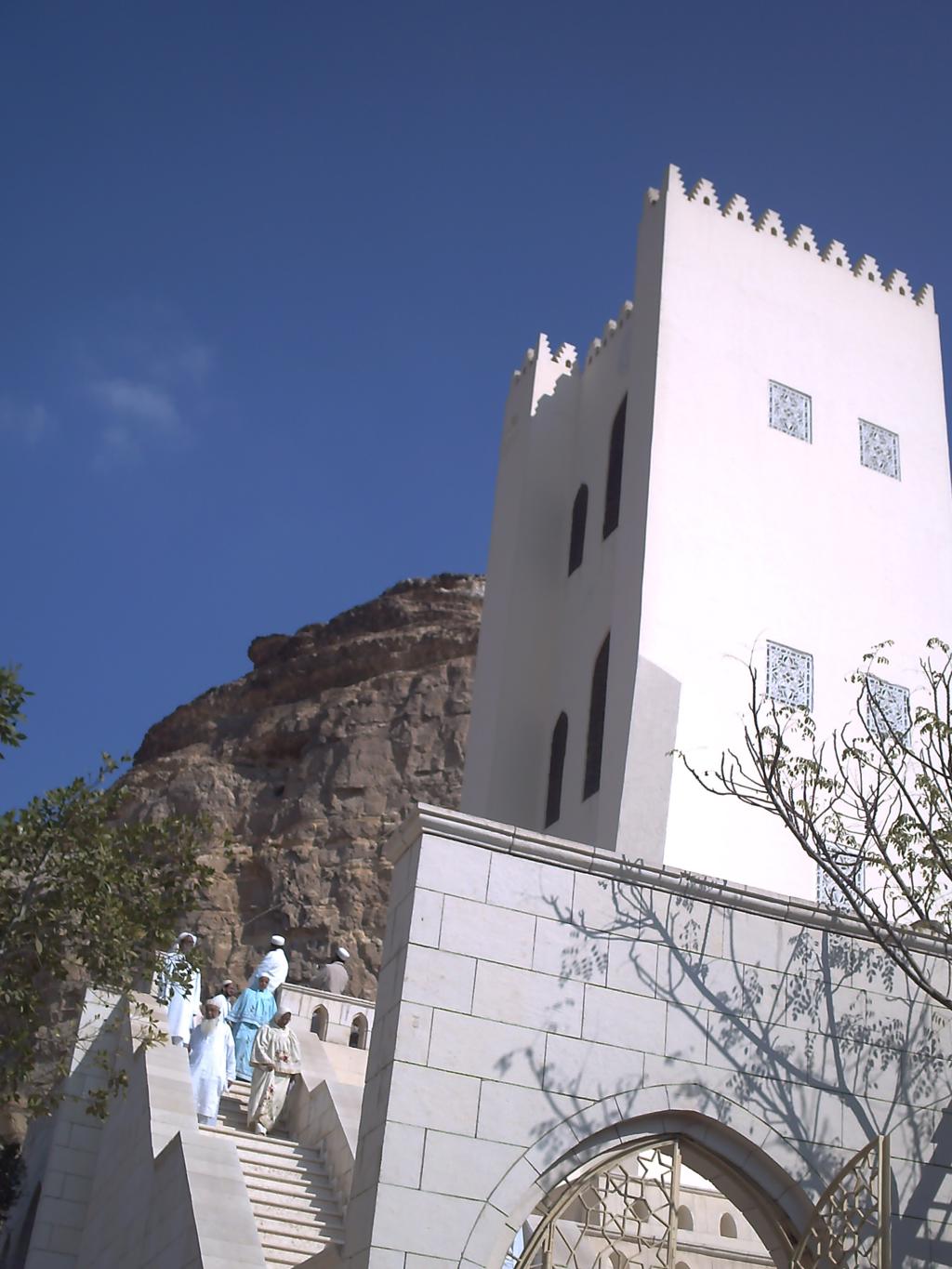
The Al-Lu'lu'a Mosque rises with its unique domed structure, a striking example of Fatimid architecture. Its name, meaning "The Pearl," reflects the elegance of its design. The mosque’s dome, carved with intricate geometric patterns, stands as a masterpiece of Islamic art. The minaret, though modest in height, features delicate carvings that catch the sunlight, creating a play of light and shadow that enhances its beauty.
Built in the 11th century during the Fatimid Caliphate, this mosque is one of the oldest in Cairo. It was commissioned by Caliph Al-Hakim bi-Amr Allah, known for his ambitious architectural projects. The mosque’s design reflects the Fatimid emphasis on symmetry and detail, blending spiritual significance with artistic expression. Its location in the historic El-Khaleefa district places it among other significant Islamic landmarks, making it a key part of Cairo’s rich heritage.
Architectural Elegance
The mosque’s dome is its most defining feature. Unlike the pointed domes of later Islamic architecture, this one is rounded and adorned with intricate arabesque patterns. The walls are made of finely cut limestone, and the mihrab, or prayer niche, is decorated with floral motifs and Quranic inscriptions. The simplicity of the mosque’s layout contrasts with the complexity of its decorative elements, creating a harmonious balance that reflects the Fatimid aesthetic.
Plan your perfect trip to Cairo with Travo! Download now and start exploring.


Historical Significance
Al-Lu'lu'a Mosque was built during a time when Cairo was the center of the Fatimid Caliphate, a period marked by cultural and intellectual flourishing. The mosque served not only as a place of worship but also as a symbol of the caliphate’s power and devotion. Its construction demonstrated the Fatimids’ commitment to spreading their Ismaili Shia beliefs, and its enduring presence is a testament to their architectural ingenuity.
Details That Speak
Look closely at the dome’s carvings, and you’ll notice the precision of the geometric patterns, each line and curve meticulously crafted. The minaret, though weathered by time, still displays remnants of its original carvings, offering a glimpse into the artistic skills of the Fatimid artisans. The mosque’s interior, though modest, features a serene atmosphere, with light filtering through small windows to create a tranquil space for prayer and reflection.
Living History
Today, Al-Lu'lu'a Mosque stands as a quiet reminder of Cairo’s Islamic heritage. While it no longer functions as a primary place of worship, it attracts visitors and scholars interested in Fatimid architecture and history. Its location in the El-Khaleefa district, surrounded by other historic sites, makes it a key stop for those exploring the rich tapestry of Cairo’s past. The mosque’s enduring presence connects the modern city to its historical roots, offering a space for contemplation and appreciation of its architectural beauty.
Map loading...
Location
Al Gabanat Street, 11575, Cairo