About Frihavnskirken
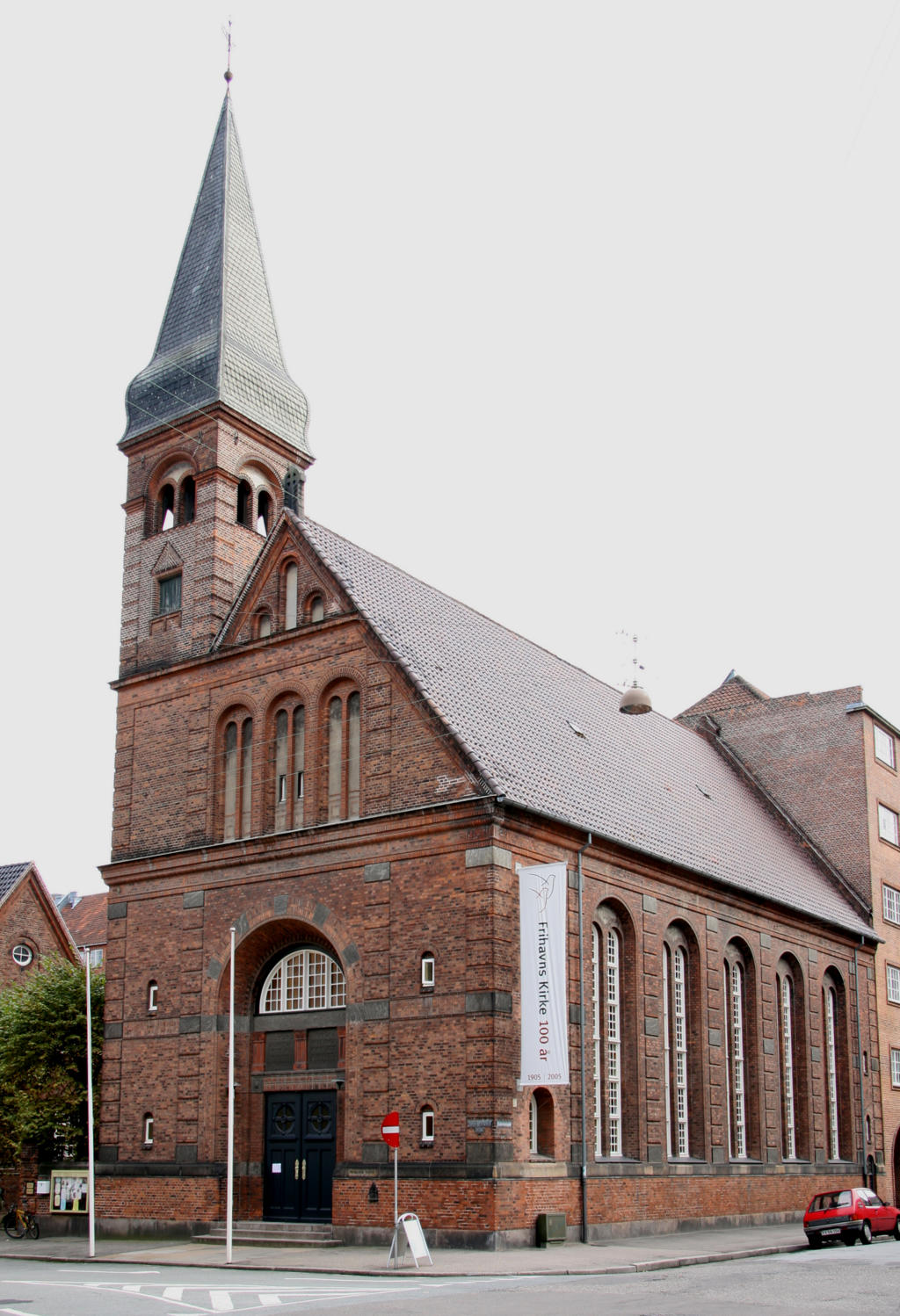
The red brick walls of Frihavnskirken rise with a quiet elegance, their clean lines and simple design reflecting the Nordic architectural style of the early 20th century. The tall, slender bell tower stands as a beacon, its pointed spire reaching toward the sky. The church’s façade is adorned with minimal decoration, emphasizing function over ornamentation, yet the symmetry and craftsmanship draw the eye to its understated beauty.
Built in 1910, Frihavnskirken was designed by architect Thorvald Jørgensen, who also created Christiansborg Palace. The church was constructed to serve the growing population of Østerbro, particularly the workers and families connected to the nearby Freeport of Copenhagen. Its design reflects the Lutheran tradition, focusing on simplicity and accessibility, making it a spiritual home for the local community for over a century.
Sacred Space and Atmosphere
Inside, the church feels serene and welcoming. The high vaulted ceilings create a sense of openness, while the soft light streaming through the tall, narrow windows bathes the interior in a warm glow. The wooden pews, arranged in neat rows, guide the eye toward the altar, which is modest yet dignified. The organ, perched on the gallery above, adds a sense of grandeur to the otherwise simple space, its pipes gleaming softly in the light.
The church’s interior reflects the Lutheran emphasis on worship and community. The lack of excessive decoration ensures that the focus remains on the spiritual experience. The altar, adorned with a simple cross, serves as the central point of the space, symbolizing faith and unity. The atmosphere invites quiet reflection and a sense of connection, both to the divine and to the community.
Plan your perfect trip to Copenhagen with Travo! Download now and start exploring.


Architectural Details
The church’s red brick construction is a hallmark of Danish architecture from the period, blending functionality with aesthetic appeal. The pointed arches of the windows and doorways echo Gothic influences, while the clean lines and lack of excessive ornamentation reflect the Nordic preference for simplicity. The bell tower, with its sharp spire, serves as both a visual and auditory landmark, calling the faithful to worship and marking the passage of time in the neighborhood.
Thorvald Jørgensen’s design incorporates elements that are both practical and symbolic. The use of durable materials like brick ensures the church’s longevity, while the symmetry and proportions of the structure convey a sense of order and harmony. These architectural choices reflect the values of the community it was built to serve—steadfastness, simplicity, and a focus on what truly matters.
Community and Living Faith
Frihavnskirken remains an active center of worship and community life. Regular services, concerts, and events bring people together, fostering a sense of belonging and shared purpose. The church also engages in outreach programs, supporting those in need and reflecting the Lutheran commitment to social responsibility. Its role as a gathering place for the Østerbro community ensures that it continues to be a vital part of the neighborhood’s cultural and spiritual fabric.
Beyond its religious functions, the church serves as a space for cultural and artistic expression. The organ concerts, in particular, draw visitors from across Copenhagen, showcasing the instrument’s rich tones and the church’s excellent acoustics. These events highlight the church’s dual role as a place of worship and a cultural landmark.
Timeless Elements
The church’s enduring appeal lies in its ability to balance tradition and relevance. While its architecture and design reflect the values of the early 20th century, its ongoing role in the community ensures that it remains a living, breathing part of Østerbro. The timeless simplicity of its design allows it to adapt to the changing needs of its congregation, while its historical significance connects it to the broader story of Copenhagen’s development.
Frihavnskirken stands as a testament to the enduring power of faith, community, and thoughtful design. Its red brick walls and soaring spire are not just architectural features—they are symbols of a shared history and a collective future, inviting all who enter to find solace, inspiration, and connection.
Map loading...
Location
Fiskedamsgade, 1328, Copenhagen