About Jan Palach a Jan Zajíc
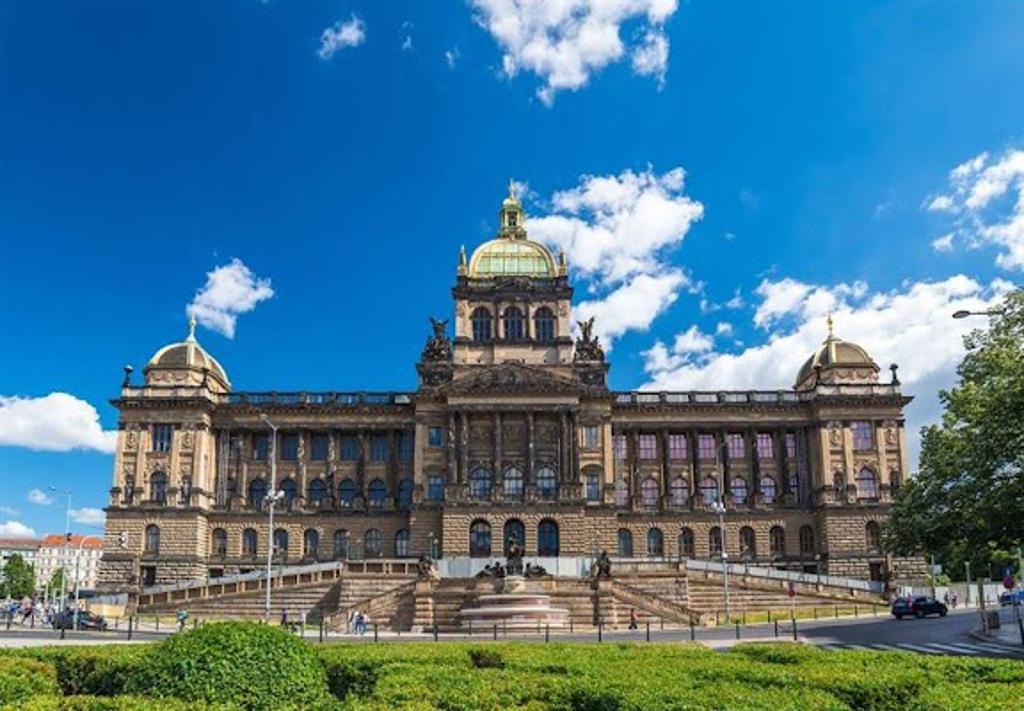
The memorial to Jan Palach and Jan Zajíc consists of two simple bronze crosses embedded into the pavement. These crosses, understated yet powerful, lie near the National Museum in Prague. They mark the sacrifice of two young men who set themselves on fire in protest against the Soviet invasion of Czechoslovakia in 1968. The crosses are surrounded by cobblestones, blending into the urban landscape, yet their meaning resonates deeply with those who pause to reflect.
History of Protest and Sacrifice
Jan Palach, a university student, self-immolated on January 16, 1969, in Wenceslas Square to protest the apathy that followed the Soviet-led invasion. A month later, Jan Zajíc, another student, followed his example, sacrificing himself for the same cause. Their actions were not just acts of despair but deliberate attempts to awaken the nation’s conscience. The memorial’s simplicity reflects the raw and unembellished nature of their protest, reminding visitors of the cost of freedom.
Plan your perfect trip to Prague with Travo! Download now and start exploring.


Symbolism in the Design
The two crosses are not raised or monumental; instead, they are embedded into the ground, symbolizing the grounding of their sacrifice in the everyday lives of the people. The bronze material, weathered over time, reflects endurance and permanence. The placement near the National Museum, a site of historical significance, ties their story to the broader narrative of Czech resistance and resilience.
Legacy of Jan Palach and Jan Zajíc
Their actions became a symbol of resistance not only in Czechoslovakia but also internationally. The memorial serves as a quiet yet powerful reminder of the courage it takes to stand against oppression. Today, it is a place where people leave flowers, candles, and notes, continuing the dialogue about freedom, sacrifice, and the cost of political complacency.
Details That Speak
Notice the way the crosses are slightly worn, as if touched by countless hands over the years. The surrounding cobblestones, part of Prague’s historic streets, create a connection between the past and the present. The lack of a grand pedestal or elaborate design ensures that the focus remains on the meaning of their sacrifice rather than on the monument itself.
Why It Matters Today
In a world where the fight for freedom and justice continues, the memorial to Jan Palach and Jan Zajíc remains profoundly relevant. It invites visitors to reflect on the power of individual action and the enduring impact of courage. The quiet presence of the crosses in the bustling cityscape of Prague ensures that their story is not forgotten, serving as a timeless call to remember the value of liberty and the sacrifices made to preserve it.
Map loading...
Location
Muzejní oáza, 121 32, Prague