
About Morro do Inhangá
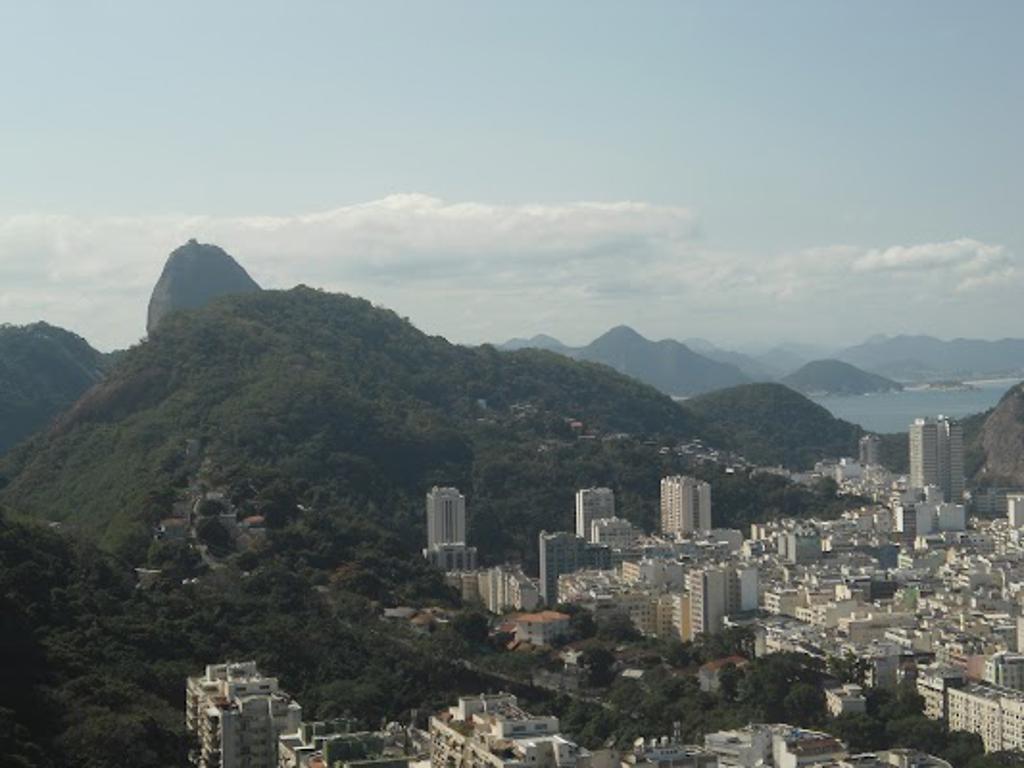
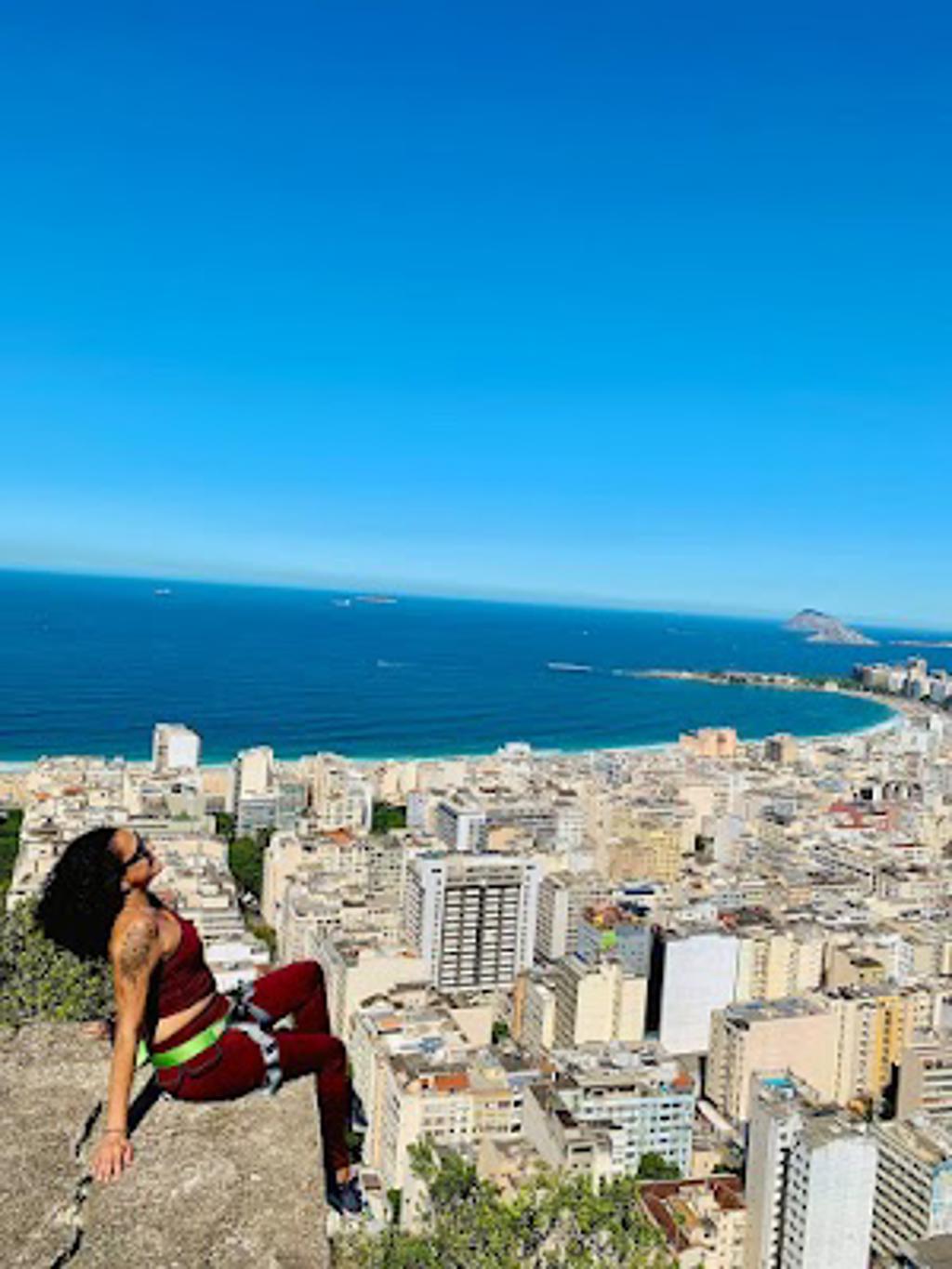
The rocky prominence of Morro do Inhangá rises dramatically amidst the urban sprawl of Rio de Janeiro, its rugged surface a stark contrast to the surrounding modernity. Covered in patches of dense greenery, the hill offers a glimpse of the city’s natural landscape before urbanization. Its steep slopes and jagged outcrops are remnants of ancient geological formations, shaped over millennia by wind and rain. The hill’s position near Copacabana places it at the heart of one of Rio’s most iconic neighborhoods, blending nature with the pulse of city life.
Historically, Morro do Inhangá was part of a larger chain of hills that defined the geography of early Rio de Janeiro. Its name, derived from the Tupi language, reflects the indigenous heritage of the region. "Inhangá" refers to a spirit or supernatural being in Tupi mythology, hinting at the spiritual significance the hill may have held for the native peoples. Over time, as the city expanded, much of the surrounding landscape was leveled or transformed, but Morro do Inhangá remains as a testament to Rio’s natural and cultural history.
Geological Significance
The granite and gneiss that form Morro do Inhangá are part of the ancient bedrock underlying much of Rio de Janeiro. These rocks date back hundreds of millions of years, their formation tied to the tectonic movements that shaped South America. The hill’s rugged surface, with its exposed rock faces and scattered vegetation, tells a story of resilience against the forces of erosion. Its geological features are a reminder of the natural processes that predate human settlement in the region.
Plan your perfect trip to Rio de Janeiro with Travo! Download now and start exploring.


Indigenous Heritage
Before the arrival of Portuguese colonizers, the area around Morro do Inhangá was inhabited by the Tupi people. The hill’s name reflects their language and worldview, where natural landmarks often held spiritual or symbolic meaning. Inhangá, as a term, evokes the idea of a protective spirit or guardian, suggesting that the hill may have been seen as a sacred site. Today, this connection to indigenous culture adds a layer of historical depth to the hill’s presence in the city.
Urban Transformation
As Rio de Janeiro grew into a bustling metropolis, many of its natural features were altered to accommodate development. Morro do Inhangá, however, has managed to retain much of its original character. Its survival amidst the urban landscape is a reminder of the city’s roots and the balance between nature and progress. The hill now serves as a green refuge, offering a contrast to the high-rise buildings and busy streets that surround it.
Modern-Day Significance
In contemporary Rio, Morro do Inhangá is a quiet landmark, often overlooked but deeply intertwined with the city’s identity. Its proximity to Copacabana makes it a point of interest for those exploring the area, while its natural beauty provides a moment of tranquility in the midst of urban life. For locals, it stands as a symbol of resilience, both of the natural world and of the cultural heritage that continues to shape Rio de Janeiro.
Details That Speak
The vegetation clinging to the slopes of Morro do Inhangá includes native species that have adapted to the rocky terrain. Birds and small animals find refuge here, creating a micro-ecosystem within the city. The hill’s jagged profile, visible from various points in Copacabana, serves as a natural marker, connecting the bustling streets below to the enduring presence of Rio’s ancient landscape. Each crack in the rock and patch of greenery tells a story of survival and continuity, bridging the past with the present.
Map loading...
Location
22020-002, Rio de Janeiro