About Tirana Mosaic
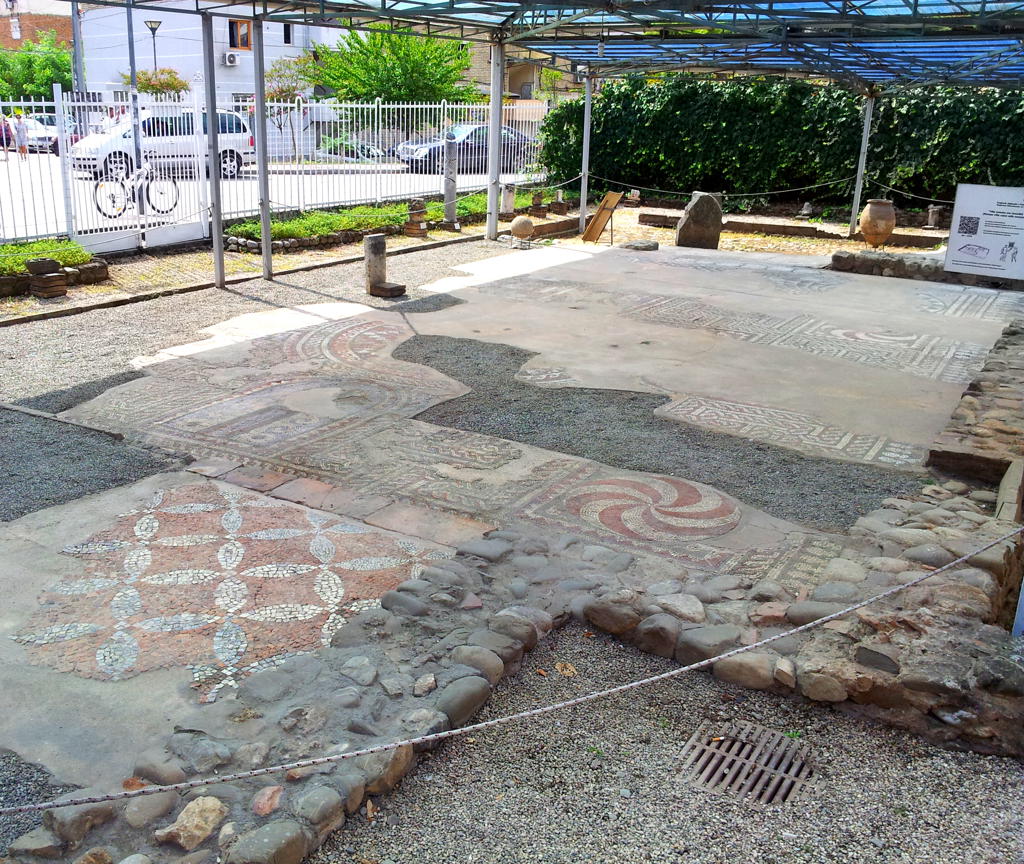
Fragments of ancient tiles form intricate patterns, revealing glimpses of life from centuries ago. The Tirana Mosaic, a preserved archaeological site, showcases colorful geometric designs and floral motifs. These remnants of a Roman villa’s floor date back to the 3rd century AD, offering a vivid connection to Albania’s distant past. The mosaic’s artistry reflects the craftsmanship and aesthetic sensibilities of the Roman era.
History Beneath the Surface
Discovered in 1972 during construction work, the mosaic unveiled a hidden chapter of Tirana’s history. Archaeologists identified it as part of a Roman villa, possibly belonging to a wealthy family. The site later became a Christian basilica in the 4th century, marking a transition in religious practices. The mosaic’s survival through centuries of change highlights the enduring legacy of Roman influence in Albania.
Plan your perfect trip to Tirana with Travo! Download now and start exploring.


Stories in Stone
The mosaic’s patterns tell silent stories of the people who once walked across it. The geometric shapes symbolize order and harmony, while the floral designs evoke nature’s beauty. These artistic choices reflect the Roman appreciation for balance and elegance. The craftsmanship suggests skilled artisans worked meticulously to create a floor that was both functional and decorative.
Details That Speak
Notice the vibrant colors—reds, whites, and blacks—still visible despite the passage of time. The tesserae, small tiles used to create the mosaic, fit together seamlessly, forming intricate designs. The floral motifs hint at the villa’s connection to nature, while the geometric patterns suggest a sense of sophistication and wealth. Each detail invites visitors to imagine the lives of those who once inhabited this space.
Living History
Today, the Tirana Mosaic stands as a testament to Albania’s rich cultural heritage. Protected under a modern structure, it allows visitors to step back in time while remaining in the heart of a bustling city. Schools and cultural groups often visit the site, using it as a tool to teach about Roman history and the early Christian period. The mosaic bridges the ancient and the modern, reminding Tirana’s residents of their city’s deep historical roots.
Present-Day Significance
As one of Tirana’s few archaeological sites, the mosaic holds special importance for the city. It serves as a cultural landmark, connecting Albanians to their Roman and early Christian heritage. Visitors from around the world come to admire its artistry and learn about the layers of history beneath Tirana’s streets. The mosaic is not just a relic; it’s a symbol of resilience and continuity, preserving the stories of a bygone era for future generations.
Map loading...
Location
Rruga Sandër Prosi, 1023, Tirana