
Three days in Vienna is enough to see the imperial center, two major palaces, a serious art collection, and a slice of the city’s café and music culture—without turning the trip into a race. The key is to group sights by neighborhood. This Vienna itinerary uses one compact area each day, builds in meal breaks, and treats timed-entry attractions as anchors rather than trying to collect every landmark.
The route suits a first visit and assumes three full sightseeing days. If your arrival or departure cuts into that time, keep Day 1 intact and choose either Day 2 or Day 3 based on whether art or palace grounds matter more to you. For a route adjusted to your dates, interests, pace, and hotel, Travo can turn the framework into a personalized trip plan.
Vienna 3-Day Itinerary at a Glance
- Day 1: St. Stephen’s Cathedral, the historic center, Hofburg, and a traditional café.
- Day 2: Upper Belvedere, Karlskirche, Naschmarkt, and one museum or concert.
- Day 3: Schönbrunn Palace and gardens, followed by either the Prater or a relaxed final evening.
This structure is more realistic than crossing the city repeatedly. It also leaves space for weather changes and the small discoveries that make Vienna rewarding: a courtyard, a pastry counter, or a tram ride past the Ringstrasse. If you are building a wider European route, start with our guide to planning a Europe trip before locking in trains and hotel nights.
Before You Go: Book the Anchors, Not Every Hour
Reserve the attractions that can dictate your day: Schönbrunn Palace, the Upper Belvedere if you want a preferred time, and any opera or concert that matters to you. Check each venue’s official website shortly before visiting because exhibitions, performance schedules, and opening days change. Most museums generally open around 10 a.m., but many close one weekday and some offer a late evening.
Vienna’s U-Bahn, trams, and buses make this itinerary straightforward. The official WienMobil app is useful for live routes and service information; Google Maps and Citymapper are practical alternatives for navigation. U-Bahn service generally runs from early morning until around midnight, with all-night service on Friday, Saturday, and the eve of public holidays. Validate the current fare and ticket rules with Wiener Linien rather than relying on an old screenshot or blog price.
Choose a city pass only after listing the paid sights you will actually enter. The Vienna City Card emphasizes public transport plus discounts, while the Vienna Pass bundles admission to many attractions. Neither is automatically cheaper for a selective three-day visit. A simple transit ticket plus two prebooked museums can cost less than an all-inclusive product.
Day 1: Historic Vienna and the Hofburg
Morning: Stephansplatz and the Old City
Begin at Stephansplatz before the busiest tour groups arrive. See St. Stephen’s Cathedral from the square, then go inside if services and visitor access allow. Choose either a tower visit or the cathedral interior rather than forcing both into a tight morning. From here, walk along Graben and Kohlmarkt, pausing at the Plague Column and looking into the side streets instead of following only the main shopping route.
Continue toward Michaelerplatz and enter the Hofburg complex. The former Habsburg residence is not one single attraction: museums, ceremonial rooms, the Spanish Riding School, courtyards, and the Austrian National Library all occupy the area. Pick one paid interior based on your interests. Imperial history fans can prioritize the Imperial Apartments; architecture and book lovers may prefer the State Hall of the National Library. Trying to tour everything will consume the day.
Afternoon: Ringstrasse and Coffeehouse Time
After lunch, walk through the Burggarten and along part of the Ringstrasse. The opera house, parliament, city hall, Burgtheater, and twin museum buildings reveal how the nineteenth-century boulevard reshaped Vienna. You can cover a section on foot and use a regular tram for the rest; there is no need to stay on a sightseeing vehicle for a complete loop.
Schedule a proper café break. Vienna’s coffeehouse culture is not just about ordering a famous cake at the most photographed address. Pick a café that fits your route, expect table service, and allow time rather than squeezing it between tickets. Finish with dinner in the center or around the quieter lanes near the university. If compact urban trips often feel overplanned, the pacing rules in our city-break planning guide will help.
Day 2: Belvedere, Markets, and Vienna’s Arts
Morning: Upper Belvedere
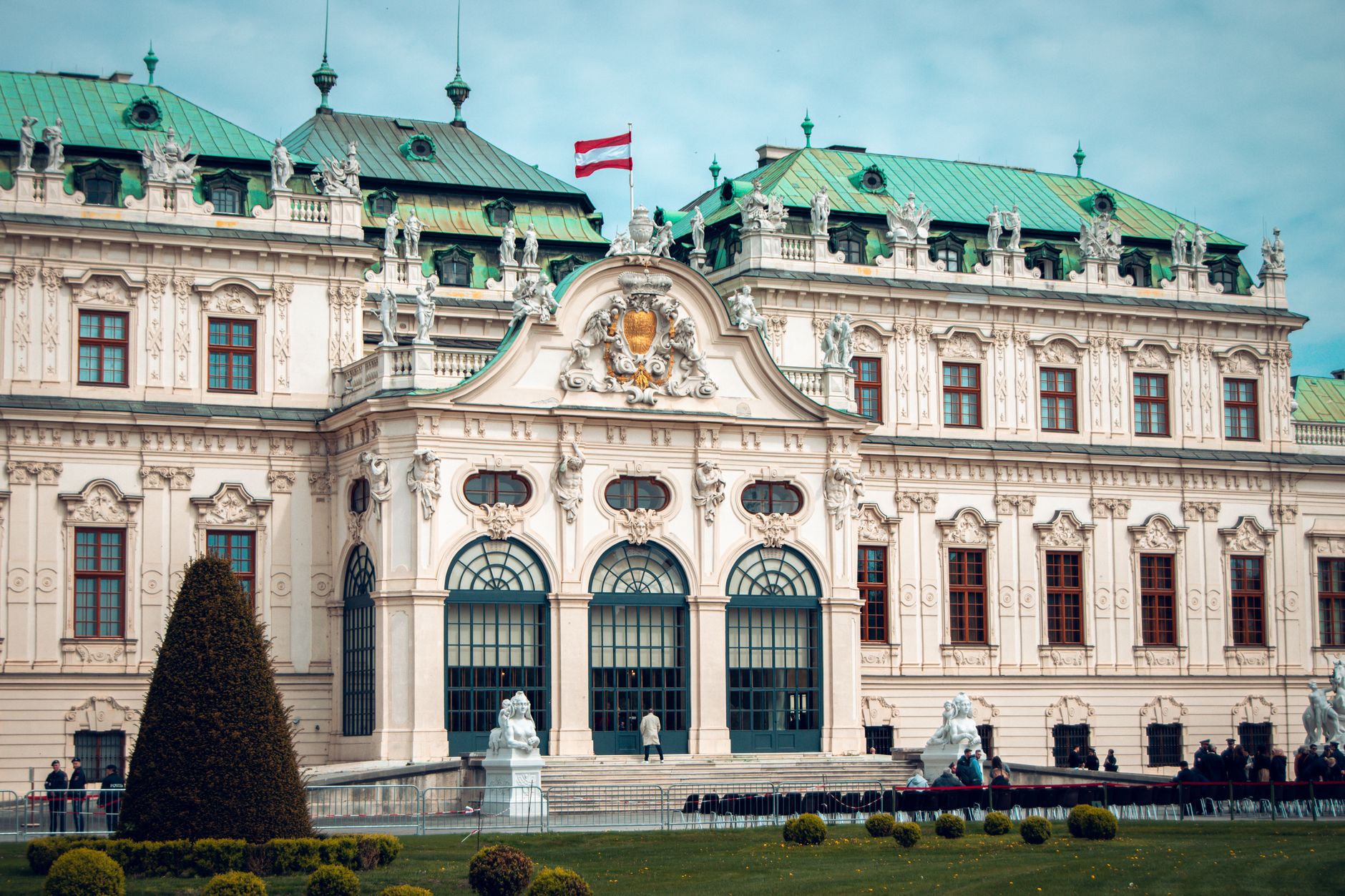
Start at the Upper Belvedere. The palace holds the best-known collection of Gustav Klimt paintings, including The Kiss, but its medieval, Baroque, and modern works deserve time too. A timed morning entry reduces uncertainty. Budget roughly two hours for the collection and views across the formal gardens; add the Lower Belvedere only if its current exhibition strongly interests you.
Walk or take a short tram toward Karlskirche. The church and reflecting pool create one of Vienna’s strongest architectural scenes. From there, continue to the Naschmarkt area for lunch. The market is easy to reach, but it is not necessary to eat at the first busy stand—compare menus and leave room for whatever catches your attention.
Afternoon and Evening: Choose One Cultural Focus
Use the afternoon for one museum, not three. The Kunsthistorisches Museum is the strongest choice for Old Masters and imperial collections. The Albertina works well for graphic art and changing exhibitions, while the Leopold Museum focuses on Austrian modernism. Families or science-minded travelers may prefer the Natural History Museum. This choice keeps the day coherent and prevents gallery fatigue.
For the evening, book a performance only if the program appeals to you. Vienna State Opera, Musikverein, and Konzerthaus publish official calendars; compare dates and seat information there. A generic “Mozart concert” sold around tourist areas may still be enjoyable, but it is a different experience from choosing a particular orchestra, opera, or chamber program. Alternatively, skip the performance and spend an unhurried evening around MuseumsQuartier.
Day 3: Schönbrunn and a Flexible Finale
Morning: Palace First, Gardens Second
Take the U4 to Schönbrunn and arrive for your reserved palace slot. Begin with the interior if you booked it, then explore the gardens. Walk toward the Gloriette for the classic elevated view, but account for the climb and the size of the grounds. The zoo, maze, carriage museum, and Palm House are separate experiences; choose at most one addition unless Schönbrunn is the main purpose of your Vienna trip.
Allow most of the morning and early afternoon for this area. Pack water in warm weather and wear shoes suitable for gravel and long paths. If rain is heavy, spend longer inside the palace and shift the garden walk to a shorter loop.
Late Afternoon: Prater or a Slower Finish
For a contrasting final stop, take the U-Bahn to the Prater. The amusement park area and Giant Ferris Wheel offer a looser, more playful side of Vienna than the imperial sights. Entry to the broader park is separate from individual rides, so check current operations before going. This option works especially well for families or travelers who want city views without another museum.
If you would rather slow down, return to the center for a final café, browse the lanes around Judenplatz, or walk beside the Danube Canal. You can also use the spare time to revisit an attraction missed because of weather. Travelers pairing Vienna with nearby capitals can compare this pacing with our four-day Budapest itinerary.
Food Planning Without the Queues
Try Wiener schnitzel, tafelspitz, goulash, apple strudel, or Sachertorte without treating them as a checklist. Reserve one important dinner, save a café, and keep nearby alternatives. Google Maps can hold pins, while Travo can shape food preferences and sights into a practical day-by-day route.
Common 3-Day Vienna Planning Mistakes
- Touring every palace interior: Hofburg, Belvedere, and Schönbrunn tell different stories, but three exhaustive visits can feel repetitive. Choose depth selectively.
- Ignoring timed entry: A reserved anchor prevents a sold-out slot from breaking the day.
- Crossing the city for one meal: Keep restaurants near the day’s sightseeing zone.
- Trusting old prices and hours: Confirm details on official venue and transport sites.
- Leaving no café or garden time: Vienna is better when the schedule has space.
Is 3 Days in Vienna Enough?
Yes. Three full days cover Vienna’s essential imperial, artistic, musical, and neighborhood experiences when sights are grouped sensibly. A fourth day would support a deeper museum visit, the zoo, a wine tavern district, or a day trip, but it is not required for a satisfying first visit. The best three-day plan is not the one with the most pins—it is the one that preserves energy for the places you care about.