
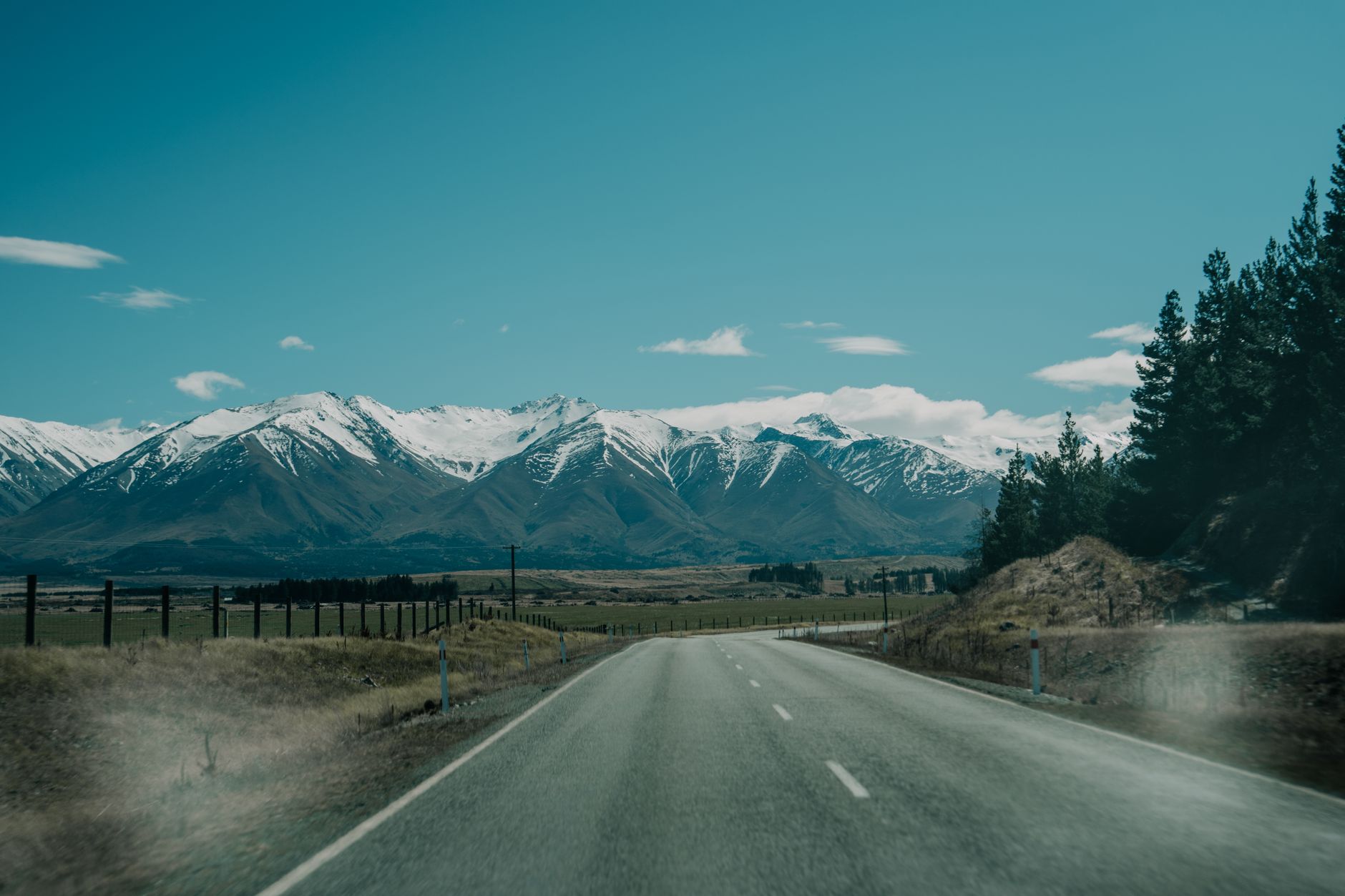
A South Island New Zealand itinerary for 10 days works best when it does not pretend you can see the whole island. The practical first-trip route is a one-way journey from Christchurch to Queenstown through Lake Tekapo, Aoraki/Mount Cook, Wānaka, Te Anau and Milford Sound. You get alpine landscapes, short walks, a fiord cruise and two lively cities without turning every day into a race.
This plan assumes nine nights, a rental car, and a flight home on day 10 or the following morning. It deliberately leaves the West Coast, Abel Tasman and Dunedin for another trip. If you have two weeks and want both islands, compare our two-week New Zealand road trip. For this shorter journey, fewer bases produce a better holiday.
10-day route at a glance
- Day 1: Arrive in Christchurch and recover from the flight.
- Day 2: Drive Christchurch to Lake Tekapo.
- Day 3: Continue to Aoraki/Mount Cook.
- Day 4: Cross the Lindis Pass to Wānaka.
- Days 5–6: Explore Queenstown and keep one flexible day.
- Day 7: Drive to Te Anau.
- Day 8: Milford Sound day trip from Te Anau.
- Day 9: Return to Queenstown.
- Day 10: Depart or use a final half-day in Queenstown.
The route is roughly 1,250 kilometres once the Milford Sound return trip and local detours are included. Map estimates exclude photo stops, roadworks, meals and slower alpine driving, so never schedule an activity immediately after the predicted arrival time.
Day 1: Arrive in Christchurch
Use Christchurch as a reset day rather than collecting a car after a long-haul flight and immediately driving into the countryside. Walk the compact centre, see the Botanic Gardens, and buy food for the next two days. Staying overnight also makes day 2 safer and gives delayed luggage time to catch up.
Collect the rental car in the morning if possible. Confirm whether the company permits the Crown Range Road, whether snow chains are supplied in winter, and what its one-way fee is for a Queenstown return. A small car is sufficient for this sealed route in normal conditions; a campervan adds campsite planning and longer braking distances.
Day 2: Christchurch to Lake Tekapo
Allow about three hours of wheel time, then add a break in Geraldine or Fairlie. At Tekapo, choose one lakefront walk, visit the Church of the Good Shepherd respectfully, and keep the evening open for stargazing if skies cooperate. Book accommodation early in the Southern Hemisphere summer because the village has limited inventory.
Do not fill the afternoon with distant detours. The value of this stop is the Mackenzie Basin itself: open views, turquoise water and a slower first road day.
Day 3: Lake Tekapo to Aoraki/Mount Cook
The direct drive is short, but the road beside Lake Pukaki invites stops. Leave enough daylight for a walk suited to the weather and your ability. The Hooker Valley Track is popular, but track conditions and access can change; check the Department of Conservation page on the day and carry layers even when Tekapo felt warm.
Stay in or near Aoraki/Mount Cook Village. Driving onward after a hike removes your margin for weather and fatigue. If the mountains disappear behind cloud, treat the day as flexible rather than chasing a view from unsafe roadside pull-offs.
Day 4: Aoraki/Mount Cook to Wānaka
Drive back past Lake Pukaki, then continue through Twizel and the Lindis Pass. The map may suggest roughly three hours, but scenic stops and changing conditions make it longer. Reach Wānaka with time for the waterfront or an easy walk.
Skip the urge to combine a major hike and the transfer. Roys Peak is a demanding outing, not an arrival-day photo stop, and seasonal access restrictions may apply. A relaxed evening now protects the more active days ahead.
Day 5: Wānaka to Queenstown
You can take the Crown Range route in suitable conditions or the longer route through Cromwell when weather, rental rules or driver confidence favour it. Check live road information before choosing. Arrive in Queenstown, park once, and explore the centre and Lake Wakatipu on foot.
This is where a map-first plan often creates backtracking. Use an AI road trip planner to group activities by area, then verify every road and opening time with the operator. Google Maps is useful for navigation, while CamperMate can help travellers compare campsites and practical facilities. Roadtrippers is another option for discovering stops, but none replaces official alerts.
Day 6: Queenstown buffer day
Choose one anchor experience: a local walk, a lake activity, an adventure operator or a Central Otago food-and-wine outing with transport. Avoid stacking several expensive bookings with tight connections. Wind and rain can cancel outdoor activities, so a free day lets you move plans rather than lose them.
You can build a personalised version in Travo by entering your dates, interests and preferred pace. Use the generated itinerary as a flexible structure, not as evidence that weather-dependent services will operate.
Day 7: Queenstown to Te Anau
The drive to Te Anau takes about two and a half hours before breaks. Arrive early enough to fuel the car, buy snacks, confirm the next day's cruise check-in, and inspect the Milford Road status. Te Anau is the sensible base because it shortens the Milford day compared with a Queenstown return.
Keep the evening simple: lakefront time, an early dinner and a full tank. There are no ordinary fuel stations between Te Anau and Milford Sound, and mobile coverage is limited along parts of the road.
Day 8: Milford Sound from Te Anau
Milford Sound is a full-day outing even though the road distance looks manageable. The drive is part of the experience, with viewpoints, short walks, Homer Tunnel delays and weather all affecting timing. Prebook a cruise during busy months and arrive before the operator's required check-in.
In winter or severe weather, consult the official Milford Road and New Zealand Transport Agency updates. A coach-and-cruise package is a good alternative if mountain driving feels stressful. Never speed to preserve a booking; rebooking is cheaper than taking risks on an unfamiliar alpine road.
Day 9: Te Anau to Queenstown
Return to Queenstown and use the afternoon for whatever weather displaced earlier. This apparent “repeat” is the itinerary's safety valve. It also prevents a long Milford day from being followed by an immediate flight or rental deadline.
If everything ran smoothly, stop for a short, planned break en route or enjoy a final Queenstown activity. Organise fuel, luggage and the rental return that evening.
Day 10: Queenstown and departure
For an afternoon flight, take a short lakeside walk or have breakfast in town. For a morning departure, treat day 10 only as logistics. Do not schedule a distant excursion on the same day as an international connection.
How to adapt this itinerary
For winter: reduce daily ambition, carry chains when required, learn how to fit them, and avoid driving alpine roads in darkness. For families: replace long hikes with lakefront walks and keep two-night bases. For hikers: add days rather than squeezing full tracks between transfers. For campervans: reserve legal campsites and check vehicle-specific restrictions; freedom camping is regulated, not a promise that every scenic pull-off is available.
If seeing Franz Josef or the wider West Coast is essential, remove Milford Sound or extend the trip. Trying to combine both in ten days creates a very long Te Anau-to-glacier transfer and leaves little resilience for West Coast rain or road closures.
Build the route without losing flexibility
Start with fixed items—flights, car collection, accommodation and the Milford booking—then fit walks and meals around them. A travel itinerary app with maps makes geographic conflicts visible before you book. Keep official transport and operator pages bookmarked for live checks.
Travo can turn the route into a personalised day-by-day draft and help you revise it when your pace or priorities change. Ask Travo for alternatives, but confirm road status, track access, prices and opening hours directly. The best 10-day plan is not the one with the most pins; it is the one that still works when New Zealand weather changes the day.