
Ten days is enough to circle Iceland on the Ring Road without treating every waterfall as a drive-by photo—but only if you keep arrival and departure simple, avoid ambitious side regions, and leave room for weather changes. This route uses ten calendar days and nine nights, travels counterclockwise, and focuses on Route 1, the Golden Circle, the South Coast, the Eastfjords, Lake Mývatn, and North Iceland.
The itinerary is designed for a summer or early-autumn self-drive. It does not include the Westfjords, Highlands F-roads, or a full Snæfellsnes loop. Those are excellent trips, but adding them to a first 10-day circuit usually trades time outdoors for more hours behind the wheel. Use Travo to personalize the route around your flights, preferred pace, and booked accommodation, then verify every driving day against live conditions.
Iceland 10-day route at a glance
- Day 1: Keflavík Airport to Reykjavík
- Day 2: Golden Circle to Hella or Hvolsvöllur
- Day 3: South Coast to Vík
- Day 4: Vík to Jökulsárlón and Höfn
- Day 5: Eastfjords to Egilsstaðir
- Day 6: Egilsstaðir to Lake Mývatn
- Day 7: Mývatn, Húsavík, and Goðafoss
- Day 8: North Iceland to Borgarnes
- Day 9: West Iceland to Reykjavík
- Day 10: Reykjavík to Keflavík Airport
Expect roughly 1,600–1,800 kilometers once normal detours are included, rather than only the headline length of Route 1. Map each booked leg before paying for accommodation. A travel itinerary app with maps helps reveal days where an apparently short route becomes long after sightseeing stops.
Day 1: Arrive and settle into Reykjavík
Collect your vehicle at Keflavík if you are comfortable driving after the flight; otherwise take an airport transfer and rent the car the next morning. Keep the day light: walk around the harbor, Hallgrímskirkja, and central Reykjavík, buy road snacks, and sleep early. Do not attach the Golden Circle to a late arrival. If you want the Blue Lagoon or another Reykjanes spa, reserve it and confirm access shortly before the trip because local conditions can change.
Day 2: Golden Circle to Hella or Hvolsvöllur
Leave Reykjavík for Þingvellir National Park, the Geysir geothermal area, and Gullfoss. These three stops create a satisfying first day without needing every nearby attraction. Continue south rather than returning to the capital, sleeping around Hella or Hvolsvöllur. That forward movement removes backtracking and positions you for the waterfalls the next morning.
Choose one optional stop—perhaps a geothermal bath or Kerið crater—not four. Tour-bus arrivals and parking take time, and Iceland rewards unplanned viewpoint stops. Confirm paths and access on official sites, stay behind barriers around geothermal areas, and never stop on the roadway for a photo.
Day 3: South Coast waterfalls and Vík
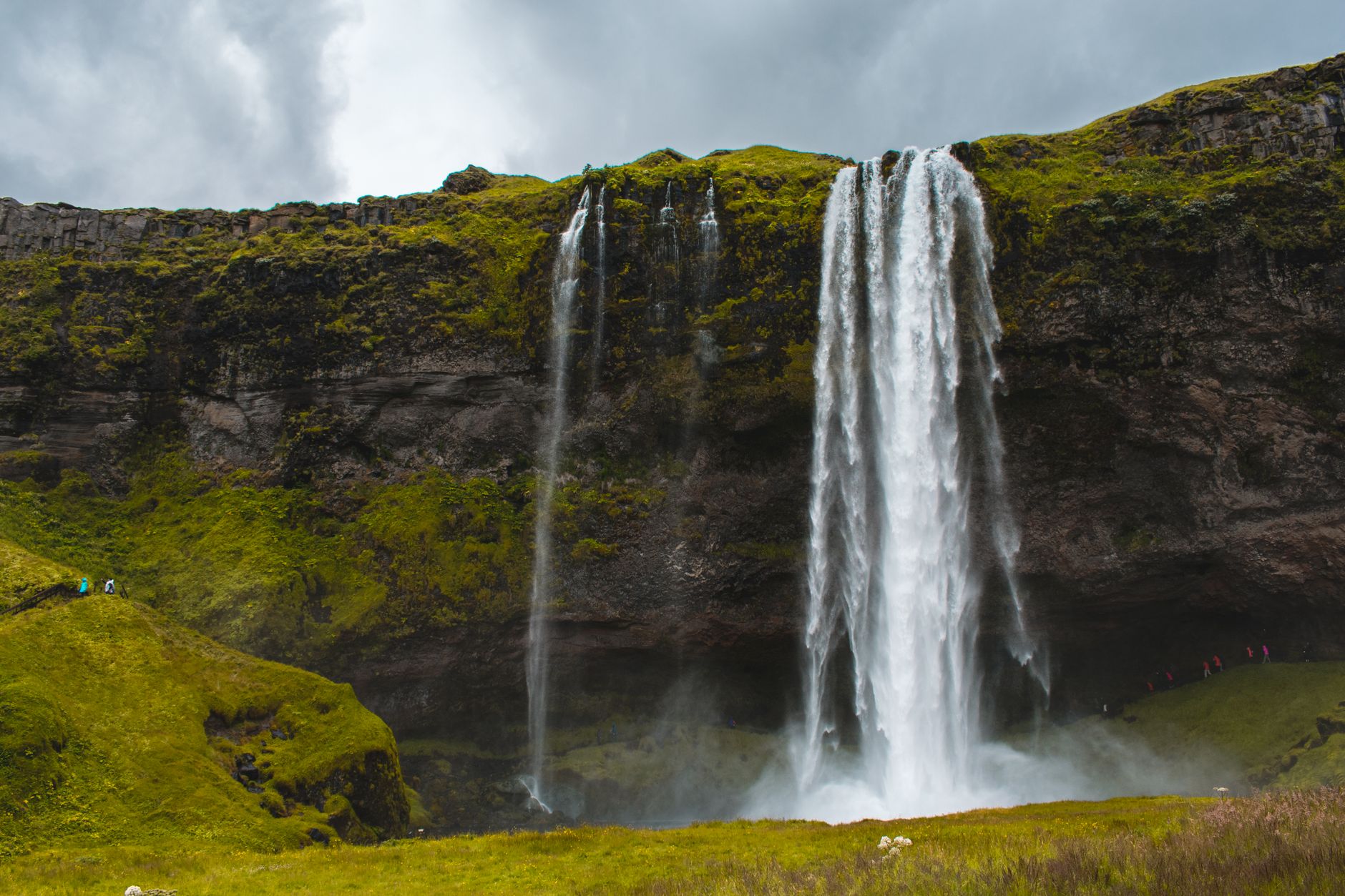
Visit Seljalandsfoss and Skógafoss, then continue toward Dyrhólaey and Vík. Treat Reynisfjara as conditional, not guaranteed. Sneaker waves are dangerous even in apparently calm weather, so follow current SafeTravel guidance and posted warning lights, stay far from the water, and skip the beach if warnings or conditions make the visit unsafe.
Sleep in or near Vík. This is deliberately a shorter distance day because the South Coast is stop-heavy. If weather closes one sight, use the spare time for a museum, a pool, or an early dinner instead of chasing a risky detour.
Day 4: Vík to Jökulsárlón and Höfn
Drive east across the lava fields, stopping at Fjaðrárgljúfur only if the marked access is open. Choose one official walk in the Skaftafell area, then continue to Jökulsárlón Glacier Lagoon and nearby Diamond Beach. The lagoon deserves time; do not squeeze a long hike, glacier tour, and boat trip into the same afternoon.
End in the Höfn area. If you book a guided glacier activity, use a licensed operator and build the itinerary around its check-in time. Glaciers are not self-guided terrain. Wind and rain can also stretch this driving day, so keep at least one attraction optional.
Day 5: Take the Eastfjords slowly
The road between Höfn and Egilsstaðir is part of the experience. Allow time for fjord views, bends, weather, fuel, and lunch rather than measuring success by a long checklist. Djúpivogur can make a practical break. Follow Route 1 unless current conditions and your rental agreement clearly support another road; a shorter-looking mountain route is not automatically the safer route.
Stay in Egilsstaðir or nearby. Refuel before remote stretches and save maps, bookings, and accommodation details offline.
Day 6: East Iceland to Lake Mývatn
Check the road and weather before crossing the exposed interior toward North Iceland. Around Mývatn, choose a small set of geothermal and volcanic sights such as Hverir, Dimmuborgir, or the lake’s pseudocraters. Dettifoss is a meaningful detour whose access varies by route and season; decide from the live road map rather than an old saved itinerary.
Spend two nights around Mývatn. The second night is the route’s most useful design choice: it reduces packing, creates recovery time after the Eastfjords, and gives you flexibility if weather disrupts the previous day.
Day 7: Mývatn, Húsavík, and Goðafoss
Use this as a regional day. Pick either a relaxed Mývatn circuit or a whale-watching trip from Húsavík, then stop at Goðafoss if timing and energy allow. Boat trips are weather-dependent, so avoid building the whole day around an assumed departure. A geothermal bath can be a good evening option, but reserve popular time slots.
Day 8: North Iceland to Borgarnes
Drive west via Akureyri and the northern stretches of Route 1. This is one of the longer transfer days, so limit sightseeing. Take a proper meal break, switch drivers if possible, and stop when fatigue appears. Borgarnes works as a practical overnight because it shortens the final approach to Reykjavík while leaving West Iceland options for the next day.
Do not force Snæfellsnes into the afternoon. A peninsula loop needs its own full day and would make this plan vulnerable to delay. Save it for an 11th or 12th day, or replace part of the Ring Road with a focused west-and-south itinerary.
Day 9: West Iceland and return to Reykjavík
Choose a weather-appropriate West Iceland stop, such as the Borgarfjörður area, then return to Reykjavík with time to refuel, reorganize luggage, and enjoy the city. Keep the final night near Reykjavík rather than at the far end of an optional excursion. This creates a buffer between a cross-country road trip and an international flight.
If a previous day was disrupted, Day 9 is your recovery margin. Skip the extra sightseeing and drive directly to the capital. A good itinerary protects the flight; it does not depend on perfect weather for nine consecutive days.
Day 10: Departure from Keflavík
Allow time for the drive, fuel policy, vehicle inspection, luggage, and airport check-in. Add a Reykjanes stop only if official access is open and your flight schedule leaves a generous margin. Conditions around volcanic areas can change, so never rely on an attraction there as a fixed departure-day promise.
When to drive this Iceland itinerary
For most first-time self-drivers, June through early September offers long daylight and the simplest version of this route. Shoulder-season trips can be quieter, but daylight and weather margins shrink. A winter Ring Road circuit is a different undertaking: snow, ice, wind, closures, and short daylight may require extra days, winter-driving experience, and substantial route changes.
A small 2WD vehicle can suit major summer routes, according to Visit Iceland, but vehicle choice depends on season, road plans, and rental terms. F-roads are outside this itinerary, and off-road driving is illegal. If you need to reshape the overnight sequence, start with this guide to making a travel itinerary step by step.
The three tools to check every morning
- Umferðin: official live road conditions, closures, wind data, and cameras.
- Icelandic Meteorological Office: regional forecasts and weather alerts.
- SafeTravel: official travel-safety alerts and location-specific advice.
Check all three before leaving, not only when the sky looks bad. A saved map shows geometry, not whether a road is safe or open. If authorities close a road, wait or reroute; do not improvise onto an unfamiliar secondary road.
How to adapt the route with Travo
This itinerary is a strong default, but flight times, accommodation availability, mobility needs, and interests change the best overnight sequence. With Travo, you can enter those constraints and generate a personalized day-by-day plan, then move activities when the weather changes. For more road-trip tooling options, compare the best road trip apps for routes, stops, and offline maps.
Keep every generated itinerary subordinate to official conditions and confirmed bookings. Travo can reduce route-planning work; it cannot replace the judgment of Icelandic road, weather, safety, and site authorities.